2021 United States Capitol attack
description: On January 6, 2021, a mob of 2,000–2,500 supporters of U.S. President Donald Trump attacked the Capitol Building in Washington, D.C.
90 results
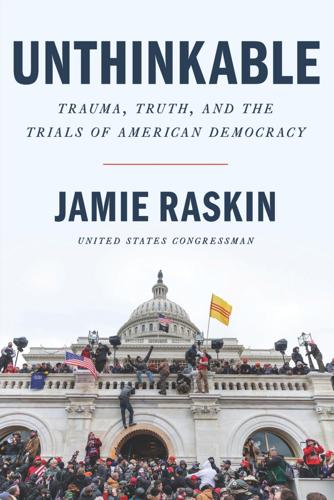
Unthinkable: Trauma, Truth, and the Trials of American Democracy
by Jamie Raskin · 4 Jan 2022 · 450pp · 144,939 words
Chapter 14: Witnesses to Insurrection Epilogue Acknowledgments Photo Section About the Author Copyright About the Publisher Preface In the week between December 31, 2020, and January 6, 2021, my family suffered two impossible traumas: the shattering death by suicide of my beloved twenty-five-year-old son, Tommy, and the violent
…
his question. I spent the drive to the Capitol turning over the sentence “There is a North” in my head, as though Lincoln had provided me with the assurance I needed to repel the coming attacks on the 2020 election. By the time January 6 arrived, we had been preparing for the
…
before the electors were cast in the state capitols on Monday, December 14. The refusal of GOP officials to buckle under to the most powerful man in the world helped to save America from what the political scientists call a “self-coup” on January 6 organized by the incumbent president. But Trump’
…
was married to Hank, which was the big joke of January 6 (to the extent that January 6 had jokes). The media had reported that no member of Congress had his or her kids in the Capitol today except me and that I was accompanied by “my daughter Tabitha and my son-in
…
anymore.” Yet here Gaetz was, already launching the new January 6 corollary to the Big Lie: it wasn’t a Trump mob that had stormed Congress; it was Antifa. We were just within an hour or two of having secured the Capitol Building, with hundreds of people badly wounded and traumatized at
…
stay in office and therefore the possible ultimate motivation both for the Ukraine shakedown and for the explosive insurrectionary violence that overran us on Capitol Hill on January 6. From the outside at least, it looked as though he needed to be in the White House to keep all the money flowing
…
of us had experienced as a steady trickle of abuse at the start of the Trump period had turned into an overflowing septic tank around January 6 and a gushing sewer of threats during impeachment. Rank-and-file members of the House ordinarily have no security detail, but in the wake
…
at a distance, watching for anything untoward. I was meeting them, of course, at a tough time for the Capitol Police force. More than 140 officers had just been injured on January 6. Officer Brian Sicknick had died a day after being brutally assaulted with bear mace and the nasty chemical concoctions that
…
in my own detail was racked with remorse because he had been off duty on January 6. Several officers I spoke to in the immediate aftermath told me that they or their friends were thinking about leaving the Capitol force or police work altogether because of the searing mental and physical wounds they
…
saw patriotism as their overriding professional motivation. These officers and their colleagues on the Capitol Police force and in the Metropolitan Police Department almost certainly saved our lives on that bleak day. I hope our experience on January 6 showed progressive America that we need the police to defend the republic against organized
…
fascist violence. I repeat: We need the police to defend the republic against organized fascist violence. I hope January 6 showed conservative America that all the extreme right-wing rhetoric about “backing the Blue” was nothing but propaganda and lies; the only handful of
…
extend the time frame, to track Trump’s cultivation of such violent political extremism during his time in office. The enormous violence that shook the Capitol on January 6 was political in nature, unlike, for example, a barroom brawl, a sexual assault, or a Mob hit against a rival criminal gang. It
…
, Harry Dunn, an African American officer for thirteen years on the Capitol Police force, whom I interviewed and who told me he had been subjected to what he called a “torrent” of racist abuse and invective during the January 6 riot. Dunn had never been called the N-word before when he
…
the violence was political in a second sense: it was a core part of Trump’s long-running strategic plan to maintain power, and on January 6, it became a specific tactical maneuver. I knew a lot about the “Unite the Right” festival of racist violence in Charlottesville, Virginia, in 2017,
…
all rights, including the right to establish at trial that your refusal to testify supports a strong adverse inference regarding your actions (and inaction) on January 6, 2021. . . . Very truly yours, Jamie Raskin Lead Impeachment Manager We got a letter back from Trump’s lawyers in far less time than it
…
with to this day. This much I knew, as we drove down to the Capitol on Tuesday, February 9, for the first day of the trial: the life of Tommy Raskin and the violent insurrection on January 6 were polar-opposite events in the universe. This precious young man of boundless talent had
…
that, if adopted by the Senate, the totally concocted new “January exception” would make January 6 a lethally dangerous new norm in our politics, inviting outgoing presidents and their mobs to attack the presidential election process, storm the Capitol, threaten and intimidate government officials, and smash people over the head with Confederate battle
…
up talking about Tabitha and Hank’s experience and what Tabitha had said to me about never coming back to the Capitol: The reason they came with me that Wednesday, January 6, was because they wanted to be together in the middle of a devastating week for our family, and I told
…
them I had to go back to work because we were counting electoral votes that day on January 6. It was our constitutional duty. And I invited them instead to come with me to witness this historic event, the peaceful transfer of power
…
through loud and clear in the voice of Metropolitan Police Department officer Michael Fanone, the DC undercover drug detective who, on January 6, threw his uniform on and rushed down to the Capitol with his partner to join the battle after hearing distress calls over the radio. I loved this accent, not north
…
for the trial. It was the question we wanted the whole country asking when they considered the “American carnage” that was delivered to the Capitol on January 6. For the rest of Wednesday and Thursday, we unspooled the spellbinding story of how the embittered president of the United States had come to deliberately
…
’s statements that senior White House officials with Trump on January 6 described him as “walking around the White House confused about why other people on the team weren’t as excited as he was as you had rioters pushing against Capitol Police trying to get into the building.” Trump was reportedly
…
of mind, his specific MO, and his specific intent in inciting the similar insurrectionary violence that overtook the U.S. Capitol. These January 6 tactics had been road-tested. Nothing that happened on January 6 marked any kind of a break from Trump’s recent political activities and commitments. On the contrary, the insurrection was
…
stunningly familiar: Confederate battle flags, MAGA hats, weapons, camo army gear—just like the insurrectionists who showed up and invaded the Senate chamber on January 6. Looking at the video from that April siege, one clearly saw that the event at the Michigan statehouse was essentially a state-level dress rehearsal
…
for what was to come in the Capitol on January 6. Further proof of that symmetry could be found in Trump’s response to both events. After Lansing, he refused to condemn
…
that one of the conspirators said he needed “200 men” to storm the state capitol building and take political hostages, including the governor. The plot was well organized, just like the one that was coming on January 6. The men in Michigan even considered building Molotov cocktails to disarm police vehicles and attempted
…
to construct their own IEDs—precisely something that the terrorists did at the DNC and RNC headquarters on January 6. Not even these horrifying events were enough to get Trump to stop inciting violence in Michigan. Brazenly, he attacked the governor again the very
…
of the way to deny us all the evidence we needed. Undoubtedly, there were dozens, and probably hundreds, of organizers of the violence of January 6, but it would take a much lengthier and more exhaustive investigation to determine exactly the background organizational hierarchy of the attack and the overlapping networks
…
to the first question, which came from Senators Schumer and Feinstein: “Isn’t it the case that the violent attack and siege on the Capitol on January 6 would not have happened if not for the conduct of President Trump?” Representative Castro first answered the question directly by paraphrasing Liz Cheney, saying that
…
first few weeks on the job and also just about the kindest person on Capitol Hill, posed a question to our side that was read aloud: “Is it true or false that in the months leading up to January 6, dozens of courts, including state and federal courts in Georgia, rejected President
…
Herrera Beutler, who offered electrifying revelations about Kevin McCarthy’s testy conversation with Trump in the middle of the chaos on January 6. Herrera Beutler’s interview established that, as the Capitol riot was ongoing, the GOP leadership was panicked by the violence; that Donald Trump had already started to lie and equivocate
…
were closet truth-tellers in GOP Land just waiting for an opportunity to spill the beans on Donald Trump and his fascistic decision making on January 6, why had they not come forward over the last month? Surely, they would have spoken out in the media or at least tried to
…
find another opportunity for them to speak, and when we later came to create the Select Committee on January 6, I strongly advocated to our Chair Bennie Thompson that we begin with a hearing of Capitol and Metropolitan Police Department officers, which we did.) The other major problem I was having was that
…
the words of Republican representative Anthony Gonzalez of Ohio, a former pro football player, who said on January 6, “We are imploring the president to help, to stand up, to help defend the U.S. Capitol and the United States Congress, which was under attack. We are begging, essentially, and he was
…
a breathtaking rooftop view of fireworks on the National Mall. And in case you’re wondering—no, Tabitha still hasn’t been back to the Capitol since January 6. I feel that’s my challenge: to change American politics enough to win her back. But Ryan, who always thought he would use his
…
first and most elemental fight is for the truth. Naturally, Donald Trump and his enablers acted quickly to whitewash the violence of January 6, claiming that the protesters at the Capitol were a gentle, “loving crowd” who represented “zero threat” to members of Congress. Contradicting what we all saw with our own
…
The dominant pro-Trump elements in the GOP traffic in every form of irrationality and disinformation. On the events of January 6, they circulate conspiracy theories and lies about what happened at the Capitol that day, from hoisting the go-to canard that “Antifa did it,” to likening the whole episode to a
…
and very lives. The cops who testified would remind us that the actions of the rioters on January 6 were no “normal tourist visit” and that we had come close to losing not just the Capitol but the processes of democratic self-government—not to mention the lives of who knew how many
…
that are so bad and so evil. I know how you feel.” It is no coincidence that a Confederate battle flag was waved inside the Capitol on January 6, nor that lots of Trump’s marauding partisans carried a Confederate battle flag throughout the day. The “stolen” election is the new-and-improved
…
Lost Cause myth. Our work in Congress to determine the facts of January 6 is a struggle to protect social memory and historical facts in the face of ideological derangement and disfigurement. January 6, 2020, was—and forever will be—the day in history when Donald Trump and the
…
more than one million dollars in contributions from Tommy’s friends and admirers all over the world. The gallows set the macabre stage at the Capitol on January 6, 2021. (NurPhoto/Getty Images) “We fight, we fight like hell, and if you don’t fight like hell you’re not going to
…
brandishing the Confederate battle flag never made it into the Capitol in 1861 or at any point in the Civil War, but they made it inside in 2021. (Saul Loeb/Getty Images) My chief of staff, Julie Tagen, took this photo on January 6, at 1:30 p.m. from the majority

The Undertow: Scenes From a Slow Civil War
by Jeff Sharlet · 21 Mar 2023 · 308pp · 97,480 words
glass—like that of the window through which Ashli Babbitt, a subject of this book’s title essay, attempted to climb when she invaded the Capitol on January 6, 2021. Babbitt, shot for her trouble, was a fool who pursued her own death. And yet, many of us might say the same of
…
‹ The Undertow Although no one believed in civil war, the air reeked of it . . . —Henry Adams, The Education of Henry Adams, recalling 1860 1. The Capitol, January 6, 2021 We watched her die before we knew her name. We watched almost in real time or soon after, her death looped and memed before
…
civilian turnout. An old White man in cowboy boots and cowboy hat amened in the front row and another, who boasted he was at the Capitol on January 6, patrolled on a Segway, trailing a flapping Old Glory. Most of the crowd huddled back in the shade, propping up flags. A Second Amendment
…
activist ranted against Critical Race Theory. The connection to Ashli was vague. An indicted January 6 insurrectionist, Jorge Riley, said schools are making our kids gay. “Tell it, George!” shouted the old cowboy. Then Antifa arrived. A column of mostly black
…
agreed with one of the other rally speakers: “assassination.” Such is the seesaw reality of January 6. “No cops were hurt,” Riley said. More than 150 were. Five would die. In a video made at the Capitol, Riley claimed that after one battle involving pepper spray and a fire extinguisher, he and his
…
Sacramento, or, at least, hung limp in the heat. Vexillology, the study of flags, is a theatrical discipline. The flags on display—like those of January 6, most famously the Confed erate Battle Flag—were those of imaginary nations, fascisms, plural, nostalgic and aspirational, the Right’s bitter utopianism. Ashli’s flag
…
way of vision and dream. Its theft had not. But God helps those who help themselves. On January 6, God’s people did just that. “We were able to take the castle,” Pastor Dave said—the Capitol—and yet that glory, too, melted into air. “And then suddenly it is, well, quiet.” He
…
,” he wrote, “now I fight fir her.” Sic. Just talk? “Aspirational chatter,” as the FBI put it, defending its inaction before January 6? Miller says he had a gun at the Capitol. At his house, along with body armor and more guns, states the charging memo, “the FBI recovered numerous ropes.” It felt
…
started. —Proud Boy leader Zach Rehl, 2:29 p.m., January 6, 2021 Everything is different, but nothing has changed. —U.S. Capitol Police Officer Harry Dunn, testimony before the U.S. House Select Committee to Investigate the January 6 Attacks on the U.S. Capitol Near Niagara Falls, en route to Buffalo, I pulled over
…
all on his own. His ideas are no longer marginal. He knew this, felt it—the gravity drawing men with guns to the center—on January 6, his photographs of which played in a loop on a screen mounted in the corner of the living room, over his youngest’s toys, next

Paper Girl: A Memoir of Home and Family in a Fractured America
by Beth Macy · 6 Oct 2025 · 373pp · 97,653 words
, instead.[3] An old schoolmate of mine from a prominent Republican family, the caller had taken her children out of school to attend the January 6 riot at the Capitol—a completely different kind of field trip to Washington, D.C. One of the insurrection’s chief planners, in fact, turned out to
…
was right.” A local machine-shop owner agreed with Howell, claiming the January 6 violence was perpetrated by “three or four busloads of Antifa,” hired protesters who were dressed like the insurrectionists and “organized to lead people” to break into the Capitol. “That’s why Nancy [Pelosi] let people in,” he said, falsely
…
. BACK TO NOTE REFERENCE 23 WhiteHouse, “Granting Pardons and Commutation of Sentences for Certain Offenses Relating to the Events at or near the United States Capitol on January 6, 2021,” Jan. 20, 2025. See also: Christopher Wiggins, “Donald Trump Commutes Sentence of Trans Woman Convicted for Role in
…
January 6 Insurrection,” Advocate, Jan. 21, 2025. BACK TO NOTE REFERENCE 24 PaulFarhi and John Volk, “In News Deserts, Trump Won in a Landslide,” The Medill Local
The Chaos Machine: The Inside Story of How Social Media Rewired Our Minds and Our World
by Max Fisher · 5 Sep 2022 · 439pp · 131,081 words
TheDonald, a chat site modeled on the now-banned Reddit subsection, more than 80 percent of discussions referring to the January 6 event included overt calls for violence. Some posted maps of the Capitol building, marking out tunnels and entrances. By December’s end, many users were converging around a plan. Some would
…
the Capitol, though without Trump, who, despite assuring the crowd “I’ll be there with you,” had returned to the White House to watch on TV. The insurrection’s other leader, after all, maybe its real leader, was already on the ground, embedded in the pockets of every smartphone-carrying participant. January 6
…
of evidence”: “Trump’s Far-Right Supporters Promise Violence at Today’s DC Protests,” Jordan Green, Raw Story, January 6, 2021. 86 more than 80 percent of discussions: “On Far-Right Websites, Plans to Storm Capitol Were Made in Plain Sight,” Laurel Wamsley, NPR, January 7, 2021. 87 “We’re gonna kill Congress
…
, 2021. 106 “Can we get some courage”: “Twitter, Facebook Freeze Trump Accounts as Tech Giants Respond to Storming of U.S. Capitol,” Elizabeth Culliford, Katie Paul, and Joseph Menn, Reuters, January 6, 2021. 107 “We need to take down”: “Facebook Forced Its Employees to Stop Discussing Trump’s Coup Attempt,” Ryan Mac, BuzzFeed
…
. 108 “Social media has emboldened”: “Alphabet Workers Union Statement on Yesterday’s Insurrection,” Alphabet Workers Union, January 7, 2021. 109 “You’ve got blood”: Tweet by Chris Sacca (@sacca), January 6, 2021. twitter.com/sacca/status/1346921144859783169 110 “I’ve never been a fan”: “Joe Biden,” The Editorial Board, New York Times, January
Homegrown: Timothy McVeigh and the Rise of Right-Wing Extremism
by Jeffrey Toobin · 1 May 2023 · 357pp · 130,117 words
inbox. To Rory PROLOGUE 1776 The spirit of rebellion was in the air on January 6, 2021. Vice President Mike Pence was due to certify Joseph Biden’s victory in the 2020 presidential election in a ceremony at the Capitol. But supporters of President Donald Trump, and Trump himself, were mobilizing for a
…
congressional candidate who body-slammed a journalist. Then the insurrection of January 6 represented the apotheosis of Trump’s presidency—when the implicit menace in Trump’s language, amplified over social media, was translated into unprecedented violence. After the storming of the Capitol, the language of violence became standard within the modern Republican
…
certainly the most prominent, examples of the link between modern right-wing extremism and the armed forces. This connection carried forward to the January 6, 2021, riot at the Capitol. About 7 percent of the adult population are either veterans or active-duty service members, but approximately 15 percent of those arrested belonged
…
the United States.) More than any other reason, the internet accounts for the difference between McVeigh’s lonely crusade and the thousands who stormed the Capitol on January 6, 2021. * * * In the fall of 1992, McVeigh finally moved out of his father’s house and into a nearby apartment. His first purchase was
…
thinking but rather an expression of rage. In a similar way, it may be that relatively few of the hundreds of people who invaded the Capitol on January 6, 2021, actually thought that they would overturn the election. As with McVeigh, the rage—as much as the result—was the point. * * * Terry, Marife
…
see what happens.’ ” There is, in McVeigh’s absence of planning for a next act, a similarity to the attitudes of many rioters in the Capitol on January 6, 2021. Rather, to the extent the rioters could articulate it, the mission—the fight—was the end in itself. McVeigh saw his mission as
…
. They learned this afternoon that not one of them is beyond our reach.” (This would have been a fitting message from the January 6 rioters to the politicians in the Capitol who refused to anoint Trump the winner of the 2020 election.) Much of the material related to McVeigh’s idea of patriotism
…
stop the forces that propelled their terrible mission. In the years after 1995, those forces endured, flourished, and burst forth, among other places, at the Capitol on January 6, 2021. * * * Garland remained in Oklahoma City for weeks. He wanted to stay longer and remain the lead prosecutor in the case. But Gorelick insisted
…
had a lot of company in that view. Donald Trump made the same point in a tweet late in the day on January 6, 2021, following the riot at the Capitol: “These are the things and events that happen when a sacred landslide election victory is so unceremoniously & viciously stripped away from great
…
was faked.) The most prominent example of the effort to divert attention from the right-wing roots of extremist action came after the January 6, 2021, attempted insurrection at the Capitol. Notwithstanding the overwhelming evidence that supporters of Donald Trump staged the riot, some conservatives, including many voices on Fox News, tried to
…
evidence specifically against McVeigh and Nichols was “clutter.” A quarter century later, Garland became attorney general and supervised the investigation of the insurrection at the Capitol on January 6, 2021, and of Donald Trump’s removal of documents from the White House after his presidency. He followed the playbook he wrote for the
…
silence to an extreme. (In my interview with him, Garland not only refused to draw any comparisons between McVeigh and the Capitol rioters, he refused even to utter the words January 6.) As attorney general, Garland followed his own example, not that of Bill Clinton. Garland’s clutter, though, was Clinton’s gold
…
how close the nation was to “the second violent American revolution,” just as Donald Trump told his armed supporters on the Ellipse on January 6 to march to the Capitol and “fight like hell.” On both occasions, actual violence followed broadcast incitement. Clinton believed that this kind of language had real-life consequences
…
wanted to be acquitted of the bombing. McVeigh’s political heirs later faced a similar dilemma. An extraordinary number of the rioters who invaded the Capitol on January 6, 2021, could be seen holding their cell phones aloft to record video of their criminal activity. Like McVeigh, they felt their behavior was justified
…
you don’t consider what happened in Oklahoma, Tim is a good person.” Much the same was said about many of those who stormed the Capitol on January 6, 2021. Like McVeigh, many were otherwise law-abiding citizens whose zealotry led them to believe that the ends justified the means. Though a generation
…
slim-to-nonexistent evidence. In a repeat of a pattern that went back to McVeigh’s day, right-wingers even described the violence at the Capitol on January 6, 2021, as a provocation orchestrated by antifa—a transparently bogus allegation. As president, Trump never explicitly endorsed the extremist presence among his political supporters
…
. I’m not hearing good stories”), so his only hope was for the mob to work its will at the Capitol. After Trump’s speech, the mob tried. The events of January 6, 2021, saw the full flowering of McVeigh’s legacy in contemporary politics. McVeigh was obsessed with gun rights; he saw
…
the bombing as akin to the revolutionary struggle of the Founding Fathers; and he believed that violence was justified to achieve his goals. So did the rioters on January 6. Among
…
, the two most prominent extremist groups involved in the January 6 assault, embraced gun rights above all other issues, just as McVeigh did. Joe Biggs of
…
down the same exact path as the Founding Fathers.” McVeigh thought he was, too. The clearest link between McVeigh and the Capitol rioters was in their embrace of violence. By January 6, law enforcement intelligence offices around the country had picked up signs that violent extremists planned to converge on Washington to try
…
sites such as 4chan, Telegram, and Stormfront, some users noted the parallels between the insurrection at the Capitol and the rebellion described in the novel. Some of the commenters asserted, with justification, that January 6 was the closest the nation had come to replicating the white supremacist triumph that concludes The Turner Diaries
…
. (In response to the events of January 6, 2021, Amazon and some used book sites stopped selling the book.) On the
…
late afternoon of January 6, when Trump was finally persuaded to ask his supporters to withdraw from the Capitol, he still made
…
Republicans represent an extremism that threatens the very foundations of our Republic.” He went on, “They look at the mob that stormed the United States Capitol on January 6, brutally attacking law enforcement, not as insurrectionists who placed a dagger at the throat of our democracy, but they look at them as patriots
…
, in Palm Beach, Florida, on August 8, 2022, to determine whether Trump illegally removed classified and other documents from the White House. The period after January 6 paralleled the one after the Oklahoma City bombing in 1995. These two acts of extremist outrage, both widely condemned at the time, were followed not
…
in Cincinnati; he was killed in a confrontation with law enforcement. Later, a Tennessee man who had been charged in the storming of the Capitol on January 6 was indicted in a plot to kill the FBI agents who had arrested him and to attack the FBI field office in Knoxville. On October
…
Pelosi, the Democratic Speaker of the House, demanding “Where’s Nancy? Where’s Nancy?”—a cry that was also made by the rioters inside the Capitol on January 6. DePape found only her husband, Paul, and attacked him with a hammer. The vipers of talk radio, and the internet, displayed as much venom
…
the events of 1995 and 2021. After Oklahoma City, no politicians defended or minimized the attack; but after January 6, many Republicans did just that. Representative Andrew Clyde, of Georgia, said the actions of the rioters in the Capitol resembled “a normal tourist visit.” Representative Marjorie Taylor Greene also dismissed the importance of
…
January 6, saying, “A bunch of conservatives, Second Amendment supporters, went in the Capitol without guns, and they think we organized that? I don’t think so
…
Second Amendment Extremism Led to January 6,” Bradyunited.org, https://brady-static.s3.amazonaws.com/january-6-second-amendment-extremism-guns.pdf. For specific quotations, see “What Conspiracy Theorist Alex Jones Said in the Lead Up to the Capitol Riot,” Frontline, PBS, Jan. 12, 2021, https://www.pbs.org/wgbh/frontline/article/what
…
as a “Normal Tourist Visit,” CNN, May 13, 2021, https://www.cnn.com/2021/05/13/politics/andrew-clyde-january-6-riot/index.html. “it would have been armed”: Chandelis Duster, “Greene Again Downplays Capitol Riot and Says It Would Have Been Armed if She Led It,” CNN, Dec. 12, 2022, https://www
…
, 58, 60, 201 Bush, George W., 209, 348, 356 Bush (G.W.) administration, 11, 354 Buyer, Steve, 358 Byrd, James, Jr., 352 Capitol, U.S., 2021 riot at, see January 6, 2021 insurrection Carlson, Jennifer, 19 Carlson, Tucker, 21–22, 228, 363 Cash, J. D., 297–98 CBS News, 8, 47, 236, 237

Nexus: A Brief History of Information Networks From the Stone Age to AI
by Yuval Noah Harari · 9 Sep 2024 · 566pp · 169,013 words
the membership.32 QAnon has also had far-reaching consequences in the offline world. QAnon activists played an important role in the January 6, 2021, attack on the U.S. Capitol.33 In July 2020, a QAnon follower tried to storm the residence of the Canadian prime minister, Justin Trudeau, in order to
…
dissidents. As with every powerful technology, these tools can be used for either good or bad purposes. Following the storming of the U.S. Capitol on January 6, 2021, the FBI and other U.S. law enforcement agencies used state-of-the-art surveillance tools to track down and arrest the rioters. As
…
. This helped the FBI to match the man’s driver’s license photo to CCTV footage from the Capitol. Another warrant issued to Google yielded the exact geolocation of the man’s smartphone on January 6, enabling agents to map his every movement from his entry point into the Senate chamber all the
…
movements of a New York man from the moment he crossed the Henry Hudson Bridge at 6:06:08 on the morning of January 6, on his way to the Capitol, until he crossed the George Washington Bridge at 23:59:22 that night, on his way back home. An image taken by
…
man appeared wearing it. He further incriminated himself with several videos he posted to Snapchat from within the Capitol. Another rioter sought to protect himself from detection by wearing a face mask on January 6, avoiding live-streaming, and using a cellphone registered in his mother’s name—but it availed him little
…
. The FBI’s algorithms managed to match video footage from January 6, 2021, to a photo from the man’s 2017 passport application. They also matched a distinctive Knights of Columbus jacket he wore on
…
phone registered in his mother’s name was geolocated to inside the Capitol, and a license plate reader recorded his car near the Capitol on the morning of January 6.27 Facial recognition algorithms and AI-searchable databases are now standard tools of police forces all over the world. They are deployed not
…
society. The founding moment of Burkean conservatism was the storming of the Bastille, which Burke viewed with horror. On January 6, 2021, many Trump supporters observed the storming of the U.S. Capitol with enthusiasm. Trump supporters may explain that existing institutions are so dysfunctional that there is just no alternative to destroying
The Information State: Politics in the Age of Total Control
by Jacob Siegel · 24 Mar 2026 · 348pp · 103,246 words
Steal” campaign that mixed reasonable questions of electoral interference with absurd claims, while prodding at the fragile basis of civic peace. The effort culminated on January 6, 2021, when a large pro-Trump demonstration that had assembled in Washington, DC, to challenge the election results splintered off into a riot at the
…
inside the Capitol building had a unique power to shock and disturb. But, despite the symbolism, the riots were disorganized and ineffectual. Moreover, January 6 fit into a
…
of the medical profession to offer “unwavering support” to the BLM protesters. In contrast, the response to January 6 was as swift and decisive as any political fallout in recent history. One day after the Capitol melee, Facebook banned the sitting president from posting on its platform. Then Twitter banned Trump permanently, citing
…
facial recognition software to detect, extract, and deduplicate every face from the 827 videos that were posted to Parler from inside and outside the Capitol building on January 6.” The goal was to let anyone sitting at home go through the footage looking for people they recognized so they could turn them into
…
. With the crowdsourcing of police work, the whole of society seemed to be merging with the swarm. Whatever one thought about the events of January 6, the coordinated response that it provoked laid bare the outline of a new
…
access to their own money. Debanking, as the practice was called, spread rapidly throughout other countries. In the US, numerous January 6 defendants who were sentenced for misdemeanor charges related to the Capitol riot reported being debanked and banned by professional services like LinkedIn. Separation between public and private spheres had for centuries
…
Link Discovery (EELD) extreme right Facebook advertiser boycott of Alabama State Senate race and algorithms and data collection Cohen summit and COVID-19 pandemic and January 6 Capitol riots and national security and news blackouts and presidential election of 2008 and presidential election of 2016 and social media swarms and fact-checking factory
…
Gleick, James Global Engagement Center (GEC) globalization Global Positioning System (GPS) Goff, Teddy Goldman Sachs Goldstein, Robert Google COVID-19 pandemic and foreign policy and January 6 Capitol riots and national security and Obama and Google Ideas Google Maps Google Safety Center Google Street View Gorbachev, Mikhail Gore, Al Graphika Great Society programs
…
(O’Neill) Iran nuclear deal. See Joint Comprehensive Plan of Action Iraq War Islamic State (ISIS) Ivy League Jackson, Andrew Jacobsen, Annie Jankowicz, Nina January 6 United States Capitol riot Jobs, Steve Johnson, Jeh Johnson, Lyndon Joint Comprehensive Plan of Action (Iran nuclear deal) Jones, Doug Jordan, John M. Journal of Information Warfare
…
. R. tool-using cultures Total Information Awareness (TIA) program transgender rights and issues Trudeau, Justin Truman, Harry Trump, Donald assassination attempt on first term of January 6 Capitol riot and presidential election of 2016 presidential election of 2020 presidential election of 2024 Russiagate and second term “Trumpkins” Turing, Alan Turner, Fred Twitter bans
Health and Safety: A Breakdown
by Emily Witt · 16 Sep 2024 · 242pp · 85,783 words
federal judge would later tell Stewart Rhodes when he was sentenced to prison for eighteen years for his involvement in the invasion on the US Capitol on January 6, 2021. Part III 15 The last rave we went to was on March 6, 2020. If it weren’t for what happened later, I
Morning After the Revolution: Dispatches From the Wrong Side of History
by Nellie Bowles · 13 May 2024 · 207pp · 62,397 words
and Reiki specialists. They were vaguely underemployed software engineers working on Zoom. It was less zip-tie-carrying Navy SEALs, like you might find on January 6, and more young people who were described as sensitive or stoned. Which is not to say they were uncomfortable with violence. Putting violence back on
Last Best Hope: America in Crisis and Renewal
by George Packer · 14 Jun 2021 · 173pp · 55,328 words
least they will be in the company of actual human beings. One of the January 6 rioters was a fifty-eight-year-old handyman and loner from rural Virginia named Doug Sweet. When he was thirteen, he visited the Capitol for the first time, and he breathed the spirit of equality: “I have
Breaking Twitter: Elon Musk and the Most Controversial Corporate Takeover in History
by Ben Mezrich · 6 Nov 2023 · 279pp · 85,453 words
Black Pill: How I Witnessed the Darkest Corners of the Internet Come to Life, Poison Society, and Capture American Politics
by Elle Reeve · 9 Jul 2024
The Plague Year: America in the Time of Covid
by Lawrence Wright · 7 Jun 2021 · 391pp · 112,312 words
The Authoritarian Moment: How the Left Weaponized America's Institutions Against Dissent
by Ben Shapiro · 26 Jul 2021 · 309pp · 81,243 words
There Is Nothing for You Here: Finding Opportunity in the Twenty-First Century
by Fiona Hill · 4 Oct 2021 · 569pp · 165,510 words
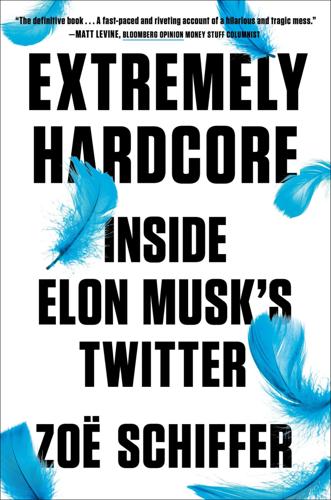
Extremely Hardcore: Inside Elon Musk's Twitter
by Zoë Schiffer · 13 Feb 2024 · 343pp · 92,693 words
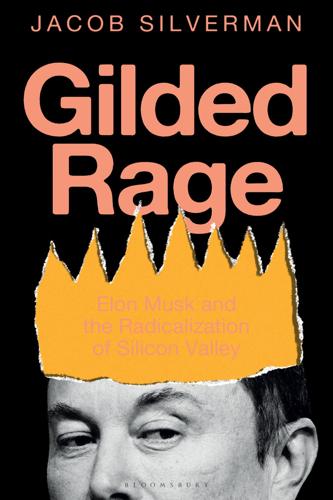
Gilded Rage: Elon Musk and the Radicalization of Silicon Valley
by Jacob Silverman · 9 Oct 2025 · 312pp · 103,645 words
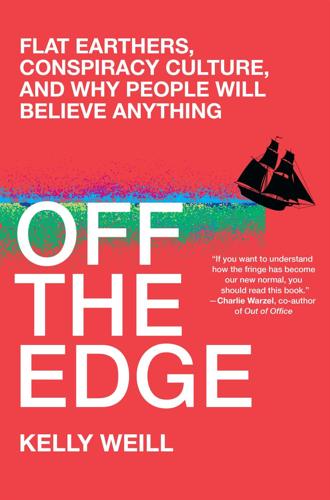
Off the Edge: Flat Earthers, Conspiracy Culture, and Why People Will Believe Anything
by Kelly Weill · 22 Feb 2022
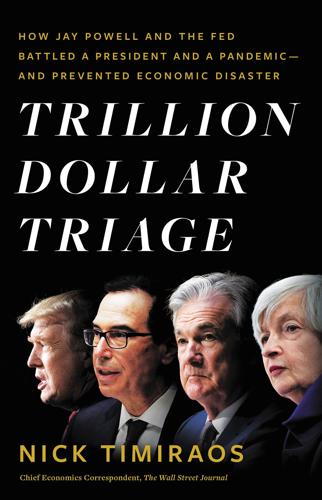
Trillion Dollar Triage: How Jay Powell and the Fed Battled a President and a Pandemic---And Prevented Economic Disaster
by Nick Timiraos · 1 Mar 2022 · 357pp · 107,984 words
Your Face Belongs to Us: A Secretive Startup's Quest to End Privacy as We Know It
by Kashmir Hill · 19 Sep 2023 · 487pp · 124,008 words
Merchants of the Right: Gun Sellers and the Crisis of American Democracy
by Jennifer Carlson · 2 May 2023 · 279pp · 100,877 words
Servants of the Damned: Giant Law Firms and the Corruption of Justice
by David Enrich · 5 Oct 2022 · 373pp · 108,788 words
System Error: Where Big Tech Went Wrong and How We Can Reboot
by Rob Reich, Mehran Sahami and Jeremy M. Weinstein · 6 Sep 2021
The Dying Citizen: How Progressive Elites, Tribalism, and Globalization Are Destroying the Idea of America
by Victor Davis Hanson · 15 Nov 2021 · 458pp · 132,912 words
Blank Space: A Cultural History of the Twenty-First Century
by W. David Marx · 18 Nov 2025 · 642pp · 142,332 words
Presidents of War
by Michael Beschloss · 8 Oct 2018
Spies, Lies, and Algorithms: The History and Future of American Intelligence
by Amy B. Zegart · 6 Nov 2021
An Ugly Truth: Inside Facebook's Battle for Domination
by Sheera Frenkel and Cecilia Kang · 12 Jul 2021 · 372pp · 100,947 words
Other Pandemic: How QAnon Contaminated the World
by James Ball · 19 Jul 2023 · 317pp · 87,048 words
Waging a Good War: A Military History of the Civil Rights Movement, 1954-1968
by Thomas E. Ricks · 3 Oct 2022 · 482pp · 150,822 words
American Gun: The True Story of the AR-15
by Cameron McWhirter and Zusha Elinson · 25 Sep 2023 · 525pp · 166,724 words
Aftershocks: Pandemic Politics and the End of the Old International Order
by Colin Kahl and Thomas Wright · 23 Aug 2021 · 652pp · 172,428 words
American Marxism
by Mark R. Levin · 12 Jul 2021 · 314pp · 88,524 words
Traffic: Genius, Rivalry, and Delusion in the Billion-Dollar Race to Go Viral
by Ben Smith · 2 May 2023
Sandy Hook: An American Tragedy and the Battle for Truth
by Elizabeth Williamson · 8 Mar 2022 · 574pp · 148,233 words
The Lords of Easy Money: How the Federal Reserve Broke the American Economy
by Christopher Leonard · 11 Jan 2022 · 416pp · 124,469 words
The Quiet Damage: QAnon and the Destruction of the American Family
by Jesselyn Cook · 22 Jul 2024 · 321pp · 95,778 words
Character Limit: How Elon Musk Destroyed Twitter
by Kate Conger and Ryan Mac · 17 Sep 2024
The Rise and Fall of the Neoliberal Order: America and the World in the Free Market Era
by Gary Gerstle · 14 Oct 2022 · 655pp · 156,367 words
The Future Is Analog: How to Create a More Human World
by David Sax · 15 Jan 2022 · 282pp · 93,783 words
Battle for the Bird: Jack Dorsey, Elon Musk, and the $44 Billion Fight for Twitter's Soul
by Kurt Wagner · 20 Feb 2024 · 332pp · 127,754 words
Chokepoints: American Power in the Age of Economic Warfare
by Edward Fishman · 25 Feb 2025 · 884pp · 221,861 words

Raising Lazarus: Hope, Justice, and the Future of America’s Overdose Crisis
by Beth Macy · 15 Aug 2022 · 389pp · 111,372 words
Shutdown: How COVID Shook the World's Economy
by Adam Tooze · 15 Nov 2021 · 561pp · 138,158 words
Rigged: How the Media, Big Tech, and the Democrats Seized Our Elections
by Mollie Hemingway · 11 Oct 2021 · 595pp · 143,394 words
Limitless: The Federal Reserve Takes on a New Age of Crisis
by Jeanna Smialek · 27 Feb 2023 · 601pp · 135,202 words
Waco Rising: David Koresh, the FBI, and the Birth of America's Modern Militias
by Kevin Cook · 30 Jan 2023 · 277pp · 86,352 words
Making It in America: The Almost Impossible Quest to Manufacture in the U.S.A. (And How It Got That Way)
by Rachel Slade · 9 Jan 2024 · 392pp · 106,044 words
The Stolen Year
by Anya Kamenetz · 23 Aug 2022 · 347pp · 103,518 words
Digital Empires: The Global Battle to Regulate Technology
by Anu Bradford · 25 Sep 2023 · 898pp · 236,779 words

El Paso: Five Families and One Hundred Years of Blood, Migration, Race, and Memory
by Jazmine Ulloa · 3 Mar 2026 · 395pp · 116,052 words
How to Stand Up to a Dictator
by Maria Ressa · 19 Oct 2022
Stories Are Weapons: Psychological Warfare and the American Mind
by Annalee Newitz · 3 Jun 2024 · 251pp · 68,713 words
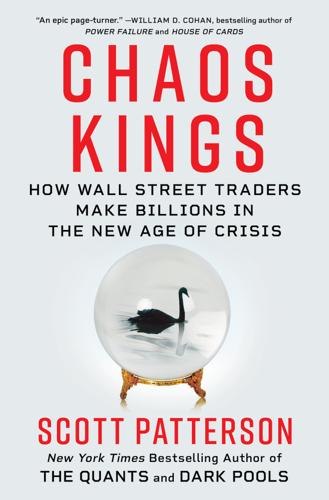
Chaos Kings: How Wall Street Traders Make Billions in the New Age of Crisis
by Scott Patterson · 5 Jun 2023 · 289pp · 95,046 words

Doppelganger: A Trip Into the Mirror World
by Naomi Klein · 11 Sep 2023
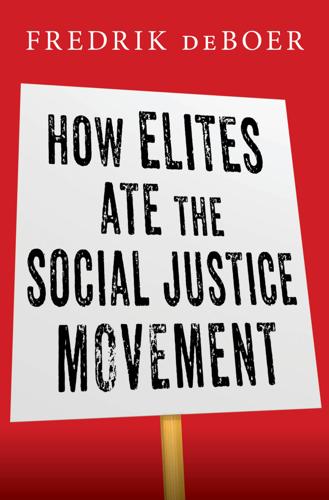
How Elites Ate the Social Justice Movement
by Fredrik Deboer · 4 Sep 2023 · 211pp · 78,547 words
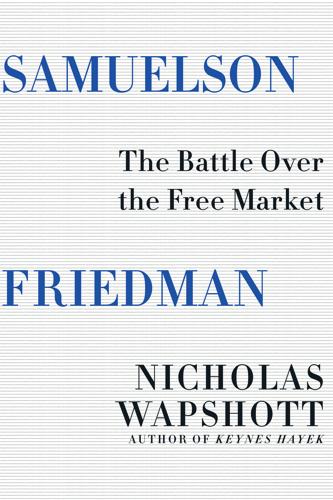
Samuelson Friedman: The Battle Over the Free Market
by Nicholas Wapshott · 2 Aug 2021 · 453pp · 122,586 words
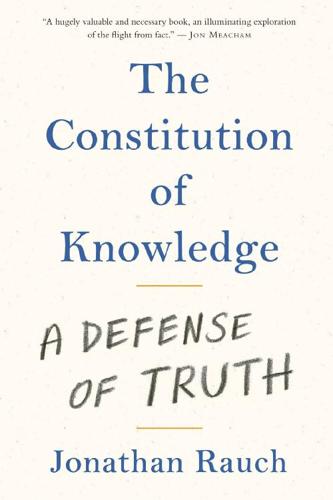
The Constitution of Knowledge: A Defense of Truth
by Jonathan Rauch · 21 Jun 2021 · 446pp · 109,157 words
Generations: The Real Differences Between Gen Z, Millennials, Gen X, Boomers, and Silents—and What They Mean for America's Future
by Jean M. Twenge · 25 Apr 2023 · 541pp · 173,676 words
The Quiet Coup: Neoliberalism and the Looting of America
by Mehrsa Baradaran · 7 May 2024 · 470pp · 158,007 words
The Ransomware Hunting Team: A Band of Misfits' Improbable Crusade to Save the World From Cybercrime
by Renee Dudley and Daniel Golden · 24 Oct 2022 · 392pp · 114,189 words
The Great Wave: The Era of Radical Disruption and the Rise of the Outsider
by Michiko Kakutani · 20 Feb 2024 · 262pp · 69,328 words
Summer of Our Discontent: The Age of Certainty and the Demise of Discourse
by Thomas Chatterton Williams · 4 Aug 2025 · 242pp · 76,315 words
Bad Company
by Megan Greenwell · 18 Apr 2025 · 385pp · 103,818 words
Palo Alto: A History of California, Capitalism, and the World
by Malcolm Harris · 14 Feb 2023 · 864pp · 272,918 words
Woke, Inc: Inside Corporate America's Social Justice Scam
by Vivek Ramaswamy · 16 Aug 2021 · 344pp · 104,522 words
Four Battlegrounds
by Paul Scharre · 18 Jan 2023
The Loop: How Technology Is Creating a World Without Choices and How to Fight Back
by Jacob Ward · 25 Jan 2022 · 292pp · 94,660 words
The Arsenal of Democracy: FDR, Detroit, and an Epic Quest to Arm an America at War
by A. J. Baime · 2 Jun 2014 · 502pp · 125,785 words

Tracers in the Dark: The Global Hunt for the Crime Lords of Cryptocurrency
by Andy Greenberg · 15 Nov 2022 · 494pp · 121,217 words

My Glorious Defeats: Hacktivist, Narcissist, Anonymous: A Memoir
by Barrett Brown · 8 Jul 2024 · 332pp · 110,397 words
The Wires of War: Technology and the Global Struggle for Power
by Jacob Helberg · 11 Oct 2021 · 521pp · 118,183 words
Bootstrapped: Liberating Ourselves From the American Dream
by Alissa Quart · 14 Mar 2023 · 304pp · 86,028 words
The Shame Machine: Who Profits in the New Age of Humiliation
by Cathy O'Neil · 15 Mar 2022 · 318pp · 73,713 words
MegaThreats: Ten Dangerous Trends That Imperil Our Future, and How to Survive Them
by Nouriel Roubini · 17 Oct 2022 · 328pp · 96,678 words
Imaginable: How to See the Future Coming and Feel Ready for Anything―Even Things That Seem Impossible Today
by Jane McGonigal · 22 Mar 2022 · 420pp · 135,569 words
Billionaire, Nerd, Savior, King: Bill Gates and His Quest to Shape Our World
by Anupreeta Das · 12 Aug 2024 · 315pp · 115,894 words
Pandora's Box: How Guts, Guile, and Greed Upended TV
by Peter Biskind · 6 Nov 2023 · 543pp · 143,084 words
Supremacy: AI, ChatGPT, and the Race That Will Change the World
by Parmy Olson · 284pp · 96,087 words
Facing Reality: Two Truths About Race in America
by Charles Murray · 14 Jun 2021 · 147pp · 42,682 words
100 Things We've Lost to the Internet
by Pamela Paul · 14 Oct 2021 · 194pp · 54,355 words

How to Talk to a Science Denier: Conversations With Flat Earthers, Climate Deniers, and Others Who Defy Reason
by Lee McIntyre · 14 Sep 2021 · 407pp · 108,030 words

Survival of the Friendliest: Understanding Our Origins and Rediscovering Our Common Humanity
by Brian Hare and Vanessa Woods · 13 Jul 2020
Seven Crashes: The Economic Crises That Shaped Globalization
by Harold James · 15 Jan 2023 · 469pp · 137,880 words
The Equality Machine: Harnessing Digital Technology for a Brighter, More Inclusive Future
by Orly Lobel · 17 Oct 2022 · 370pp · 112,809 words
Power and Progress: Our Thousand-Year Struggle Over Technology and Prosperity
by Daron Acemoglu and Simon Johnson · 15 May 2023 · 619pp · 177,548 words
The Identity Trap: A Story of Ideas and Power in Our Time
by Yascha Mounk · 26 Sep 2023
Cancelling Billionaires Before They Cancel Us: The Urgent Case for a Wealth Tax
by Linda McQuaig and Neil Brooks · 3 Mar 2026 · 291pp · 83,422 words
Behave: The Biology of Humans at Our Best and Worst
by Robert M. Sapolsky · 1 May 2017 · 1,261pp · 294,715 words
Rope: How a Bundle of Twisted Fibers Became the Backbone of Civilization
by Tim Queeney · 11 Aug 2025 · 264pp · 88,907 words