
The Revolutionary Center: The Lost Genius of Liberalism
by Adrian Wooldridge · 7 Apr 2026 · 342pp · 129,097 words
the small rules that make for civilized life. It may also go further (the evidence is still out) and reduce the level of serious crime. An inconvenient truth The most misguided liberal policy of recent decades is drug legalization, a policy that continues to claim adherents, and even gain some momentum, despite accumulating
Taming the Sun: Innovations to Harness Solar Energy and Power the Planet
by Varun Sivaram · 2 Mar 2018 · 469pp · 132,438 words
Valley’s model of disruptive innovation to upend the lumbering solar industry. It was an exhilarating time to be in solar. Al Gore’s documentary An Inconvenient Truth had captivated the country. Investors were juiced at the prospect of red-hot market growth, running up the stock market valuations of early solar companies
…
solar power, xvi, 45, 70 for new solar projects, 65 in power markets, 240 tax-based, 266–271 and U.S. solar industry, 35–36 An Inconvenient Truth (film), 27 India. See also specific locations electric power capacity mix in, 13–15, 14f funding for new solar projects in, 64, 65, 113–114
The War Below: Lithium, Copper, and the Global Battle to Power Our Lives
by Ernest Scheyder · 30 Jan 2024 · 355pp · 133,726 words
seen as the most likely way a mass-extinction event would take place. It would be more than thirty years before Al Gore’s film An Inconvenient Truth made the greenhouse effect a common talking point in American households. At the University of Texas at Austin, Calaway studied economics under Walt Rostow, who
Waiting for Superman: How We Can Save America's Failing Public Schools
by Participant Media and Karl Weber · 14 Jun 2010 · 257pp · 68,143 words
public schools haven’t improved markedly since the 1970s. Why? There is an answer. And it’s not what you think. Davis Guggenheim, director of An Inconvenient Truth, has now directed Waiting for “Superman,” a provocative and cogent examination of the crisis of public education in the United States told through multiple interlocking
…
very first time. In the decade that followed, Guggenheim went on to make films on a variety of topics, including the 2006 Oscar-winning hit An Inconvenient Truth, which started a worldwide conversation about climate change. But it was circumstances in his own family that inspired him to revisit the subject of education
…
this present system is that we’re not producing scientists and engineers fast enough to keep pace with the rest of the world.” As in An Inconvenient Truth, Guggenheim and Chilcott found that raw data, used in context, would help convey the depth of the crisis. After collecting and synthesizing reams of research
…
with clarity and emotion. For all its complexity, Waiting for “Superman” came together relatively quickly. Guggenheim and Participant Media had forged a strong relationship on An Inconvenient Truth, and it seemed natural to reteam for a film on a shared passion—illuminating the crisis in public education. The filmmakers wrote a treatment in
…
, NYPD Blue, and 24. He transitioned into directing nonfiction films with The First Year, which aired on PBS in 2001 and won a Peabody Award. An Inconvenient Truth, featuring former vice president Al Gore, was theatrically distributed by Paramount in 2006 and won an Academy Award for Best Documentary. It Might Get Loud
…
moviemaking that I’d gleaned from The First Year were percolating in the back of my mind. So when the opportunity arose to work on An Inconvenient Truth with former vice president Al Gore, I was ready for an artistic breakthrough which ultimately came from an unlikely place—two different discoveries I made
…
’re invested in the stories of people you’ve captured on film. The biggest mistake most documentaries make is to forget this simple truth. For An Inconvenient Truth, we had to figure out a new way of introducing that quality of personal narrative into a scientific slide show—and in the process, we
…
discovered an approach that ultimately shaped Waiting for “Superman.” The project that became An Inconvenient Truth originated when Laurie David and Lawrence Bender came to me and said, “We have this idea for a movie based on a slide show about
…
personal narrative the elements of a redemption story. Now in the end, the personal narrative about Al Gore ended up being only a third of An Inconvenient Truth, but I think it is what hooks you in. In fact, when people see the movie, they often react as if they are getting to
…
naysayers, none more convincing than the ones inside my own head. Truthfully, the final product emerged less from a thought-out design than from necessity. An Inconvenient Truth works because of the combination of disparate elements. We had Al’s slide show that was so compelling, while in the other scenes we went
…
’t possibly have conjured up. It’s interesting—many people who had been following the issue of global warming for years could have responded to An Inconvenient Truth with a big yawn, saying, “I’ve seen all this information before.” But they’d never seen it the way Al Gore presented it, and
…
what was inside his head. Three years later, I was celebrating having my new movie “greenlit” by Participant Media, the same company that had financed An Inconvenient Truth. Jim Berk, the new CEO of Participant, had been a public school principal. He was passionate about public education and was hoping I could create
…
uses that hybrid structure to take audiences to a really new place. So I decided to do something rather radical, following the accidental plan of An Inconvenient Truth. I decided to make two different movies, oppositional in nature, looking at the school system from two very different angles, and then combine them. I
…
think about where the two pictures will meet. I just want to make them work as separate movies.” This was based on my experience with An Inconvenient Truth. When editor Jay Cassidy and I cut together the slide show and the little movies about Al Gore, I would say things like, “Well, we
…
to connect to the issue, and maybe invest in the solution. From the beginning, I wanted to try to use humor in the movie. In An Inconvenient Truth, we had struggled with a kind of compassion fatigue. Audiences would grow exhausted trying to absorb all the data or feel overwhelmed with how heavy
…
possible. 3 The Road to Super Tuesday Lesley Chilcott Producer Lesley Chilcott has collaborated with director Davis Guggenheim on the 2006 Academy Award-winning documentary An Inconvenient Truth, the documentary feature It Might Get Loud (2009), the Barack Obama biographical film for the Democratic National Convention, A Mother’s Promise (2008), and Waiting
…
working. Yet director Davis Guggenheim and I weren’t sure if this could really be done. (Davis and I had formed a documentary company after An Inconvenient Truth, the first documentary I produced, which told two stories: former vice president Al Gore’s lifelong crusade against global warming, as well as a comprehensive
…
Waiting for “Superman,” I wasn’t sure of the best way to get a crash course in this complicated, multilayered subject. Previously, when I produced An Inconvenient Truth, I had a head start, having been worried about our impact as humans on the environment since third grade, when I’d sent away for
…
filmmaking skills to help him educate the masses about this issue. Thanks to the talents of a great team of professionals, the global success of An Inconvenient Truth was the gratifying result. But the issues surrounding the American public education system were another matter for me. Other than my brief stint at teaching
…
expectancy of High school graduation rates High Schools (documentary) Hill, Paul T. Holdren, John Hope HSA. See Harlem Success Academy Humor Iceland “Illumination by collision,” An Inconvenient Truth (documentary) and collision cuts and raw data, use of success of Information, user-friendly Innovation, and charter schools Input policies(table) Intensive Partnerships for Effective
…
Citizen teachers; Community volunteers Waiting for “Superman” (documentary) anthem awards and breaking-the-sound-barrier sequence families involved in and filmmaking techniques and hope and An Inconvenient Truth inspiration for and lotteries and raw data, use of and teachers’ unions Washington, Denzel Weingarten, Randi Weyerman, Diane White, Jack Wilson, Gahan Wilson, Nancy Work
…
ways to transform the impact of the media experience into individual and community action. Twenty-seven films later, from GOOD NIGHT, AND GOOD LUCK to AN INCONVENIENT TRUTH, and from FOOD, INC. to COUNTDOWN TO ZERO, and through thousands of social action activities, Participant continues to create entertainment that inspires and compels social

Break Through: Why We Can't Leave Saving the Planet to Environmentalists
by Michael Shellenberger and Ted Nordhaus · 10 Mar 2009 · 454pp · 107,163 words
about the need for bold action. In the summer of 2006, Al Gore wrote a best-selling book and starred in a widely seen movie, An Inconvenient Truth, that were compelling—and terrifying—presentations about global warming. In lieu of action by Congress, progress on climate has come from other quarters. California enacted
…
; they can be found in the most mainstream environmentalist discourses, from Rachel Carson’s Silent Spring to Jared Diamond’s Collapse to Al Gore’s An Inconvenient Truth. Environmentalists are constantly telling nostalgic narratives about how things were better in the past, when humans lived in greater balance with nature. These stories depict
…
—will smile and point to them with a local’s pride. 5 The Pollution Paradigm TOWARD THE BEGINNING of Al Gore’s 2006 documentary film An Inconvenient Truth, the former vice president shows the first photograph of Earth taken from outer space. “The image exploded into the consciousness of humankind,” Gore explains. “In
…
out of 21 issues for Republicans, 17th out of 21 issues for Democrats, and 19th out of 21 issues for independents.10 The goal of An Inconvenient Truth was to establish an overwhelming consensus for action based on dispassionate reasoning. “Today, as the CO2 crisis unites us,” Gore explained, “we must remember the
…
, will rise 55 percent, though some economists believe it will more than double unless we find cleaner energy sources.25 There is a scene in An Inconvenient Truth where Al Gore is greeted by cheering Chinese citizens and then seen conversing with energy experts as they huddle over a map of the nation
…
movie after was neither that global warming is occurring nor that it is human caused, but rather that it demands sacrifice.45 The day after An Inconvenient Truth won the Academy Award for the best documentary, Gore’s hometown paper, the Tennessean, tipped off by a conservative think tank, revealed that Gore’s
…
sacrifice often leads environmentalists to arrive at some very dark conclusions. When the moment came for Gore to describe the causes of global warming in An Inconvenient Truth, he blamed the “population explosion” and flashed a photograph of logging in the Brazilian Amazon. “This rapid population rise drives demand for food, water, and
…
’s 2004 One with Nineveh, James Kunstler’s 2005 The Long Emergency, James Lovelock’s 2006 The Revenge of Gaia, and Al Gore’s 2006 An Inconvenient Truth, to name just a few. For the most part, these environmentalist cautionary tales have had the opposite of their intended effect, provoking fatalism, conservatism, and
…
in This Irish Offshore Wind Complex. Nantucket Sound Could Be Next,” Cape Cod Times, November 6, 2005. [back] 5. The Pollution Paradigm 1. Al Gore, An Inconvenient Truth (Emmaus, PA: Rodale, 2006), 12. [back] 2. Ibid., 109. [back] 3. Internet Movie Database, www.imdb.com/title/tt0497116/taglines. [back] 4. “Be Worried. Be
…
, “Turned Off by Global Warming,” New York Times, May 20, 2006. [back] 6. Gore, Inconvenient, 286. [back] 7. Emphasis ours. From the film version of An Inconvenient Truth. Also quoted in David Neff, “Al Gore, Preacher Man,” Christianity Today, May 31, 2006. [back] 8. The Pew Center is funded by the same foundation
…
Yorker, September 12, 2005. Goldberg, Michelle. Kingdom Coming. New York: W. W. Norton, 2006. Gore, Al. Earth in the Balance. New York: Houghton Mifflin, 1992. ———. An Inconvenient Truth. Emmaus, PA: Rodale, 2006. Gottlieb, Robert. Forcing the Spring. Washington, DC: Island Press, 1993. Granovetter, Mark. “The Strength of Weak Ties.” American Journal of Sociology
The Unknowers: How Strategic Ignorance Rules the World
by Linsey McGoey · 14 Sep 2019
liability by arguing that they did not know their conduct was illegal,’ Newman said.14 But so far, there’s been little media discussion of an inconvenient truth, and that’s one of the ways that ‘ignorance of the law’ principles are already regularly waived in US courts, in ways that appear to
Peopleware: Productive Projects and Teams
by Tom Demarco and Timothy Lister · 2 Jan 1987 · 261pp · 16,734 words
to ignore their decreased effectiveness and the resultant turnover, but ignoring bad side effects is easy. What’s not so easy is keeping in mind an inconvenient truth like this one: People under time pressure don’t work better—they just work faster. In order to work faster, they may have to sacrifice
This Changes Everything: Capitalism vs. The Climate
by Naomi Klein · 15 Sep 2014 · 829pp · 229,566 words
a few times. In Rio in 1992. In Kyoto in 1997. In 2006 and 2007, when global concern rose yet again after the release of An Inconvenient Truth and with the awarding of the Nobel Peace Prize to Al Gore and the Intergovernmental Panel on Climate Change. In 2009, in the lead up
…
advance a plan to heal the planet that also heals our broken economies and our shattered communities, this is it. Al Gore called climate change “an inconvenient truth,” which he defined as an inescapable fact that we would prefer to ignore. Yet the truth about climate change is inconvenient only if we are
…
’s not clear who is more deluded. Shopping Our Way Out of It For a few years around the 2006 release of Al Gore’s An Inconvenient Truth, it seemed as if climate change was finally going to inspire the transformative movement of our era. Public belief in the problem was high, and
…
must have been exaggerating the scale of the problem. After all, if climate change really was as dire as Al Gore argued it was in An Inconvenient Truth, wouldn’t the environmental movement be asking the public to do more than switch brands of cleaning liquid, occasionally walk to work, and send money
…
of what he describes as his “Road to Damascus” conversion to the fight against climate change. It was 2006 and Al Gore, on tour with An Inconvenient Truth, came to the billionaire’s home to impress upon him the dangers of global warming, and to try to convince Branson to use Virgin Airlines
One Less Car: Bicycling and the Politics of Automobility
by Zack Furness and Zachary Mooradian Furness · 28 Mar 2010 · 532pp · 155,470 words
” (Geneva: World Health Organization, 2007), 3. Zerzan, Elements of Refusal, 10. Ernest istook, “Frittering away road Money,” Washington Times, September 30, 2007. See al Gore, An Inconvenient Truth: The Crisis of Global Warming, rev. ed. (new york: viking, 2007); Kenneth S. Deffeyes, Hubbert’s Peak: The Impending World Oil Shortage (princeton, nJ: princeton
…
’s Peak, 1st ed. (new york: Hill and Wang, 2005). Deffeyes, Hubbert’s Peak, 11. For a critique of al Gore’s film An Inconvenient Truth, see Zack Furness, “an inconvenient Truth,” Bad Subjects (2006), available at http://bad.eserver.org/reviews/2006/gore.html. For more on Firestone/Bridgestone, see the “Stop Firestone” campaign at
…
Epistemology 19, no. 4 (2005): 401–417. ———. “Blackout.” Bad Subjects 64 (2003). ———. “Critical Mass, Urban Space and vélomobility.” Mobilities 2, no. 2 (2007): 299–319. ———. “an inconvenient Truth.” Bad Subjects, 2006. available at http://bad.eserver.org/ reviews/2006/gore.html. ———. “Microcosm publishing.” Punk Planet (January–February 2005): 46–47. ———. “‘put the Fun
…
, Steven. “re: The Other Smart Growth.” Chainguard (Yahoo Group), May 24, 2002. available at http://sports.groups.yahoo.com/group/chainguard/message/12542. Gore, albert. An Inconvenient Truth: The Crisis of Global Warming. rev. ed. new york: viking, 2007. Gorz, andré. “The Social ideology of the Motorcar.” Le Sauvage (September– October 1973). available
The Signal and the Noise: Why So Many Predictions Fail-But Some Don't
by Nate Silver · 31 Aug 2012 · 829pp · 186,976 words
, the scientists have as much doubt about the models as many of their critics.43 However, cinematographic representations of climate change, like Al Gore’s An Inconvenient Truth, have sometimes been less cautious, portraying a polar bear clinging to life in the Arctic, or South Florida and Lower Manhattan flooding over.44 Films
…
it is concerned with the objective world. What makes forecasts fail is when our concern only extends as far as the method, maxim, or model. An Inconvenient Truth About the Temperature Record But if Armstrong’s critique is so off the mark, what should we make of his proposed bet with Gore? It
…
have a great deal of confidence about and which they see as more speculative. 44. Ronarld Bailey, “An Inconvenient Truth: Gore as Climate Exaggerator,” Reason.com, June 16, 2006. http://reason.com/archives/2006/06/16/an-inconvenient-truth. 45. Leslie Kaufman, “Among Weathercasters, Doubt on Warming,” New York Times, March 29, 2010. http://www.nytimes
Apocalypse Never: Why Environmental Alarmism Hurts Us All
by Michael Shellenberger · 28 Jun 2020

Curbing Traffic: The Human Case for Fewer Cars in Our Lives
by Chris Bruntlett and Melissa Bruntlett · 28 Jun 2021 · 225pp · 70,590 words
Windfall: The Booming Business of Global Warming
by Mckenzie Funk · 22 Jan 2014 · 337pp · 101,281 words
Don't Even Think About It: Why Our Brains Are Wired to Ignore Climate Change
by George Marshall · 18 Aug 2014 · 298pp · 85,386 words
The Content Trap: A Strategist's Guide to Digital Change
by Bharat Anand · 17 Oct 2016 · 554pp · 149,489 words
How PowerPoint Makes You Stupid
by Franck Frommer · 6 Oct 2010 · 255pp · 68,829 words
Gusher of Lies: The Dangerous Delusions of Energy Independence
by Robert Bryce · 16 Mar 2011 · 415pp · 103,231 words
The Code: Silicon Valley and the Remaking of America
by Margaret O'Mara · 8 Jul 2019
California Burning: The Fall of Pacific Gas and Electric--And What It Means for America's Power Grid
by Katherine Blunt · 29 Aug 2022 · 470pp · 107,074 words
Adapt: Why Success Always Starts With Failure
by Tim Harford · 1 Jun 2011 · 459pp · 103,153 words
Whole Earth Discipline: An Ecopragmatist Manifesto
by Stewart Brand · 15 Mar 2009 · 422pp · 113,525 words
May Contain Lies: How Stories, Statistics, and Studies Exploit Our Biases—And What We Can Do About It
by Alex Edmans · 13 May 2024 · 315pp · 87,035 words
SuperFreakonomics
by Steven D. Levitt and Stephen J. Dubner · 19 Oct 2009 · 302pp · 83,116 words
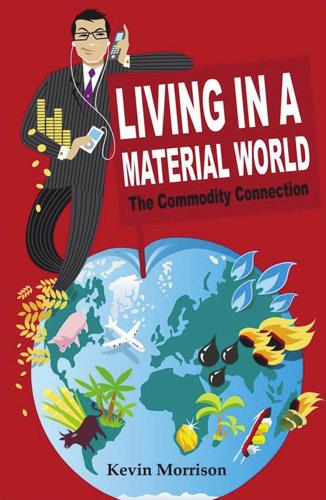
Living in a Material World: The Commodity Connection
by Kevin Morrison · 15 Jul 2008 · 311pp · 17,232 words

Minimal: How to Simplify Your Life and Live Sustainably
by Madeleine Olivia · 9 Jan 2020 · 306pp · 71,100 words
The Global Auction: The Broken Promises of Education, Jobs, and Incomes
by Phillip Brown, Hugh Lauder and David Ashton · 3 Nov 2010 · 209pp · 80,086 words
The Great Race: The Global Quest for the Car of the Future
by Levi Tillemann · 20 Jan 2015 · 431pp · 107,868 words
The Upside of Irrationality: The Unexpected Benefits of Defying Logic at Work and at Home
by Dan Ariely · 31 May 2010 · 324pp · 93,175 words
Don't Burn This Book: Thinking for Yourself in an Age of Unreason
by Dave Rubin · 27 Apr 2020 · 239pp · 62,005 words
The Quest: Energy, Security, and the Remaking of the Modern World
by Daniel Yergin · 14 May 2011 · 1,373pp · 300,577 words

Homemade Kids: Thrifty, Creative and Eco-Friendly Ways to Raise Your Child
by Nicola Baird · 14 Sep 2010
The Economics of Enough: How to Run the Economy as if the Future Matters
by Diane Coyle · 21 Feb 2011 · 523pp · 111,615 words
Car Guys vs. Bean Counters: The Battle for the Soul of American Business
by Bob Lutz · 31 May 2011 · 249pp · 73,731 words
Philanthrocapitalism
by Matthew Bishop, Michael Green and Bill Clinton · 29 Sep 2008 · 401pp · 115,959 words
Investing to Save the Planet: How Your Money Can Make a Difference
by Alice Ross · 19 Nov 2020 · 197pp · 53,831 words
The Irrational Bundle
by Dan Ariely · 3 Apr 2013 · 898pp · 266,274 words
Power Hungry: The Myths of "Green" Energy and the Real Fuels of the Future
by Robert Bryce · 26 Apr 2011 · 520pp · 129,887 words
How Markets Fail: The Logic of Economic Calamities
by John Cassidy · 10 Nov 2009 · 545pp · 137,789 words
Hot: Living Through the Next Fifty Years on Earth
by Mark Hertsgaard · 15 Jan 2011 · 326pp · 48,727 words
Fool Me Twice: Fighting the Assault on Science in America
by Shawn Lawrence Otto · 10 Oct 2011 · 692pp · 127,032 words
Falter: Has the Human Game Begun to Play Itself Out?
by Bill McKibben · 15 Apr 2019
Class Warfare: Inside the Fight to Fix America's Schools
by Steven Brill · 15 Aug 2011 · 559pp · 161,035 words
Your Computer Is on Fire
by Thomas S. Mullaney, Benjamin Peters, Mar Hicks and Kavita Philip · 9 Mar 2021 · 661pp · 156,009 words

Aerotropolis
by John D. Kasarda and Greg Lindsay · 2 Jan 2009 · 603pp · 182,781 words
The Moral Case for Fossil Fuels
by Alex Epstein · 13 Nov 2014 · 257pp · 67,152 words
Nomad Century: How Climate Migration Will Reshape Our World
by Gaia Vince · 22 Aug 2022 · 302pp · 92,206 words
Still Broke: Walmart's Remarkable Transformation and the Limits of Socially Conscious Capitalism
by Rick Wartzman · 15 Nov 2022 · 215pp · 69,370 words
Like, Comment, Subscribe: Inside YouTube's Chaotic Rise to World Domination
by Mark Bergen · 5 Sep 2022 · 642pp · 141,888 words

Six Degrees: Our Future on a Hotter Planet
by Mark Lynas · 1 Apr 2008 · 364pp · 101,193 words
Moby-Duck: The True Story of 28,800 Bath Toys Lost at Sea and of the Beachcombers, Oceanographers, Environmentalists, and Fools, Including the Author, Who Went in Search of Them
by Donovan Hohn · 1 Jan 2010 · 473pp · 154,182 words
Private Empire: ExxonMobil and American Power
by Steve Coll · 30 Apr 2012 · 944pp · 243,883 words
The Oil Kings: How the U.S., Iran, and Saudi Arabia Changed the Balance of Power in the Middle East
by Andrew Scott Cooper · 8 Aug 2011
WEconomy: You Can Find Meaning, Make a Living, and Change the World
by Craig Kielburger, Holly Branson, Marc Kielburger, Sir Richard Branson and Sheryl Sandberg · 7 Mar 2018 · 335pp · 96,002 words
Road to Nowhere: What Silicon Valley Gets Wrong About the Future of Transportation
by Paris Marx · 4 Jul 2022 · 295pp · 81,861 words
Urban Transport Without the Hot Air, Volume 1
by Steve Melia · 351pp · 91,133 words
The Evolution of Everything: How New Ideas Emerge
by Matt Ridley · 395pp · 116,675 words

Unleashed
by Anne Morriss and Frances Frei · 1 Jun 2020 · 394pp · 57,287 words
Green Philosophy: How to Think Seriously About the Planet
by Roger Scruton · 30 Apr 2014 · 426pp · 118,913 words
Writing on the Wall: Social Media - the First 2,000 Years
by Tom Standage · 14 Oct 2013 · 290pp · 94,968 words
When China Rules the World: The End of the Western World and the Rise of the Middle Kingdom
by Martin Jacques · 12 Nov 2009 · 859pp · 204,092 words
The Irrational Economist: Making Decisions in a Dangerous World
by Erwann Michel-Kerjan and Paul Slovic · 5 Jan 2010 · 411pp · 108,119 words
Too Big to Know: Rethinking Knowledge Now That the Facts Aren't the Facts, Experts Are Everywhere, and the Smartest Person in the Room Is the Room
by David Weinberger · 14 Jul 2011 · 369pp · 80,355 words

The Barbell Prescription: Strength Training for Life After 40
by Jonathon Sullivan and Andy Baker · 2 Dec 2016 · 742pp · 166,595 words
Business Lessons From a Radical Industrialist
by Ray C. Anderson · 28 Mar 2011 · 412pp · 113,782 words
Dark Money: The Hidden History of the Billionaires Behind the Rise of the Radical Right
by Jane Mayer · 19 Jan 2016 · 558pp · 168,179 words
Growth: A Reckoning
by Daniel Susskind · 16 Apr 2024 · 358pp · 109,930 words
Enlightenment Now: The Case for Reason, Science, Humanism, and Progress
by Steven Pinker · 13 Feb 2018 · 1,034pp · 241,773 words
Peak Everything: Waking Up to the Century of Declines
by Richard Heinberg and James Howard (frw) Kunstler · 1 Sep 2007 · 235pp · 65,885 words
Behind the cloud: the untold story of how Salesforce.com went from idea to billion-dollar company--and revolutionized an industry
by Marc Benioff and Carlye Adler · 19 Nov 2009 · 307pp · 17,123 words
Generations: The Real Differences Between Gen Z, Millennials, Gen X, Boomers, and Silents—and What They Mean for America's Future
by Jean M. Twenge · 25 Apr 2023 · 541pp · 173,676 words
The Powerful and the Damned: Private Diaries in Turbulent Times
by Lionel Barber · 5 Nov 2020
Hope Dies Last: Visionary People Across the World, Fighting to Find Us a Future
by Alan Weisman · 21 Apr 2025 · 599pp · 149,014 words
Dream Hoarders: How the American Upper Middle Class Is Leaving Everyone Else in the Dust, Why That Is a Problem, and What to Do About It
by Richard V. Reeves · 22 May 2017 · 198pp · 52,089 words

Beautiful security
by Andy Oram and John Viega · 15 Dec 2009 · 302pp · 82,233 words
The Third Industrial Revolution: How Lateral Power Is Transforming Energy, the Economy, and the World
by Jeremy Rifkin · 27 Sep 2011 · 443pp · 112,800 words
Slide:ology: the art and science of creating great presentations
by Nancy Duarte · 15 Nov 2008 · 297pp · 35,674 words

Please Don't Sit on My Bed in Your Outside Clothes: Essays
by Phoebe Robinson · 14 Oct 2021 · 265pp · 93,354 words
Fun Inc.
by Tom Chatfield · 13 Dec 2011 · 266pp · 67,272 words

The Big Sort: Why the Clustering of Like-Minded America Is Tearing Us Apart
by Bill Bishop and Robert G. Cushing · 6 May 2008 · 484pp · 131,168 words
Playing With FIRE (Financial Independence Retire Early): How Far Would You Go for Financial Freedom?
by Scott Rieckens and Mr. Money Mustache · 1 Jan 2019
On Bicycles: A 200-Year History of Cycling in New York City
by Evan Friss · 6 May 2019 · 314pp · 85,637 words
When McKinsey Comes to Town: The Hidden Influence of the World's Most Powerful Consulting Firm
by Walt Bogdanich and Michael Forsythe · 3 Oct 2022 · 689pp · 134,457 words
The Elements of Power: A Story of War, Technology, and the Dirtiest Supply Chain on Earth
by Nicolas Niarchos · 20 Jan 2026 · 654pp · 170,150 words
Sapiens: A Brief History of Humankind
by Yuval Noah Harari · 1 Jan 2011 · 447pp · 141,811 words
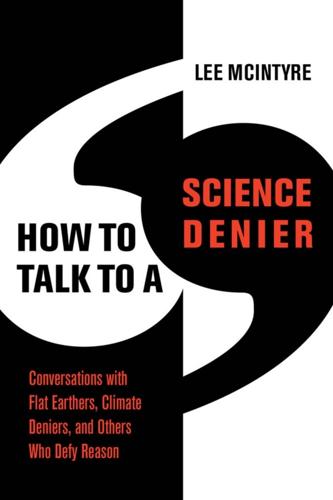
How to Talk to a Science Denier: Conversations With Flat Earthers, Climate Deniers, and Others Who Defy Reason
by Lee McIntyre · 14 Sep 2021 · 407pp · 108,030 words
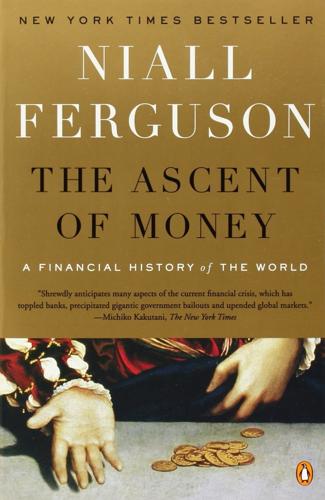
The Ascent of Money: A Financial History of the World
by Niall Ferguson · 13 Nov 2007 · 471pp · 124,585 words
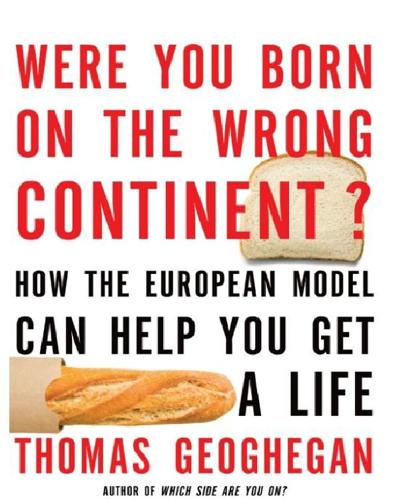
Were You Born on the Wrong Continent?
by Thomas Geoghegan · 20 Sep 2011 · 364pp · 104,697 words
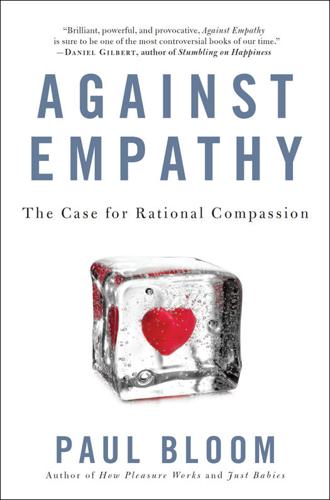
Against Empathy: The Case for Rational Compassion
by Paul Bloom · 281pp · 79,464 words
The Future of Capitalism: Facing the New Anxieties
by Paul Collier · 4 Dec 2018 · 310pp · 85,995 words
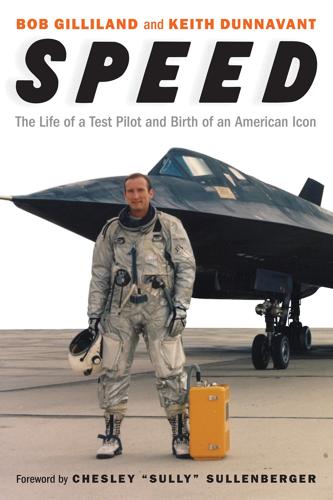
Speed
by Bob Gilliland and Keith Dunnavant · 319pp · 84,772 words
Good to Go: What the Athlete in All of Us Can Learn From the Strange Science of Recovery
by Christie Aschwanden · 5 Feb 2019 · 324pp · 92,535 words

The new village green: living light, living local, living large
by Stephen Morris · 1 Sep 2007 · 289pp · 112,697 words
Life Inc.: How the World Became a Corporation and How to Take It Back
by Douglas Rushkoff · 1 Jun 2009 · 422pp · 131,666 words
The Big Book of Words You Should Know: Over 3,000 Words Every Person Should Be Able to Use (And a Few That You Probably Shouldn't)
by David Olsen, Michelle Bevilacqua and Justin Cord Hayes · 28 Jan 2009 · 663pp · 119,916 words
Quiet: The Power of Introverts in a World That Can't Stop Talking
by Susan Cain · 24 Jan 2012 · 377pp · 115,122 words
The Burning Answer: The Solar Revolution: A Quest for Sustainable Power
by Keith Barnham · 7 May 2015 · 433pp · 124,454 words
No Rules Rules: Netflix and the Culture of Reinvention
by Reed Hastings and Erin Meyer · 7 Sep 2020 · 317pp · 89,825 words
The Harm in Asking: My Clumsy Encounters With the Human Race
by Sara Barron · 25 Mar 2014 · 295pp · 82,786 words

The War Came to Us: Life and Death in Ukraine
by Christopher Miller · 17 Jul 2023 · 469pp · 149,526 words
Homeland: The War on Terror in American Life
by Richard Beck · 2 Sep 2024 · 715pp · 212,449 words
Chokepoints: American Power in the Age of Economic Warfare
by Edward Fishman · 25 Feb 2025 · 884pp · 221,861 words
The Musical Human: A History of Life on Earth
by Michael Spitzer · 31 Mar 2021 · 632pp · 163,143 words
My Boring-Ass Life: The Uncomfortably Candid Diary of Kevin Smith
by Kevin Smith · 24 Sep 2007 · 728pp · 233,687 words
The Coke Machine: The Dirty Truth Behind the World's Favorite Soft Drink
by Michael Blanding · 14 Jun 2010 · 385pp · 133,839 words
Why Nothing Works: Who Killed Progress--And How to Bring It Back
by Marc J Dunkelman · 17 Feb 2025 · 454pp · 134,799 words
Tools of Titans: The Tactics, Routines, and Habits of Billionaires, Icons, and World-Class Performers
by Timothy Ferriss · 6 Dec 2016 · 669pp · 210,153 words
Do More Faster: TechStars Lessons to Accelerate Your Startup
by Brad Feld and David Cohen · 18 Oct 2010 · 326pp · 74,433 words
Never Let a Serious Crisis Go to Waste: How Neoliberalism Survived the Financial Meltdown
by Philip Mirowski · 24 Jun 2013 · 662pp · 180,546 words
The Cheapskate Next Door: The Surprising Secrets of Americans Living Happily Below Their Means
by Jeff Yeager · 8 Jun 2010 · 189pp · 64,571 words
The Raging 2020s: Companies, Countries, People - and the Fight for Our Future
by Alec Ross · 13 Sep 2021 · 363pp · 109,077 words

The 100 Best Vacations to Enrich Your Life
by Pam Grout · 14 May 2007 · 304pp · 87,702 words
Presentation Zen
by Garr Reynolds · 15 Jan 2012
Paper Knowledge: Toward a Media History of Documents
by Lisa Gitelman · 26 Mar 2014
The Big Short: Inside the Doomsday Machine
by Michael Lewis · 1 Nov 2009 · 265pp · 93,231 words
Googled: The End of the World as We Know It
by Ken Auletta · 1 Jan 2009 · 532pp · 139,706 words
Losing Earth: A Recent History
by Nathaniel Rich · 4 Aug 2018 · 148pp · 45,249 words
The Relentless Revolution: A History of Capitalism
by Joyce Appleby · 22 Dec 2009 · 540pp · 168,921 words
Billionaire, Nerd, Savior, King: Bill Gates and His Quest to Shape Our World
by Anupreeta Das · 12 Aug 2024 · 315pp · 115,894 words

The Demon in the Machine: How Hidden Webs of Information Are Finally Solving the Mystery of Life
by Paul Davies · 31 Jan 2019 · 253pp · 83,473 words
The Filter Bubble: What the Internet Is Hiding From You
by Eli Pariser · 11 May 2011 · 274pp · 75,846 words
America, You Sexy Bitch: A Love Letter to Freedom
by Meghan McCain and Michael Black · 31 May 2012 · 367pp · 117,340 words
Becoming Steve Jobs: The Evolution of a Reckless Upstart Into a Visionary Leader
by Brent Schlender and Rick Tetzeli · 24 Mar 2015 · 464pp · 155,696 words
Valley of Genius: The Uncensored History of Silicon Valley (As Told by the Hackers, Founders, and Freaks Who Made It Boom)
by Adam Fisher · 9 Jul 2018 · 611pp · 188,732 words

Ten Lessons for a Post-Pandemic World
by Fareed Zakaria · 5 Oct 2020 · 289pp · 86,165 words
The Key Man: The True Story of How the Global Elite Was Duped by a Capitalist Fairy Tale
by Simon Clark and Will Louch · 14 Jul 2021 · 403pp · 105,550 words
Power and Progress: Our Thousand-Year Struggle Over Technology and Prosperity
by Daron Acemoglu and Simon Johnson · 15 May 2023 · 619pp · 177,548 words
The Verdict: Did Labour Change Britain?
by Polly Toynbee and David Walker · 6 Oct 2011 · 471pp · 109,267 words
Oil: Money, Politics, and Power in the 21st Century
by Tom Bower · 1 Jan 2009 · 554pp · 168,114 words
Denialism: How Irrational Thinking Hinders Scientific Progress, Harms the Planet, and Threatens Our Lives
by Michael Specter · 14 Apr 2009 · 281pp · 79,958 words
Fortunes of Change: The Rise of the Liberal Rich and the Remaking of America
by David Callahan · 9 Aug 2010
The Rich and the Rest of Us
by Tavis Smiley · 15 Feb 2012 · 181pp · 50,196 words
The Vanishing Face of Gaia: A Final Warning
by James E. Lovelock · 1 Jan 2009 · 239pp · 68,598 words
The People vs. Democracy: Why Our Freedom Is in Danger and How to Save It
by Yascha Mounk · 15 Feb 2018 · 497pp · 123,778 words

The Marshall Plan: Dawn of the Cold War
by Benn Steil · 13 Feb 2018 · 913pp · 219,078 words
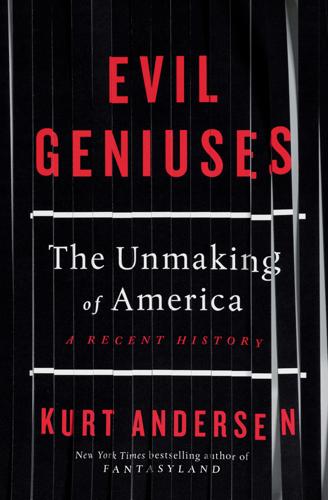
Evil Geniuses: The Unmaking of America: A Recent History
by Kurt Andersen · 14 Sep 2020 · 486pp · 150,849 words
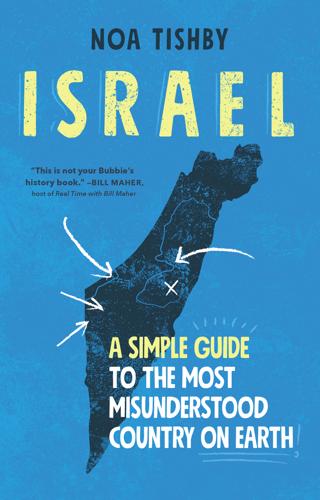
Israel: A Simple Guide to the Most Misunderstood Country on Earth
by Noa Tishby · 5 Apr 2021 · 338pp · 101,967 words
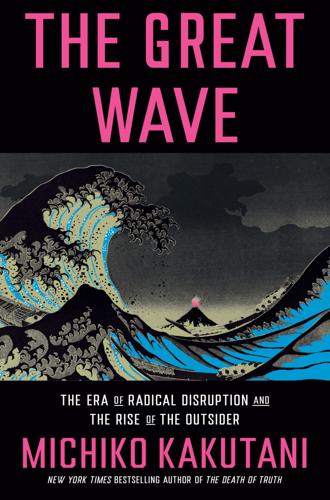
The Great Wave: The Era of Radical Disruption and the Rise of the Outsider
by Michiko Kakutani · 20 Feb 2024 · 262pp · 69,328 words

Hillbilly Elegy: A Memoir of a Family and Culture in Crisis
by J. D. Vance · 27 Jun 2016 · 223pp · 77,566 words
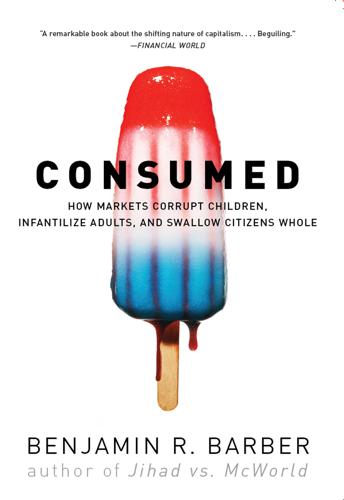
Consumed: How Markets Corrupt Children, Infantilize Adults, and Swallow Citizens Whole
by Benjamin R. Barber · 1 Jan 2007 · 498pp · 145,708 words
The Slow Fix: Solve Problems, Work Smarter, and Live Better in a World Addicted to Speed
by Carl Honore · 29 Jan 2013 · 266pp · 87,411 words
Woke, Inc: Inside Corporate America's Social Justice Scam
by Vivek Ramaswamy · 16 Aug 2021 · 344pp · 104,522 words
Collision Course: Carlos Ghosn and the Culture Wars That Upended an Auto Empire
by Hans Gremeil and William Sposato · 15 Dec 2021 · 404pp · 126,447 words
The Authoritarians
by Robert Altemeyer · 2 Jan 2007 · 298pp · 87,023 words

To Save Everything, Click Here: The Folly of Technological Solutionism
by Evgeny Morozov · 15 Nov 2013 · 606pp · 157,120 words

The Wine-Dark Sea Within: A Turbulent History of Blood
by Dhun Sethna · 6 Jun 2022 · 325pp · 101,669 words