Chelsea Manning
description: American activist and whistleblower (born 1987)
82 results

Blank Space: A Cultural History of the Twenty-First Century
by W. David Marx · 18 Nov 2025 · 642pp · 142,332 words
classified documents about US actions in Afghanistan and Iraq. In 2010, it made global headlines by publishing top-secret war documents provided by intelligence analyst Chelsea Manning. This leak, and Manning’s subsequent imprisonment, cemented Assange’s status as the face of “hacktivism”—a controversial new frontier in the fight for transparency
The WikiLeaks Files: The World According to US Empire
by Wikileaks · 24 Aug 2015 · 708pp · 176,708 words
on November 28, 2010, as part of a cache of classified diplomatic cables allegedly leaked by a former private in the US army, Bradley (now Chelsea) Manning. They were leaked alongside the disclosures about Tunisia that led to Ben Ali’s downfall. The WikiLeaks cables had a complex series of effects inside
…
it held.26 This charge of “terrorism” was not merely lazy or overexcited: there was real power behind it. The 2013 prosecution of Chelsea—then Bradley—Manning, the soldier who had leaked the cables to the website, depended upon the claim that she had “aided the enemy”—a charge that is close
…
of revelations through WikiLeaks by capturing one of the people accused of leaking the original cables from the State Department, US army private Bradley (now Chelsea) Manning, and torturing him. A State Department spokesperson who criticized this practice was forced to resign. Yet it appears that none of those responsible for the
…
reported, “no soldier or official involved in the Iraq war has faced the level of vindictive punishment that US prosecutors have sought to impose on [Chelsea] Manning.”2 Journalist Glenn Greenwald has documented extensively how “elite immunity” works to protect the rich and powerful from prosecution in the US, including those responsible
…
.loc-gov. 9Subsequently reversed. Kevin Gosztola, “US National Archives Has Blocked Searches for ‘WikiLeaks,’” The Dissenter, November 3, 2012, at dissenter.firedoglake.com. 10Chelsea (formerly Bradley) Manning was detained without trial for 1,103 days, an infringement of her right to speedy justice. The United Nations special rapporteur for torture, Juan Méndez
…
, formally found that Manning had been treated in a manner that was cruel and inhuman, and that possibly amounted to torture. See Ed Pilkington, “Bradley Manning’s Treatment Was Cruel and Inhuman, UN Torture Chief Rules,” Guardian, March 12, 2012. The government charged Manning—accused of being a journalistic source for
…
of Military Justice, including parts of the Espionage Act, the combined maximum sentence for which was over one hundred years in prison. See Kim Zetter, “Bradley Manning Charged with 22 New Counts, Including Capital Offense,” Wired, February 3, 2011, at wired.com. Manning was prohibited by the court from making defense arguments
…
as to public interest, motive, or the lack of actual harm resulting from her alleged actions (see Ed Pilkington, “Bradley Manning Denied Chance to Make Whistleblower Defence,” Guardian, January 17, 2013), and she offered a limited guilty plea (see Alexa O’Brien, “Pfc. Manning’s Statement
…
Tom McCarthy, “Bradley Manning Tells Lawyer After Sentencing: ‘I’m Going to Be OK’—as it happened,” Guardian, August 21, 2013. At the time of publication, she is appealing her case to the United States Army Court of Criminal Appeals, and a hearing is expected in mid 2015. See “Chelsea Manning’s 35-Year
…
Prison Sentence Upheld by US Army General,” Guardian, April 14, 2014. 11Josh Gerstein, “Blocking WikiLeaks Emails Trips Up Bradley Manning Prosecution,” Politico, March 15, 2012, at www.politico.com. 12Simon DeDeo, Robert X. D
…
, “Jolt in WikiLeaks Case: Feds Found Manning-Assange Chat Logs on Laptop,” Wired, December 19, 2011. 28Ed Pilkington, “Bradley Manning Treated More Harshly than a Terrorist, Lawyer Argues,” Guardian, July 12, 2012; Ed Pilkington, “Bradley Manning’s Treatment Was Cruel and Inhuman, UN Torture Chief Rules,” Guardian, March 12, 2012. 29See Richard Jackson, Marie
…
to fight for the Taliban. Even though he possessed a weapon, he had never fired it (wikileaks.org/gitmo/pdf/af/us9af-000909dp.pdf). 73Pilkington, “Bradley Manning’s Treatment Was Cruel and Inhuman”; Ryan Creed, “Comments on Prisoner Treatment Cause State Department Spokesman to Lose His Job,” ABC News, March 13, 2011
…
Guantánamo Files: The Stories of the 774 Detainees in America’s Illegal Prison (London/Ann Arbor, MI: Pluto Press, 2007). 90Chase Madar, The Passion of Bradley Manning (New York/London: Verso, 2013), p. 132. 91“WikiLeaks Documents Reveal US Knowingly Imprisoned 150 Innocent Men at Guantánamo,” Democracy Now!, April 25, 2011, at
…
, Elders to Make Final Decision,” Reuters, October 13, 2013, at reuters.com. 2Josh Dougherty, “When Victimless Crimes Matter and Victims Don’t: The Trial of Bradley Manning,” Iraq Body Count, August 2, 2013, at iraqbodycount.org. 3Glen Greenwald, With Liberty and Justice for Some: How the Law Is Used to Destroy Equality
…
’s treatment of Julian Assange since 2010. She has been actively involved in campaigning to support WikiLeaks and defend the rights of Julian Assange and Chelsea Manning. Gareth Porter is an independent investigative journalist and historian who specializes in covering issues related to the US national security state. Since 2004, he has
Hacker, Hoaxer, Whistleblower, Spy: The Story of Anonymous
by Gabriella Coleman · 4 Nov 2014 · 457pp · 126,996 words
player in town: the whistleblowing sensation WikiLeaks. More specifically, interest coalesced around the recent trove of documents and footage a young army private (then) named Bradley Manning had leaked, which WikiLeaks had then laid at the feet of the world. Founded in 2006, the driving concept behind WikiLeaks had been simple: provide
…
. “Well, it’s their fault for bringing their kids to a battle,” he remarks nonchalantly. As we all now know, Bradley Manning (who has since changed names—and genders—to become Chelsea Manning) made the choice to leak the video, along with other vital documents, and a hacker named Adrian Lamo ratted him out
…
beginning. The Tiger Consumes Four Chickens a Day But let’s back up to the onset of revolution itself. Mohammed Bouazizi, WikiLeaks and Nawaat, and Chelsea Manning all deserve thanks for its inception. In 2010, living under the Ben Ali regime since 1989, scores of Tunisians were downtrodden, living in deplorable conditions
…
–esque blackmail proposal: Sabu: penny. we will not target hbgary.com. its done. what you can do is motivate your investment from hbgaryfederal over to bradley mannings defense fund. and distance yourselves from aaron barnetts’[sic] research Agamemnon: Penny… we are under fire in ways you do not understand. Not just the
…
: greg, in essence we want you to distance yourself and company from aaron BarrettBrown: Like I said, great time to donate to Tunisia evilworks: or Bradley manning evilworks: whichever Would his honest appeal work? With the reappearance of another lead, we are ushered into the play’s final act. ACT THREE CogAnon
…
how it skirted any question of the pressing political issues raised by Cablegate in favor of a sensationalist psychoanalyzing of the “dark” inner life of Chelsea Manning. LulzSec launched a two-pronged campaign. Once it hacked into PBS, it dumped the personal data of PBS staff and defaced its website, leaving a
…
industrial beast with technology.” For a period he answered “yes,” and he backed away. But with the emergence of WikiLeaks, and the leaks provided by Chelsea Manning in particular, he saw the potential of technology “to expose crime.” At his sentencing, he would pay tribute to Chelesea Manning: “She took an enormous
…
noted that “2600 has a history of condemning attacks, including when Anonymous ddosed mastercard and others for wikileaks.” Adrian Lamo, the hacker who snitched on Chelsea Manning, had at one point been active in the 2600 scene, with access to an account on 2600’s mail/shell server. According to some, Lamo
…
as “an act of loving egalitarian criminality,”1 they also used 30,000 of the credit cards to donate an estimated $700,000 to “the Bradley Manning Support Organization, the EFF, the ACLU, CARE, American Red Cross, Amnesty International, Greenpeace, some commies, some prisoners, various occupations, and many more unnamed homies.”2Let
…
and activists working with politicians, lawyers, journalists, and artists. Many emerged from the geeky quarters of the Internet. There is Julian Assange, WikiLeaks, Birgitta Jónsdóttir, Chelsea Manning, the Electronic Frontier Foundation, Sarah Harrison, the Tor Developers, Anonymous, Alec Empire, Risup, Edward Snowden, and many more. The last two years have been singular
…
journalist. He has also said that he is a minister for the Universal Life Church. See Luis Martinez, “Bradley Manning Accuser Adrian Lamo Takes the Stand,” Dec. 20, 2011, abcnews.go.com. 5. Ed Pilkington, “Bradley Manning’s treatment was cruel and inhuman, UN torture chief rules,” theguardian.com, March 12, 2012. 6. Raffi
Spies, Lies, and Algorithms: The History and Future of American Intelligence
by Amy B. Zegart · 6 Nov 2021
That information was classified94 even though the CIA’s drone program had already been widely covered in the press.95 In early 2010, Army PFC Chelsea Manning illegally downloaded hundreds of thousands of classified documents about the wars in Iraq and Afghanistan onto a fake Lady Gaga CD while lip syncing to
…
out six thousand documents and hand them to the Russians, one small garbage bag at a time. By contrast, in 2010, Army Private First Class Chelsea Manning downloaded the contents of 250,000 classified State Department cables on a fake Lady Gaga CD while lip syncing to the song “Telephone.” Former National
…
/07/09/world/09breach.html (accessed March 26, 2020); Matthew Shaer, “The Long, Lonely Road of Chelsea Manning,” New York Times, June 12, 2017, https://www.nytimes.com/2017/06/12/magazine/the-long-lonely-road-of-chelsea-manning.html?searchResultPosition=3 (accessed August 20, 2020). 97. Stephanie Gaskell, “How badly did Manning hurt
…
the United States,” Defense One, August 22, 2013, https://www.defenseone.com/ideas/2013/08/how-badly-did-manning-hurt-united-states/69218/. 98. Julie Tate, “Bradley Manning Sentenced to 35 Years
…
in WikiLeaks Case,” Washington Post, August 21, 2013, https://www.washingtonpost.com/world/national-security/judge-to-sentence-bradley-manning-today/2013/08/20/85bee184-09d0-11e3-b87c-476db8ac34cd_story.html (accessed August 20, 2020); Reuters, “Leaked U.S. Video Shows Deaths of Reuters’ Iraqi
Surveillance Valley: The Rise of the Military-Digital Complex
by Yasha Levine · 6 Feb 2018 · 474pp · 130,575 words
been better. Late that summer WikiLeaks caused an international sensation by publishing a huge cache of classified government documents stolen and leaked by Chelsea (née Bradley) Manning, a young US Army private who was stationed in Iraq. First came the war logs from Afghanistan, showing how the United States had systematically underreported
…
every type of consumer computer system. Sure, encryption apps might work against low-level opponents when used by a trained army intelligence analyst like Pvt. Chelsea Manning, who had used Tor while stationed in Iraq to monitor forums used by Sunni insurgents without giving away his identity.151 They also might work
…
-of-crypto. 150. “Vault 7: CIA Hacking Tools Revealed,” WikiLeaks, March 7, 2017, https://wikileaks.org/ciav7p1/. 151. It later emerged during the trial of Chelsea Manning that the army private used Tor during his work in Iraq. “Tor is a system intended to provide anonymity online. The software routes internet traffic
…
previously installed on a computer to anonymously monitor the social media website of militia groups operating within central Iraq,” he said during trial. Micah Lee, “Bradley Manning’s Statement Shows that US Intelligence Analysts Are Trained in Using Tor,” Micah Lee’s Blog, March 12, 2013, https://micahflee.com/2013/03
…
/bradley-mannings-statement-shows-that-us-intelligence-analysts-are-trained-in-using-tor/. 152. In 2010, 70 percent of people polled by Gallup said they were against
Free Speech: Ten Principles for a Connected World
by Timothy Garton Ash · 23 May 2016 · 743pp · 201,651 words
and magazines—including Der Spiegel, Le Monde and The Hindu—of carefully redacted versions of secret US State Department communications leaked by Private Bradley (subsequently Chelsea) Manning via Julian Assange’s WikiLeaks, and then a selection of the NSA and GCHQ documents passed to them by Snowden. When he first met the
…
good journalism. A public interest was served by the publication in leading newspapers of carefully selected and redacted documents from among those that Bradley (subsequently Chelsea) Manning passed to WikiLeaks. To give just one instance, I will never forget the emotional impact of a routine military report from Afghanistan reproduced in the
…
://perma.cc/3VHS-H7UZ 78. see photograph and text in New York Times, ‘The War Logs’, 26 July 2010, A8 79. but see Matt Sledge, ‘Bradley Manning Sentencing Testimony Suggests WikiLeaks Not Responsible for Any Deaths’, Huffington Post, 8 March 2013, http://perma.cc/3SCZ-73DC 80. see Timothy Garton Ash, ‘WikiLeaks
The Snowden Files: The Inside Story of the World's Most Wanted Man
by Luke Harding · 7 Feb 2014 · 266pp · 80,018 words
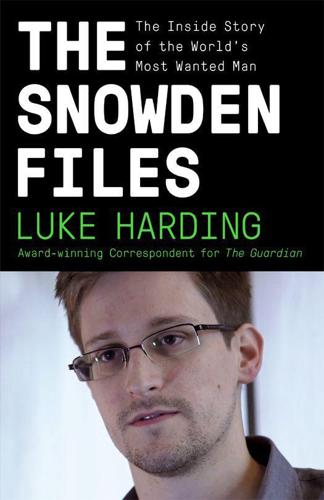
the most significant since the Pentagon Papers, eclipsing the 2010 release of US diplomatic cables and warlogs by a disaffected US army private, Chelsea (formerly Bradley) Manning. It would lift the lid on mass surveillance, not just of millions of Americans but the entire world. But it was a big if. A
…
, published by the Guardian in London in 2010, were of US diplomatic cables and war-logs from Afghanistan and Iraq leaked by the US private Chelsea Manning. A few – just 6 per cent – were classified at the relatively modest level of ‘secret’. The Snowden files were in a different league. They were
…
all along had been that after the first few stories, he would make himself known. This didn’t mean, however, that Snowden wished to emulate Chelsea Manning, whose arrest in 2010 and harsh jail treatment he had followed closely. Snowden said: ‘Manning was a classic whistleblower. He was inspired by the public
…
another anti-US whistleblower in trouble, apparently just like him. In 2010, Assange had leaked the thousands of classified documents obtained from the US private Chelsea Manning. Their publication, in collaboration with the Guardian and other newspapers, had caused a global furore. Manning was jailed and a grand jury reportedly investigated Assange
…
: ‘The Obama administration has now adopted the strategy of using citizenship as a weapon … In the end [it] is not afraid of whistleblowers like me, Bradley Manning or Thomas Drake. We are stateless, imprisoned, or powerless. No, the Obama administration is afraid of you. It is afraid of an informed, angry public
…
the then US ambassador John Beyrle wrote a frank cable to the US State Department, one of several thousand written from Russia and leaked by Chelsea Manning. It read: ‘Harassing activity against all embassy personnel has spiked in the past several months to a level not seen in many years. Embassy staff
Bottoms Up and the Devil Laughs
by Kerry Howley · 21 Mar 2023
reason for risking their lives, and whether this was catalyst or rationalization would remain mysterious perhaps even to them. Edward Snowden signed up in 2005, Chelsea Manning in 2009, Reality Winner in 2010. In any story, there is a last moment in which the protagonist might have walked away, unbothered by consequence
…
gave a twenty-one-year-old soldier raw war footage from which she was supposed to write reports for the higher-ups. All day long Chelsea Manning watched acts of war take place on a screen and tried to process them. She had access to all sorts of footage taken from above
…
thrown up on top of a basketball court. She sat at the free throw line, and in all the accounts I have ever read of Chelsea Manning spilling America’s most shameful secrets, I have never seen it noted that it was here where it would occur to her to blow the
…
prove hard for her. Reality was intellectual but she had not been raised in an intellectually sophisticated household. In this she resembles Edward Snowden and Chelsea Manning and Jesselyn Radack and Daniel Hale. An intellectual orphan comes to knowledge absent the social pressure to conform to a particular set of ideas. Reality
…
beyond a reasonable doubt.” Now there were emails to subpoena, texts to call up. They had the receipts. * * * — In the SCIF on the basketball court Chelsea Manning opened a CD labeled lady gaga and downloaded hundreds of thousands of documents. She downloaded the video in which men with cameras were taken to
…
back, and made his case, and faced the music. He could come back and make that case here on the show!” This was in 2014. Chelsea Manning was serving her sentence in a military prison in Kansas, during which she would not have the opportunity to appear on Real Time with Bill
…
to bring a woman officer, and so they had to call for one. It had already been hours; Reality waited some more. What happened to Chelsea Manning? she asked herself. She was disappeared to Quantico. Quantico was a seven-hour drive. Is that where they were going? Reality realized she didn’t
…
Manning, a friend to Assange, an antagonistic publication that refused to take the administration’s talking points. Reality turned to The Intercept for news of Chelsea Manning and the war in Yemen; she had once emailed the publication asking for a transcript of a podcast about climate change. She did not turn
…
: Public Affairs, 2011. Lyon, David. The Culture of Surveillance: Watching as a Way of Life. Hoboken: John Wiley & Sons, 2018. Mader, Chase. The Passion of Bradley Manning. New York: Verso Books, 2013. Mayer, Jane. The Dark Side: The Inside Story of How the War on Terror Turned into a War on American
Cult of the Dead Cow: How the Original Hacking Supergroup Might Just Save the World
by Joseph Menn · 3 Jun 2019 · 302pp · 85,877 words
wide variety of documents and seemed most focused on government wrongdoing. When it obtained tens of thousands of US State Department cables from then Private Bradley Manning (now Chelsea Manning) in 2010, it worked with media partners that sifted through for important stories while not printing information that could lead to the deaths of
No Place to Hide: Edward Snowden, the NSA, and the U.S. Surveillance State
by Glenn Greenwald · 12 May 2014 · 253pp · 75,772 words
belonged. I never found a single misplaced or misfiled document. I had spent years defending what I view as the heroic acts of Chelsea (then Bradley) Manning, the army private and whistle-blower who became so horrified at the behavior of the US government—its war crimes and other systematic deceit—that
…
story, conveyed his motives, and proclaimed that “Snowden will go down in history as one of America’s most consequential whistleblowers, alongside Daniel Ellsberg and Bradley Manning.” We quoted from Snowden’s early note to Laura and me: “I understand that I will be made to suffer for my actions … but I
…
two women in Sweden. Notably, the attacks on Assange were carried out by the same newspapers that had worked with him and had benefited from Chelsea Manning’s disclosures, which Assange and WikiLeaks had enabled. When the New York Times published what it called “The Iraq War Logs,” thousands of classified documents
…
the Times might want to take a look in the mirror if its editors wanted to understand why sources revealing major national security stories, like Chelsea Manning and Edward Snowden, did not feel safe or motivated to bring them their information. It is true that the New York Times published large troves
…
to follow in all of the work I do. Other courageous whistle-blowers who have endured persecution to bring vital truths to the world include Chelsea Manning, Jesselyn Radack, and Thomas Tamm, as well as former NSA officials Thomas Drake and Bill Binney. They played a critical role in inspiring Snowden as
Messing With the Enemy: Surviving in a Social Media World of Hackers, Terrorists, Russians, and Fake News
by Clint Watts · 28 May 2018 · 324pp · 96,491 words

My Glorious Defeats: Hacktivist, Narcissist, Anonymous: A Memoir
by Barrett Brown · 8 Jul 2024 · 332pp · 110,397 words
Snowden's Box: Trust in the Age of Surveillance
by Jessica Bruder and Dale Maharidge · 29 Mar 2020 · 159pp · 42,401 words
Because We Say So
by Noam Chomsky
The Targeter: My Life in the CIA, Hunting Terrorists and Challenging the White House
by Nada Bakos · 3 Jun 2019

Austerity Britain: 1945-51
by David Kynaston · 12 May 2008 · 870pp · 259,362 words
Merchants of Truth: The Business of News and the Fight for Facts
by Jill Abramson · 5 Feb 2019 · 788pp · 223,004 words
The Tyranny of Metrics
by Jerry Z. Muller · 23 Jan 2018 · 204pp · 53,261 words
All Day Long: A Portrait of Britain at Work
by Joanna Biggs · 8 Apr 2015 · 255pp · 92,719 words
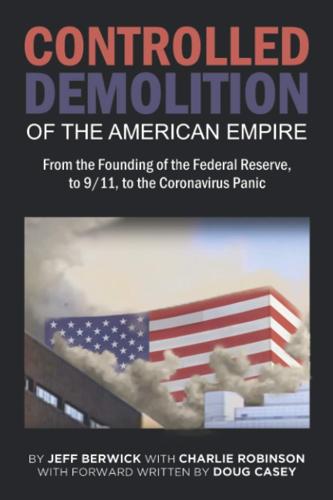
The Controlled Demolition of the American Empire
by Jeff Berwick and Charlie Robinson · 14 Apr 2020 · 491pp · 141,690 words
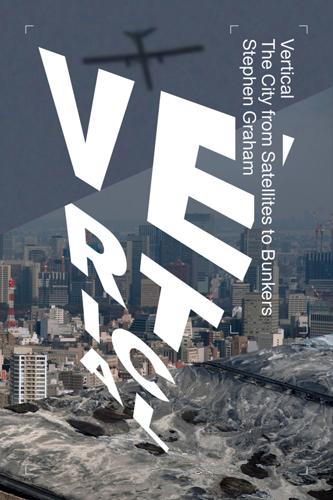
Vertical: The City From Satellites to Bunkers
by Stephen Graham · 8 Nov 2016 · 519pp · 136,708 words
Active Measures: The Secret History of Disinformation and Political Warfare
by Thomas Rid
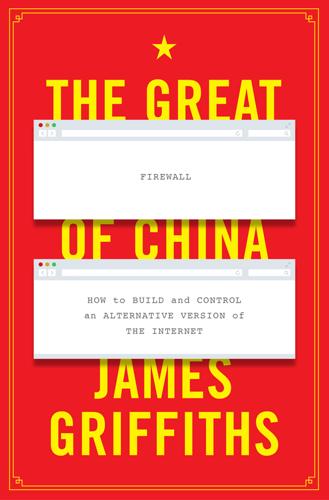
The Great Firewall of China
by James Griffiths; · 15 Jan 2018 · 453pp · 114,250 words

The Secret World: A History of Intelligence
by Christopher Andrew · 27 Jun 2018
Breaking News: The Remaking of Journalism and Why It Matters Now
by Alan Rusbridger · 14 Oct 2018 · 579pp · 160,351 words
The Riders Come Out at Night: Brutality, Corruption, and Cover-Up in Oakland
by Ali Winston and Darwin Bondgraham · 10 Jan 2023 · 498pp · 184,761 words
Permanent Record
by Edward Snowden · 16 Sep 2019 · 324pp · 106,699 words
Pax Technica: How the Internet of Things May Set Us Free or Lock Us Up
by Philip N. Howard · 27 Apr 2015 · 322pp · 84,752 words
Lurking: How a Person Became a User
by Joanne McNeil · 25 Feb 2020 · 239pp · 80,319 words
Homeland: The War on Terror in American Life
by Richard Beck · 2 Sep 2024 · 715pp · 212,449 words
Data and Goliath: The Hidden Battles to Collect Your Data and Control Your World
by Bruce Schneier · 2 Mar 2015 · 598pp · 134,339 words
Giving the Devil His Due: Reflections of a Scientific Humanist
by Michael Shermer · 8 Apr 2020 · 677pp · 121,255 words
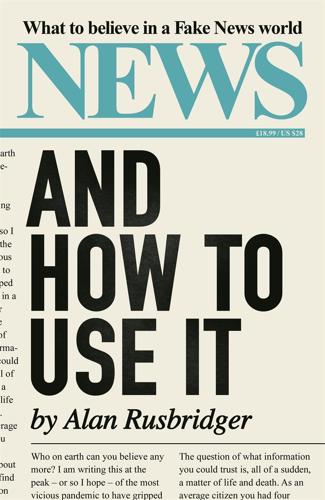
News and How to Use It: What to Believe in a Fake News World
by Alan Rusbridger · 26 Nov 2020 · 371pp · 109,320 words
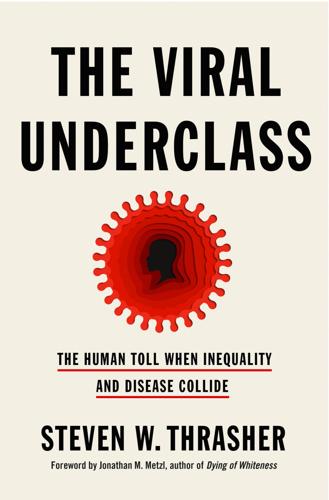
The Viral Underclass: The Human Toll When Inequality and Disease Collide
by Steven W. Thrasher · 1 Aug 2022 · 361pp · 110,233 words
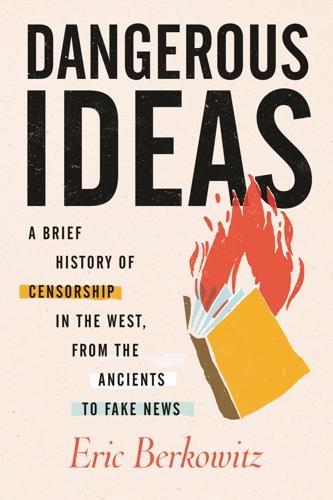
Dangerous Ideas: A Brief History of Censorship in the West, From the Ancients to Fake News
by Eric Berkowitz · 3 May 2021 · 412pp · 115,048 words
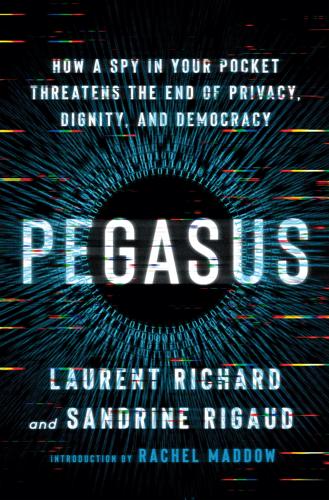
Pegasus: How a Spy in Your Pocket Threatens the End of Privacy, Dignity, and Democracy
by Laurent Richard and Sandrine Rigaud · 17 Jan 2023 · 350pp · 115,802 words
Coders: The Making of a New Tribe and the Remaking of the World
by Clive Thompson · 26 Mar 2019 · 499pp · 144,278 words
Open Standards and the Digital Age: History, Ideology, and Networks (Cambridge Studies in the Emergence of Global Enterprise)
by Andrew L. Russell · 27 Apr 2014 · 675pp · 141,667 words
Hiding in Plain Sight: The Invention of Donald Trump and the Erosion of America
by Sarah Kendzior · 6 Apr 2020
The Perfect Weapon: War, Sabotage, and Fear in the Cyber Age
by David E. Sanger · 18 Jun 2018 · 394pp · 117,982 words
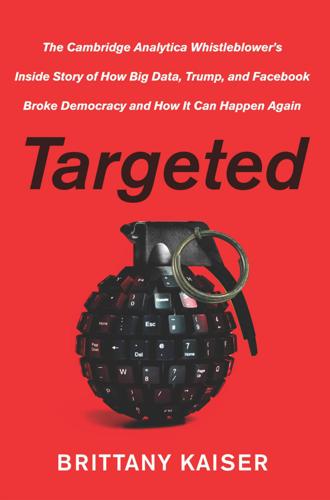
Targeted: The Cambridge Analytica Whistleblower's Inside Story of How Big Data, Trump, and Facebook Broke Democracy and How It Can Happen Again
by Brittany Kaiser · 21 Oct 2019 · 391pp · 123,597 words
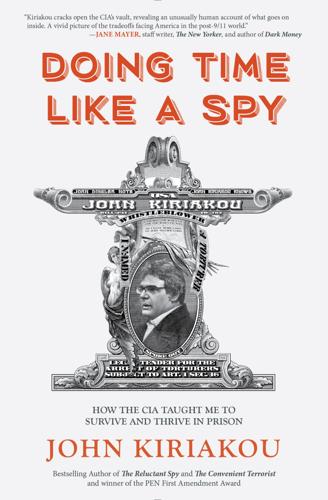
Doing Time Like a Spy
by John Kiriakou · 11 May 2017 · 299pp · 96,608 words
The Twittering Machine
by Richard Seymour · 20 Aug 2019 · 297pp · 83,651 words
This Is Not Normal: The Collapse of Liberal Britain
by William Davies · 28 Sep 2020 · 210pp · 65,833 words
The Black Box Society: The Secret Algorithms That Control Money and Information
by Frank Pasquale · 17 Nov 2014 · 320pp · 87,853 words
Hate Inc.: Why Today’s Media Makes Us Despise One Another
by Matt Taibbi · 7 Oct 2019 · 357pp · 99,456 words
The System: Who Owns the Internet, and How It Owns Us
by James Ball · 19 Aug 2020 · 268pp · 76,702 words
Disaster Capitalism: Making a Killing Out of Catastrophe
by Antony Loewenstein · 1 Sep 2015 · 464pp · 121,983 words
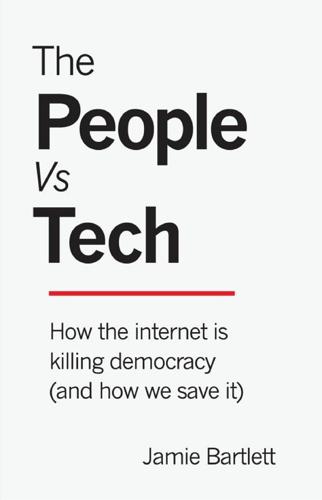
The People vs Tech: How the Internet Is Killing Democracy (And How We Save It)
by Jamie Bartlett · 4 Apr 2018 · 170pp · 49,193 words
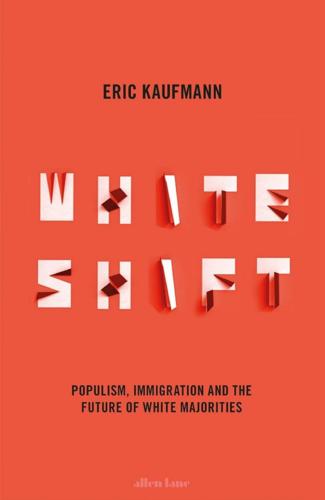
Whiteshift: Populism, Immigration and the Future of White Majorities
by Eric Kaufmann · 24 Oct 2018 · 691pp · 203,236 words

Mindf*ck: Cambridge Analytica and the Plot to Break America
by Christopher Wylie · 8 Oct 2019
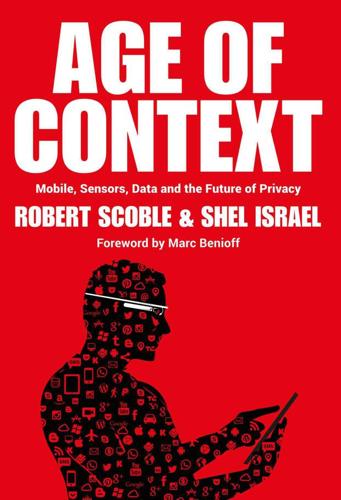
Age of Context: Mobile, Sensors, Data and the Future of Privacy
by Robert Scoble and Shel Israel · 4 Sep 2013 · 202pp · 59,883 words
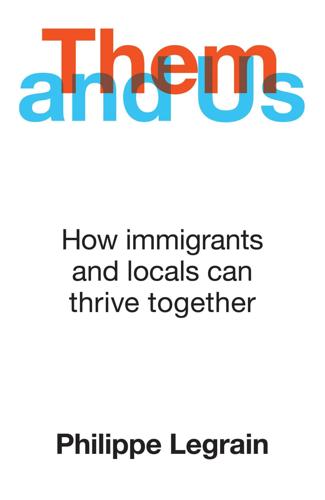
Them and Us: How Immigrants and Locals Can Thrive Together
by Philippe Legrain · 14 Oct 2020 · 521pp · 110,286 words
Data and the City
by Rob Kitchin,Tracey P. Lauriault,Gavin McArdle · 2 Aug 2017
The End of Secrecy: The Rise and Fall of WikiLeaks
by The "Guardian", David Leigh and Luke Harding · 1 Feb 2011 · 322pp · 99,066 words
This Machine Kills Secrets: Julian Assange, the Cypherpunks, and Their Fight to Empower Whistleblowers
by Andy Greenberg · 12 Sep 2012 · 461pp · 125,845 words
The Half-Life of Facts: Why Everything We Know Has an Expiration Date
by Samuel Arbesman · 31 Aug 2012 · 284pp · 79,265 words
Dragnet Nation: A Quest for Privacy, Security, and Freedom in a World of Relentless Surveillance
by Julia Angwin · 25 Feb 2014 · 422pp · 104,457 words
The End of Big: How the Internet Makes David the New Goliath
by Nicco Mele · 14 Apr 2013 · 270pp · 79,992 words
WikiLeaks and the Age of Transparency
by Micah L. Sifry · 19 Feb 2011 · 212pp · 49,544 words
Cybersecurity: What Everyone Needs to Know
by P. W. Singer and Allan Friedman · 3 Jan 2014 · 587pp · 117,894 words
We Are Anonymous: Inside the Hacker World of LulzSec, Anonymous, and the Global Cyber Insurgency
by Parmy Olson · 5 Jun 2012 · 478pp · 149,810 words
The Great Delusion: Liberal Dreams and International Realities
by John J. Mearsheimer · 24 Sep 2018 · 443pp · 125,510 words
Culture & Empire: Digital Revolution
by Pieter Hintjens · 11 Mar 2013 · 349pp · 114,038 words
Power Systems: Conversations on Global Democratic Uprisings and the New Challenges to U.S. Empire
by Noam Chomsky and David Barsamian · 1 Nov 2012
Barefoot Into Cyberspace: Adventures in Search of Techno-Utopia
by Becky Hogge, Damien Morris and Christopher Scally · 26 Jul 2011 · 171pp · 54,334 words
Consent of the Networked: The Worldwide Struggle for Internet Freedom
by Rebecca MacKinnon · 31 Jan 2012 · 390pp · 96,624 words
Future Crimes: Everything Is Connected, Everyone Is Vulnerable and What We Can Do About It
by Marc Goodman · 24 Feb 2015 · 677pp · 206,548 words
The Problem of Political Authority: An Examination of the Right to Coerce and the Duty to Obey
by Michael Huemer · 29 Oct 2012 · 577pp · 149,554 words
Liars and Outliers: How Security Holds Society Together
by Bruce Schneier · 14 Feb 2012 · 503pp · 131,064 words
Team of Teams: New Rules of Engagement for a Complex World
by General Stanley McChrystal, Tantum Collins, David Silverman and Chris Fussell · 11 May 2015 · 409pp · 105,551 words
The Fourth Revolution: The Global Race to Reinvent the State
by John Micklethwait and Adrian Wooldridge · 14 May 2014 · 372pp · 92,477 words
Bitcoin: The Future of Money?
by Dominic Frisby · 1 Nov 2014 · 233pp · 66,446 words
Come and Take It: The Gun Printer's Guide to Thinking Free
by Cody Wilson · 10 Oct 2016 · 246pp · 70,404 words
The New Digital Age: Transforming Nations, Businesses, and Our Lives
by Eric Schmidt and Jared Cohen · 22 Apr 2013 · 525pp · 116,295 words
Liberalism at Large: The World According to the Economist
by Alex Zevin · 12 Nov 2019 · 767pp · 208,933 words
The Way of the Gun: A Bloody Journey Into the World of Firearms
by Iain Overton · 15 Apr 2015 · 436pp · 125,809 words
Drone Warfare: Killing by Remote Control
by Medea Benjamin · 8 Apr 2013 · 188pp · 54,942 words
DarkMarket: Cyberthieves, Cybercops and You
by Misha Glenny · 3 Oct 2011 · 274pp · 85,557 words
Hacking Politics: How Geeks, Progressives, the Tea Party, Gamers, Anarchists and Suits Teamed Up to Defeat SOPA and Save the Internet
by David Moon, Patrick Ruffini, David Segal, Aaron Swartz, Lawrence Lessig, Cory Doctorow, Zoe Lofgren, Jamie Laurie, Ron Paul, Mike Masnick, Kim Dotcom, Tiffiniy Cheng, Alexis Ohanian, Nicole Powers and Josh Levy · 30 Apr 2013 · 452pp · 134,502 words
Vultures' Picnic: In Pursuit of Petroleum Pigs, Power Pirates, and High-Finance Carnivores
by Greg Palast · 14 Nov 2011 · 493pp · 132,290 words
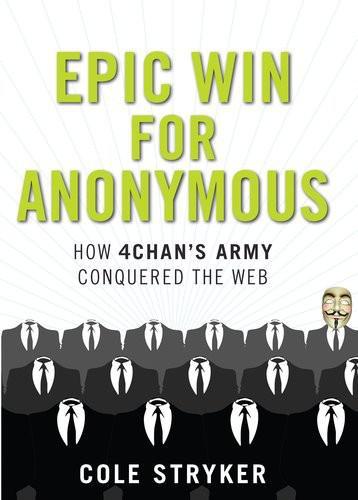
Epic Win for Anonymous: How 4chan's Army Conquered the Web
by Cole Stryker · 14 Jun 2011 · 226pp · 71,540 words