Globalists
by Quinn Slobodian · 16 Mar 2018 · 451pp · 142,662 words
to get this fuckin’ show back on the road.… We’ve got to rebrand!”54 The subsequent trade round, still not completed, was dubbed the “Doha Development Round” in what participants later conceded was a blatant act of public relations. The new brand was given another name when Pascal Lamy used the term
…
Arrived? A Report on Trade Liberalisation and Economic Recovery (London: Trade Policy Research Centre, 1984), 78. 138. Stuart Harbinson, “Lessons from the Launching of the Doha Round Negotiaations,” Cordell Hull Institute Trade Policy Roundtable, April 18, 2002, 7. See also the lecture series established in Tumlir’s honor by the European Centre
…
–9, 13, 20, 23–25, 105, 183, 198, 201, 264, 266; Appellate Body, 257, 274; directors-general, 241, 273, 276; Dispute Settlement Body, 257, 260; Doha Development Round, 276; drafters of, 256; protest at Seattle meeting, 275–280; transformation of GATT into, 223, 257 Yale University, 244 Yamey, Basil, 172, 221 Yergan, Max
The Globalization of Inequality
by François Bourguignon · 1 Aug 2012 · 221pp · 55,901 words
poor countries have only limited access to the manufactured goods markets of developed countries. For several years now, the “Doha negotiations,” first known as the “Doha Development Round,” which are organized by the World Trade Organization, have been attempting to improve this situation. However, these negotiations have become bogged down and have effectively
The Globalization Paradox: Democracy and the Future of the World Economy
by Dani Rodrik · 23 Dec 2010 · 356pp · 103,944 words
to international trade collapsed amid much acrimony and finger-pointing. These talks, organized under the auspices of the World Trade Organization (WTO) and dubbed the “Doha Round,” had been ongoing since 2001. For many anti-globalization groups, they had come to symbolize exploitation by multinational corporations of labor, poor farmers, and the
…
, the value of trade agreements and diminish the incentive to sign on to them. Consider what happens if we continue on our current path. The Doha Round of trade negotiations, with which the world’s trade officialdom remains preoccupied, focuses on reducing the remaining barriers at the borders, especially in agriculture. The
…
after another. Despite all the hoopla that accompanies these negotiations, it is safe to say that the prospective gains from a successful completion of the Doha Round are quite small—even paltrier than the one third of 1 percent of world income that a movement to full liberalization would entail. Of course
…
merit; indeed, there is little appetite for it after the disappointments of the last GATT trade round (the Uruguay Round)—and for understandable reasons. The Doha Round’s troubles are indicative of the impasse in which the trade regime finds itself. They exemplify the problems of the prevailing low-return, high-cost
…
. In fact, the gains would outstrip comfortably any other proposal currently on the table, including the entire package of trade measures being considered under the Doha Round of negotiations! Labor markets are the unexploited frontier of globalization. It may seem surprising to suggest that labor markets are not sufficiently globalized. The news
…
of world GDP, an effect that would be barely noticeable in practice. See Bouët, “The Expected Benefits from Trade Liberalization.” 14 The travails of the Doha Development Round are chronicled in Paul Blustein, Misadventures of the Most Favored Nations (New York: Public Affairs, 2009). 15 Robert Z. Lawrence, Regionalism, Multilateralism, and Deeper Integration
The Fair Trade Scandal: Marketing Poverty to Benefit the Rich
by Ndongo Sylla · 21 Jan 2014 · 193pp · 63,618 words
assessment of the model they promote. The need to study Fair Trade also arises from current affairs. As part of the ongoing multilateral negotiations – the Doha development round – the issue of trade preferences being given to the poorest countries is regularly debated, as are the effects of the obvious protectionism of rich countries
…
in the long term than an economic growth model based on agricultural exports. In fact, in the framework of the discussions as part of the Doha round of multilateral negotiations, the Fairtrade experience described here could be considered as a very small-scale example of the possible distributive effects of liberalising agricultural
…
countries, immigrants from the South would enjoy net gains of $265 billion per year. This is considerably higher than gain estimates as part of the Doha round of negotiations ($30 billion according to Rodrik). 29. Denmark, Luxembourg, the Netherlands, Norway and Sweden are the five countries that reached this target of 0
…
, 22, 38, 40, 41, 45, 56, 126, 140, 147; supermarkets, 21, 39, 40, 52–3, 77, 79, 106; Carrefour, 157 (n4); Leclerc, 55 Djibouti, 135 Doha development round, 5, 151, 162 (n28); see also World Trade Organization Doherty, Neil, 162(n23) Dominica, 91, 134 Dominican Republic, 134 Doussin, Jean-Pierre, 156(n9), 160
How to Run the World: Charting a Course to the Next Renaissance
by Parag Khanna · 11 Jan 2011 · 251pp · 76,868 words
’d see a lot less talk and a lot more action. Begin with the End in Mind. The most recent WTO negotiations, known as the Doha Development Round, carried on for seven years—then collapsed in 2008. Rather than focus on specific goals, the agenda was saddled (by the United States) with additional
The Great Divide: Unequal Societies and What We Can Do About Them
by Joseph E. Stiglitz · 15 Mar 2015 · 409pp · 125,611 words
alone those at the bottom. ______________ * New York Times, March 15, 2014. THE FREE-TRADE CHARADE* THOUGH NOTHING HAS COME OF THE WORLD TRADE Organization’s Doha Development Round of global trade negotiations since they were launched almost a dozen years ago, another round of talks is in the works. But this time the
…
; rather, two huge regional agreements—one transpacific, and the other transatlantic—are to be negotiated. Are the coming talks likely to be more successful? The Doha round was torpedoed by the United States’ refusal to eliminate agricultural subsidies—a sine qua non for any true development round, given that 70 percent of
The Divide: A Brief Guide to Global Inequality and Its Solutions
by Jason Hickel · 3 May 2017 · 332pp · 106,197 words
so immense that a second round of WTO negotiations was called to address some of the inequities that protestors had brought to light. But the Doha Development Round – as it came to be known – offered little more than window dressing. Western nations have continued to refuse to back down from their agricultural subsidies
A World in Disarray: American Foreign Policy and the Crisis of the Old Order
by Richard Haass · 10 Jan 2017 · 286pp · 82,970 words
II, 57, 65, 67 and South Asia, 184–85 and Syrian crisis, 171–72 and weapons of mass destruction, 132–33 See also United Nations Doha (Development) Round, 146–47 East China Sea dispute, 90, 181 economics, 9–11, 90, 248–49 and post–Cold War global cooperation, 145–49 post–World War
Age of Discovery: Navigating the Risks and Rewards of Our New Renaissance
by Ian Goldin and Chris Kutarna · 23 May 2016 · 437pp · 113,173 words
people stand together behind it. Consider for a moment what we—for lack of a stronger, broader sense of belonging—have failed to do. The Doha Development Round of global trade talks, meant to improve poor world access to rich-world markets, was stillborn in Seattle, then formally revived in Doha in 2001
The New Class War: Saving Democracy From the Metropolitan Elite
by Michael Lind · 20 Feb 2020
Trade (GATT) and, more recently, the World Trade Organization (WTO) effectively reduced most traditional tariff barriers. By 2016, when the WTO effectively terminated the failed Doha Development Round of global trade talks, the United States and other leading industrial nations had shifted the emphasis from removing barriers restricting the cross-border flow of
The Health Gap: The Challenge of an Unequal World
by Michael Marmot · 9 Sep 2015 · 414pp · 119,116 words
The End of the Free Market: Who Wins the War Between States and Corporations?
by Ian Bremmer · 12 May 2010 · 247pp · 68,918 words
The Brussels Effect: How the European Union Rules the World
by Anu Bradford · 14 Sep 2020 · 696pp · 184,001 words
The Glass Half-Empty: Debunking the Myth of Progress in the Twenty-First Century
by Rodrigo Aguilera · 10 Mar 2020 · 356pp · 106,161 words
Connectography: Mapping the Future of Global Civilization
by Parag Khanna · 18 Apr 2016 · 497pp · 144,283 words
Every Nation for Itself: Winners and Losers in a G-Zero World
by Ian Bremmer · 30 Apr 2012 · 234pp · 63,149 words
Unfinished Business
by Tamim Bayoumi · 405pp · 109,114 words
McMafia: A Journey Through the Global Criminal Underworld
by Misha Glenny · 7 Apr 2008 · 487pp · 147,891 words
A Game as Old as Empire: The Secret World of Economic Hit Men and the Web of Global Corruption
by Steven Hiatt; John Perkins · 1 Jan 2006 · 497pp · 123,718 words
The Plundered Planet: Why We Must--And How We Can--Manage Nature for Global Prosperity
by Paul Collier · 10 May 2010 · 288pp · 76,343 words
Naked Economics: Undressing the Dismal Science (Fully Revised and Updated)
by Charles Wheelan · 18 Apr 2010 · 386pp · 122,595 words
Global Financial Crisis
by Noah Berlatsky · 19 Feb 2010
The End of Alchemy: Money, Banking and the Future of the Global Economy
by Mervyn King · 3 Mar 2016 · 464pp · 139,088 words
The Relentless Revolution: A History of Capitalism
by Joyce Appleby · 22 Dec 2009 · 540pp · 168,921 words
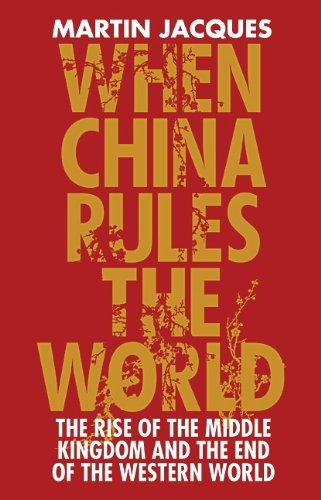
When China Rules the World: The End of the Western World and the Rise of the Middle Kingdom
by Martin Jacques · 12 Nov 2009 · 859pp · 204,092 words
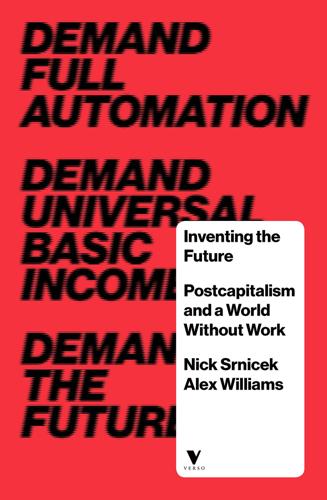
Inventing the Future: Postcapitalism and a World Without Work
by Nick Srnicek and Alex Williams · 1 Oct 2015 · 357pp · 95,986 words
The End of Loser Liberalism: Making Markets Progressive
by Dean Baker · 1 Jan 2011 · 172pp · 54,066 words
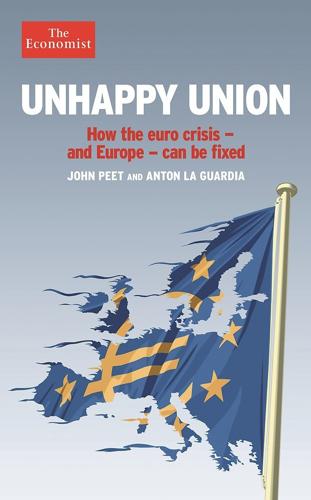
Unhappy Union: How the Euro Crisis - and Europe - Can Be Fixed
by John Peet, Anton La Guardia and The Economist · 15 Feb 2014 · 267pp · 74,296 words
Independent Diplomat: Dispatches From an Unaccountable Elite
by Carne Ross · 25 Apr 2007 · 212pp · 68,690 words
The Age of Turbulence: Adventures in a New World (Hardback) - Common
by Alan Greenspan · 14 Jun 2007
Brexit: What the Hell Happens Now?: The Facts About Britain's Bitter Divorce From Europe 2016
by Ian Dunt · 11 Apr 2017 · 158pp · 45,927 words
Making Globalization Work
by Joseph E. Stiglitz · 16 Sep 2006
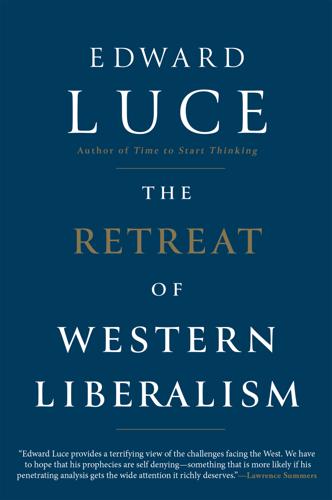
The Retreat of Western Liberalism
by Edward Luce · 20 Apr 2017 · 223pp · 58,732 words
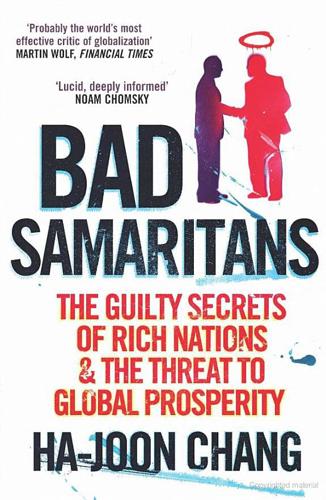
Bad Samaritans: The Guilty Secrets of Rich Nations and the Threat to Global Prosperity
by Ha-Joon Chang · 4 Jul 2007 · 347pp · 99,317 words
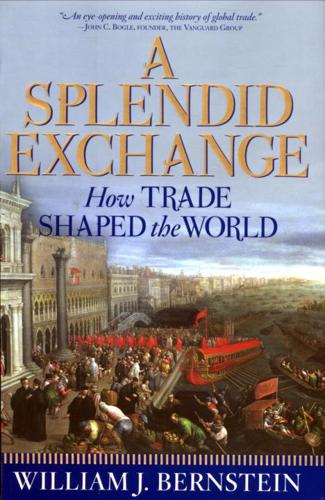
A Splendid Exchange: How Trade Shaped the World
by William J. Bernstein · 5 May 2009 · 565pp · 164,405 words
India's Long Road
by Vijay Joshi · 21 Feb 2017
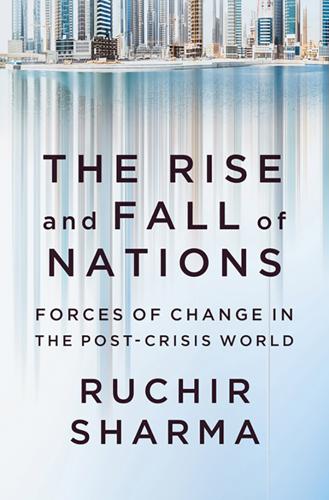
The Rise and Fall of Nations: Forces of Change in the Post-Crisis World
by Ruchir Sharma · 5 Jun 2016 · 566pp · 163,322 words
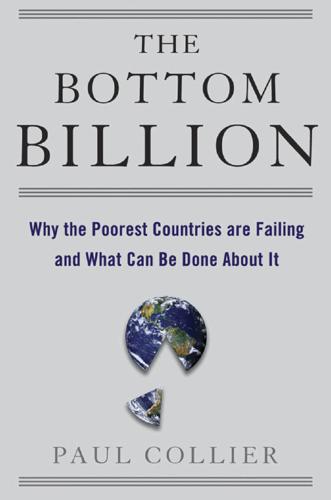
The Bottom Billion: Why the Poorest Countries Are Failing and What Can Be Done About It
by Paul Collier · 26 Apr 2007 · 222pp · 75,561 words
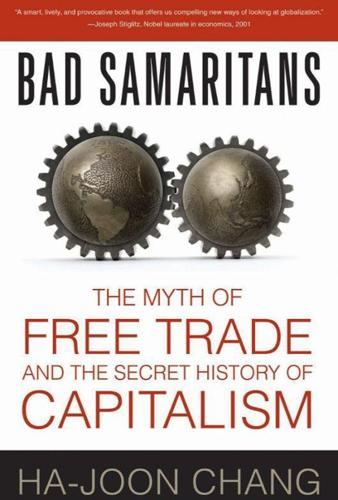
Bad Samaritans: The Myth of Free Trade and the Secret History of Capitalism
by Ha-Joon Chang · 26 Dec 2007 · 334pp · 98,950 words
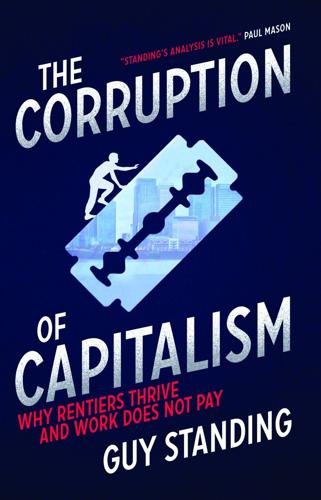
The Corruption of Capitalism: Why Rentiers Thrive and Work Does Not Pay
by Guy Standing · 13 Jul 2016 · 443pp · 98,113 words
Grave New World: The End of Globalization, the Return of History
by Stephen D. King · 22 May 2017 · 354pp · 92,470 words
Living in a Material World: The Commodity Connection
by Kevin Morrison · 15 Jul 2008 · 311pp · 17,232 words
Crashed: How a Decade of Financial Crises Changed the World
by Adam Tooze · 31 Jul 2018 · 1,066pp · 273,703 words
Zero-Sum Future: American Power in an Age of Anxiety
by Gideon Rachman · 1 Feb 2011 · 391pp · 102,301 words
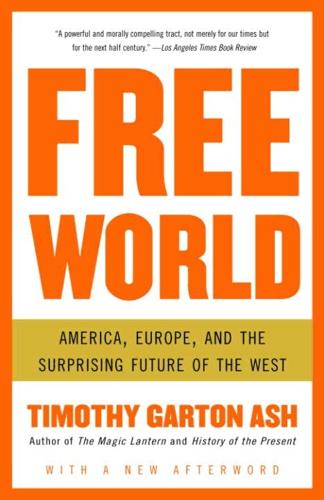
Free World: America, Europe, and the Surprising Future of the West
by Timothy Garton Ash · 30 Jun 2004 · 329pp · 102,469 words
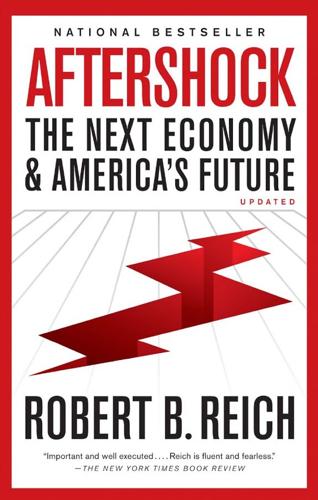
Aftershock: The Next Economy and America's Future
by Robert B. Reich · 21 Sep 2010 · 147pp · 45,890 words
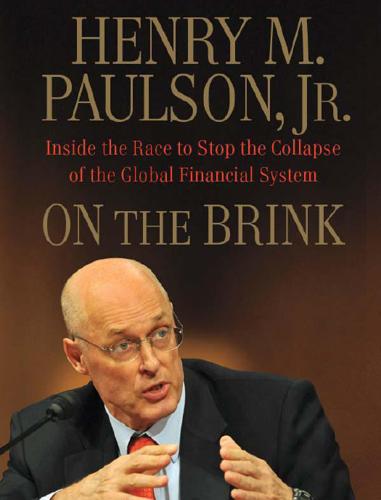
On the Brink: Inside the Race to Stop the Collapse of the Global Financial System
by Henry M. Paulson · 15 Sep 2010 · 468pp · 145,998 words
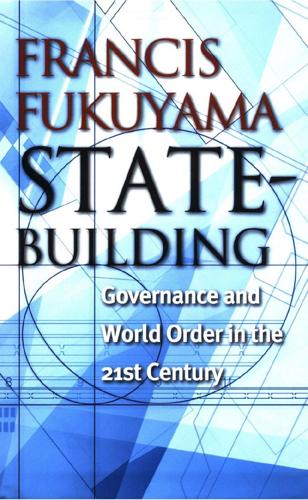
State-Building: Governance and World Order in the 21st Century
by Francis Fukuyama · 7 Apr 2004
The Great Surge: The Ascent of the Developing World
by Steven Radelet · 10 Nov 2015 · 437pp · 115,594 words
Bad Money: Reckless Finance, Failed Politics, and the Global Crisis of American Capitalism
by Kevin Phillips · 31 Mar 2008 · 422pp · 113,830 words
Superclass: The Global Power Elite and the World They Are Making
by David Rothkopf · 18 Mar 2008 · 535pp · 158,863 words
It's Our Turn to Eat
by Michela Wrong · 9 Apr 2009 · 403pp · 125,659 words
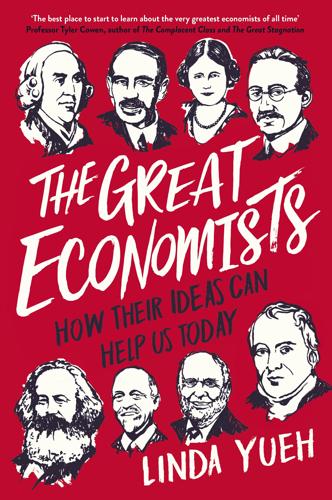
The Great Economists: How Their Ideas Can Help Us Today
by Linda Yueh · 15 Mar 2018 · 374pp · 113,126 words
Brexit, No Exit: Why in the End Britain Won't Leave Europe
by Denis MacShane · 14 Jul 2017 · 308pp · 99,298 words
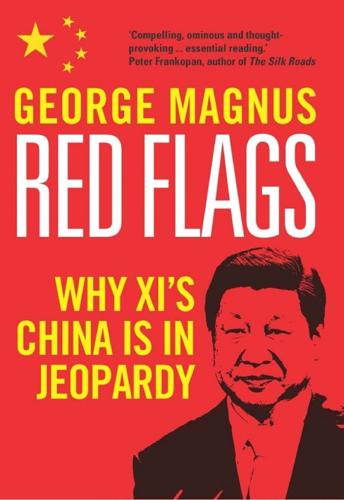
Red Flags: Why Xi's China Is in Jeopardy
by George Magnus · 10 Sep 2018 · 371pp · 98,534 words
The European Union
by John Pinder and Simon Usherwood · 1 Jan 2001 · 193pp · 48,066 words

Super Continent: The Logic of Eurasian Integration
by Kent E. Calder · 28 Apr 2019
What Would the Great Economists Do?: How Twelve Brilliant Minds Would Solve Today's Biggest Problems
by Linda Yueh · 4 Jun 2018 · 453pp · 117,893 words