Genentech

back to index

description: biotech company

119 results

Genentech: The Beginnings of Biotech
by Sally Smith Hughes

The latter was particularly urgent for a firm reportedly teetering on the brink of bankruptcy.7 The draw for Kabi was not recombinant DNA technology per se, but rather its potential for making a scarce hormone in greater, purer, and ultimately more profitable abundance. That December of 1977, Genentech and Kabi signed a letter of intent, outlining the terms of a possible contractual agreement and setting out avenues for terminating the relationship if Genentech failed to meet specified research benchmarks.8 On August 1, 1978, the two companies concluded a formal long-term research and development agreement for the use of Genentech’s technology in engineering bacteria to produce human growth hormone.9 The Genentech-Kabi contract predates the Genentech-Lilly contract by more than three weeks. It is therefore not only Genentech’s first R&D agreement but the first anywhere between an established corporation and a genetic engineering firm.

People thought I was a little paranoid about it.”60 He and Kiley managed to negotiate a contractual condition limiting Lilly’s use of Genentech’s engineered bacteria to the manufacture of recombinant insulin alone. The technology itself would remain Genentech’s property, or so they expected. As it turned out, the contract, and that clause in particular, became a basis for prolonged litigation. In 1990 the courts awarded Genentech over $150 million in a decision determining that Lilly had violated the 1978 contract by using a component of Genentech’s insulin technology in making its own human growth hormone product.61 The contract stipulated that Genentech was to develop and provide to Lilly bacteria producing human insulin of a specified quantity and purity.

An inside joke was that sales revenues might cover the cost of the firm’s toilet paper. His mind made up, Swanson approached Kabi about amending the contract. In 1980 he succeeded in licensing from Kabi exclusive rights for Genentech to sell recombinant growth hormone in the United States. In return, Genentech reduced the royalty rate Kabi was to pay Genentech on foreign sales.49 With the American market now Genentech’s exclusive purview, the pressure was once again on the scientists. Crea’s lab, up and running at Genentech by the end of 1978, filled unending requests from the other groups for synthetic DNA sequences and probes; the molecular biologists labored to increase growth hormone yields; and the first protein chemists to arrive at the firm strove to improve hormone purity to the high standard required for clinical trials.

pages: 615 words: 168,775

Troublemakers: Silicon Valley's Coming of Age
by Leslie Berlin
Published 7 Nov 2017

Kleiner & Perkins, Summary of Venture Investments (1), EKF. 58. Perkins, quoted on p. 17 of an undated manuscript, “The High Rollers,” with handwritten notes from Kleiner, EKF. 59. At its founding Genentech acquired interest in the Boyer and Swanson partnership valued at $24,000 (48,000 shares of stock). Genentech Inc., A Development Stage Company, Financial Statements for Year Ended December 31, 1977. Courtesy Genentech. 60. Boyer, ROHO interview. 61. Genentech, December 1976 Business Plan, quoted in Hughes, Genentech: 47. 62. Swanson, ROHO interview. 63. Swanson to Stanford University, University of California, April 19, 1976, SSH. There is no mention of receipt of a letter in the Office of Technology Licensing files until June 1976, and the letter itself is not included. 64.

Headlines proclaimed, “ ‘Astonishing’ Report on Gene Research,” “Gene-Splicing Field Is Swiftly Approaching the Commercial Stage,” and “The Bold Entrepreneurs of Gene Engineering.”1 A few large companies that could imagine using genetic engineering in their products had even invested in several young biotech companies.X Perkins believed that Genentech had everything it needed to go public: profits, a product, big-name customers, and public approval. Moreover, he warned Swanson and Boyer, if another, less conservatively managed company went public first, it could dim Genentech’s prospects later. Genentech needed to move quickly to define for the public what it meant to be a biotech company. Swanson disagreed. He thought that Genentech was not ready. Profits were tiny—only slightly more than $100,000 on roughly $3 million in revenues—and came not from selling products to patients or hospitals but from supplier agreements with the big pharmaceutical companies.

(In footnote) Information about large companies acquiring stakes in biotech firms: Marcella Rosene, “Why Corporations Back Entrepreneurs,” Venture, May 1980. 2. In 1999, Genentech paid an additional $200 million to the university, both parties agreeing that “this settlement is not an admission that Genentech infringed UC’s patent or used the genetic material in question.” http://www.gene.com/media/press-releases/4887/1999-11-19/university-of-california-and-genentech-s. 3. Bob Swanson, ROHO interview. 4. Fred Middleton, ROHO interview. 5. Brook Byers, interview by author, Oct. 8, 2015. 6. “Kleiner & Perkins, Venture Capital, and the Chairmanship of Genentech, 1976–1995,” oral history of Thomas J. Perkins, ROHO interview.

pages: 232 words: 72,483

Immortality, Inc.
by Chip Walter
Published 7 Jan 2020

Truthfully, Maris hadn’t thought he had a chance in hell of getting to Arthur D. Levinson, chair of Apple Inc., and CEO and chair of Genentech, the world’s first biotechnology company. Blake Byers, a Google Ventures colleague and biomedical engineer, had told Maris that if anyone could build a company that could cure aging, Levinson was the guy. Byers knew this because his father, Brook, was one of the original founders of Kleiner, Perkins, Caufield, and Byers (KPCB), arguably Silicon Valley’s most powerful venture capital firm. KPCB had been an early investor in Apple, Google, Amazon, and Genentech. Genentech not only went on to revolutionize medicine and the pharmaceutical industry; it also became one of the inspirations for Michael Crichton’s best-selling novel Jurassic Park.

By 2008, heart disease had been halved, strokes decreased by two-thirds, and new drugs joined with increasingly ingenious treatments and early cancer detection to reduce the disease 21 percent over the previous 13 years.4 At Genentech, in the 1980s and ’90s, Herb Boyer, Art Levinson, and the rest of their teams were snipping DNA with recombinant technology to create pharmaceuticals that attacked diabetes, heart failure, and colon, ovarian, and rectal cancers at the virological/molecular level. Under Levinson’s leadership, Genentech developed some of the first monoclonal drugs, like trastuzumab (trade name Herceptin), which could seek out and destroy specific cancer cells—in this case, an ugly and lethal form of breast cancer.

Genentech not only went on to revolutionize medicine and the pharmaceutical industry; it also became one of the inspirations for Michael Crichton’s best-selling novel Jurassic Park. Everyone in Silicon Valley knew what a force Genentech had become in the 1980s, 1990s, and 2000s, and that made Levinson a particularly appealing candidate. Nevertheless, Byers was also pretty sure Levinson would never be interested in getting involved in Maris’s idea. At age 62, Levinson was winding down from Genentech—and except for Apple, was downsizing from other boards and various corporate undertakings. “You’ll never get him,” Byers told Maris. “Let’s go over some other people.”

pages: 772 words: 150,109

As Gods: A Moral History of the Genetic Age
by Matthew Cobb
Published 15 Nov 2022

Gilbert’s group soon hit another problem – the Cambridge row over recombinant DNA not only forbade them from pursuing key steps in their research programme, it also distracted them from laboratory work as they felt compelled to engage in debates and outreach activities. None of this applied to Genentech – as a private company it was exempt from the NIH regulations. However, Genentech – then composed of just Boyer, Swanson and their investors – had no facilities or research staff of its own, so it had to subcontract work to NIH-funded researchers. Furthermore, in the feverish climate of 1976, with growing public unease at the supposed dangers of recombinant DNA, it was a canny move for private companies to voluntarily follow the NIH regulations. Much more significantly, Genentech decided not to use cDNA at all. Rather than wading through piles of rat corpses, it took a much more direct route: it would build an insulin gene from scratch, using the known amino acid sequence of the human version of the hormone.i At the time, assembling a particular sequence of bases into a strand of DNA was a very time-consuming business.

Gilbert later described the trip as a total disaster.43 ✴ The insulin achievement propelled Genentech into a completely different world. Days after the result became known, Lilly paid the start-up a total of $500,000 to commercialise the synthetic gene approach to insulin production (Genentech would get 6 per cent royalties on all sales). There was a catch, of course – Lilly needed the scientific breakthrough to be turned into an industrial process, so they saddled the start-up with set of strict benchmarked criteria and very tight deadlines to scale up the method. These were met, and within two years of using a synthetic gene to produce insulin, Genentech had enough for a clinical trial.

Determined not to be deprived of his work, Seeburg organised a daring raid on the freezers of his ex-employers at UCSF. At about 11 o’clock in the evening on New Year’s Eve, accompanied by Ullrich, who was about to join Genentech, Seeburg went to the UCSF laboratory and removed some of the growth hormone cDNAs he had created, taking them straight to the Genentech laboratory. As they stole into the Genentech building, a police car pulled up. One of the officers came up to them and asked what they were doing. ‘We’re scientists’, insisted the pair. ‘You don’t look like scientists’, replied the cop, before letting them go.54 Seeburg was quite open about what he had done – two years later he told the New York Times: I had largely started the growth hormone project and worked on it since 1975.

pages: 1,294 words: 210,361

The Emperor of All Maladies: A Biography of Cancer
by Siddhartha Mukherjee
Published 16 Nov 2010

Ullrich and Slamon’s approach—an oncogene and an oncogene-targeted antibody—was vastly more sophisticated and specific, but Genentech was worried that pouring money into the development of another drug that failed would cripple the company’s finances. Chastened by the experience of others—“allergic to cancer,” as one Genentech researcher described it—Genentech pulled funding away from most of its cancer projects. The decision created a deep rift in the company. A small cadre of scientists ardently supported the cancer program, but Genentech’s executives wanted to focus on simpler and more profitable drugs. Her-2 was caught in the cross fire. Drained and dejected, Ullrich left Genentech. He would eventually join an academic laboratory in Germany, where he could work on cancer genetics without the fickle pressures of a pharmaceutical company constraining his science.

Slamon, now working alone at UCLA, tried furiously to keep the Her-2 effort alive at Genentech, even though he wasn’t on the company’s payroll. “Nobody gave a shit except him,” John Curd, Genentech’s medical director, recalled. Slamon became a pariah at Genentech, a pushy, obsessed gadfly who would often jet up from Los Angeles and lurk in the corridors seeking to interest anyone he could in his mouse antibody. Most scientists had lost interest. But Slamon retained the faith of a small group of Genentech scientists, scientists nostalgic for the pioneering, early days of Genentech when problems had been taken on precisely because they were intractable.

An MIT-educated geneticist, David Botstein, and a molecular biologist, Art Levinson, both at Genentech, had been strong proponents of the Her-2 project. (Levinson had come to Genentech from Michael Bishop’s lab at UCSF, where he had worked on the phosphorylating function of src; oncogenes were stitched into his psyche.) Pulling strings, resources, and connections, Slamon and Levinson convinced a tiny entrepreneurial team to push ahead with the Her-2 project. Marginally funded, the work edged along, almost invisible to Genentech’s executives. In 1989, Mike Shepard, an immunologist at Genentech, improved the production and purification of the Her-2 antibody.

pages: 935 words: 197,338

The Power Law: Venture Capital and the Making of the New Future
by Sebastian Mallaby
Published 1 Feb 2022

BACK TO NOTE REFERENCE 89 Kleiner to Nathaniel I. Weiner, May 7, 1976, box 342652, folder “Genentech,” Chiron Corporation, quoted in Hughes, Genentech, 41. BACK TO NOTE REFERENCE 90 These shares are calculated from data in Genentech’s public filings. “Form S-1 Registration Statement: Genentech, Inc.,” Securities and Exchange Commission, Oct. 14, 1980. BACK TO NOTE REFERENCE 91 Dave Goeddel, a Genentech scientist, recalls, “We understood that Genentech could only carry on if we won the race for synthetic human insulin, and it was motivating.” Goeddel, interview by the author, June 11, 2018.

With a 100x multiple in prospect, Perkins was getting a good deal so long as Genentech had better than a one-in-a-hundred chance of coming up with a product. Perkins’s private estimate of Genentech’s chances was much higher—not one in a hundred, but a bit under fifty-fifty. By coming up with a strategy to isolate and neutralize the white-hot risks, Perkins had transformed a daunting venture bet into an irresistible one. In May 1976, a California securities regulator wrote to Kleiner Perkins, expressing concern about the riskiness of the Genentech investment. “Kleiner & Perkins realizes that an investment in Genentech is highly speculative, but we are in the business of making highly speculative investments,” Kleiner wrote back calmly.[90] As it turned out, creating a first product cost Genentech more time and capital than Swanson had predicted.

Whether or not the experiments worked, at least this curls-and-mustache guy knew how to conduct them.[85] And if the experiments did work, the sky was the limit. The first product that Genentech proposed to manufacture was insulin, for which there was a huge and growing market. The existing way of harvesting insulin conjured up images of medieval witchcraft: every drop of the hormone had to be pressed from the pancreas glands of pigs and cows. Perkins figured to himself that Genentech would have a bit less than a fifty-fifty shot at creating a viable product.[86] But precisely because the technical challenges were so formidable, the barriers to entry in this business would be high, and Genentech would be able to extract fat margins if it succeeded.

pages: 824 words: 218,333

The Gene: An Intimate History
by Siddhartha Mukherjee
Published 16 May 2016

The identification of lower peptides from partial hydrolysates,” Biochemical Journal 53, no. 3 (1953): 353. To synthesize the somatostatin gene: Hughes, Genentech, 59–65. “I thought about it all the time”: “Fierce Competition to Synthesize Insulin, David Goeddel,” DNA Learning Center, https://www.dnalc.org/view/15085-Fierce-competition-to-synthesize-insulin-David-Goeddel.html. “Gilbert was, as he had for many days past”: Hughes, Genentech, 93. 460 Point San Bruno Boulevard: Ibid., 78. “You’d go through the back of Genentech’s door”: “Introductory materials,” First Chief Financial Officer at Genentech, 1978–1984, http://content.cdlib.org/view?docId=kt8k40159r&brand=calisphere&doc.view=entire_text.

A graduate student who had held on to a few throwaway shares for helping to clone the somatostatin gene over the summer of 1977 woke up one morning and found himself a newly minted multimillionaire. In 1982, Genentech began to produce human growth hormone—HGH—used to treat certain variants of dwarfism. In 1986, biologists at the company cloned alpha interferon, a potent immunological protein used to treat blood cancers. In 1987, Genentech made recombinant TPA, a blood thinner to dissolve the clots that occur during a stroke or a heart attack. In 1990, it launched efforts to create vaccines out of recombinant genes, beginning with a vaccine against hepatitis B. In December 1990, Roche Pharmaceuticals acquired a majority stake in Genentech for $2.1 billion. Swanson stepped down as the chief executive; Boyer left his position as vice president in 1991.

docId=kt8k40159r&brand=calisphere&doc.view=entire_text. Gilbert recalled. The UCSF team: Hughes, Genentech, 93. In the summer of 1978, Boyer learned: Payne Templeton, “Harvard group produces insulin from bacteria,” Harvard Crimson, July 18, 1978. August 21, 1978, Goeddel joined: Hughes, Genentech, 91. On October 26, 1982, the US Patent: “A history of firsts,” Genentech: Chronology, http://www.gene.com/media/company-information/chronology. “effectively, the patent claimed”: Luigi Palombi, Gene Cartels: Biotech Patents in the Age of Free Trade (London: Edward Elgar Publishing, 2009), 264. Many newspapers accusingly termed it: “History of AIDS up to 1986,” http://www.avert.org/history-aids-1986.htm.

pages: 393 words: 115,217

Loonshots: How to Nurture the Crazy Ideas That Win Wars, Cure Diseases, and Transform Industries
by Safi Bahcall
Published 19 Mar 2019

The Pixar story is a marvelous remake. Fifteen years earlier, in 1978, a tiny, profitless company called Genentech, developing an unproven new technology called genetic engineering, which was dismissed by nearly all the incumbent players in the industry, signed a partnership with a large pharma company. Pixar’s technology automated a manual process and allowed animators to create a new kind of film. Genentech’s technology automated a manual process and allowed scientists to create a new kind of drug. Genentech’s public offering was perfectly timed and beautifully marketed, just like Pixar’s. The wildly oversubscribed offering closed on October 14, 1980.

Pixar’s IPO marked the birth of a new art form. Genentech’s IPO marked the birth of a new industry—the biotechnology industry. The successful offering financed a staggering run of hits: Herceptin (for breast cancer), Avastin (for colon, lung, and brain cancers), Rituxan (for blood cancers). Both Genentech and Pixar—like any good drug-discovery company or film studio—learned how to balance both loonshots and franchises because they had to. There are no other kinds of products in movies and drugs. In the biotech world, probably no company did it better than Genentech. In 2009, when it was sold to Roche, the company was valued at just over $100 billion.

I often heard stories from scientist and manager friends at Genentech about Levinson. How he would call a junior technician in the lab, for example, and grill him on his data. Levinson and the early founders of Genentech understood, like Bush and Vail, and Catmull decades later, the need to tailor the tools to the phase. Ferocious attention to scientific detail—or artistic vision or engineering design—is one tool, tailored to the phase, that motivates excellence among scientists, artists, or any type of creative. Left-handed vs. right-handed DNA Genentech achieved the highest levels of respect from the scientific community.

pages: 700 words: 160,604

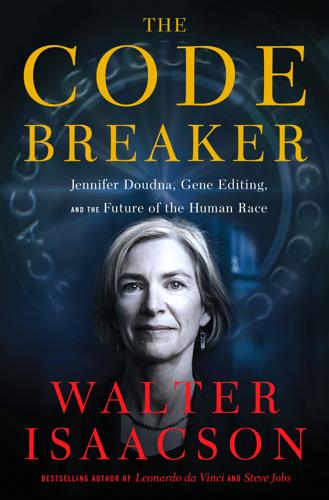
The Code Breaker: Jennifer Doudna, Gene Editing, and the Future of the Human Race
by Walter Isaacson
Published 9 Mar 2021

The travel to and from Berkeley, and also Hawaii, where her mother was ailing, would be grueling, but she seriously considered it. Then she ran into a former academic colleague who had joined the San Francisco biotech powerhouse Genentech the year before. The company was a poster child for the innovation and profits that can result when basic science meets patent lawyers meet venture capitalists. Genentech, Inc. Genentech was spawned in 1972, when Stanford medical professor Stanley Cohen and biochemist Herbert Boyer of the University of California, San Francisco, attended a conference in Honolulu that dealt with recombinant DNA technology, which was Stanford biochemist Paul Berg’s discovery of how to splice pieces of DNA from different organisms to create hybrids.

Right below it was a picture for a totally separate story: a smiling Paul Berg on the telephone learning the news that he had, on that same day, won the Nobel Prize for his discovery of recombinant DNA.5 Detour By the time Genentech began recruiting Doudna in late 2008, the company was worth close to $100 billion. Her former colleague, who was now working on genetically engineering cancer drugs at Genentech, told her that he was loving his new role. His research was much more focused than when he was an academic, and he was working directly on problems that were going to lead to new therapeutics. “So that got me thinking,” Doudna says. “Rather than go back to school, maybe I should just go to a place where I could apply my knowledge.” Her first step was to present a couple of seminars at Genentech describing her work.

Each agreed to put in $500 to cover the initial legal fees.4 Swanson suggested that they call the company HerBob, a recombination of their first names that sounded like an online dating service or down-market beauty parlor. Boyer wisely rejected that and suggested instead that they call it Genentech, a mash-up of “genetic engineering technology.” It began making genetically engineered drugs and, in August 1978, blasted into hypergrowth when it won a bet-the-company race to make a synthetic version of insulin to treat diabetes. Until then, one pound of insulin required eight thousand pounds of pancreas glands ripped from more than twenty-three thousand pigs or cows. Genentech’s success with insulin not only changed the lives of diabetics (and a lot of pigs and cows); it lifted the entire biotechnology industry into orbit.

pages: 263 words: 77,786

Tomorrow's Capitalist: My Search for the Soul of Business
by Alan Murray
Published 15 Dec 2022

Leadership Next interview, Alan Murray and Ellen McGirt with Noubar Afeyan. 6. Leadership Next interview, Alan Murray and Ellen McGirt with Alex Gorsky. 7. Leadership Next interview, Alan Murray and Ellen McGirt with Alexander Hardy. 8. Alexander Hardy. “Genentech Stands Against Inequity and Injustice.” Genentech, June 2, 2020. https://www.gene.com/stories/genentech-stands-against-inequity-and-injustice. 9. Leadership Next interview, Alan Murray and Ellen McGirt with Albert Bourla. 10. Fortune’s Brainstorm Health: The New Paradigm. July 7–8, 2020. 11. Ibid. 12. Leadership Next interview, Alan Murray and Ellen McGirt with Mike Roman. 13.

Could the nationwide rollout of vaccines serve as a model for making health care treatments available in corners of the nation that have been cut off in the past, such as rural areas and the inner cities? Genentech is one of the oldest biotech firms, founded in 1976 in San Francisco. In 2009 it was acquired by Roche. At the time, some people expressed concern that a big company takeover would compromise the entrepreneurial spirit of the company. When Hardy arrived as CEO in 2019, he focused on strengthening the innovative culture of the company. Then COVID hit, changing the way Genentech worked with others. “We have about eight drugs in various stages of development as therapeutics for COVID,” he told me, “but we decided to give over a large proportion of our manufacturing and our largest biologic site to manufacturing one of our biggest competitors, monoclonal antibodies.

And we moved ahead and actually we started working together even before the deal was fully inked, because again, time was of the essence.” So, how could that apply to other issues? Genentech has been on the front lines in fighting the major health scourges of the era—cancer, neurological diseases, Alzheimer’s, ALS. I asked Hardy how the lessons learned during the pandemic could help conquer those big ticket health issues. “This [the pandemic] has required us to be really innovative, fast, and flexible,” Hardy said. “Innovative was always a characteristic of Genentech and our industry. Fast and flexible, not so much. Again, that focus on perfection in many cases meant that sometimes we moved slower than we really needed.

pages: 465 words: 103,303

The Cancer Chronicles: Unlocking Medicine's Deepest Mystery
by George Johnson
Published 26 Aug 2013

Such grim realities seemed far away at the grand opening session, where Arthur D. Levinson, a pioneer in the design of targeted therapies, was honored for “leadership and extraordinary achievements in cancer research.” He was cited specifically for his role in developing “blockbuster drugs” like Avastin. Levinson is the chairman of Genentech, which also makes Herceptin to treat the 15 to 20 percent of breast cancers that are HER2 positive—those with an overabundance of the growth-stimulating receptors. For metastatic breast cancer, Herceptin can add a few months to a woman’s life. Used in the early stages of the illness, the drug’s effects are more striking.

Used in the early stages of the illness, the drug’s effects are more striking. When standard chemotherapy was accompanied by Herceptin, 85 percent of women were found free of the cancer after four years. That compared with 67 percent who had not taken the drug. The trial was stopped early so that women in the control group could benefit (and so Genentech could reduce the time to market). As word spread of the new therapy, breast cancer patients who once dreaded learning that their tumor was HER2 positive—a particularly vicious and aggressive kind—came almost to welcome the news. No cancer drug, however, is as good as it sounds. Herceptin can also affect healthy cells with a normal number of HER2 receptors, and there is a serious risk of congestive heart failure.

In the end, Phase III proved so definitive that it was interrupted early so both groups could benefit. Initial reports showed that vemurafenib increased progression-free survival, holding the cancer in abeyance for 5.3 months, compared with 1.6 months for dacarbazine. That was enough for the FDA. Before long the drug was approved and being marketed by Genentech. At last report patients were typically living four months longer than those on dacarbazine. There was no happy ending. Ryan, the cousin in the control group, was among the many who had died during the first year of the trial—sixty-six in the dacarbazine group and forty-two among those getting vemurafenib.

pages: 368 words: 106,185

A Shot to Save the World: The Inside Story of the Life-Or-Death Race for a COVID-19 Vaccine
by Gregory Zuckerman
Published 25 Oct 2021

Another company in that country, BioNTech, was doing its own mRNA experiments. Moderna needed to prove that its approach worked and raise a ton of money to develop multiple drugs, all before rivals caught up, Bancel decided. Biotech pioneer Genentech had been the first to produce recombinant proteins, introducing human insulin and growth hormone, which became the first biotech drugs. But others quickly joined the game, preventing Genentech from dominating the field. They had squandered an opportunity, Bancel felt. Now Moderna had a chance to own the world of mRNA therapeutics, maybe even do something historic. But it would have to act swiftly.

Robert Redfield at Walter Reed showed MicroGeneSys’s vaccine worked, but Redfield came under sharp criticism for overstating the vaccine’s therapeutic effects. MicroGeneSys didn’t have money to conduct its own studies, which presented a problem. Volvovitz asked for funding from the NIH but was told to get in line—others ahead of him were looking to run studies on malaria, dengue fever, and other pressing diseases. Volvovitz heard that Genentech, a much larger biotech company, was pushing for government funds for its own HIV vaccine program, a new reason for concern. He needed a definitive trial to prove his own vaccine’s efficacy, and he needed it immediately. His calls became more urgent. “We’ve got to get this done! How do we get this done?!”

Once recognized, HIV changes its appearance, adopting a new coat almost hourly to continue its assault. When treated with drugs like AZT, the virus sometimes retreated, but it never fully cleared, remaining hidden in the body. To those companies focused on a vaccine, including MicroGeneSys, Genentech, and Chiron, HIV’s envelope protein had seemed a perfect target for a vaccine. Teach the body to recognize the envelope’s spike structure and the next time it is encountered the immune system will know to target and fight it. The problem is, HIV’s spike protein is a moving and mutating target, creating enormous challenges for the body’s defenses.

The Code: Silicon Valley and the Remaking of America
by Margaret O'Mara
Published 8 Jul 2019

Frenetic traders ran up the stock prices of Apple’s chief rivals even though no one had new product releases on the horizon. Further whetting their appetite was the emergence of a fresh set of offerings from the growing field of biotechnology, notably the Northern California–based Genentech, a firm co-founded by Stanford and University of California scientists and Silicon Valley VCs. Although Genentech had made a profit in only one year of its four-year history, dealmakers salivated at the prospect of getting in on the ground floor of a new and hugely lucrative field. New Issues, a stock-industry newsletter, called the company “the Cadillac, Mercedes and Rolls-Royce of the industry rolled into one.”

Another factor was legislation on the cusp of being signed by Jimmy Carter, the Bayh-Dole Act, that allowed universities and their researchers to commercialize inventions that sprang from government-funded research—a move of particular benefit to the health sciences. The prospects for biotechnological commercialization made Genentech seem like only the tip of a very large iceberg.5 Biotechnology was profoundly different from computer hardware and software—it was far more anchored in basic research, was more tightly regulated, and had much slower product development cycles—but investors rightly recognized that the two sectors shared the same venture-capital DNA. Genentech in fact owed its existence to Eugene Kleiner and his venture partner Tom Perkins, who had adapted an “incubation” model of recruiting young associates, then giving them a mandate to hunt down promising tech and build new companies around it.

Genentech in fact owed its existence to Eugene Kleiner and his venture partner Tom Perkins, who had adapted an “incubation” model of recruiting young associates, then giving them a mandate to hunt down promising tech and build new companies around it. When Genentech went public on October 14, trading opened at $35 a share and shot upward to a peak of $88 only an hour later. It was the biggest run-up in Wall Street history. Yet the spike was brief, and the stock ended up at only a few more dollars than its initial valuation. The IPO had made Genentech’s founders rich, but it hadn’t been as good to other investors.6 Observing disapprovingly that most Wall Street brokerages still lacked analysts with enough knowledge to properly understand either tech or biotech, “or to put proper valuations on these issues,” BusinessWeek quickly pronounced Genentech “the perfect example of how investors can overreact to a stock.”

pages: 251 words: 80,831

Super Founders: What Data Reveals About Billion-Dollar Startups
by Ali Tamaseb
Published 14 Sep 2021

One of them, Herbert Boyer, a professor at University of California, San Francisco, would end up becoming his co-founder. Boyer, a pioneer in the field of recombinant DNA, agreed to commercialize the technology. Genentech kick-started the modern biotech industry, was the first company to produce synthetic insulin for diabetic patients, and later invented many of the critical drugs patients use today.6 Genentech eventually amassed massive shareholder value and was acquired for $47 billion in 2009. Ideation is an essential part of every startup. There’s a cliché that ideas are a dime a dozen, but executing to get to the right idea is actually key to success.

At UCLA, we wrote grants to the National Institutes of Health [NIH], and we competed for funding. At a company, we didn’t compete for funding; we got it from investors. In the beginning we were cloning normal tumors, identifying the genes, and then looking at the best targets to create antibodies from. In the 1990s, the study of antibodies was very, very young. Genentech maybe was starting to do it, but it was the early days. We had a scientific advisory board—which had five members of the National Academy of Sciences and one Nobel laureate—to help us with what we were doing. Out of that came twelve different antibodies and four hundred patents. We started to work with other companies, like Astellas Pharma, which would later acquire our company for $537 million.

It’s important to note, when thinking about founders’ backgrounds, that my dataset includes all the billion-dollar companies that have been started since 2005, when a company like Yahoo was a top employer. That has changed in recent years. For the billion-dollar companies launched between 2014 and 2018, a more recent cohort, Google, was still the largest previous employer, followed by Square (a relative newcomer, founded in 2009), Facebook, McKinsey, Amazon, Genentech, Cisco, and Oracle. It’s also worth pointing out that while some may see a contrast between the roles of investors and founders and may believe that investors are not good operators, a sizable number of billion-dollar startup founders worked in venture capital rather than in corporations. Anne Wojcicki, the founder of the consumer genetics-testing company 23andMe, worked as an analyst for Passport Capital.

pages: 741 words: 164,057

Editing Humanity: The CRISPR Revolution and the New Era of Genome Editing
by Kevin Davies
Published 5 Oct 2020

“Am I going to get to the end of my career and feel like I did some cool stuff, had some fun, published some papers we’re proud of, but did I really solve any problems?” she told journalist Lisa Jarvis.12 The offer came from Richard Scheller, Doudna’s former colleague at HHMI before he became head of R&D at Genentech, one of the most successful and coolest biotech companies in the world.13 Doudna would have the chance to apply her RNA expertise in the search for novel drugs and therapies. Her appointment as Genentech’s new vice president of Discovery Research was announced in a press release, and she listed her change of address in an article with Jínek in Nature.14 She hoped that most of her group would join her in South San Francisco, but industry wasn’t appealing to Jínek.

Lisa Jarvis, “A day in the life of Jennifer Doudna,” Chemical & Engineering News, March 8, 2020, https://cen.acs.org/biological-chemistry/gene-editing/A-day-with-Jennifer-Doudna-Trying-to-keep-up-with-one-of-the-world-most-sought-after-scientists/98/i9. 13. Press release, “Genentech announces vice president appointment in research,” January 21, 2009, https://www.gene.com/media/press-releases/11787/2009-01-21/genentech-announces-vice-president-appoi. 14. M. Jínek and J. A. Doudna, “A three-dimensional view of the molecular machinery of RNA interference,” Nature 457, (2009): 405–412, https://www.nature.com/articles/nature07755. 15. Katrin Koller, “You should always have something crazy cooking on the back burner,” BaseLaunch, October 17, 2017, https://www.baselaunch.ch/you-should-always-have-something-–crazy-cooking-on-the-back-burner-2/. 16.

After a somewhat painful two months, she resigned and returned to Berkeley, where she reclaimed her HHMI professorship. Having given up most of her administrative obligations, she was free to pursue “crazy, creative projects” that might not be clinically relevant but she considered cool science. And the craziest project in the lab was CRISPR. “Had I not made the foray to Genentech and then back to Berkeley, I might not have done any of the CRISPR work,” she acknowledged.15 In a 2010 lab photo, Doudna is pictured with her troop of CRISPR devotees—Wiedenheft, Jínek, graduate student Rachel Haurwitz, and longtime lab manager Kaihong Zhou. There is an air of innocence in the group, blissfully unaware of how their lives were about to change.

pages: 307 words: 94,069

Switch: How to Change Things When Change Is Hard
by Chip Heath and Dan Heath
Published 10 Feb 2010

Having discovered the bright spot, Genentech’s managers could help spread the innovation across their entire sales force. But that didn’t happen. And here is where a cautionary tale intrudes on our success story. What actually happened was this: The superior results of the Dallas–Fort Worth reps were viewed with suspicion! Managers speculated that the saleswomen had an unfair advantage, and their initial assumption was that the pair’s sales territories or quotas needed to be revisited. (Later investigation established that the two women had the same type of client base as the other reps.) To be fair to the Genentech managers, let’s acknowledge that there was indeed a chance that those two reps were simply an anomaly.

You are simply asking yourself, “What’s working and how can we do more of it?” That’s the bright-spot philosophy in a single question. 6. Focusing on bright spots can be counterintuitive for businesses. Richard Pascale, one of Jerry Sternin’s collaborators, discovered this in 2003 when he accepted a consulting assignment with Genentech. The company had recently launched a drug called Xolair, which had been regarded as a “miracle drug” for asthma. It had proved effective in preventing asthma attacks for many patients. Yet six months after launch, sales of Xolair remained well below expectations. Pascale and his team were asked to help figure out why Xolair was underperforming.

What Murphy had avoided, of course, was archaeology. He didn’t dig into Bobby’s troubled childhood, and he didn’t try to excavate the sources of his anger and willfulness. For Murphy, all that information would have been TBU, as Sternin would say: true but useless. The other thing Murphy avoided was Genentech’s knee-jerk skepticism. The mental quibbles could have come so easily: Ms. Smith is just a nicer person than the other teachers or Her class is easier or Teachers shouldn’t have to adapt their approach to a problem student. Instead, Murphy found a bright spot, and he trusted it. Bobby’s teachers were pleased when Murphy approached them with such specific guidance, and they promised to give his recommendations a try.

pages: 285 words: 78,180

Life at the Speed of Light: From the Double Helix to the Dawn of Digital Life
by J. Craig Venter
Published 16 Oct 2013

An even greater triumph of interspecies cloning was marked by the insertion into E. coli of genes from the South African clawed frog Xenopus, a favorite experimental animal. Despite public unease, a number of companies were rapidly created to exploit recombinant-DNA technology. At the forefront of the biotechnology revolution was the company Genentech, founded in 1976 by Boyer and venture capitalist Robert A. Swanson. The following year, before Genentech had even moved into its own facilities, Boyer and Keiichi Itakura, at the City of Hope medical center, in Duarte, California, working with Arthur Riggs, had used recombinant-DNA technology to produce a human protein called somatostatin (which plays a major role in regulating the growth hormone) in E. coli.

After this milestone they turned to the more complicated insulin molecule, for which a huge potential market existed in replacing the pig insulin then being used for the treatment of diabetes. Eli Lilly and Company signed a joint-venture agreement with Genentech to develop the production process, and in 1982 the recombinant insulin protein, under the brand name Humulin, became the first biotechnology product to appear on the market. By then Genentech had many rivals, including a number of small start-ups backed by major pharmaceutical companies. Molecular biology has grown explosively from these early discoveries to a field that is now practiced at every university worldwide and is the basis for a multibillion-dollar business manufacturing kits, tests and reagents, and scientific instruments.

This effort was the culmination of remarkable work by the Swiss molecular biologist Charles Weissmann, who is perhaps best known for his research at the University of Zürich on prions and for manufacturing the protein interferon by using recombinant-DNA technology in 1980, a few years after the foundation of the first biotech company, Genentech.5 Weissmann’s earlier pioneering RNA-sequencing efforts with Martin Billeter, in 1969,6 would inspire Fred Sanger.7 Then, working with Richard Flavell, Weissmann would, in 1974, open the door to what became known as “reverse genetics,” in which the effects on an organism of altering its genetic code are studied, as opposed to classical genetics, where a mutant organism is identified and the responsible DNA mutation is then tracked down.

pages: 300 words: 84,762

Vaccinated: One Man's Quest to Defeat the World's Deadliest Diseases
by Paul A. Offit
Published 1 Jan 2007

Boyer named it Genentech, a contraction of genetic engineering technology. When Genentech went public in 1980, the stock had the most dramatic escalation in the history of Wall Street, raising more than $38 million in capital and making multimillionaires of its founders. Later that year, Boyer’s picture was on the cover of Time magazine under the heading “Shaping Life in the Lab: The Boom in Genetic Engineering.” Genentech’s first product was human insulin. No longer did insulin have to be purified from the pancreas of cows and pigs; it could be made by bacteria in a laboratory. Later Genentech made proteins that helped children grow, broke down clots in the arteries of heart attack victims, and helped people with hemophilia clot their blood.

Daniel, Charles Darwin, Charles DeBakey, Michael Deer, Brian Deinhardt, Friedrich deoxyribonucleic acid (DNA) diphtheria Division of Biologics Standards Domagk, Gerhard Donaldson, Liam Douglas, Gordon Down syndrome Dugas, Gaetan Dulbecco, Renato Ebola virus eclampsia Edmonston, David Edwards, Anthony eggs Einstein, Albert Eisenhower, Dwight electron microscopy elephantiasis Eli Lilly encephalitis Enders, John Epidemic Intelligence Service Escherichia coli, ethylenediaminetetraacetic acid (EDTA) Evidence of Harm, Family Research Council Faubus, Orval Fauci, Anthony Faulkner, William Fay School federal government, and vaccine licensing Fernald School fetal tissue Fibiger, Johannes Fleming, Alexander flesh-eating bacteria Florey, Howard flu. See influenza Flutie, Doug formaldehyde, in vaccine development, fowlpox Fox Chase Cancer Center Francis, Thomas Franklin, Benjamin Gallo, Robert gamma globulin, with measles vaccine Gard, Sven Gates, Bill and Melinda Gelmo, Paul Genentech genetic engineering genetics, and disease Gerberding, Julie germ theory of disease German measles. See rubella GlaxoSmithKline Global Alliance for Vaccines and Immunizations gold miners, pneumonia in Goodpasture, Ernest Great Ormond Street Hospital green onions Green, Ernest Gregg, Norman McAlister Gross, Ludwik Haemophilus influenzae type b Hahn, Beatrice Hamilton-Ayers, Michele Hammond, Jack Harding, Warren Harrison, George Harvard Medical School Hayflick limit Hayflick, Leonard hemagglutinin hemoglobin S hepatitis B hepatitis vaccine for Hepatitis B: The Hunt for a Killer Virus herpesvirus Hilleman, Anna Hilleman, Edith Hilleman, Elsie Hilleman, Gustave Hilleman, Harold Hilleman, Howard Hilleman, Jeryl Lynn Hilleman, Kirsten Hilleman, Lorraine Hilleman, Maureen Hilleman, Maurice and autism controversy awards and honors and cancer vaccine and chickenpox vaccine and common cold research early life and education family life farming experience and Haemophilus influenzae type b vaccine and hepatitis vaccine and influenza vaccine and interferon research and Japanese encephalitis virus vaccine management style of and measles vaccine and mumps vaccine and MMR vaccine obscurity of old age and death and pneumococcal vaccine and polio vaccine research predecessors and rubella vaccine Hilleman, Norman Hilleman, Richard Hilleman, Robert Hilleman, Thelma Hilleman, Victor Hilleman, Walter Hippocrates Hippocratic Oath Hiroshima Hirst, George Hong Kong, bird flu in Hooper, Edward Hoover, Herbert Horstmann, Dorothy Horton, Richard House Committee on Government Reform Hubbard Farms Hughes, Walte human immunodeficiency virus (HIV) human papillomavirus (HPV) Hunter, John hydrocephalus Iditarod dogsled race immune response Imus, Don Infectious Diseases Society of America influenza Asian bird vaccine for in wars Influenza Commission Ingalls, Theodore Institute of Medicine insulin interferon Isaacs, Alick Japanese encephalitis virus Jenner, Edward John Howland Award Johns Hopkins Hospital Johns Hopkins School of Public Health Kaposi’s sarcoma Karolinska Institute Katz, Sam Kennedy, John F.

pages: 436 words: 123,488

Overdosed America: The Broken Promise of American Medicine
by John Abramson
Published 20 Sep 2004

The analogy also holds for the consequences of stroke, which can be as devastating as a severe heart attack. But the analogy does not hold quite so well for the benefit of emergency treatment, which is really what is behind the proposed name change. The term “brain attack” was introduced into the lexicon by a marketing campaign sponsored by the biotech company Genentech. Genentech makes an expensive clot-busting drug, Activase (generic name, alteplase), that has been used, and perhaps overused, in the United States to treat heart attacks. It is now being pushed as a breakthrough in the treatment of ischemic strokes, at the cost of $2700 per patient treated. The term “brain attack” is designed to focus public attention on the urgency of getting stroke victims to the hospital as quickly as possible so that appropriate treatment (the term “lifesaving” was deleted because it wasn’t true) can be administered.

In a 2002 article published in the British Medical Journal, investigative journalist Jeanne Lenzer reported that the American Heart Association “will not release the conflict of interest statements for public inspection and verification.” However, a subsequent independent investigation reported that six out of the eight experts who supported the upgrade in the recommendations had financial ties to Genentech. In addition, contributions from Genentech to the AHA totaled $11 million between 1991 and 2001, including $2.5 million to help build the AHA’s new headquarters in Dallas. This investigative work provides a rare look into the financial relationships among the American Heart Association, a drug manufacturer, and respected medical experts.

See exercise Flexner Report, 196–97 Fludara, 89 folk medicine, biomedicine as, 201–4 Food and Drug Administration (FDA) antidepressants approval, 115–17, 243 Celebrex review, 23–24, 30, 32–33 Claritin review, 152–53 declining oversight by, 157–58, 161 DTC advertising approval, 150–52 financial ties of, with drug companies, xxii, 85–87, 89–90, 125, 249–50 hormone replacement therapy approval, 59 medical journals and, 37–38 Warning Letters (see Warning Letters, FDA) web site and data, 28, 37 Forteo, 217 Fosamax, 213–15, 218, 246 4S study, 142, 143 Framingham Heart Study, 63, 130–35, 141 free drug samples, 124–26 funding. See also conflicts of interest FDA drug reviews, 85–90, 249 medical research, 94–95, 196–97, 252–53 universal health insurance, xxii, 253–54 gastroesophageal reflux disease (GERD), 101–2 gastrointestinal complications, 24–25, 28–36, 43 gemfibrozil, 133 Genentech, 226–27 germ theory of disease, 195 ghostwriters, 106–7 Gleevac, 43–44 goals, commercial vs. health, 21–22, 50–51 government, U.S. health care quality and, 257–59 Medicaid, 20, 75, 162 Medicare prescription drug bill and purchasing power of, 245 (see also Medicare) regulatory role of, xxii, 157–58, 161, 249–53 (see also Food and Drug Administration; National Institutes of Health) Republican Party and medical industry, 90–91, 247 research funding by, 94–95 universal health insurance, xvii, xxii, 20, 46, 253–54 (see also health insurance) Guidant, 99, 243–44 guidelines.

pages: 209 words: 53,236

The Scandal of Money
by George Gilder
Published 23 Feb 2016

Belying the notion that technological potential declined in the 1970s is the list of new corporations launching breakthrough innovations during that decade. Among the emerging transformative companies were Intel with its memory and microchip revolution, Apple with its personal computers, Applied Materials with its submicron semiconductor capital gear, Genentech with its biotech revelations, and Microsoft with its packaged modular software. The first modern ATMs were spitting out cash. Soon polymerase chain reaction tools would enable mass replication of the DNA codes of life. Ethernet and the Internet Protocols portended a coming transformation of communications.

Main Street prospered with the creation of millions of new businesses and some forty million net new jobs. Jobholders participated through their pensions in a Wall Street bonanza that ended with individual investors holding more than half the public shares of U.S. business. Spearheading the Wall Street expansion and the jobs boom were thousands of initial public offerings, from Apple and Genentech to Netscape and Qualcomm, the most lucrative coming from a carnival of invention in Silicon Valley.3 American creativity ramified through a globalizing world economy, with the number of poor people living at the subsistence level of less than a dollar a day, adjusted for inflation, dropping by 20 percent.

See also stagnation UK, 89 U.S., xi–xiii, xv–xvi, 4–5, 11–12, 18, 26, 49–50, 66–68, 89, 95, 107–8, 150, 154, 157, 160 world, xiv, 13, 17, 39, 41, 45, 51, 56, 68–69, 92, 101–2, 104, 109–11, 115, 145, 150, 158–60, 163, 171 Economist, the, 83, 135 elites, xiv, xvii, 2, 26, 75, 91, 104, 106, 121–22, 125, 129 entropy, 20, 24, 62–64, 85, 133, 139, 142–44, 146–47, 154, 163, 168, 172–74 Environmental Protection Agency (EPA), xxii, 50, 122 Europe, Europeans, 4, 50, 55–57, 105, 118 European Central Bank, 34, 151 ExxonMobil, 159 F Fair Disclosure, 122 Falun Gong, 39, 43 Fannie Mae, 58, 94, 117, 123 Federal Bureau of Economic Analysis, 33 Federal Communications Commission, xxii, 5 Federal Deposit Insurance Corporation (FDIC), 94 Federal Express, 8 Federal Housing Administration, 94 Federal Reserve Board, Fed, xvii, 82, 99, 114, 139, 155, 159, 163 control of money supply, xiii, 24, 32–36, 40, 46, 53, 62, 81, 123–25, 132, 136, 151, 163, 170 creation of, 66 failures of, xvii, xiv, xxii, 12, 15, 24, 26, 36, 48, 61, 123–24, 159 relationship with banks, xxii, 26, 57, 124–25, 128, 132, 136 Fieler, Sean, 4 Financial Services Authority, 88 flash boys, 9, 96, 102, 155 Florida, 55, 94, 117 Forbes, Steve, 13, 78, 157 Fortune 500, 118 Foundation for the Advancement of Monetary Education, 157 Fox News, xiv France, French, 3, 36, 88, 99, 141 Freddie Mac, 58, 94, 117, 123 FreedomFest, xiv–xvi free markets, free-market economics, 3, 24, 33, 73 Free to Choose (Friedman), 31 “free zones,” 42, 48–49, 51 Friedman, Milton, 10, 29–38, 41–43, 54, 56, 58, 69, 72, 76, 92, 98–99, 102, 105, 154 G Galbraith, John Kenneth, 150 Gave, Charles, 24, 131 Gave, Louis, 36 Gavekal, 36, 131 Geithner, Timothy, 46 Genentech, 8, 115 General Electric, 130–31 George, Henry, 90 Germany, 55, 57, 100 Gillespie, Nick, 63 global financial crisis, xii, 41, 54, 56, 105. See also crash of 2007–2008 globalization, 3, 5–6, 14, 102, 115–18, 158 Gödel, Kurt, 64, 107, 138–40, 174 gold, 81, 109, 162–63, 167, 170, 172–73. See also gold standard “barbarous relic,” 10, 98 currency, 159 deflation and, 77–79, 83, 98–99, 109 digital currency and, 44, 62, 65–67, 70, 72–75, 86, 157–58, 160, 163 irreversibility of, 62–63, 65–66, 70, 72–75, 85, 93, 158, 160, 163 price of, 10, 12–14, 22, 53–54, 56, 66, 86, 116, 151, 155 use in Asia, 45, 49, 69, 158–59 Goldman Sachs, 127 gold standard, 156–57.

The Man Behind the Microchip: Robert Noyce and the Invention of Silicon Valley
by Leslie Berlin
Published 9 Jun 2005

In 1977, Warner Communications purchased Atari for $28 million.55 Genentech, one of the world’s first biotech companies, was started in 1976 by a San Francisco–based biochemist at the urging of a Kleiner Perkins partner. The company was the first to produce a human protein in a microorganism and among the earliest groups to clone human insulin and human growth hormone. The anticipation surrounding Genentech’s public offering in 1980 was so great that in a single hour during the first day of trading, the company’s share price shot from $35 to $88. In 2004, Genentech had a $57 billion market capitalization.56 In the same way that these companies built on the previous generation’s technical advances, they also took advantage of the network of suppliers, 254 THE MAN BEHIND THE MICROCHIP venture capitalists, equipment vendors, specialized law and public relations firms, contract fabs (that would build chips designed elsewhere), and customers that had sprung up in the past decade to support high-tech entrepreneurs in Silicon Valley.

On Tandem: Smith, “Silicon Valley Spirit”; “The fall of an American Icon,” Business Week, 5 Feb. 1996. Compaq acquisition of Tandem: David Lazarus, “Compaq Boosts High End with Tandem Deal,” Inc., 23 June 1997. On Atari: http://www.campusprogram.com/reference/en/wikipedia/n/no/ nolan_bushnell.html On Genentech: Timeline and Investors Fact Sheet at http://www.gene.com, accessed 24 Aug. 2004. More than 3,000 small firms: Lenny Siegel, Testimony Prepared for the Subcommittee on Science, Research, and Technology of the House Committee on Science and Technology and the Task Force on Education and Employment of the House Budget Committee, 16 June 1983, PSC.

Bibliography 383 Websites accessed “A History of the Computer: Mini” Web site. http://www.pbs.org/nerds/timeline/mini.html AeA [American Electronics Association] home page. http://www.aeanet.org Accessed 27 May 2001. Leo Esaki, “The Global Reach of Japanese Science,” http://www.jspsusa.org/FORUM1996/esaki.html Accessed 1 Nov. 2004. Fullman Glossary of the Semiconductor Manufacturing Process http://www.fullman.com/semiconductors/Semiglossary Accessed 20 Mar. 2001. Genentech Web site. http://www.gene.com Accessed 24 Aug. 2004. Harvard Business School, Working Knowledge newsletter, 4 Dec. 2000. http://hbswk.hbs.edu/pubitem.jhtml?id=1821&t=special_reports_donedeals HP [Hewlett-Packard] History and Facts Web site. http://www.hp.com/hpinfo/abouthp/histnfacts.htm Intel museum. http://www.intel.com/intel/museum/25anniv/html Accessed 17 Jan. 1999.

pages: 346 words: 89,180

Capitalism Without Capital: The Rise of the Intangible Economy
by Jonathan Haskel and Stian Westlake
Published 7 Nov 2017

After all, VC is a form of financing that developed alongside some of the world’s fastest growing intangible-intensive businesses. Most of the intangible-rich businesses of Silicon Valley, and many high-growth businesses beyond, got their earliest investments from the venture capital firms on Sand Hill Road. This form of financing has evolved together with businesses like Intel, Google, Genentech, and Uber, whose competitive advantages depend on intangibles: valuable R&D, novel product design, software, and organizational development. Indeed, like the beaks of Darwin’s Galapagos finches that evolved to feed on particular cacti, many of the distinctive features of venture capital relate directly to the unusual characteristics of intangible investments that VC-funded businesses tend to make.

The Finch’s Beak: Why VC Works for Intangibles VC has several characteristics that make it especially well-suited to intangible-intensive businesses: VC firms take equity stakes, not debt, because intangible-rich businesses are unlikely to be worth much if they fail—all those sunk investments. Similarly, to satisfy their own investors, VC funds rely on home-run successes, made possible by the scalability of assets like Google’s algorithms, Uber’s driver network, or Genentech’s patents. Third, VC is often sequential, with rounds of funding proceeding in stages. This is a response to the inherent uncertainty of intangible investment. The nature of uncertainty in start-ups is that it tends to reduce over time. When Peter Thiel made the first external investment of $500,000 in Facebook in 2004, the company’s fortunes were considerably more uncertain than when Microsoft invested $240 million in 2007.

See US Food and Drug Administration Ford, Henry, 36 Forman, Chris, 139 Frascati Manual, 38 Freeman, Chris, 39 Freeman, Richard, 124 FreshDirect, 23 Fukao, Kyoji, 42 Future of Work, The (Handy), 182 Gal, Peter, 96 Gann, David, 197 Garicano, Luis, 134, 135, 191 Gaspar, Jess, 146 Gates, Bill, 222–23 Gates Foundation, 222–23 Gavious, Ilanit, 204 GDP: A Brief but Affectionate History (Coyle), 36 Genentech, 174, 175 General Electric (GE), 51, 60–61, 184, 194, 204 General Theory of Employment (Keynes), 249n1 generational inequality, 121–22 GitHub, 29, 79, 152, 217 Glaeser, Edward, 62, 79, 138–39, 142, 146, 147 globalization, 119; and growing market sizes, 34–35 Gold, Joe, 17 Goldfarb, Avi, 139 Goldin, Claudia, 228 Goldwyn, Sam, 229 Goodridge, Peter, 25, 223 goodwill, 251n9 Google, 67–68, 73, 87, 170, 209, 222; contestedness and, 115; Kaggle and, 152; scalability of, 101–2, 105; spillovers and, 110; venture capital and, 174, 175, 176, 177 Goos, Martin, 123 Gordon, Robert, 93, 228 government: funding of training and education by, 228–30; investment by, 231–34, 234–36; and public procurement, 226–28; R&D spending by, 33–34, 55, 77, 223–24 Graham, John R., 168 Great Depression, 36, 127 “Great Doubling, The” (Freeman), 124 Great Invention: The Story of GDP, The (Masood), 36 Great Recession, 103, 108, 116 Great Stagnation, The (Cowen), 93 Greenspan, Alan, 40, 244n3 Greenstein, Shane, 139 Griliches, Zvi, 38, 62 gross domestic product (GDP), 3, 20, 42; difficulty in calculation of, 37, 244n3; government spending and, 55; human capital and, 54; and intangible investment, 35, 54, 117; IT investment and, 29–30; measurement of, 38, 40–41, 245n10; and tangible versus intangible investment, 25–27, 32 Groysberg, Boris, 194 Gu, Feng, 185, 203 Guerrero kidnapping, 74 Guvenen, Fatih, 129 gyms, commercial, 15–19 Håkanson, Christina, 131, 133 Haldane, Andrew, 168 Hall, Bronwyn, 62, 105–6, 211–12 Haltiwanger, John, 42 Handy, Charles, 182, 183 Hargreaves, Ian, 213 Harvard Business Review, 184 Harvey, Campbell, R., 168 Haskel, Jonathan, 42 Hayek, Friedrich von, 190 Hermalin, Benjamin, 199 Hewlett Packard, 170 high-intensity interval training (HIIT), 17 Hilber, Christian, 216 Home Depot, 194 Horizon 2020 program, 218 Hounsfield, Godrey, 59, 61 housing, 122, 128–29, 136–39; affordable, 148–49; creative class and, 215; planning of, 215–16 Howitt, Peter, 41 HTC, 73, 112 Hubbard, Thomas, 134, 135 Hughes, Alan, 223 Hulten, Charles, 4–5, 43, 45, 48, 56 human capital, 54, 119 IBM, 39, 170 ICI, 167, 169 income, 119–20, 127–28; implications of an intangible economy for, 143; intangibles, firms, and inequality of, 130; intangibles’ effects on, 129–40; scalability and, 133–34 industrial commons, 84–85 Industrial Revolution, 126 industrial structure, 30–31 inequality, 118–19; accumulation of capital as reason for, 124–25; and differences in wages between firms, 129; of earnings, 120–21, 127–40; of esteem, 122–23, 129–40, 141–42; field guide to, 119–23; between the generations, 121–22; in an intangible-rich economy, 130–32, 135–35, 236–38; measures of, 119–20; of place, 122, 128–29, 136–39, 249n3; as result of improvements in technology, 123–24, 126–27; role of housing prices in, 122, 128–29, 136–39; standard explanations for, 123–25; symbolic analysts and, 133–34; and taxes, 139–40; trade and, 124; of wealth, 121, 128–40; worker screening and, 134–35 influence activities, 196 information, definition of, 64 infrastructure, 144, 157; definition of, 144–45; enabling character of, 145; hype and false promises surrounding, 145–47; institutional, 153–56; physical, 147–51; role of norms and standards in, 154–55; soft, 156; telecommunications, 151–52 innervation, 18 innovation districts, 215 innovative property, 43–45 Institution of Cleveland Engineers, 83 Institution of Mechanical Engineers, 83 intangible economy, the, 182–85, 206–7; competition in, 185–87; cult of the manager and, 184, 188; financing of (see under financing); inequality in (see under inequality); investing in, 201–6; managing in, 188–200; public policy and (see under public policy); R&D in (see under R&D [research and development]) intangible myths, 135–36 intangibles, 10–11, 201–6, 239–42; accounting treatment of, 202–4; banking industry and, 162–66; changing business climate and, 31–34, 239–40; contestedness of, 87–88, 115, 132; cosmopolitanism versus conservatism and, 141–42; depreciation of, 56–57; differences between tangibles and, 7–10, 58; effect on GDP growth of, 117; effects of institutional infrastructure on, 153; effects of low levels of investment in, 102–3; effects on income, wealth, and esteem inequality of, 129–40; emergent characteristics of, 86–88; equity markets and, 169–74; as explanation for secular stagnation, 101–16; financial architecture for, 218–21; the four S’s of, 8–10, 58, 61–63, 88; future challenges of measuring, 52–55; globalization and growing market sizes and, 34–35; in gyms, 15–19; and income inequality, 130–32; industrial structure and, 30–31; measurement of, 7–8, 46–49; mobile, 139–40, 248n4; properties of, 8–10; public procurement and, 226–28; as real investment or not, 49–52; reasons for growth of investment in, 27–35; research on, 5–7; and secular stagnation (see under secular stagnation); solving underinvestment in, 221–30; steady growth of investment in, 23–27; types of, 21–22, 43–46; venture capital as well-suited for, 175–77; worker screening and, 134–35.

pages: 382 words: 92,138

The Entrepreneurial State: Debunking Public vs. Private Sector Myths
by Mariana Mazzucato
Published 1 Jan 2011

During a recent visit to the United States, French President François Mitterrand stopped to tour California’s Silicon Valley, where he hoped to learn more about the ingenuity and entrepreneurial drive that gave birth to so many companies there. Over lunch, Mitterrand listened as Thomas Perkins, a partner in the venture capital fund that started Genentech Inc., extolled the virtues of the risk-taking investors who finance the entrepreneurs. Perkins was cut off by Stanford University Professor Paul Berg, who won a Nobel Prize for work in genetic engineering. He asked, ‘Where were you guys in the ’50s and ’60s when all the funding had to be done in the basic science?

Thus, while business continues to lobby for tax cuts and less ‘red tape’, in the end they are greatly dependent on the finance of the tax receipts which they fight against. And indeed, those countries, like the UK, that are increasingly convinced that what drives business are ‘low taxes and low regulation’ are suffering from the flight of many companies, such as Pfizer and Sanofi. More striking is that in the 35 years since the founding of Genentech as the first biotech company in 1976, the NIH funded the pharmabiotech sector with $624 billion (figure to 2010). As evidenced in this data, Lazonick and Tulum (2011, 9) argue that the US government, through the NIH, and by extension via the US taxpayer, ‘has long been the nation’s (and the world’s) most important investor in knowledge creation in the medical fields’.

The protection provided by the act enables small firms to improve their technology platforms and scale up their operations, allowing them to advance to the position of becoming a major player in the biopharmaceutical industry. In fact, orphan drugs played an important role for the major biopharmaceutical firms such as Genzyme, Biogen, Amgen and Genentech to become what they are today (Lazonick and Tulum 2011). Since the introduction of the ODA, 2,364 products have been designated as orphan drugs and 370 of these drugs have gained marketing approval (FDA, n.d.). In addition to all of the conditions outlined by the ODA, Lazonick and Tulum (2011) draw attention to the fact that multiple versions of the same drug can be designated as ‘orphan’.

pages: 543 words: 163,997

The Billion-Dollar Molecule
by Barry Werth

On a warm morning in mid-October, the chief executive officers (CEOs) of more than forty new biomedical companies took their places behind several rows of long cloth-covered tables in the Vista’s ballroom, unhopefully partitioned for the event. Of all the emerging fields Wall Street was cool about, biomedicine was by far the most worrisome. It spent the most money, took the longest time to pay out, and even its successes like Genentech, whose hysterical debut on Wall Street nine years earlier had driven the company’s stock price from $35 to $86 in the first hour of trading, were wanting. The conference itself was an attempt to revive interest in the field. Throughout the morning, the CEOs each would have five minutes to introduce their businesses to an audience of about 150 presumed investors, although, as many of them already had discovered unhappily from perusing nametags around the coffee urn, there were few real investors present.

He intended Vertex to be highly visible from the start—to the international elites of business and science, if not to pedestrians—and for that, he thought, Cambridge offered a powerful showcase. Businesswise, it was a singularly unpromising time. During the previous decade, nearly 200 biotech businesses had sprung up, yet only one, Genentech, earned a regular profit, and even that was disappointingly small. Most of the companies had simply gone on hemorrhaging money, blindly, with no end in sight. Dozens were now failing or scrounging for buyers. Add to that a billowing national recession and a comatose New England economy, and Boger’s decision to leave Merck and set up in borrowed offices in Cambridge in the dead of a lightless New England winter seemed fateful.

Like sunstruck surfers scouring the horizon on a calm day, they’d be susceptible to the least sign of a swell. That needn’t be Vertex itself. Boger knew that small biomedical companies rove through the financial world in virtual lockstep. When one bolted, they all did; when one tripped, the rest collided like automatons. Certainly it had been thus in 1987, when Genentech’s disappointing sales of its much ballyhooed clot dissolver, TpA, dragged the entire biotech sector down 39 percent, plunging it into the near coma of the past three years. One or two successes among the industry’s flagships, Boger knew, would have the opposite effect, jumpstarting a free-for-all that would rain money on everyone.

pages: 588 words: 131,025

The Patient Will See You Now: The Future of Medicine Is in Your Hands
by Eric Topol
Published 6 Jan 2015

Bresnick, “Most Patients Are Willing to Share Health Data, Engage Online,” EHR Intelligence, April 29, 2014, http://ehrintelligence.com/2014/04/29/most-patients-are-willing-to-share-health-data-engage-online/. 22. J. Comstock, “PatientsLikeMe Signs Five-Year Data Access Deal with Genentech,” MobiHealth-News, April 2014, http://mobihealthnews.com/31960/patientslikeme-signs-five-year-data-access-deal-with-genentech/. 23. M. P. Ball et al., “Harvard Personal Genome Project: Lessons from Participatory Public Research,” Genome Medicine 6 (2014): 10. 24. A. Sun, “From Volunteers, a DNA Database,” New York Times, April 29, 2014, http://www.nytimes.com/2014/04/29/science/from-volunteers-a-dna-database.html. 25.

Patients share medications, dietary treatments, and alternative medicine on the website, and, according to Ahrens, “are recognizing that they can and need to take an active role in managing their health instead of just sitting by and going to doctor’s appointments.”104 The life science industry, and specifically the pharmaceutical companies, has clearly taken notice of this resource. In recent years PatientsLikeMe has worked with Merck and Sanofi to facilitate recruitment of patients for clinical trials. In 2014, such collaboration took a big step forward when Genentech announced a five-year contract with PatientsLikeMe—the first broad research collaboration between PatientsLikeMe and a pharmaceutical company—to work together on multiple fronts beyond simply providing access to patient recruitment.22,105,106 Of the participating patients, the PatientsLikeMe CEO, Jamie Heywood, said, “They’re not just using [the network] for personal understanding.

,” Digital Health Corner, March 30, 2012, http://davidleescher.com/2012/03/30/crowdsourced-clinical-studies-a-new-paradigm-in-health-care/. 104. A. Hamilton, “Could ePatient Networks Become the Superdoctors of the Future?,” Fast Coexist, September 28, 2012, http://www.fastcoexist.com/1680617/could-epatient-networks-become-the-superdoctors-of-the-future. 105. L. Scanlon, “Genentech and PatientsLikeMe Enter Patient-Centric Research Collaboration,” PatientsLikeMe, April 7, 2014, http://news.patientslikeme.com/print/node/470. 106. N. Zeliadt, “Straight Talk with . . . Jamie Heywood,” Nature Medicine 20, no. 5 (2014): 457. 107. A. Opar, “New Tools Automatically Match Patients with Clinical Trials,” Nature Medicine 19, no. 7 (2013): 793. 108.

pages: 276 words: 64,903

Built for Growth: How Builder Personality Shapes Your Business, Your Team, and Your Ability to Win
by Chris Kuenne and John Danner
Published 5 Jun 2017

Our Research Approach: Applying a Proven Methodology to Discover Builder Personality We used the same proven, patented research methodology that one of us (Chris) and his team at Rosetta (the digital marketing and consulting firm he built) developed to decode how different consumer personalities operate in hundreds of markets around the world. Rosetta’s Personality-Based Clustering technique has been used for nearly twenty years in service to leading companies in health care, consumer technology, financial services, and retail. Among its many clients were Johnson & Johnson, Bristol-Myers Squibb, Genentech, Capital One, Fidelity, Citibank, Microsoft, and Samsung. The Rosetta research methodology answered a fundamental question: who buys what products and services, and why? For this book, we applied the same methodology to answer a question further upstream: who builds the businesses that sell those products and services in the first place, and why?

Appendix A OUR RESEARCH METHODOLOGY How We Decoded the Secrets of Entrepreneurial Builders Over the thirteen years during which Chris and his team founded, built, and scaled Rosetta, they conducted thousands of Personality-Based Clustering assignments for many Global 1000 companies around the world. In this work, the Rosetta team analyzed over one million respondents across billions of observations. It served market leaders in health care, such as Johnson & Johnson, Genentech, Pfizer, and Bristol-Meyers Squibb; financial services companies like Chase, Fidelity, Capital One, and Citibank; consumer technology firms such as Samsung, Microsoft, and Activision; nonprofits like NPR and the Special Olympics; and hundreds of other companies. These insights were then used to define and execute personalized marketing campaigns based in markets around the world.

See also early adopters cross-type learning, 15–16, 21–22, 211–230 Crowley, John, 123–124, 125–126, 139, 143, 212 Crusaders, 6–7, 88–117 archetype of, 247 blueprint for, 116–117 as Captain cobuilders, 169 charisma of, 108 as corporate builders, 96–97, 198–199 customer dynamic and, 101–102 decision making by, 166–168 as Driver cobuilders, 163–164 elevate and delegate strategies for, 110–115 expert strategy for, 223–225 as Explorer cobuilders, 165 followers of, 80 foundational expertise of, 214 gifts and gaps of, 107–110, 210 hiring and, 180–182 how they engage, 91–107 loyalty of, 181 Page and Brin, 18 polar complement of, 91 profile of, 89 scale dynamic and, 104–107 solution dynamic and, 93–97 sponsor dynamic and, 103–104 sponsor selection for, 196–199 team dynamic and, 97–100, 180–182 Cuban, Mark, 4, 193 culture, company Captains and, 7, 120, 124–125, 135–138, 183 Crusaders and, 112 Drivers and, 178 Explorers and, 69, 72, 75 recruiting team members and, 176 Currier, James, 103 customer dynamic Captains and, 129–131, 140 Crusaders and, 101–102, 113–115 Drivers and, 31, 39–41, 53–54 Explorers and, 70–72 customer segments Drivers and, 41 Personality-Based Clustering approach to, 30 profitability of, 109–110 scaling across, 10 Cutler, Elizabeth, 153–154 Daltran Media, 36 Dealer.com, 69, 71 decision making, 3, 233 Builder Type pairings and, 160–170 by Captains, 119, 121, 143, 168–170 cobuilders and, 157, 160–170 by Crusaders, 89, 166–168 by Drivers, 29, 162–164 by Explorers, 59, 164–166 Della Femina, Jerry, 77 DiCaprio, Leonardo, 104, 197 DiSC Profile, 13 Dixon, Tom, 36 Doctor On Demand, 44–45, 219 Dorsey, Jack, 15, 92–93 DoubleClick, 60 Dries, Chris, 140–141 Drivers, 4–5, 28–57 archetype of, 245 blueprint for, 56–57 as Captain cobuilders, 168–169 as corporate builders, 42–43, 191–193 as Crusader cobuilders, 166–167 customer dynamic and, 39–41 decision making by, 162–164 definition of success by, 37–38 elevate and delegate strategies for, 50–55 expert strategy for, 217–220 as Explorer cobuilders, 164–165 foundational expertise of, 213 gifts and gaps of, 47–50, 210 how they engage, 31–47 Jobs, Steve, 17 as master builders, 218–220 profile of, 29 recruiting and, 177–179 scale dynamic and, 44–47 solution dynamic and, 32–34 sponsor dynamic and, 41–43 sponsor selection for, 190–194 team dynamic and, 36–39, 177–179 zero-sum games and, 134 Dr Pepper Snapple Group (DPSG), 39, 49 Dstillery, 63–64, 68 early adopters, 41, 50, 53, 70 Crusaders and, 95 Eastside College Preparatory School, 137 elevate and delegate strategies for Captains, 140–145 for Crusaders, 110–115 for Drivers, 50–55 for Explorers, 81–85 Emmelle, 33–34 empowering others Captains and, 120–121, 128–129, 138–139 Drivers and, 34, 47 Explorers and, 83–84 Endeavor, 104 Entrepreneurial StrengthsFinder (Clifton and Badal), 240 entrepreneurship Crusaders and, 106 definitions of, 3, 189 Equinox, 154 Eventbrite, 155 executive coaches, 215, 221 expert builder strategy, 16, 213 Captains and, 225–227 Crusaders and, 223–225 Drivers and, 217–220 Explorers and, 220–223 Explorers, 5–6, 58–87 archetype of, 246 blueprint for, 86–87 as Captain cobuilders, 169 as corporate builders, 64–65, 75, 195–196 as Crusader cobuilders, 167 customer dynamic and, 70–72 decision making by, 164–166 as Driver cobuilders, 163 elevate and delegate strategies for, 81–85 expert strategy for, 220–223 foundational expertise of, 213 gifts and gaps of, 79–81, 210 hiring and, 179–180 how they engage, 61–79 as master builders, 221–223 polar complement of, 91 profile of, 59 scale dynamic and, 75–79 solution dynamic and, 61–65 sponsor dynamic and, 72–75 sponsor selection for, 194–196 team dynamic and, 65–70, 179–180 Zuckerberg, Mark, 18 Facebook, 18 Fairchild Semiconductor, 193 Fidelity, 20 financial support. See sponsor dynamic Firestone, Marsha, 114–115 Fleiss, Jenny, 6, 104, 105 Folio3, 112 followers Captains and, 128–129, 142 Crusaders and, 98–99, 104–107 Drivers and, 44, 48 Explorers and, 65–70, 80, 221–223 Friend, Scott, 104 Gebbia, Joe, 171 Genentech, 20 Gilbert, Paul, 121–123, 139, 144 Godiva Chocolates, 32 Google, 18–19, 155 Goyal, Ajay, 84 Great Place To Work Institute, 145 Greenberg, Rick, 40, 49 Greenfield, Jerry, 15, 99, 107, 108, 222–223 growth dynamics, 10. See also customer dynamic; scale dynamic; solution dynamic; sponsor dynamic; team dynamic Hays, Katherine, 95–96, 97, 98–99, 103, 107, 109 Hewlett, Bill, 19 Hewlett Packard, 19, 155 Highland Capital Partners, 187 hiring and recruiting, 175–186.

pages: 287 words: 69,655

Don't Trust Your Gut: Using Data to Get What You Really Want in LIfe
by Seth Stephens-Davidowitz
Published 9 May 2022

Even though these businesses never outperformed their peers, Collins and Hansen found, they also had plenty of lucky breaks during their histories. Genentech, for example, barely beat other companies in a race to be the first to use gene splicing to create a human insulin approved by the Food and Drug Administration. Had their work been even slightly delayed, another company would have likely beaten them to that profitable market. In fact, Collins and Hansen found that Amgen and Genentech had roughly the same number of big breaks. Here’s the remarkable result from Collins and Hansen. Across the companies in a range of fields, there was no statistically significant difference in the number of lucky breaks received by 10X companies and 1X companies.

The companies that qualified included Amgen from 1980 to 2002, Intel from 1968 to 2002, and Progressive Insurance from 1965 to 2002. Next, for each 10X company, the researchers found a comparison company that was in the same industry and started at a similar size but never outperformed its peers. Amgen’s comparison was Genentech; Intel’s comparison was AMD; Progressive’s comparison was Safeco. The researchers then pored through any document they could find on the history of the 10X companies and the comparison companies to find what they called “luck events.” They wanted to see how many more lucky breaks 10X companies had than comparison companies.

pages: 364 words: 99,897

The Industries of the Future
by Alec Ross
Published 2 Feb 2016

At this time we do not: “How It Works.” Through a partnership: “Michael J. Fox, Our Big-Time Hero,” 23andMe, April 27, 2012, http://blog.23andme.com/news/inside-23andme/michael-j-fox-our-big-time-hero/; Matthew Herper, “Surprise! With $60 Million Genentech Deal, 23andMe Has a Business Plan,” Forbes, January 6, 2015, http://www.forbes.com/sites/matthewherper/2015/01/06/surprise-with-60-million-genentech-deal-23andme-has-a-business-plan/. Its signature product, Genophen, sequences: “Our Model,” Genophen: How It Works, http://www.genophen.com/consumers/how-it-works/our-model; Davis, “It’s Time to Bet on Genomics.” The doctors access the Genophen: “This Startup Will Make You a Personalized Health Plan Based on Your Genes,” Co.Exist, July 8, 2014, http://www.fastcoexist.com/3032567/this-startup-will-make-you-a-personalized-health-plan-based-on-your-genes.

Through a partnership with the Michael J. Fox Foundation, 23andMe built what they called the Parkinson’s Research Community with genetic material from more than 12,000 Parkinson’s patients. This quantity of data is valuable to pharmaceutical companies developing precision medications and led to a $60 million deal for 23andMe with Genentech. As people continue to pay $99 to 23andMe for ancestor information, they will be building a database that 23andMe can commercialize for drugmakers. Another set of concerns about the rise of medicines rooted in our genetics comes from people who worry that the development of next-generation drugs arising from genomics will reduce people’s focus on diet, environment, and lifestyle, which also damage DNA and cause cancer.

See also Ilves, Toomas European Union (EU), 4, 19, 66, 104, 207, 210 extinct animals, 63–64, 240 ExxonMobil, 122 F-Secure, 134 Fatah, 81 Fazio Mechanical, 133 FBI, 109, 131, 173, 193 Federal Election Committee, 114 Federal Reserve, 111 fiat currency, 98–99. See also Bitcoin Fintech, 167 FireEye, 139 Fleming, John Ambrose, 124–25 FLT3, 46 Founder’s Fund, 119 four Ds, 30 Foxconn, 36–37, 41–42 fraud, 6, 99, 101, 103, 105–6, 117, 119, 161, 173–74 gambiarra, 233 Gates, Robert, 53, 127 Genentech, 59 General Motors (GM), 28 genetic testing, 56–58. See also genomics genomics: brain and, 52–56 cancer and, 47–52 developments in research, 49–52 DNA and, 49 entrepreneurship and, 62–64 extinct species and, 63–64 future of, 74–75 global advancements in, 64–69 government investment in, 52 growth of industry surrounding, 48–49 history of, 47 human genome sequencing, 47–48 innovation and, 69–74 liquid biopsy and, 49 PGDx and, 50–51 unintended consequences, 56–61 xenotransplantation, 62–63 see also cancer Genophen, 60–61 geography of future markets: Africa and, 233–39 Belarus and, 208 China and, 216–19 choices, 214–16 cities as innovation hubs, 196–98 digital natives and, 230–33 domain expertise, 187–96 Estonia and, 205–7, 209–12 globalization and, 222–25 India and, 219–22 overview, 186–87 Russia and, 202–4 Ukraine and, 212–14 Waziristan, 199–202 women and, 225–30 Gerdes, Chris, 30 Get Out the Vote, 231 GitHub, 146 Giugale, Marcelo, 237 globalization: blockchain technology and, 104 China and, 233, 249 innovation and, 195, 204, 215, 233, 249 jobs and, 23, 38–39 medicine and, 72 right side of, 11–12 robots and, 42 universal machine translation and, 159 women and, 227 wrong side of, 1–7 Glodek, William, 146 gold, 112, 114, 118 Goldberg, Ken, 27, 33, 35 Goldman Sachs, 113 Goldsmith, Stephen, 197 Goloskokov, Konstantin, 141 Goma, Congo, 83–85, 89 Good2Go, 176, 180–81 Google: 23andMe and, 57–58 acquisitions, 25 Berman, Dror and, 191–92 Car Project, 28–31, 134 China and, 219 coded markets and, 94 cryptocurrencies and, 118–19 cybersecurity and, 143, 149 data and, 169 drones and, 31 Ideas, 174, 243 innovation and, 231 robotics and, 23, 25–26 Songhurst, Charlie and, 94 Translate, 158, 160 Ventures, 93 Wallet, 79 Gorbachev, Mikhail, 204 Gosler, Jim, 135–38, 143, 150, 174 Gou, Terry, 36–37, 41 Grainy Bunch, 235–36 Green Revolution, 162 greenhouse gases, 166 Greenleaf Elementary School, 34 Greenspan, Alan, 111 Grishin Robotics, 26 hacking, 99–103 Hamas, 81–82 Hassabis, Demis, 25 hawala, 119 Hoffman, Reid, 110, 113 Honda, 16–17, 25, 35 HSBC, 167, 170 HTML, 115 Human Genome Project, 62, 65, 67 Human Longevity, Inc.

pages: 297 words: 77,362

The Nature of Technology
by W. Brian Arthur
Published 6 Aug 2009

An industry starts to grow, the new field becomes exciting, and journalists begin to promote it. Investment may pour in at the prospect of extraordinary profits. Genentech, the first gene-technology company to go public, saw its shares climb from its initial public offering price of $35 to a market price of $89 within twenty minutes of initial trading. Many companies at this stage enter the market with not much more than ideas to offer. Genentech went public in 1980, but offered no real product until it marketed artificial insulin two years later. The economist Carlota Perez, who has investigated the stages technology revolutions go through, points out that such conditions can bring on an investment mania—and a crash.

Presper, 87 E. coli bacteria, 148, 207 economy: arrangements to satisfy social needs as, 192–93 collapse of, 149, 194 definitions of, 1, 3, 191–92, 193 development and growth of, 1, 3, 19–20, 37, 71, 145–50, 155–59, 191–202, 205 domains and, 149, 151–56, 163 equilibrium in, 20, 200, 211 generative, 209–11 industrial production and, 24, 37, 101, 191–92, 196–98 economy (cont.)order vs. vitality in, 211–13 problems as answer to solutions in, 199–201 redomaining and, 151–56 strategic alliances in, 210 structure of, 19, 108, 157, 159, 194–99, 201–2 technology and, 2, 3, 10, 13, 25, 37, 145–46, 156–59, 177–78, 186, 191–202, 205, 209–11, 214 time and, 156–59, 194 see also banking; markets; products EDVAC, 87 electricity, 52, 57–60, 66, 69, 72, 157–58, 169, 171 generation of, 19, 28, 33, 55, 59 measurement of, 61, 62–63 electric field, 62, 114, 121 electric power, 19, 25, 33, 72 Electric Waves (Hertz), 114 electrodes, 9 electromagnetic systems, 22, 58, 59, 108, 121, 146 electronics, 7, 9, 28, 29, 50, 52, 61, 69, 71, 72, 80, 81, 82, 83, 101–2, 108–9, 113–14, 125–26, 146, 150, 168–69, 174 electrons, 12, 50, 62, 69, 82, 146 Ellul, Jacques, 214 energy, 29, 46, 49, 57, 69, 78, 171 release of, 52, 151 see also power; specific energy systems engineering, 1, 3, 4, 6, 15, 54, 56, 85, 87–106, 124, 177, 208 challenge and experiment in, 91–96 chemical, 28 civil, 99 design and construction in, 91–101 electrical, 1, 157–58 financial, 154–55 genetic, 12, 53–54, 65, 70, 87, 147–49, 187 problem solving and solutions in, 95–105, 117 radio, 71, 123, 146 standard, 90–95, 101, 105, 109–10, 117 structural, 31, 70, 91, 99–100 engines, 39, 51, 157–58, 182 diesel, 16, 28 internal combustion, 17, 120 piston, 108, 111, 113, 120, 140–41 see also jet engines; steam engines ENIAC, 87, 126 entrepreneurs, 177, 209, 210 environment, 6, 17, 35, 95, 127, 206–7, 208 environmentalism, 215 enzymes, 10, 70, 77, 123, 147 erbium-doped fiber amplifier (EDFA), 83 eukaryotic cells, 187 evolution: biological, 13, 16, 107, 127–28, 188, 204 combinatorial, 18–23, 167–89, 204 definitions of, 15 experiment in, 181–85 see also technologies, evolution of; specific systems executables, 29, 38, 40–41, 51 exoplanets, 47–49, 65 eyes, 53, 185 F-35 Lightning II aircraft, 39–42, 96, 132 F-35C Lightning II aircraft, 39–42 F/A-18 Hornet aircraft, 42 factories, 25, 37, 42, 157–58, 196–97 discipline and supervision in, 198 labor conditions in, 197, 198 workers in, 196–97, 198 Faraday, Michael, 58 Fermat, Pierre de, 128 fiber optics, 69, 83 financial risk management, 155 fire, 22, 57, 66, 171, 181 fission-track dating, 46 Fleming, Alexander, 119–20, 169 Florey, Howard, 120 flow-measuring instruments, 52 fly-by-wire technology, 72–73, 96, 206 fossil fuel, 10 foundries, 10 Frankel, Marvin, 139, 158 friction, 46 From the Earth to the Moon (Verne), 74–75 fuel, 10, 34, 39, 46, 200 functionality, 30, 80 fundamentalism, 215 Galileo Galilei, 211 gallium arsenide, 71 galvanic action, 59 gears, 9, 74, 75, 171 Genentech, 149 General Electric, 104 generators, electrical, 19, 28, 33, 55, 59, 156 genes, 70, 208 engineering of, 12, 53–54, 65, 87, 147–49, 187 genetics, 24, 53–54, 58, 66 genius, 5, 100, 123 genomics, 207, 208 geometry, 99, 211 Gilfillan, S. Colum, 16, 20 global positioning system (GPS), 25, 30, 88, 173, 206 global warming, 200 Goldberger, Paul, 84 Gordon, Jim, 118 Gratia, André, 119 gravity, 47, 66, 112 Grove, Andy, 170 Haber process, 31–32, 182 haikus, 32 hammers, 30, 46 hardware, 31, 79 heat, 22, 50, 57, 103–4, 171 Heidegger, Martin, 6, 213–14 Herschel, John, 74 Hertsgaard, Mark, 104 Hertz, Heinrich Rudolf, 114, 122 “High Technology and the Economy” (Arthur), 4 historians, 4, 14, 15, 16, 20, 194–95 Hoare, C.

pages: 282 words: 81,873

Live Work Work Work Die: A Journey Into the Savage Heart of Silicon Valley
by Corey Pein
Published 23 Apr 2018

I had no contacts in the local labor movement, such as it was, but I found a likely mark thanks to a timely SF Weekly article about a unionization campaign at the Google Express warehouse in Mountain View. Google Express was a home delivery service intended to compete with Amazon, with reportedly comparable working conditions. Leading the campaign was Teamsters Local 853, which had previously organized employee-shuttle drivers for Facebook, Apple, and Genentech. “We’re kind of turning into the tech union,” the local honcho, Rome Aloise, told the paper. I looked up Rome Aloise and found that he was a bigwig in the International Brotherhood of Teamsters who happened to be running in the national leadership elections on a slate led by James P. Hoffa, son of the late Jimmy.

Organizing tech company shuttle drivers had been a public relations blessing for the Teamsters, whose label was tainted by historic associations with organized crime and public corruption. “Because of the names of the companies we’re dealing with, people are interested,” Rome told me. “If we were just talking about Loop Transportation”—Facebook’s shuttle contractor—“or Compass Transportation”—which ferries workers for Apple, eBay, Evernote, Genentech, Yahoo, and Zynga—“nobody would give a shit about it. We’ve gotten international press over this. It’s been amazing.” We talked about his organizing work for quite some time, maybe an hour. I sensed Rome was eager to wrap up the meeting. My window was closing. I began babbling about my experiences chasing venture capital.

Fiverr Fiverr Success (Ferreira) Fleetzen Foodpanda Forbes Ford Foresight Institute Forrest, Katherine Bolan Fortune Founders Floor Founders Fund 4chan Foursquare French, David Friedman, Milton Friedman, Patri Friedman, Thomas Froomkin, A. Michael Fusion Fwd.us Galvanize Gamergate Gandhi, Mahatma Gates, Bill Gawker Genentech General Dynamics General Electric Getty Images Ghostruck Girard, René Glassdoor GM Gmail Goldman Sachs Google Google AdWords Google Express Google Maps Googleplex Google X Gore, Al Government Proposal Solutions Graham, Paul Green, Joe Greender Greyball Greylock Partners GRiD Computers Grossman, Terry Groupon Guardian Hacker News Hagel, John Harper-Mercer, Chris Harvard University Hennessy, John Hewlett-Packard Heyer, Heather Hitler, Adolf Hoffa, Jimmy Hoffman, Reid Hofstadter, Douglas Hogan, Hulk Holmes, Elizabeth Hudson Pacific Properties Humanity+ Hunter, Duncan, Jr.

pages: 851 words: 247,711

The Atlantic and Its Enemies: A History of the Cold War
by Norman Stone
Published 15 Feb 2010

Governments had shown that they were not good at such things, and British mistakes in this respect had been splendidly comic - a prize, stiffly contested, going to the supersonic Concorde. A molecular biologist, Herbert Boyer, held the patent on techniques for gene splicing. Genentech was founded by two venture capitalists, Thomas Perkins and Robert A. Swanson. By 1980 the market value of the company was $300m. In 1991 Genentech sold part to Roche Holdings for $2.1bn, and an option on the remainder at a price that would have been one hundred times Genentech’s earnings of 1989. Genetic technology is exactly the industry that central planners would love to have developed, but the bureaucracy’s record was very poor, and in the USA congressional lobbying might also have affected the result.

There were other examples - Mitch Kapor, a former disk jockey and instructor in transcendental meditation (Lotus 1-2-3 in 1983, sales of nearly $700 million in 1990); Philippe Kahn, who came to Silicon Valley in 1983, used a clever ruse to persuade a trade magazine to accept an advertisement on credit, raised $150,000 of sales thereby, and set up Borland International, which, in 1991, was the third-largest supplier of personal computer software. There were many similar examples in other industries. For instance, the possibilities for genetic engineering were already clear, in 1980, when Genentech was the pioneer, raising $300m in the capital markets and, by 1984, putting its synthetic insulin in circulation, with sales of almost $500m by 1990. Frederick Smith had suggested a national overnight delivery service - Federal Express, which struggled for a decade until 1980 and then took off as an American institution, with, ten years later, sales of $7bn.

As things were, the eighties were a demonstration that venture capital could produce much better results than ‘industrial policy’ ever did. What caused all of this? Robert Bartley reckons that it was a direct consequence of the tax cuts, both in Great Britain and in the United States, and he cites Thomas Perkins, who was chairman not only of Genentech but also of six other, smaller concerns, and who had been at the start of Compaq and Sun Microsystems, as asserting that a tax cut ‘should make it far easier to raise funds, and it will bring the entrepreneurs forward’. In 1975 there had been only $10m of new net capital, and in 1977 $39m. In 1978, following the first tax cut, the figure was $600m, and with the Reagan tax bill of 1981 over twice this.

pages: 182 words: 45,873

Hacking the Code of Life: How Gene Editing Will Rewrite Our Futures
by Nessa Carey
Published 7 Mar 2019

Their two employers worked together to protect Cohen and Boyer’s work by patenting their findings, a decision that resulted in UCSF and Stanford making hundreds of millions of dollars. The inventors usually receive a share of the income. As if that wasn’t impressive enough, Herbert Boyer went on to found Genentech, one of the most successful biotechnology companies ever created, and one which has produced life-changing and life-saving drugs. Scientists in pretty much all biological disciplines rapidly took up and improved this amazing new box of tools. The basic technology was expanded, and made faster, easier and cheaper to use.

1 DNA 1, 2, 3 damaging 1 mitochondrial 1 nuclear 1 structure 1 Dolly the Sheep 1, 2 dominant genetic disorders 1 doublesex gene 1 Doudna, Jennifer 1, 2, 3, 4 dragonflies 1, 2 drugs costs 1, 2 safety 1 Duchenne muscular dystrophy 1, 2 Duchesneau, Sharon 1 E E. coli bacteria 1 Editas Medicine 1, 2 eggs 1, 2 chicken 1 human 1, 2 mosquito 1, 2, 3 Eli Lilly 1 Elion, Gertrude 1 elms 1 Elsanta strawberry 1 embryos 1 moratorium on working with 1 three-parent 1 enzyme scissors 1 epidermis 1 epigenetic modifications 1 Equality Act 2010 1 erectile dysfunction 1 ethics, of germline gene editing 1, 2 eugenics 1 European Food Safety Authority 1 European Patent Office 1 European Union, and GM crops 1 eyes 1 eyesight 1 F farming 1 Fertile Crescent 1 flu vaccine 1 foetal haemoglobin 1 food 1 new crop varieties 1 wasted 1, 2, 3 Food and Drug Administration (FDA) 1, 2 Franklin, Rosalind 1 Friendly Mosquito 1 Friends of the Earth 1 G Gairdner Prize 1 gene drive 1, 2 gene editing in amphibians 1 in animals 1 commercial value 1 efficiency 1, 2 fame from 1 future 1 germline see germline gene editing how it works 1 in humans 1 in insects 1, 2 in mosquitoes 1 negative applications 1 in plants 1 in rodents 1 to treat disease 1 trials 1, 2 Genentech 1 genes, first use of word 1 genetic disorders 1 dominant 1 recessive 1 single gene 1, 2 genetic engineering, arrival 1 genetic modification 1 genomes 1 cutting and pasting 1 species sequenced 1 Genus PIC 1 germ cells 1 germline gene editing 1 cui bono? 1 ethics 1, 2 legal considerations 1 gluten proteins 1 GM crops/foods 1, 2 goats 1, 2 Golden Rice 1 gout 1 Greenpeace 1 growth hormone 1 Gruber Prize in Genetics 1 Guardian of the Genome 1 guide molecule 1, 2 H haemoglobin 1 adult 1 foetal 1 Harvard Medical School 1 He Jiankui 1, 2, 3, 4 health economics 1, 2 heart attacks 1 heel prick test 1 Helicobacter pylori 1 hereditary angioedema 1 heredity 1 HIV-1 1 hops 1 hormone deficiency 1 hormone replacement therapy 1 humans gene editing in 1 genetic disorders in see genetic disorders genome sequence 1 Hunter’s syndrome 1, 2 Huntington’s disease 1, 2, 3 I immune cells 1 immune defenders 1 immunity adaptive 1 bacterial 1 Imperial College London 1 influenza 1 vaccine 1 informed consent 1 insecticides 1 insects, gene editing in 1, 2 Institute of Livestock and Grassland Science (Tsukuba) 1 insulin 1, 2, 3 intellectual property 1, 2 iridescence 1 irradiation 1 IVF 1, 2, 3, 4, 5, 6 J Johannsen, Wilhelm 1 K Kanuma 1 Kavli Prize 1 Kennedy, John F. 1 Kenya 1 kidneys 1 King’s College London 1 Komodo dragons 1, 2 L The Lancet 1 Lander, Eric 1 Latin America, invasion by Europeans 1 learning disability 1 Leber’s congenital amaurosis 1 Leigh syndrome 1 Lepidoptera 1 Lesch-Nylan syndrome 1 life expectancy 1 Linnaeus, Carl 1 liver 1, 2 London Underground 1 Lulu 1 M macular degeneration 1 Madeux, Brian 1 maize 1 malaria 1, 2, 3 Marraffini, Luciano 1 Marshall, Barry 1 ‘matching’ 1 McCullough, Candy 1 measles 1 meat consumption 1 lean 1 medical self-experimentation 1 melanin 1 Mendel, Gregor 1 Merino sheep 1 mice 1, 2 Michelangelo 1 mitochondria 1 MMR vaccine 1 Mojica, Francisco 1 mosquitoes 1, 2 Friendly Mosquito 1 moths 1 mouse cell lines, gene editing in 1 multiple sclerosis 1, 2 muscle development 1, 2 muscle wasting 1, 2 mushrooms 1 mutations 1, 2 myostatin gene 1, 2 N Nana 1 narcolepsy 1 National Institute for Health and Care Excellence 1 Nature Methods 1 neonicotinoids 1 neurodegeneration 1, 2 neurons 1 New Hope Fertility Centre (New York) 1 New Zealand 1 Nixon, Richard 1 Nobel Prize 1 O oral contraceptives 1 organ transplantation 1, 2 over-consumption 1, 2 Oxitec 1 oxygen 1, 2 P p53 1 paracetamol 1 Parkinson’s disease 1 Parton, Dolly 1 patents 1, 2 peas 1 peer review 1 Perdue, Sonny 1 pesticides 1 pharmaceuticals 1 phenylketonuria (PKU) 1 Piedmont cattle 1 pigs 1, 2, 3, 4 organ transplants from 1 pituitary gland 1 plant cells 1 plants first gene-edited 1 gene editing in 1 speeding up breeding 1 polio 1 pollinating insects 1 population, world 1 potatoes 1 pre-implantation genetic diagnosis 1 pre-natal testing 1 Predator Free 2050 1 prickly pear cactus 1 privileged sites 1 proteins 1 PRRSV 1 Purdue University (Indiana) 1 Pusztai, Árpád 1 R rabbits 1, 2 radiation 1, 2 raptors 1 rats 1, 2 recessive genetic disorders 1 red blood cells 1 regenerative medicine 1 research flawed 1 investments in 1 retinitis pigmentosa 1 rheumatoid arthritis 1, 2 rice Golden 1 yields 1 Riley, Eleanor 1 risk, assessing 1, 2 RNA 1, 2 Rochester, University of 1 Rockefeller University (New York) 1 rodents 1 Roslin Institute 1 Royal Society 1 S safety, drug 1 salinity 1 Sangamo Therapeutics 1 schizophrenia 1 Science journal 1, 2, 3 scissors 1 self-mutilation 1 sheep 1 Merino 1 Texel 1 Shiant Isles 1 sickle cell disease 1, 2, 3, 4 sign languages 1 Šikšnys, Virginijus 1 single gene disorders 1, 2 sketching gene 1 skin blistering 1 sleeper agents 1 small molecules 1, 2 snakebites 1 South Georgia 1 space programme 1 spacers 1 sperm 1, 2, 3, 4 mosquito 1 spinal cord regeneration 1 St John’s wort 1 Stanford University (California) 1, 2 statins 1, 2, 3 stem cells 1, 2 stick insects 1 Stockholm 1 stomach ulcers 1 strawberries 1 strokes 1 structural colouration 1 suicide genes 1 super-beings 1 Surani, Azim 1 T tetracycline 1 Texel sheep 1 thalassemias 1, 2, 3 U UCP1 gene 1 UK, three-parent procedures 1 University of California, Berkeley 1, 2, 3, 4 University of California, San Diego 1 University of California, San Francisco (UCSF) 1, 2 uric acid 1 US Department of Agriculture 1, 2, 3 US Patent Office 1 V vaccination 1, 2 Vertex Pharmaceuticals 1 Viagra 1 Victoria, Queen 1 Vienna, University of 1, 2 Vilnius, University of 1 viral infections 1 vitamin A 1 W Wakefield, Andrew 1 Washington Post 1 water, competition for 1 Watson, James 1 wheat 1, 2, 3 Wilkins, Maurice 1 wisdom 1 World Health Organization 1, 2, 3 X xenotransplantation 1 Y Yamanaka, Shinya 1 yeast 1, 2 yellow fever 1, 2 yields, of crops 1 Z Zayner, Josiah 1 Zhang, Feng 1, 2, 3, 4 Zika virus 1, 2 zygotes 1, 2, 3 ABOUT THE AUTHOR Nessa Carey worked in the biotech and pharma industry for thirteen years and is a Visiting Professor at Imperial College London.

pages: 864 words: 272,918

Palo Alto: A History of California, Capitalism, and the World
by Malcolm Harris
Published 14 Feb 2023

Chakrabarty, which explicitly allowed people to patent synthetic organisms—privatizing life.19 With that promising indicator, Genentech hit the public markets in October, turning Herb Boyer into a multimillionaire when the share price doubled on the first day, even though the company didn’t have a product. In December, following the clarity established in Chakrabarty, the patent office approved the recombinant DNA application, and before the end of the year, Congress passed the Bayh-Dole Act. The Genentech model had a seal of approval from the government and Wall Street, if not necessarily from all the scientists involved.

Patent and Trademark Office demurred, but Boyer, along with a venture capitalist from Kleiner Perkins named Bob Swanson, saw a road to the market for biotech, and they formed a company in 1976 planning to license and use recombinant DNA. Following the day’s simple scrunching naming conventions, they called it Genentech. Instead of hiring employees, they outsourced work to the Beckman Research Institute, as in Shockley investor and citrus pH measurer Arnold Beckman. If they were going to fail, they were going to do it fast and on the cheap, in accordance with the Palo Alto System. They did not fail. Things came to a head in the fateful year of 1980, and the OTL got a series of green lights to leave the gray area.

Though it contrasted with accepted scientific practice, “[t]he focus on intellectual property was thus developed as a prominent business strategy for securing the infusion of venture capital at early stages of research and development,” writes Doogab Yi in his book The Recombinant University: Genetic Engineering and the Emergence of Stanford Biotechnology.20 Stanford pulled in over a quarter of a billion dollars in commercial royalties from the OTL’s share of the recombinant patent.21 Critics said the patent obviously led to underutilization, locking out small start-ups that didn’t receive the grace of VCs. But in terms of dispersing the tech, it’s hard to look askance at the licensing fees and Genentech’s success. At the end of the 1980s, after making many people in Palo Alto very rich, the company was majority-acquired by the Swiss multinational pharmaceuticals conglomerate Roche. By getting the government out of the way, the Bay Area’s capitalists and scientists turned a legally dubious piece of paper into a real company that made drugs that people used.

Alpha Girls: The Women Upstarts Who Took on Silicon Valley's Male Culture and Made the Deals of a Lifetime
by Julian Guthrie
Published 15 Nov 2019

But she knew intuitively that this was the right place for her: Silicon Valley was the embodiment of breathtakingly bold ideas and inventions, a region awash in unparalleled ingenuity, originality, tenacity, optimism, and opportunity. It had given rise to more new companies and industries than anywhere else in the world, including such technology giants as Hewlett-Packard, Fairchild Semiconductor, Intel, Teledyne, ROLM, Amgen, Genentech, Advanced Micro Devices, Tandem, Atari, Oracle, Apple, Dell, Electronic Arts, Compaq, FedEx, Netscape, LSI, Yahoo!, Amazon, Cisco, PayPal, eBay, Google, Salesforce, LinkedIn, Tesla, Facebook, YouTube, Uber, Skype, Twitter, and Airbnb. But Mary Jane and the other Alpha Girls would need steel in their spines to stay the course, and they would pay a steep emotional price along the way.

Here a marijuana- and hot-tub-loving Nolan Bushnell had met Sequoia Capital founder Don Valentine to fund Atari. Here Arthur Rock, at first reluctantly, had provided funds and advice to a scruffy and “very unappealing” Steve Jobs to build Apple. Here venture capitalist Tom Perkins and scientist Bob Swanson had started Genentech. It was on Sand Hill Road that Dave Marquardt’s early investment in Microsoft had yielded a bonus of a new red Ferrari, and where Larry Ellison incubated a start-up called Oracle, getting a loan from VC Don Lucas to keep the relational database company going. It was here that Arthur Rock had defined venture capital as “taking adventures with capital.”

She had come of age professionally in the 1980s, a boom time for venture capital. The growth began in earnest when IVP founder Reid Dennis—along with fellow VCs Pitch Johnson, Tom Perkins, and Bill Draper—successfully pushed Washington lawmakers to lower the taxation on profits from sales of investments. Some of the biggest companies to go public during this time were Genentech, Compaq, Apple, Oracle, and Microsoft. When MJ was hired in 1982, one of the first deals she and Dennis landed was a start-up called Sequent Computers. MJ knew Sequent co-founder Scott Gibson from her Intel days. When she briefed Dennis on the deal and mentioned “there are a lot of venture guys after them,” Dennis looked at his watch, made a few calls to rearrange his schedule, and said, “Let’s pay them a visit.”

pages: 915 words: 232,883

Steve Jobs
by Walter Isaacson
Published 23 Oct 2011

Others were considered and then rejected by Jobs, including Meg Whitman, who was then the manager of Hasbro’s Playskool division and had been a strategic planner at Disney. (In 1998 she became CEO of eBay, and she later ran unsuccessfully for governor of California.) Over the years Jobs would bring in some strong leaders to serve on the Apple board, including Al Gore, Eric Schmidt of Google, Art Levinson of Genentech, Mickey Drexler of the Gap and J. Crew, and Andrea Jung of Avon. But he always made sure they were loyal, sometimes loyal to a fault. Despite their stature, they seemed at times awed or intimidated by Jobs, and they were eager to keep him happy. At one point he invited Arthur Levitt, the former SEC chairman, to become a board member.

Gateway Computers was going down in flames after opening suburban stores, and Jobs’s argument that his would do better because they would be in more expensive locations was not, on its face, reassuring. “Think different” and “Here’s to the crazy ones” made for good advertising slogans, but the board was hesitant to make them guidelines for corporate strategy. “I’m scratching my head and thinking this is crazy,” recalled Art Levinson, the CEO of Genentech who joined the Apple board in 2000. “We are a small company, a marginal player. I said that I’m not sure I can support something like this.” Ed Woolard was also dubious. “Gateway has tried this and failed, while Dell is selling direct to consumers without stores and succeeding,” he argued. Jobs was not appreciative of too much pushback from the board.

Jobs asked him. Brilliant said that he did, and they discussed the many paths to God that had been taught by the Hindu guru Neem Karoli Baba. Then Brilliant asked Jobs what was wrong. “I have cancer,” Jobs replied. Art Levinson, who was on Apple’s board, was chairing the board meeting of his own company, Genentech, when his cell phone rang and Jobs’s name appeared on the screen. As soon as there was a break, Levinson called him back and heard the news of the tumor. He had a background in cancer biology, and his firm made cancer treatment drugs, so he became an advisor. So did Andy Grove of Intel, who had fought and beaten prostate cancer.

pages: 362 words: 97,473

Sickening: How Big Pharma Broke American Health Care and How We Can Repair It
by John Abramson
Published 15 Dec 2022

Improvements in the purity and duration of action of insulin were incremental until the 1970s, when a new era of radical scientific innovation began. Recombinant DNA technology had previously been the stuff of science fiction, but in 1978 scientists from Genentech and City of Hope National Medical Center successfully inserted cloned human DNA fragments that coded for human insulin into the genes of E. coli bacteria. This process allowed vats of E. coli to become factories that produced insulin with exactly the same chemical structure as human insulin. Genentech licensed the technology to Eli Lilly, and four years later, in 1982, recombinant human insulin became the first genetically engineered drug approved by the FDA.

See University and Small Business Patent Procedures Act Berkshire Hathaway, 188–89 Berman, Paul, 138–39 Bernanke, Ben, 194–95, 208 Bextra, xxiv–xxv, 24 Biden, Joe, 203–5 Biogen, 233–34 Bok, Derek, 110, 132 Bourla, Albert, xvii, xviii, xix Bradley, Elizabeth, 187 branding, 148–59 Brill, Steven, 195–96 British Medical Journal (BMJ), 55, 126, 128, 171, 173 retraction demand, 52–53, 56 Buffett, Warren, 102 Burson-Marsteller marketing firm, 69 Business Roundtable, 92, 95–96 Cafasso, Edward, 15 Canada, 65, 91, 171 Capitalism and Freedom (Friedman), 216 cardiovascular risk hard or soft events, 49–50 healthy lifestyle, 50, 54, 57, 115–16 numbers needed to treat (NNT), 50 See also ACCORD study; statins; Vioxx Carter, Jimmy, 94 Case, Anne, 93, 101–2 Cavazzoni, Patrizia, 233 Celebrex, xxii, 1, 4, 6–7, 9–10, 161 Celecoxib Long-Term Arthritis Safety Study (CLASS), 7 Centers for Disease Control and Prevention (CDC), 58, 78, 128, 158 Centers for Medicare and Medicaid Services, 68 Cholesterol Treatment Trialists [CTT] Collaboration, 46–47, 49–53, 56 See also statins Choosing Wisely campaign, 227 Cicero, Theodore J., 157 City of Hope National Medical Center, 62 clinical practice guidelines (CPG), xiii, 69, 105, 107, 118, 123, 131–33, 146, 226 financial conflicts of interest, 129–30 and health technology assessment, 218–20 oversight of, 169–71 See also statins clinical study reports (CSR), 119, 125, 127–28, 173–76, 213 Clinical Therapeutics, 35 clinical trials academic medical centers (AMCs), 111–12, 121 data and funding, 42–44, 105–6, 109, 111–13, 124, 168 design bias, 113–15 drug company confidentiality, 47–48, 56, 120–21 drug company misinformation, xxv, 35, 142, 161 drug company non-public information, 118–19, 125, 168–69, 224 drug company ownership, 116–17 drug company role, 120 healthy lifestyle options, 210 observational trials, 200 outcome bias, 124–25 peer-reviewed medical journals, 124–25 refocus on optimal care, 209 surrogate end points, 200 testing against best proven intervention, 209–10 See also 21st Century Cures Act Clinton, Bill, 95, 194 Cochrane Collaboration, 63–64, 122, 127–28 Collins, Rory, 52, 56 commercially funded research, xiii, 111, 113, 126, 132, 156, 177 Commonwealth Fund, 87–88, 221 congress and health care, 199 Big Pharma or citizens, 199 lobbying expenditures, 96–97, 201 See also 21st Century Cures Act Congressional Budget Office (CBO), 180 contract research organizations (CROs), 111–12, 119–20 Corbett, Steve, 139 Couric, Katie, xxii COVID-19 pandemic, 231 COVID-19 Technology Access Pool (C-TAP), xviii COVID-19 vaccines finances of, xiv–xviii low-and middle-income countries, xviii–xx separate manufacturer studies, 211 COX-2 inhibitors, 4, 9–10, 14 Crapo, Mike, 195 Curfman, Gregory, 11, 14–15 Cutler, David, 84, 91, 102 cystic fibrosis, xiii, 183–84, 220 D’Amelio, Frank, xvii Dartmouth College, genetic engineering technology, xv data transparency, 56, 176, 212–13, 217 asymmetry of information, 168, 225 EBM and, 122, 146 journal requirements, 174–76 lack of awareness, 106 unverified data summaries, xiii Deaths of Despair and the Future of Capitalism (Case, Deaton), 102 Deaton, Angus, 93, 101–2 Declaration of Helsinki Ethical Principles for Medical Research, 209–10 DePuy Orthopedics, 135–41, 153 diabetes disease incidence, 58, 75–77 drug costs, 68, 72, 74, 77–78, 165 healthy lifestyle, 67, 76–78 history of, 58 ketoacidosis, 60–61, 66, 74 metformin, 67 type 1 autoimmune disease, 60, 66–67 type 2 insulin resistance, 66–67 type 2 treatment, 67, 72–73 See also insulin therapy diabetes medicine Aim-Believe-Achieve campaign, 69 Bridges to Excellence (BTE), 69 Humalog, 59, 63, 65 Humulin R or N, 62 Lantus, 59, 63, 65 REWIND study, 178 side effects, 72 See also Trulicity Diabetes Prevention Program Research Group, 57, 75–78, 210 Diabetes Quality Improvement Project (DQIP), 68 Direct to Consumer Advertisers’ convention, 162 direct-to-consumer (DTC) advertising, 152–3, 214–15 “Don’t Give More Patients Statins” (Abramson, Redberg), 46 Drazen, Jeffrey M., 7, 11–13, 15, 175 drug companies advertising agencies and, 112 confidentiality of information, 47–48, 56, 120–21, 141–42 finances of, xxvi–xxvii profit margins, 179–80 research funding, 109–11, 177 research ownership, 116–17 See also clinical trials; marketing and sales drug price regulation, 105, 163–67 Ekdahl, Andrew, 138 Eli Lilly, 61–62, 65, 70 EMERGE and ENGAGE studies, 232 See also Alzheimer’s disease European Atherosclerosis Society, 55 evidence-based medicine (EBM), 109, 122–23, 127 article overviews and meta-analyses, 126–29 Fauci, Anthony, xviii, 211 FDA Center for Drug Effectiveness and Research, 233–34 fentanyl, 158 financial ties, 5, 44–45, 48–49, 70, 224–25 AACE and ADA, 73 article authors, 127 clinical practice guidelines, 131 FDA rules, 233–34 medical journals, 172–73 principal investigators and, 124 Financial Times, 97 Food and Drug Administration (FDA) Aduhelm approval, 232–33 approval requirements, 135, 141, 169 direct-to-consumer (DTC) advertising, 214–15 market exclusivity, 163 Neurontin application, 34 Nexium application, 149–50 OxyContin false label, 156 OxyContin reformulation, 158 Vioxx data, 4, 7–8, 17 weakening of approval standards, 200 “forced titration” study, 31, 33, 36, 114 Ford, Gerald, 93 Fortune, 93 Frazier, Ken, 18–19 free-rider problem, 166 Friedman, Milton, 94, 216–17 Fuchs, Victor, 102–3 gabapentin. See Neurontin Galbraith, John Kenneth, 92 Genentech, 62 genetic engineering technology, xv, 62 Georgieva, Kristalina, xix German Institute for Quality and Efficiency in Health Care, 124–25 Germany, 154, 171 Ghebreyesus, Tedros, xviii Gilead, 182–83 Gilens, Martin, 199 Gilmartin, Ray, 97 Gingrich, Newt, 219 Godlee, Fiona, 52 Goozner, Merrill, 44 government funded research, xii, xxvi, 54, 109, 177, 182, 200, 211 government relations, fines and legal settlements, 97, 216–17 Graham, David, 10 Grassley, Charles, 194–95, 222 Greenspan, Alan, 94 Gruber, Jonathan, 84, 102, 195, 201 Haven joint venture, 188–89 Hayashi, Keiji, 127 health-care costs, xii–xiii health-care economics cardiovascular mortality, 91 country comparisons, 87–88, 185, 187 drug costs, 93, 104–5, 163–64, 199, 225 employee costs, 99–100 excess spending, 85–86, 103 healthy life expectancy, 86–87 increasing costs, 84–85.

pages: 575 words: 171,599

The Billionaire's Apprentice: The Rise of the Indian-American Elite and the Fall of the Galleon Hedge Fund
by Anita Raghavan
Published 4 Jun 2013

McKinsey had long been averse to taking equity stakes in companies in lieu of cash payments. In the early eighties Bob Waterman recalls accepting stock for his services from Genentech, at the time a tiny San Francisco biotechnology firm with little in profits but a lot in promise. Waterman felt that the company had enormous potential and believed that the only way for McKinsey to get a foot in the emerging world of biotech was to do something unusual. There was no other way for Genentech to pay McKinsey. Waterman wasn’t prepared, however, for the firestorm he sparked. The move to take stock “elicited cries of horror from my partners,” says Waterman.

The move to take stock “elicited cries of horror from my partners,” says Waterman. In the end, McKinsey sold the stock, forgoing a huge windfall a decade later when Swiss drug giant Roche acquired a majority stake in Genentech, a first step before ultimately buying the entire company for nearly $47 billion in 2009. Even by the late eighties, the sentiment toward stock was little changed. Jeffrey Skilling, the former chief executive of Enron, remembers sitting on a committee to look at the appropriateness of nontraditional fee structures—equity interests or contingency fees and earn-outs that were tied to a company’s performance. There was a lot of pressure from the consultants in New York to accept stock equity as payment.

McKinsey says it can’t confirm Kumar was promised the position of India office manager. Kumar didn’t have a practice group, so he decided to set up an e-commerce practice: Kumar sentencing memo. McKinsey says it can’t confirm that Kumar didn’t have a practice group. Bob Waterman’s accepting of stock from Genentech and the repercussions: Interview with Bob Waterman, May 20, 2011. Skilling’s observations on accepting equity for consulting work: Emails from Jeffrey Skilling, March 31, 2002, and April 2, 2012. Only 50 percent of fees could be taken in equity, and the committee would consider investments under $1 million: George David Smith, John T.

pages: 410 words: 114,005

Black Box Thinking: Why Most People Never Learn From Their Mistakes--But Some Do
by Matthew Syed
Published 3 Nov 2015

In their book Great by Choice, Jim Collins and Morten Hansen show that innovation may indeed be a necessary condition for success, but it is by no means sufficient.15 Genentech, the U.S.-based biotechnology corporation, for example, outpaced Amgen, a major competitor, by more than two times in patent productivity between 1983 and 2002 (they also outpaced Amgen in terms of the impact of their patents as measured by the number of citations) but Amgen’s financial performance outperformed that of Genentech by more than thirty to one. This finding is by no means unusual. In their book Will and Vision, Gerard J. Tellis and Peter N. Golder looked at the relationship between long-term market leadership and pioneering innovation in sixty-six different commercial sectors.

See medicine Duckworth, Angela Lee, 262–63 Duflo, Esther, 173, 177, 178, 183 Dunbar, Kevin, 200 Dweck, Carol, 258–59, 264 Dyson, James, 192–95, 196, 197, 198, 199, 202–4, 205, 206, 211–13 on creative process, 192–95, 196, 198, 202 on discipline, 205, 206 on education, 211–12 education and, 267 on failure, 255 resilience and, 265 Dyson Foundation, 267 Eagleman, David, 200 Easterly, William, 174 Eastern Airlines 401, 27–28 Economic Laws of Scientific Research, The (Kealey), 132 economics, 94–97, 98, 129–31 Eddington, Arthur, 42 Edmondson, Amy, 26n, 37, 226–27, 231, 290–91 education, 211–12, 267–69 Egypt, 217–18, 222–24 Einstein, Albert, 42, 192, 201, 202 Eisel, Bernhard, 171 Eisner, Michael, 210 Eli Lilly, 268 employment policy, 187 Encyclopedia of Wars (Philips and Axelrod), 278 End of Poverty, The (Sachs), 174 Engelbrecht, Dawn, 63–64 entrepreneurship, 269–72, 286–87 ergonomics, 39 Error Positivity (Pe), 256–58 Error Related Negativity (ERN), 256–58 errors, 266, 287 ancient Greek view of, 278 attitude and, 58–59 aviation and, 25–27, 31 blame and, 226–31 health care and, 9–11, 16, 17–19, 49–52, 87–90 justice system and, 65–66 science and, 41–42 system for learning from, 51 training/professional improvement and, 47–48 Euclid, 133, 278 euphemisms, 16, 17 evasion, 17, 25 evolution, 128–29 excuses, 273 experience, 45–46 expertise, 45–46 external deception, 87, 88 eyewitnesses, 114–15 Fagan, Charles, 120 failure, 8, 11–13, 14–15 ambiguity of, and cognitive dissonance, 87 attitude and, 16, 58–59 avoidance and, 101 denial and, 18, 71, 88–89 education and, 267–69 entrepreneurship and, 269–72 fear and, 140, 270–71 in free market systems, 130–31, 284 grit and perseverance through, 262–65 harnessing of, in everyday life and business, 287–92 innovation/creativity and, 192–213 in Japanese culture, 270–71 justification and, 87 learning and, 19–20, 25–27, 31–33, 210–13, 256–61, 264–65, 266, 276 mindset and, 257–61, 264–65, 270–72, 273, 276, 287–88 pilot schemes and, 290–91 pre-mortems and, 291 redefinition of, 266–76 science and, 41–42, 44–45, 48, 266 self-handicapping and, 272–74 sports and, 255, 266 testing and, 128, 131 failure week, 267, 269 Fairbank, Rich, 185–86 Falk, Peter, 153 false confessions, 116 falsification, 44, 45 Farrington, Benjamin, 278–79 fear of failure, 140 Federal Reserve, 94–95, 96 feedback, 14, 46–47, 289–90 Ferguson, Niall, 95 Fernandez, Nicholas, 91 Festinger, Leon, 71–73, 74, 77, 82 finality doctrines, 84 Finckenauer, James, 160–64 Finding Nemo (film), 207, 209–10 Finkelstein, Sydney, 100 Fixed Mindset, 257–61, 270, 273, 276 focus, 28 Ford, Henry, 270 forensic science, 116 Formula One, 179–84 forward-looking accountability, 230, 235, 238 Foxworth, Delwin, 119–20 France, 10–11 free association, 198 free markets, 129–31, 284 Froome, Chris, 172 fundamental attribution error, 232 Furman, Cathie, 49 Furness General Hospital, 55 Galen of Pergamon, 13, 14, 41, 54, 154 Galileo, 41, 280, 281–82 Garret, Brandon, 82 Gawande, Atul, 56–77 Genentech, 204–5 genetics, 108–10 Germanwings plane crash, 9 Gillam, Michael, 56 Global Entrepreneurship Monitor, 270, 271 Glover, Danny, 159, 166 god complex, 282 Goldacre, Ben, 157 Golder, Peter N., 205 Google, 184–85, 199 Gosse, Philip Henry, 42–43 Graedon, Joe, 10 Grant, Jim, 96 Grayling, Chris, 284 Great by Choice (Collins and Hansen), 144, 204 Great Leap Forward, 110 Greenstone, Gerry, 13–14 grit, 262–65 Gross, Samuel R., 70 Grossi, Dennis, 27 Growth Mindset, 257–61, 264–65, 272 guided missile approach of success, 146 Guildford Four, 117 Gutenberg, Johannes, 199 hair analysis, 116 Halpern, David, 158–59, 291 Hamilton, Lewis, 181, 183, 184 Hanbury, Heather, 267–68, 269 Hansen, Morten, 204 Harford, Tim, 129, 175, 176 Harmer, Michael, 59 Harrah’s Casino Group, 186 health care, 4–7, 9–11, 14, 282, 290.

pages: 457 words: 125,329

Value of Everything: An Antidote to Chaos The
by Mariana Mazzucato
Published 25 Apr 2018

While many such investments fail, the few that succeed can make the investment fund in question a fortune, as exemplified by the success of the VC company Kleiner Perkins. In 1976, Kleiner Perkins invested $100,000 in the biotechnology company Genentech, which four years later, during its initial public offering on the stock market, was valued at $300 million. In 2009, Genentech was acquired by a Swiss-based healthcare company, Roche, for $47 billion, making a fortune for the investors. Similarly, Peter Theil's $500,000 investment in Facebook back in 2004, which bought him a 10.2 per cent stake in the company, made him £1 billion when he sold the majority of his shares in 2012.

In 2016 the amount totalled $32.3 billion. But in the biopharmaceutical sector the product cycles are much longer and more speculative than in microelectronics: less obviously a good fit with the VC financing model of exiting within five years.20 Along with firms like Amgen, Genzyme and Biogen, Genentech (now part of Roche) is one of only a small number of biopharmaceutical companies to keep their promise of producing a blockbuster drug (sales over $1 billion), of which the sector has generated only thirty in total.21 Despite this patchy record, hundreds of biopharmaceutical startups have been able to raise finance through IPOs and continue in business for many years, often without the encumbrance of an actual product.

Words That Work: It's Not What You Say, It's What People Hear
by Dr. Frank Luntz
Published 2 Jan 2007

The San Francisco–based Great Place to Work Institute annually publishes a list of the hundred best companies to work for. The list is compiled using a variety of factors, one of which is respect. Respect in this case is synonymous with employee involvement and development. Genentech, a California biotechnology company, is the number-one ranked business in 2006. With 95 percent of employees owning shares in the company and an active community involvement program, Genentech gives their employees a sense of involvement, purpose, and respect. This serves not only to capture high rankings from groups like the Great Place to Work Institute, but in turn gives employees additional incentives for increased productivity—and the company’s bottom line has improved as well.

K., 7 “Chicano,” 65 children, 44–45 Churchill, Winston, 1, 220 Clairol, 26 clichés, 56, 95 Clinton, Bill, 10, 27, 52, 73, 83, 92, 93, 121, 150, 156n, 157, 162, 163, 219, 221, 222, 255 impeachment of, 289–95 Clinton, Hillary Rodham, 43–44, 82, 92, 211 Coca-Cola, 9, 11 Cochran, Johnnie, 108n Coelho, Tony, 157–58 Cohen, Nick, 71 “colored,” 63–64 common sense, 199, 210–11 communication, xiii, xxi, 180 rules of, 1–33, 172–77, 182; see also specific rules see also language community, 209–10 comprise, 69–70 Comstock, Barbara, 84 “conservation,” 167, 252 consistency, 11–13, 182 immigration debate and, 174 context, 26–27, 29, 34, 38, 39, 40, 54, 113, 163, 166, 187 definitions and, 45–48 immigration debate and, 177 labor issues and, 140–41 Contract with America, xii, xvii, xviii, 31, 149–59, 246–47 convenience, 213–15 “hassle-free” experience, 138, 196, 202, 213, 244–45 Coolidge, Calvin, 7 Coors Light, 9 corporate language, xx–xxi, xxii, 127–48 aspirational, 18 simplicity in, 5–6 unfamiliar words in, 38–39 see also advertising language corporations, 215–17 accountability of, 136, 146–47, 247–48, 286 big, 200–202 CEOs of, 94–98 Corsi, Jerome, 84 Corzine, Jon, 247 credibility, 8–11, 18, 72, 79, 80, 91, 102, 113, 117, 118, 124, 139, 163, 182, 261 Contract with America and, 150, 156, 158–59 immigration debate and, 173–74 of Kerry, 8–9, 85, 86, 88 labor issues and, 141–42, 143 “credit unions” versus “banks,” 132–33 Crest, 19 crime reduction, 47, 178 crisis, 60–61, 121 Cromwell, James, 81–82 “culture of,” 262–63 Cunningham, Randy “Duke,” 150 Daily Kos, 68 Daschle, Tom, xiin Davis, Gray, 271–78 Dean, Howard, 66, 68, 125 “scream” of, 122, 124–25 “death tax,” 53n, 164–66, 282 Deaver, Michael, 29 De Beers, 19 “decisive force,” xiv–xv defining policy issues, 45–48 definitions of words, 49–70 DeLay, Tom, 150 Dell, 8, 28, 39 Democrats, xi–xiii, xviii, 27, 31–33, 38, 61, 68, 162, 191, 211, 216, 247, 263, 280 Contract with America and, 151–52, 157–58, 159 environmental issues and, 167 “fairness” and, 207, 208 and role of government, 212–13 Social Security and, 171 “values” and, 217–18 “deny” versus “not give,” 159, 288 “détente,” xv–xvi dial sessions, 74, 78–80, 205–6, 207 Dodge, 20 Dole, Bob, 163, 198, 222 dork, 59 dough, 57 Dreier, David, 23 Droga, David, 98 Drudge Report, The, 68 Dukakis, Michael, 62, 84 Dulles, John Foster, xv–xvi dumb, 59 “eavesdropping,” 288 education: Americans’ level of, 5, 38, 184–87, 283 school choice and, xix–xx, 253, 287 Edwards, John, 218 “efficient” and “efficiency,” 240, 252–53 Eisenhower, Dwight D., 7, 82, 160–61, 162, 220 Eisenstein, Sergei, 40 “electronic intercepts,” 288 e-mail and texting, 6, 55–56, 188–89 emotions, 206, 272 employees, 226–27 asking for a raise or promotion, 231–32 energy industry, 35, 167–69, 285 environmental issues, 166–69, 252, 285 “estate tax,” 164–66, 282 expectations, 18, 80, 91 labor issues and, 142 exurbia, 192–96, 209 ExxonMobil, 35 Fabrizio, Tony, 149 factoid, 69 Fahrenkopf, Frank, 129–30 fairness, 207 family values, 217–18 “financial security,” 261 Firstenberg, Jean Pickler, 108 fitness industry, 248 focus groups, 74–78, 79, 86, 87, 88, 112, 115n, 152, 205 Ford, Bill, 101–2 Ford, Gerald, 125, 162 Ford, Harold, Jr., 21–23 Ford Motor Company, 101–3 “foreign,” 284 “freedom,” 207 free market economy, 139–40, 208, 282–83 fulsome, 69 future, 96, 219–20 Gamble, James, 12 “gambling” versus “gaming,” 129–31 Garthoff, Raymond, xvi Gates, Bill, 38, 216 gay, 57–58 geek, 59 Gelbart, Larry, 34n gender, 30, 41–44, 190–91, 223, 229–31, 258 Genentech, 227 General Electric (GE), 35, 97, 99, 113n, 118–19, 250 General Mills, 20, 105 General Motors (GM), 102, 103 Gephardt, Dick, xiin Geraghty, Jim, 68 Germond, Jack, 126n Gingrich, Newt, xiin, 5, 24, 47, 82, 124, 149n, 150, 151, 152, 156, 158, 159, 160n, 166, 262 Giuliani, Rudy, xii, xvii, 82, 90, 178, 183, 200, 258 “globalization,” 282 Goldberg, Rube, 50 Goldwater, Barry, 116, 122–24, 162 Gore, Al, 5, 9, 10, 21–22, 23, 52, 65, 122, 124, 163, 221 Gore, Tipper, 9 government, 279–80 accountability of, 225–26, 246–47 agencies and programs of, 36–37 value from, 212–13 grocery stores, 214, 244 Hagel, Chuck, xiin Halliburton, 128 Hannity, Sean, 23, 82 happiness, 199–200 Harding, Warren G., 26, 38, 222 “hassle-free,” 138, 196, 202, 213, 244–45 Hatch, Orrin, 94 health care, 140, 185, 211, 253, 281, 287 Medicare, 29n, 159–60, 251, 287 medications, 95–97 “patient-centered,” 254 Hebrew National, 15, 28 Helprin, Mark, 222 Hewlett-Packard, 215 Hilfiger, Tommy, 257 Hispanics, 64, 65, 175 Hitchcock, Alfred, 53 Hollywood, xi–xiii, xxi, 106, 200, 219 Honda, 252 “honest data,” 135–36 “housekeeper,” 267 Howard, David, 63 HSBC Bank, 215 Huffington, Arianna, xi, xii, xiii, 68 Hughley, D.

pages: 444 words: 117,770

The Coming Wave: Technology, Power, and the Twenty-First Century's Greatest Dilemma
by Mustafa Suleyman
Published 4 Sep 2023

Cohen and Herbert W. Boyer found ways of transplanting genetic material from one organism into another, showing how they could successfully introduce DNA from a frog into a bacterium. The age of genetic engineering had arrived. This research led Boyer to found one of the world’s first biotech companies, Genentech, in 1976. Its mission was to manipulate the genes of microorganisms to produce medicines and treatments, and within a year it had developed a proof of concept, using engineered E. coli bacteria to produce the hormone somatostatin. Despite some notable achievements, initial progress in the field was slow, because genetic engineering was a costly, difficult process prone to failure.

Export controls like the United States’ semiconductor gambit have all kinds of uncertain implications for great power competition, arms races, and the future, but almost everyone agrees on one thing: this will slow down at least some technological development in China, and by extension the world. Recent history suggests that for all its global proliferation, technology rests on a few critical R&D and commercialization hubs: choke points. Consider these points of remarkable concentration: Xerox and Apple for interfaces, say, or DARPA and MIT, or Genentech, Monsanto, Stanford, and UCSF for genetic engineering. It’s remarkable how this legacy is only slowly disappearing. In AI, the lion’s share of the most advanced GPUs essential to the latest models are designed by one company, the American firm NVIDIA. Most of its chips are manufactured by one company, TSMC, in Taiwan, the most advanced in just a single building, the world’s most sophisticated and expensive factory.

See decentralization Franklin, Rosalind, 80 frenzy phase, 132 fusion power, 100 G gain-of-function (GOF) research, 175–77 Gato, 111 gene editing containment and, 46, 265 CRISPR technology and, 81–82, 86, 129–30 ethical issues, 86 Genentech, 80 general-purpose technologies as accelerants, 92 containment and, 233 corporate concentration and, 190–91 defined, 26 internal combustion engine as, 25, 26 invisibility of, 27 omni-use and, 111 generative AI, 69, 73 See also large language models gene synthesis, 83–84, 247–48 genetically modified organisms (GMOs), 45, 46, 231 genetic engineering accessibility and, 82–83 autonomy and, 114 containment and, 46, 265, 269–70 genome sequencing, 80–81, 114 origins of, 80 See also gene editing; synthetic biology genetics, 55 See also synthetic biology Genghis Khan, 205 genome sequencing, 80–81 geopolitics AlphaGo and, 117–19, 120 arms race rhetoric and, 124–25, 126–27 China and, 120–24 as coming wave incentive, 119–27 containment and, 234 European Union and, 125 India and, 125–26 international cooperation and, 263–67 post-sovereign world and, 192 Sputnik and, 119–20 germline editing, 265 GitHub, 128–29 Gladstone, William, 131 global challenges, 137–40, 219 globalization, 107, 155–56 global warming.

pages: 400 words: 124,678

The Investment Checklist: The Art of In-Depth Research
by Michael Shearn
Published 8 Nov 2011

When the envelope arrived undamaged, he had spent only the cost of postage to test one of the business’s key operational risks.9 Similarly, Tom Perkins, founder of Kleiner Perkins, an early investor in companies such as biotechnology business Genentech, counsels, “First, eliminate the risk. Then, grow the business.” Perkins would not make any significant financial commitments to a new venture until certain risks were reduced. This model is commonly used in the Venture Capital (VC) industry where startups are given capital in multiple rounds. After a start-up reaches certain milestones, then the VC investors will invest more money. For example, Genentech outsourced a lot of its work to labs instead of investing in its own lab as it developed its products. As Genentech became more successful and proved its product it then invested in its own lab.10 In contrast, businesses that rely on strategic plans often spend millions of dollars on research data compiled by consultants (instead of customers) over a long period of time before they launch a product or service.

pages: 476 words: 121,460

The Man From the Future: The Visionary Life of John Von Neumann
by Ananyo Bhattacharya
Published 6 Oct 2021

By the 1980s, von Neumann’s name was synonymous with the idea of self-replicating machines. The headiest days of human space exploration were long gone, but a new era of genetic engineering had arrived, and molecular biology was in the ascendant. In 1982, the US Food and Drug Administration approved Genentech’s ‘Humulin’, a version of the hormone insulin produced by bacteria. The first genetically modified plant, an antibiotic-resistant strain of tobacco, was reported the following year.79 Scientists intrigued by the concept of replicators turned their thoughts from the cosmos to a submicroscopic world populated by molecular machines, rather than robots.

Presper 107, 108, 124, 125–8, 130, 308–9n53 Eckert–Mauchly Computer Corporation 308–9n53 economic growth 148–9, 151, 172 economics anti-trust laws 173 coalitions 174–5 Expanding Economy Model 148–9, 151–2 and game theory 151–62, 175–9 general equilibrium theory 172–3 monopolies 173–5 Morgenstern’s disillusionment with 157, 158–9 Theory of Games and Economic Behavior and 151, 15872–779 utility theory 160–2 zero-sum games 145–148, 160, 163–169, 172, 176, 192, 194 Edgeworth, Francis 153 EDVAC report see First Draft of a Report on the EDVAC (von Neumann) 121–7 patent dispute 125–6, 127–8 Einstein, Albert xi, xii, xiv, 19, 22, 29, 30, 32, 35, 45, 46, 47–8, 54–55, 60, 64, 68–9, 118, 155, 213 and Nash 199–200 at Princeton 68, 69, 155 reaction to Bohm 54–5 Eisenhower, Dwight 209, 212, 277, 277 Ellery, Alex 226, 266, 268 Ellsberg, Daniel 222 Engel, Ferenc 74–5 ENIAC xiii, 1054–11, 106, 120, 126, 127–8 comparison to EDVAC design 123, 124 construction 108–9 contract 108 conversion to stored-program computer 130–5, 135–6, 309–10n68 cost 108 drawbacks 109–110 electric circuitry 105 first job 109 and Manhattan Project 109 Monte Carlo simulations 133–8 origins 106–8 size 106 storage capacity 123, 124 Super calculations 137 user manual 109 VN learns of 105–6 VNs contribution 109, 110–11 VNs interest in 109–10 Enola Gay 94–6 EPR paradox, the 55–7 Epstein, Robert 275 ergodic hypothesis, the 69, 300n4 Erhard, Hermann 26 Erickson, Paul 212 Euclid flaws in Elements 16–19 parallel postulate 17–18, 17 Everett, Hug, III 57–8 evolution 179–81, 229, 253–4, 255, 257, 258, 274 evolutionary game theory 179, 180–81 evolutionary theory 180 Expanding Economy Model 148–9, 151–2 expanding shock wave maths 73 explosions, hydrodynamics 73 extra-terrestrial life 281–2 Facebook 173 Farrell, Thomas 92 Fat Man xiii, 89, 92, 95–6 Federal Communications Commission, communications licences 177–8 Federation of American Scientists 223 Fejér, Lipót (Leopold) 6–7, 8, 11–12 Fekete, Michael (Mihály) 12, 13 Fellner, William (Vilmos) 154, 292n22 Ferenczi, Sándor 6–7 Fermat’s last theorem 112–13, 305n22 Fermi, Enrico 78, 91–2, 281 Fermi Paradox 281 Feynman, Richard 68, 82, 85, 269 Fields Medal xiii, 62 firing tables 105, 107–8, 11009 First Draft of a Report on the EDVAC (von Neumann) 111, 121–7 First World War 3, 13–5, 72–3 first-order logic 111–12, 120, 304n19, 305n23, 307n37 Fischer, Ernst 38–9 fission 77–8 fixed-point theorem 148–9, 150, 151, 201 Flexner, Abraham 68, 118 Flood, Merrill 204–8 flowchart diagrams 134–5 Ford 173 forecasting 153–4 Fortune (magazine) 174, 283 fractals 248 Fraenkel, Abraham 26 Frankel, Stan 109, 1276 Fréchet, Maurice 146 Fredkin, Edward 244–5, 245–6, 323n38 free markets, power of 152–3 Freedman, Stuart 57 Freitas, Robert, 264, 265 Frisch, Otto 78, 80 Fuchs, Klaus 99–1010, 109 Fuchs-von Neumann patent 99–100, 109 Gabor, Dennis 8 Galaxy Science Fiction (magazine) 231–2 Gale, David 177, 197, 202 Gale-Shapley deferred acceptance algorithm 178, 197 game theory xi, xii, 57, 141–8, 157–182 altruism 179–81 analysis of poker 148, 1646–8, 168 analysis of two-player games 145–8, 162–9, 163, 164, 165, 168 bargaining problem 199 biological applications 179–81 Borel’s papers on 146–7 classic cake-cutting conundrum 146 coalitions 169–71, 172, 174–5, 176, 196–7, 314n59 Cold War analysis 208–9, 212–16, 220–1 cooperation 170–5, 176, 17980–81, 196–7, 203, 207 cooperative 176, 178, 196–7 coverage 142 decomposable games 171–2 draws 144–5 economic applications 172–5, 175–9 and economics xiii, 148, 159–62, 160–1, 175–9 effects of chance 144–5 evolutionary 180–1 extensive form of games 162–4, 163 harshness of 203 Hawk-Dove game 180 impact 175–82, 188–92, 203, 212–6, 218–20, 220–1, 223–4 loose ends 176 Matching Pennies 147, 164, 164 minimax theorem proof 143–8, 169, 176–7, 192 mixed strategies 147–148 multi-player (n-person) games 169–752, 176 Nash equilibria 201–3 Nash’s conception of 203 Nash’s contribution 199–203 non-cooperative 177–8, 201–3, 205–8 non-zero-sum 169, 172–3, 176–7, 205–8 normalized form of games 164, 164 and nuclear strategy 183, 204–9, 206, 212–16, 218–224 optimum strategies 194 origins of 142–4, 146–7, 157–8 payout 144, 145, 170, 196–7, 314n59 perfect information 163–4 prisoner’s dilemma 181, 204–8, 206, 212, 272 prospect theory 178 psychology 142–3 RAND Corporation and 189, 193–7, 204–9, 212–16, 218–21 Robinson Crusoe economy 159–60, 173 saddle points 146 ‘science of contest’ 142–3 Shapley values 196–7 steps 144–5 symmetric games 171 utility theory 160–2, 178 VNs return to 151–2, 157 zero-sum 145–6, 160, 163, 172 Gardner, Martin 240–1, 240 Gauss, Carl Friedrich 19 gene transfer 257 general equilibrium theory 151, 172–3 General Motors 173 general relativity 19, 62 Genentech 268 genetic engineering 268 Gerard, Ralph 282 Ghirardi, Giancarlo 59 Giffard, Tony 103 God 20, 115, 279 Gödel, Adele 117, 118 Gödel, Kurt ix, 111–18, 117, 278, 305n23, 305n24 Gödel numbers 114–15, 305n23 Gödel’s first incompleteness theorem 1121–167, 305n23 Gödel’s second incompleteness theorem 116–7 Goldbach’s conjecture 112–13 Goldstine, Adele 109, 131, 135 Goldstine, Herman 70, 105–6, 107, 108, 109, 110, 123, 125–6, 130, 131, 134–5, 138–9, 272 Goncharov, German 100–1 Good, I.

pages: 260 words: 77,007

Are You Smart Enough to Work at Google?: Trick Questions, Zen-Like Riddles, Insanely Difficult Puzzles, and Other Devious Interviewing Techniques You ... Know to Get a Job Anywhere in the New Economy
by William Poundstone
Published 4 Jan 2012

The popular ones are very hard to get into. In Silicon Valley, outlandish benefits have about as long a history as tricky interview questions. Hewlett-Packard was one of the pioneers, offering free snacks, and expensive gifts for newlyweds and new parents. Many of Google’s perks were cribbed from other companies like Genentech (the informal Friday meetings) and Facebook (bring your dog to work). Today, free chef-prepared meals are the norm at Silicon Valley firms, and having a child is worth a mid-four-figure sum. As Larry Page said, “Our competitors have to be competitive on some of these things.” If this is generosity, it’s the kind that Ayn Rand could have loved.

Try These Brainteasers First.” Business 2.0, August 30, 2007. Laakmann, Gayle. “Cracking the Technical Interview,” 2009. CareerCup.com. LaBarbera, Michael C. “The Biology of B-Movie Monsters,” 2003. http://fathom.lib.uchicago.edu/2/21701757. Levering, Robert, and Milton Moskowitz. “What It Takes to Be #1: Genentech Tops the 2006 Best Companies to Work For in America List.” Great Place to Work Institute, 2006. www.greatplacetowork.com. Levering, Robert, Milton Moskowitz, and Michael Katz. The 100 Best Companies to Work For in America. Reading, Mass.: Addison-Wesley, 1984. Lohr, Steve. “John W. Backus, 82, Fortran Developer Dies.”

pages: 265 words: 74,941

The Great Reset: How the Post-Crash Economy Will Change the Way We Live and Work
by Richard Florida
Published 22 Apr 2010

Personally, I like to think about these as metaphorical labels, about the kinds of enterprises people engage in beyond the realm of money and finance. The industrialists of another age were “builders,” giants of innovation and manufacturing: they made steel and cars and railroads, built newspaper empires, or powered the world with electricity, tangibly improving the lives of all. The founders of Apple and Microsoft, Genentech and Google may be cut from that same cloth. But the landscape today is littered with instant tycoons who made their fortunes on tiny upticks in the stock market or by trading shares in other people’s debt. For far too many of these “traders,” the only product was profit and the only customers were themselves.

That still leaves millions of highly standardized service jobs at chain restaurants, supermarkets, rental-car agencies, and photocopy shops. But even these kinds of service jobs can and are being transformed through the same principles that are in operation at the best high-tech companies, such as Google, Cisco Systems, Genentech, and the SAS Institute, and the best manufacturing companies, such as Toyota, which taps its shop-floor workers in continuous innovation and productivity improvement. Some of the most successful service companies follow a similar path, turning jobs that once would have been considered menial into attractive and rewarding employment.

pages: 256 words: 15,765

The New Elite: Inside the Minds of the Truly Wealthy
by Dr. Jim Taylor
Published 9 Sep 2008

Bloomingdale’s BMW Boeing Bombardier Flexjet Borders Breitling Bugatti Bulgari Burberry Cadbury Schweppes PLC Cadillac Cartier Chanel Chevrolet Chevy Christian Dior Christies Chrysler Citicorp Citigroup Clorox CNBC CNN Coca-Cola Costco Cristal Curtco Media CVS DeBeers Dell Dior Dom Pérignon Donald Duck Donna Karan Dow Jones Dow Jones Industrial Average DreamWorks eBay Eclipse Aviation Emilio Pucci Ernst & Young Escada ExxonMobil Fairmont Hotels and Resorts Fendi Ferragamo FlexJet Forbes Ford Ford Explorer Four Seasons Hotels Frank Russell Company Gap Gateway Computer Genentech General Electric General Mills General Motors Giorgio Armani Givenchy Goldman Sachs Google GTECH Corporation Gucci Gulfstream Helga Wagner Hennessy Hermès Honda Humana IBM IKEA Iomega Corporation iPhone iPod J. Crew J. McLaughlin J.C. Penney Jacadi James Bond Julius Baer and Vontobel Kmart Kuoni La Perla Lamborghini Land Rover Le Cirque Leading Real Estate Companies of the World Lehman Brothers Lexus Lifestyles of the Rich and Famous Lilly Pulitzer Lincoln Louis Vuitton LVMH Moët Hennessy Lyle Anderson Company MAC Cosmetics Macy’s Marc Jacobs Marlboro McDonald’s McKinsey Mercedes Mercedes-Benz Microsoft Minnesota Vikings Moët & Chandon Mont Blanc MTV MySpace Nantucket Nectars Nash National Football League National Pubic Radio Neiman Marcus New York Yankees Nokia Nordstrom Northwestern Mutual Life Ocean Spray Old Navy Oliver Peoples Oracle Osco Pantene Piaget Plum TV Polo Ralph Lauren Porsche Prada Procter & Gamble Progressive Insurance Ralph Lauren Range Rover Royal Delft Russell 200 Index Safeway Saks Fifth Avenue Saloman Brothers Salvation Army Sam’s Club Sara Lee Corporation Seaman Schepps Sears Sephora Shell Oil Sirius Satellite Radio Slate 60 Sony Sotheby’s Sports Authority St.

This emerging radical business movement found an alternative corporate model that gave birth to the realization that a great idea (given marketing, manufacturing, and unique intellectual property) could readily receive funding from start-up promoters and business. Examine the list of successful, relatively new companies with similar stories: Google, Dell, Genentech, World Wrestling Entertainment, Whole Foods, Eclipse Aviation, eBay, Microsoft, Yahoo, the University of Phoenix, Humana, Progressive Insurance, WAMU, Adobe, Space Ventures, Aman Hotels, Calloway Golf, DreamWorks, and hundreds of other successful ventures have followed this model. And at the core of every idea, of every successful venture—of every failure, too—lies a single individual with the guts to project him or herself onto risky turf, and to inspire the confidence of people, customers, and investors before the idea had succeeded in the marketplace.

pages: 280 words: 79,029

Smart Money: How High-Stakes Financial Innovation Is Reshaping Our WorldÑFor the Better
by Andrew Palmer
Published 13 Apr 2015

Such anger is understandable. But it also has the effect of distorting the public view of the industry. *** CHRIS SHEPARD IS THE kind of person that people have in mind when they lament the pull of finance for society’s brightest minds. The youthful American used to wear a lab coat working for ­Genentech, a biotechnology company whose stated mission is to “develop drugs to address significant unmet medical needs.” You don’t get much more noble than that. Yet Shepard turned his back on the bench, first for a master of business administration (MBA) and a spell in management consulting and then for the world of high finance.

See Credit-default swap Cecchetti, Stephen, 79 Church-tower principle, 207 Cigarettes, as means of payment, 5 Clark, Geoffrey Wilson, 144 Clearinghouse, 39 ClearStreet, 210 Clinical drug trials, indemnification of, xii–xiii Coates, John, 116 Code, simplification of, 63 Cohen, Ronald, 91–95, 97, 106, 108, 112 Coins, history of, 4 Collateral, xiv, 7, 38, 65, 76, 150, 177, 185, 204–206, 215 Collateralized-debt obligations (CDOs), 43, 234–235 Collective Health, 104 College graduates, earning power of, 170–171 Commenda, 7–8, 19 Commercial paper, 185 Commodity Futures Trading Commission, 54 CommonBond, 182, 184, 197 Confusion de Confusiónes (de la Vega), 24 Congressional Budget Office, 99, 169 Consumer Financial Protection Bureau overdraft fees and prepaid cards, concern about, 203–204 report on reverse mortgages, 141 survey on payday borrowing, 200 CoRI, 132 Corporate debt, in United States, 120 Corporate finance, 237–238 Correlation risk, 165 Cortisol and testosterone, effect of on risk appetite and aversion, 116 Counterparty risk, 22 Credit, industrialization of, 206 Credit Card Accountability, Responsibility, and Disclosure (Credit CARD) Act of 2009, 203 Credit cards, 203 Credit-default swap (CDS), 37, 64–65, 75, 124, 169, 238 Credit ratings, 24, 120–121, 233–236 Credit-reporting firms, 24 Credit risk, 200, 201, 237, 238 Credit scores, 47–49, 201, 216–217 Creditworthiness, xiv, 10, 12, 47, 121, 197, 202, 204, 216 Crowdcube, 152–155, 158–159, 162 Damelin, Errol, 208 Dark Ages, banking in, 11 Dark pools, 60 DCs (defined-contribution schemes), 129, 131 DE Shaw, 163 Debit cards, 204 Debt, 6, 7, 70, 149, 164 Decumulation, 138–139 Defined-benefit schemes, 129, 131 Defined-contribution (DC) schemes, 129, 131 Dependent variable, 201 Deposit insurance, 13, 43–44 Derivatives, 3, 9–10, 29–32, 38, 40 Desai, Samir, 189 Development-impact bonds, 103 Diabetes, cost of in United States, 102 Dimensional Fund Advisors, 129 Direct lending, 184 Discounting, 19 Disposition effect, 25 Diversification, 8, 12, 20, 117–119, 196, 236 Doorways to Dreams (D2D), 213–214 Dot-com boom, 148 Dow Jones Industrial Average, 40 Dow Jones Transportation Average, 40 Drug development, investment in, vii-viii, 114–115 Drug-development megafund adaptive market hypothesis and, 115–117 Alzheimer’s disease, 122 credit rating, importance of, 120–121 diversification and, 117, 119–120, 122 drug research, improvement of economics of, 114–115 financial engineering, need for, 119 guarantors for, 121 orphan diseases and, 118–119, 122 reactions to, 118 securitization and, 117–119, 122 Dumb money, comparison of to smart money, 155–158 Dun and Bradstreet, 24 Durbin Amendment (2010), 204 Dutch East India Company (VOC), 14–15, 38 E-Mini contracts, 54–55 Eaglewood Capital, 183–184 Ebola outbreak (2014), mortality rate of, 230 Ebrahimi, Rod, 210–211 Ecology, finance and, 113 Economist 2013 conference, xv on railways, 25 on worth of residential property, 70 Educational equity adverse selection in, 174, 175, 182 CareerConcept, 166 differences in funding rates, 176 enforceability, 177 in Germany, 166 Gu, Paul, 172, 175–176 income-share legislation, US Senate and, 172 information asymmetry, 174 Lumni, 165, 168, 175 Oregon, interest in income-share agreements, 172, 176 Pave, 166–168, 173, 175, 182 peer-to-peer insurance, 182 problems with, 167–168, 173–174 providers and recipients, contact between, 160, 175 risk-based pricing model, 176 student loans, 169–171 Upstart, 166–168, 173, 175, 182 Yale University and, 165 Efficient-market hypothesis, 115 Endogeneity, 239 Epidemiology, finance and, 113 Eqecat, 222 Equity, 7–8, 149–150, 186–187 Equity-crowdfunding in Britain, 154 Crowdcube, 152–155, 158–159, 162 Friendsurance, 182–183 Equity-crowdfunding in Britain (continued) herding, 159–160 social insurance, 182–183 Equity-derivatives contracts, 29 Equity-sharing, 7–8 Equity-to-assets ratio, 186 Eren, Selcuk, 73 Eroom’s law, 114 Essex County Council, 95 Eurobond market, 32 European Bank for Reconstruction and Development, 169 Exceedance-probability curve, 231–232, 232 figure 3 Exxon, 169 Facebook, 174 Fair, Bill, 47 False substitutes, 44 Fama, Eugene, 115 Fannie Mae, 48, 78, 85, 168 Farmer, Doyne, 60, 63 Farynor, Thomas, 16 FCIC (Financial Crisis Inquiry Commission), 50 Federal Deposit Insurance Corporation (FDIC), 186, 200 Federal Reserve Bank of New York, 170, 204, 205 Feynman, Richard, 115 Fibonacci (Leonardo of Pisa), 19 FICO score, 47–49 Films to rent, study of hyperbolic discounting, 133–134 Finance bailouts, 35–36 banks, purpose of, 11–14 collective-action problem in, 62 computerization of, 31–32 democratization of, 26–28 economic growth and, 33–34 fresh ideas, need for, xviii, 38–39, 80, 85–86 globalization and, 30, 225 heuristics, use of in, 45–50 illiteracy, financial, 134–135 importance of, 10 information, importance of, 10–11 inherent failings in, 241 misconceptions about, xiii–xvi panic, consequences of, 44 regulatory activity, results of, 33 risk assessment, 24, 45, 77–78 risk management, 55, 117–118, 123 as solution to real-world problems, 114 standardization, 39–41, 45, 47, 51 unconfirmed trades, backlog of, 64–65 use of catastrophe risk modeling in, 233–239 See also High-frequency trading (HFT); Internet Finance, history of bank, derivation of word, 12 Book of Calculation (Fibonacci), 19 call options, 10 Code of Hammurabi, 8 coins, 4 commodity forms of exchange, 4–5 credit and debt, 5–7 in Dark Ages, 11 democratization, 26–28 deposits, 6 derivatives, 29–32, 38 Dutch East India Company (VOC), 14–15, 38 early financial contracts, 5 early forms of finance, 3 equity contracts, 7–8 fire insurance, 16–17 first futures market, 29, 39–40 forward contracts, 38 in Greece, 11 industrialization and, 3, 27–28 inflation-protected bonds, 26 insurance, 8–10, 16–17, 20–22 interest, origin of, 5 in Italy, 9, 14 life annuities, 20–22 maritime trade and, 7–8, 14, 17, 23 payment, forms of, 4–5 put options, 9–10 railways, effect of on, 23–25 in Roman Empire, 7, 8, 11, 36 securities markets, 14 stock exchanges, 14, 24–25 Finance, innovation in absence of, xvi–xvii credit and debt, 5–7 derivatives, 9–10, 29–32 diffusion, pattern of, 45 drivers of, 22–26 equity, 7–8 importance of, 66, 242–243 insurance, 8–9, 16–17, 20–22 lessons from, 32–34 mathematical insights, 18–20 payment, forms of, 4–5 risks of, 145 stock exchanges, 14–16 Finance and the Good Society (Shiller), 242 Financial Crisis Inquiry Commission (FCIC), 50 Financial crisis of 2007–2008 causes of, xv, 34, 69 effects of, xx–xi future of finance, effect on, 243 mortgage debt, role of in, 69–70 new regulations since, 185, 187 Financial Times, quote from Chuck Prince in, 62 Fire insurance, early, 16–17 Fitch Ratings, 24 Flash Boys (Lewis), 57 Flash crash, 54–56, 63 Florida, hurricane damage in, 223, 225 Florida, new residents per day in, 225 Foenus nauticum, 8 Forward contracts, 38 Forward transactions, 15 France collapse of Mississippi scheme in, 36 eighteenth century life annuities in, 20–21 government spending in, 99 Freddie Mac, 48, 85 Fresno, California, social-impact bond pilot program in, 103–104 Friedman, Milton, 165 Friendsurance, 182–183 Fundamental sellers, 54–55 Funding Circle, 181–182, 189, 197 Futures, 29, 39–40 Galton Board, 17, 18 figure 1 Gaussian copula, 235 Geithner, Timothy, 64–65 Genentech, xii General Motors, bailout of, xi Geneva, Switzerland, annuity pools in, 21–22 Gennaioli, Nicola, 42, 44 Ginnie Mae, 168 Girouard, Dave, 166 Glaeser, Edward, 74 Globalization, finance and, 30, 225 Goldman Sachs, 61, 98, 156, 235 Google Trends, 218 Gorlin, Marc, 218 Government spending, rise in, 99–100 Governments, support for new financial products by, 168–169 Grameen Bank, 203 Greece, forerunners of banks in, 11 Greenspan, Alan, 236 Greenspan consensus, 236 Grillo, Baliano, 9 Gu, Paul, 162–164, 166, 172, 175–176 Guardian Maritime, 151 Haldane, Andy, 188 Halley, Edmund, 19–20 Hamilton, Alexander, 35–36 Hammurabi, Code of, 5, 8 Health conditions, SIB early detection programs for, 102–104 Health-impact bonds, 103–104 Hedge funds, 123, 158, 183 Hedging, 30–31, 54, 124, 129, 131, 156, 206, 227 Heiland, Frank, 73 Herding, 24, 159–160 Herengracht Canal properties, Amsterdam, real price level for, 74 Heuristics, 45–50 HFRX, 157–158 High-frequency trading (HFT) benefits of, 58 code, simplification of, 63 flash crash, 54–56 latency, attempts to lower, 53 pre-HFT era, 59–61 problems with, 56–58, 62–63 Hinrikus, Taavet, 190–191 HIV infection rates, SIB program for reduction of, 103 Holland, tulipmania in, 33, 36 Home equity, 139–140 Home-ownership rates, in United States, 85, 170 Homeless people, SIB program for, 96–97 Housing boom of mid-2000s, 148–149 Human capital contracts, 165, 167, 173–174, 176, 177 defined, 6 as illiquid asset, 177 Hurricane Andrew, effect of on insurers, 223–224, 225 Hurricane Hugo, 223 Hyperbolic discounting, 133–134, 211 IBM, 169 If You Don’t Let Us Dream, We Won’t Let You Sleep (drama), 111 IMF (International Monetary Fund), 125–126 Impact investing, 92 Implied volatility, 116 Impure altruism, 109–110 Income-share agreements, 167, 172–178 Independent variables, 201 Index funds, 40 India, CDS deals in, 37 India, social-impact bonds (SIBs) in, 103 Industrialization, effect of on finance, 3, 27–28 Inflation-protected Treasury bills, 131 Information asymmetry, 174 Innovator’s dilemma, 189 Instiglio, 103 Insurance, 8–10, 16–17, 142, 223–225 Insurance-linked securities, 222 Interbank markets, x Interest, origin of, 5 Interest-rate swaps, 29 International Maritime Bureau Piracy Reporting Centre, 151 International Monetary Fund (IMF), 125–126 International Swaps and Derivatives Association (ISDA), 40 Internet, role of in finance creditworthiness, determination of, 172–173, 202, 218 direct connection of suppliers and consumers, xviii, 32 equity crowdfunding, 152–155 income-share agreements, 172–173 ROSCAs, 210 small business loans, 216 speed and ease of borrowing, 189 student loans, 166–167 Intertemporal exchange, 6 Intuit, 218 Investment grade securities, 121 Ireland, banking crisis in, xiv–xv, 69 Isaac, Earl, 47 ISDA (International Swaps and Derivatives Association), 40 ISDA master agreement, 40 Israel, SIBs in, 97 Italy discrimination against female borrowers in, 208 financial liberalization and, 34 first securities markets in, 14 maritime trade partnerships in, 7–8 J.

pages: 403 words: 87,035

The New Geography of Jobs
by Enrico Moretti
Published 21 May 2012

“It’s not the No. 1 factor, but when you put the whole picture together, it certainly comes into play.” Competitors located in less sexy parts of Silicon Valley have reacted by offering free bus service—locally known as GoogleBuses—to take San Francisco residents to work. Google, Apple, Yahoo, and Genentech all have their fleet of biodiesel-powered buses equipped with Wi-Fi to take their employees to their peninsula headquarters. Employees can work, surf the Web, and sip free low-fat cappuccinos while being chauffeured to the office. Bikes and dogs are welcome onboard. A good quality of life does help cities attract talent and grow economically, but on its own, it is unlikely to be the engine that turns a struggling community into an innovation cluster.

See also Knowledge spillovers Digital entertainment, [>]–[>], [>]–[>] fixed vs. variable costs for, [>] Discovery Bay (company), [>] Disney, [>] Dispersion process, [>]–[>] Divorce rate, inequality in, [>]–[>] Doerr, John, [>] Dolby Labs, [>] Dorn, David, [>] Dorsey, Jack, [>] Dot-com bust (2001–2003), [>], [>] Draca, Mirko, [>] Draper, Bill, [>]–[>] Dropout rate, high-school, [>]–[>] Duluth-Superior, Minnesota/Wisconsin, and cost of living, [>] Durham, North Carolina, [>] Durham-Raleigh, North Carolina, [>] eBay, [>]–[>], [>] Economic change cyclical vs. secular, [>] as painful, [>] Economic growth theory, [>] Economic rent, [>]–[>], [>] Economies of scale, [>] localized, [>] Ecosystems, human, [>] Ecosystems, service, [>]–[>], [>], [>] ECOtality, [>] Education as employment sector, [>] and high-school dropout rate (U.S.), [>]–[>] inequality of income due to, [>]–[>] in different countries, [>] and marriage, [>], [>]–[>] and mobility, [>]–[>], [>] and political participation, [>] pragmatic rationale for, [>] and twenty-first-century human capital (U.S.), [>]–[>] U.S. leadership in (earlier twentieth century), [>]–[>] See also College education; Human capital Electrolux, [>] El Paso, Texas, college-educated immigrants in, [>] e-mail, vs. side-by-side work, [>] “Emerging Technology Fund” (Texas), [>] Emeryville, California, [>], [>] Empowerment Zone Program, [>]–[>] Ericsson (company), [>] Eriksson, Håkan, [>] Estonia, PISA scores of, [>] Ethnic inventors, [>]–[>] Eugene, Oregon, [>] European Union, mid-level jobs in, [>] Expedia, [>] Externalities from human capital, [>]–[>] (see also Knowledge spillovers) and industrial policy, [>] in local-investment subsidies, [>] from neighborhood revitalization, [>]–[>] from thick labor markets, [>] from unemployed workers moving/staying, [>] Facebook, [>], [>], [>], [>], [>], [>] Fairchild Semiconductor, [>] Fallows, James, [>], [>] Ferra Designs, [>] Ferrie, Joe, [>] Financial innovation, [>] Financiers, and manufacturing decline, [>]–[>] Finland, [>], [>], [>] Fletcher, Jason, [>] Flint, Michigan, [>], [>], [>] college graduates in, [>], [>], [>], [>]–[>] and salaries, [>]–[>] and crime, [>] divorce rate in, [>] as failing city, [>] as manufacturing capital, [>] revitalization efforts for, [>] Florida, Richard, [>]–[>], [>] Food stamp use, and imports from China, [>] Forces of agglomeration (attraction), [>], [>] in economic development programs, [>] and Great Divergence, [>], [>]–[>] (see also Great Divergence) knowledge spillovers, [>], [>]–[>] (see also Knowledge spillovers) and localized economies of scale, [>] service ecosystem, [>]–[>], [>], [>] solar panels provide exception to, [>] and supply-demand equilibrium, [>] vs. tendencies to collapse, [>] thick labor markets, [>]–[>], [>] venture capitalists, [>]–[>] Ford Foundation, [>] Fort Collins–Loveland, Colorado, [>], [>] Fort Lauderdale–Hollywood–Pompano Beach, Florida, and cost of living, [>] Fort Smith, Arkansas/Oklahoma, [>] France, [>], [>] French Internet sector, [>] Frederick & Nelson department store, [>] Freescale Semiconductor, [>] Fremont, California, [>], [>], [>] solar-panel industry in, [>]–[>] Solyndra, [>]–[>] Friedman, Milton, [>] Friedman, Thomas, [>] FriendFeed, [>] FRV, [>] Fuji, [>] Future growth of United States and American culture, [>]–[>] and innovation hubs, [>] Gadsden, Alabama, and cost of living, [>] Gainesville, Florida, [>] Garment industry, New York, [>] Gary, Indiana, [>] Gates, Bill, [>], [>], [>] and Bill and Melinda Gates Foundation, [>] Gauthier-Loiselle, Marjolaine, [>], [>] Genentech, [>] General Electric, [>], [>] General Motors, [>]–[>], [>] Gentrification, [>]–[>] and Empowerment Zones, [>] Geography of inequality, [>]–[>] and charity, [>]–[>] and divorce rate, [>]–[>], [>] and life expectancy, [>]–[>] and social multiplier effect, [>]–[>] and political participation, [>]–[>] Geography of jobs, [>], [>] change in, [>]–[>] and wage differences, [>] See also Great Divergence Germany PISA scores of, [>] and solar panels, [>], [>] Gilbert, Walter, [>] Glaeser, Ed, [>] Glaser, Rob, [>] Global economy, local, [>]–[>] Globalization and commercial knowledge, [>] as differently impacting workers, [>]–[>] and geography of jobs, [>] and Shenzhen, [>]–[>] and increase in value of innovation, [>]–[>] innovation sector driven by, [>] and iPhone, [>] and U.S. manufacturing, [>]–[>] as job creation, [>], [>] and labor market, [>] skilled-labor demand, [>] and manufacturing loss, [>] of solar-panel industry, [>] unease about, [>]–[>] and U.S. consumers, [>]–[>] Glynn, Dominic, [>], [>]–[>], [>], [>] Goldin, Claudia, [>]–[>], [>]–[>] Google, [>], [>], [>], [>], [>], [>], [>], [>], [>] GoogleBuses, [>] Google Ventures, [>] Gore, Al, [>] Government, as employment sector, [>] Government aid, and imports from China, [>] Government intervention and basic research, [>] through place-based policies, [>] “big push” policies, [>]–[>], [>] (see also “Big push” strategy) and productivity through clustering, [>] in subsidizing innovation, [>]–[>] (see also Subsidies) Great Britain.

pages: 275 words: 84,418

Dogfight: How Apple and Google Went to War and Started a Revolution
by Fred Vogelstein
Published 12 Nov 2013

Bill Campbell, a longtime Apple board member and one of Jobs’s best friends, was one of Schmidt’s, Brin’s, and Page’s closest advisers. Al Gore, the former vice president of the United States, was an adviser to Google and an Apple board member. Paul Otellini, then the CEO of Intel, was a Google board member but counted Apple as one of Intel’s newest large customers. And Arthur Levinson, the then head of Genentech, was a board member of both companies. A fight with Google would force all of these advisers to choose sides. It would cause unwanted media scrutiny. It might spook investors. It might prompt an SEC investigation into the independence of both companies’ boards. No one wanted that, especially at Apple, which had just settled a five-year dispute with the SEC over the backdating of Jobs’s 2001 options.

Samsung trial; Fadell and; Fadell compared with; Grignon and; iPad and; Jobs and; in meeting with Jobs and Google executives on Android; stomach ailment of Fortune magazine Fortune 500 companies Fox network Foxconn Galaxy smartphone Game of Thrones Ganatra, Nitin Gates, Bill; convergence and; and Google’s hiring of engineers away from Microsoft; iPad and; iPhone and; Jobs and; Macintosh and; tablets and Genentech General Magic General Motors (GM) Gizmodo Gmail GO Corp. Google: ads; Android acquired by; Android phones of, see Android phones; as antitrust target; Apple’s battle with; Apple’s partnership with; and Apple v. Samsung; boards of directors and advisers intertwined with Apple; book digitization and; bus fleet of; business model of; campus of; cars banned by; Chrome; Chromecast; Chrome Pixel; cloud of; companies purchased by; competing projects at; consumer electronics made from scratch by; culture of; deadlines and; “don’t be evil” mantra of; DoubleClick purchased by; engineers at; engineers hired away from Microsoft by; Glass; GrandCentral Communication acquired by; Gundotra at; information sharing at; iPhone and; Jobs’s attacks against; Jobs’s threat of patent-infringement lawsuit against; Maps, see Google Maps; marketing and; Microsoft and; Microsoft Office substitutes; Motorola purchased by; News; Nexus, see Nexus; Now; number of projects at; Open Handset Alliance of; open-platform approach of; Oracle v.

pages: 361 words: 86,921

The End of Medicine: How Silicon Valley (And Naked Mice) Will Reboot Your Doctor
by Andy Kessler
Published 12 Oct 2009

Using cancer to fight cancer has a certain symmetry to it. The work immediately ushered in the world of miracle cures, but strangely, for a while, not much really happened. In the late 80s, this technique was resurrected as yet another method for drug discovery. Does it work? Kinda, sorta, maybe, who knows? Genentech has spent billions on monoclonal antibody drugs. Acastin fights colon cancer, some of the time, anyway. Lots of doctors prescribe it, off label, for breast and lung cancer. Herceptin is another monoclonal antibody, which is effective for about 20% to 30% of breast tumors. Why? Well, it’s an antibody.

Buckminster fullerene fully randomized, double-blind, placebo trials “Future of Targeted Therapies for Radiotherapy, The” (Giaccia) Gaffney, Robert gallbladder Gambhir, Aruna Gambhir, Sam gamma rays gastric bleeding gastric bypass operations gastroenterologists gastrointestinal (GI) cancers gastrointestinal (GI) endoscopies gastrointestinal (GI) probes gastrointestinal (GI) series Gates, Bill Gates, Melinda GE Healthcare GE Imaging GeneChip Genentech General Electric (GE) General Motors (GM) genetic engineering genetic markers genetic mutations genetics genetic tests Genetree geodesic domes Giaccia, Amato Gilder, George Glazer, Gary global positioning system (GPS) glucose Gödel, Kurt Goldman, Jeffrey Google search engine grants, research granular tissue graphite Great Britain Great Society gross domestic product (GDP) Gruentzig, Andreas Guidant gynecology Hale, Edward Hanash, Sam handheld interface devices Hansen Medical haplotype maps Hartwell, Lee Harvard Medical School head trauma Health and Human Services Department, U.S.

pages: 462 words: 150,129

The Rational Optimist: How Prosperity Evolves
by Matt Ridley
Published 17 May 2010

By contrast in France capital markets were haunted by John Law’s failure, banks haunted by Louis XIV’s defaults, and corporate law haunted by the arbitrary extortions of tax farmers. In an eerie repetition of the same pattern, Silicon Valley owes much of its explosion of novelty to its venture capitalists on Sandhill Road. Where would Amazon, Compaq, Genentech, Google, Netscape and Sun be without Kleiner Perkins Caulfield? It is no coincidence that the growth of technology industries took off after the mid-1970s when Congress freed pension funds and non-profits to invest some of their assets in venture funds. California is not the birthplace of entrepreneurs; it is the place they go to do their enterprising; fully one-third of successful start-ups in California between 1980 and 2000 had Indian- or Chinese-born founders.

The print was published alongside a book edited and published by William Walker, Memoirs of the Distinguished Men of Science of Great Britain Living in the Year 1807–08. pp. 221–2 ‘like Gordon Moore and Robert Noyce, Steve Jobs and Sergey Brin, Stanley Boyer and Leroy Hood’. Moore founded Intel, Noyce the microchip, Jobs Apple, Brin Google, Boyer Genentech, Hood Applied Biosystems. p. 222 ‘explained one Hungarian liberal’. Gergely Berzeviczy, quoted in Blanning, T. 2007. The Pursuit of Glory. Penguin. p. 222 ‘France, three times as populous as England, was “cut up by internal customs barriers into three major trade areas”’. Landes, D.S. 2003.

Abbasids 161, 178 Abelard, Peter 358 aborigines (Australian): division of labour 62, 63, 76; farming 127; technological regress 78–84; trade 90–91, 92 abortion, compulsory 203 Abu Hureyra 127 Acapulco 184 accounting systems 160, 168, 196 Accra 189 Acemoglu, Daron 321 Ache people 61 Acheulean tools 48–9, 50, 275, 373 Achuar people 87 acid rain 280, 281, 304–6, 329, 339 acidification of oceans 280, 340–41 Adams, Henry 289 Aden 177 Adenauer, Konrad 289 Aegean sea 168, 170–71 Afghanistan 14, 208–9, 315, 353 Africa: agriculture 145, 148, 154–5, 326; AIDS epidemic 14, 307–8, 316, 319, 320, 322; colonialism 319–20, 321–2; demographic transition 210, 316, 328; economic growth 315, 326–8, 332, 347; international aid 317–19, 322, 328; lawlessness 293, 320; life expectancy 14, 316, 422; per capita income 14, 315, 317, 320; poverty 314–17, 319–20, 322, 325–6, 327–8; prehistoric 52–5, 65–6, 83, 123, 350; property rights 320, 321, 323–5; trade 187–8, 320, 322–3, 325, 326, 327–8; see also individual countries African-Americans 108 agricultural employment: decline in 42–3; hardships of 13, 219–20, 285–6 agriculture: early development of 122–30, 135–9, 352, 387, 388; fertilisers, development of 135, 139–41, 142, 146, 147, 337; genetically modified (GM) crops 28, 32, 148, 151–6, 283, 358; hybrids, development of 141–2, 146, 153; and trade 123, 126, 127–33, 159, 163–4; and urbanisation 128, 158–9, 163–4, 215; see also farming; food supply Agta people 61–2 aid, international 28, 141, 154, 203, 317–19, 328 AIDS 8, 14, 307–8, 310, 316, 319, 320, 322, 331, 353 AIG (insurance corporation) 115 air conditioning 17 air pollution 304–5 air travel: costs of 24, 37, 252, 253; speed of 253 aircraft 257, 261, 264, 266 Akkadian empire 161, 164–5 Al-Ghazali 357 Al-Khwarizmi, Muhammad ibn Musa 115 Al-Qaeda 296 Albania 187 Alcoa (corporation) 24 Alexander the Great 169, 171 Alexander, Gary 295 Alexandria 171, 175, 270 Algeria 53, 246, 345 alphabet, invention of 166, 396 Alps 122, 178 altruism 93–4, 97 aluminium 24, 213, 237, 303 Alyawarre aborigines 63 Amalfi 178 Amazon (corporation) 21, 259, 261 Amazonia 76, 138, 145, 250–51 amber 71, 92 ambition 45–6, 351 Ames, Bruce 298–9 Amish people 211 ammonia 140, 146 Amsterdam 115–16, 169, 259, 368 Amsterdam Exchange Bank 251 Anabaptists 211 Anatolia 127, 128, 164, 165, 166, 167 Ancoats, Manchester 214 Andaman islands 66–7, 78 Andes 123, 140, 163 Andrew, Deroi Kwesi 189 Angkor Wat 330 Angola 316 animal welfare 104, 145–6 animals: conservation 324, 339; extinctions 17, 43, 64, 68, 69–70, 243, 293, 302, 338–9; humans’ differences from other 1, 2–4, 6, 56, 58, 64 Annan, Kofi 337 Antarctica 334 anti-corporatism 110–111, 114 anti-slavery 104, 105–6, 214 antibiotics 6, 258, 271, 307 antimony 213 ants 75–6, 87–8, 192 apartheid 108 apes 56–7, 59–60, 62, 65, 88; see also chimpanzees; orang-utans ‘apocaholics’ 295, 301 Appalachia 239 Apple (corporation) 260, 261, 268 Aquinas, St Thomas 102 Arabia 66, 159, 176, 179 Arabian Sea 174 Arabs 89, 175, 176–7, 180, 209, 357 Aral Sea 240 Arcadia Biosciences (company) 31–2 Archimedes 256 Arctic Ocean 125, 130, 185, 334, 338–9 Argentina 15, 186, 187 Arikamedu 174 Aristotle 115, 250 Arizona 152, 246, 345 Arkwright, Sir Richard 227 Armenians 89 Arnolfini, Giovanni 179 art: cave paintings 2, 68, 73, 76–7; and commerce 115–16; symbolism in 136; as unique human trait 4 Ashur, Assyria 165 Asimov, Isaac 354 Asoka the Great 172–3 aspirin 258 asset price inflation 24, 30 Assyrian empire 161, 165–6, 167 asteroid impacts, risk of 280, 333 astronomy 221, 270, 357 Athabasca tar sands, Canada 238 Athens 115, 170, 171 Atlantic Monthly 293 Atlantic Ocean 125, 170 Attica 171 Augustus, Roman emperor 174 Augustus the Strong, Elector of Saxony 184–5 Australia: climate 127, 241, 300, 334; prehistoric 66, 67, 69–70, 127; trade 187; see also aborigines (Australian); Tasmania Austria 132 Ausubel, Jesse 239, 346, 409 automobiles see cars axes: copper 123, 131, 132, 136, 271; stone 2, 5, 48–9, 50, 51, 71, 81, 90–91, 92, 118–19, 271 Babylon 21, 161, 166, 240, 254, 289 Bacon, Francis 255 bacteria: cross fertilisation 271; and pest control 151; resistance to antibiotics 6, 258, 271, 307; symbiosis 75 Baghdad 115, 177, 178, 357 Baines, Edward 227 Baird, John Logie 38 baking 124, 130 ‘balance of nature’, belief in 250–51 Balazs, Etienne 183 bald eagles 17, 299 Bali 66 Baltic Sea 71, 128–9, 180, 185 Bamako 326 bananas 92, 126, 149, 154, 392 Bangladesh 204, 210, 426 Banks, Sir Joseph 221 Barigaza (Bharuch) 174 barley 32, 124, 151 barrels 176 bartering vii, 56–60, 65, 84, 91–2, 163, 356 Basalla, George 272 Basra 177 battery farming 104, 145–6 BBC 295 beads 53, 70, 71, 73, 81, 93, 162 beef 186, 224, 308; see also cattle bees, killer 280 Beijing 17 Beinhocker, Eric 112 Bell, Alexander Graham 38 Bengal famine (1943) 141 benzene 257 Berlin 299 Berlin, Sir Isaiah 288 Bernard of Clairvaux, St 358 Berners-Lee, Sir Tim 38, 273 Berra, Yogi 354 Besant, Annie 208 Bhutan 25–6 Bible 138, 168, 396 bicycles 248–9, 263, 269–70 bin Laden, Osama 110 biofuels 149, 236, 238, 239, 240–43, 246, 300, 339, 343, 344, 346, 393 Bird, Isabella 197–8 birds: effects of pollution on 17, 299; killed by wind turbines 239, 409; nests 51; sexual differences 64; songbirds 55; see also individual species bireme galleys 167 Birmingham 223 birth control see contraception birth rates: declining 204–212; and food supply 192, 208–9; and industrialisation 202; measurement of 205, 403; population control policies 202–4, 208; pre-industrial societies 135, 137; and television 234; and wealth 200–201, 204, 205–6, 209, 211, 212; see also population growth Black Death 181, 195–6, 197, 380 Black Sea 71, 128, 129, 170, 176, 180 blogging 257 Blombos Cave, South Africa 53, 83 blood circulation, discovery of 258 Blunt, John 29 boat-building 167, 168, 177; see also canoes; ship-building Boers 321, 322 Bohemia 222 Bolivia 315, 324 Bolsheviks 324 Borlaug, Norman 142–3, 146 Borneo 339 Bosch, Carl 140, 412 Botswana 15, 316, 320–22, 326 Bottger, Johann Friedrich 184–5 Boudreaux, Don 21, 214 Boulton, Matthew 221, 256, 413–14 bows and arrows 43, 62, 70, 82, 137, 251, 274 Boxgrove hominids 48, 50 Boyer, Stanley 222, 405 Boyle, Robert 256 Bradlaugh, Charles 208 brain size 3–4, 48–9, 51, 55 Bramah, Joseph 221 Branc, Slovakia 136 Brand, Stewart 154, 189, 205 Brando, Marlon 110 brass 223 Brazil 38, 87, 123, 190, 240, 242, 315, 358 bread 38, 124, 140, 158, 224, 286, 392 bridges, suspension 283 Brin, Sergey 221, 405 Britain: affluence 12, 16, 224–5, 236, 296–7; birth rates 195, 200–201, 206, 208, 227; British exceptionalism 200–202, 221–2; climate change policy 330–31; consumer prices 24, 224–5, 227, 228; copyright system 267; enclosure acts 226, 323, 406; energy use 22, 231–2, 232–3, 342–3, 368, 430; ‘glorious revolution’ (1688) 223; income equality 18–19, 218; industrial revolution 201–2, 216–17, 220–32, 255–6, 258–9; life expectancy 15, 17–18; National Food Service 268; National Health Service 111, 261; parliamentary reform 107; per capita income 16, 218, 227, 285, 404–5; productivity 112; property rights 223, 226, 323–4; state benefits 16; tariffs 185–6, 186–7, 223; see also England; Scotland; Wales British Empire 161, 322 bronze 164, 168, 177 Brosnan, Sarah 59 Brown, Lester 147–8, 281–2, 300–301 Brown, Louise 306 Bruges 179 Brunel, Sir Marc 221 Buddhism 2, 172, 357 Buddle, John 412 Buffett, Warren 106, 268 Bulgaria 320 Burkina Faso 154 Burma 66, 67, 209, 335 Bush, George W. 161 Butler, Eamonn 105, 249 Byblos 167 Byzantium 176, 177, 179 cabbages 298 ‘Caesarism’ 289 Cairo 323 Calcutta 190, 315 Calico Act (1722) 226 Califano, Joseph 202–3 California: agriculture 150; Chumash people 62, 92–3; development of credit card 251, 254; Mojave Desert 69; Silicon Valley 221–2, 224, 257, 258, 259, 268 Cambodia 14, 315 camels 135, 176–7 camera pills 270–71 Cameroon 57 Campania 174, 175 Canaanites 166, 396 Canada 141, 169, 202, 238, 304, 305 Canal du Midi 251 cancer 14, 18, 293, 297–9, 302, 308, 329 Cannae, battle of 170 canning 186, 258 canoes 66, 67, 79, 82 capitalism 23–4, 101–4, 110, 115, 133, 214, 258–62, 291–2, 311; see also corporations; markets ‘Captain Swing’ 283 capuchin monkeys 96–7, 375 Caral, Peru 162–3 carbon dioxide emissions 340–47; absorption of 217; and agriculture 130, 337–8; and biofuels 242; costs of 331; and economic growth 315, 332; and fossil fuels 237, 315; and local sourcing of goods 41–2; taxes 346, 356 Cardwell’s Law 411 Caribbean see West Indies Carnegie, Andrew 23 Carney, Thomas 173 carnivorism 51, 60, 62, 68–9, 147, 156, 241, 376 carrots 153, 156 cars: biofuel for 240, 241; costs of 24, 252; efficiency of 252; future production 282, 355; hybrid 245; invention of 189, 270, 271; pollution from 17, 242; sport-utility vehicles 45 The Rational Optimist 424 Carson, Rachel 152, 297–8 Carter, Jimmy 238 Carthage 169, 170, 173 Cartwright, Edmund 221, 263 Castro, Fidel 187 Catalhoyuk 127 catallaxy 56, 355–9 Catholicism 105, 208, 306 cattle 122, 132, 145, 147, 148, 150, 197, 321, 336; see also beef Caucasus 237 cave paintings 2, 68, 73, 76–7 Cavendish, Henry 221 cement 283 central heating 16, 37 cereals 124–5, 125–6, 130–31, 143–4, 146–7, 158, 163; global harvests 121 Champlain, Samuel 138–9 charcoal 131, 216, 229, 230, 346 charitable giving 92, 105, 106, 295, 318–19, 356 Charles V: king of Spain 30–31; Holy Roman Emperor 184 Charles, Prince of Wales 291, 332 Chauvet Cave, France 2, 68, 73, 76–7 Chernobyl 283, 308, 345, 421 Chicago World Fair (1893) 346 chickens 122–3, 145–6, 147, 148, 408 chickpeas 125 Childe, Gordon 162 children: child labour 104, 188, 218, 220, 292; child molestation 104; childcare 2, 62–3; childhood diseases 310; mortality rates 14, 15, 16, 208–9, 284 Chile 187 chimpanzees 2, 3, 4, 6, 29, 59–60, 87, 88, 97 China: agriculture 123, 126, 148, 152, 220; birth rate 15, 200–201; coal supplies 229–30; Cultural Revolution 14, 201; diet 241; economic growth and industrialisation 17, 109, 180–81, 187, 201, 219, 220, 281–2, 300, 322, 324–5, 328, 358; economic and technological regression 180, 181–2, 193, 229–30, 255, 321, 357–8; energy use 245; income equality 19; innovations 181, 251; life expectancy 15; Longshan culture 397; Maoism 16, 187, 296, 311; Ming empire 117, 181–4, 260, 311; per capita income 15, 180; prehistoric 68, 123, 126; serfdom 181–2; Shang dynasty 166; Song dynasty 180–81; trade 172, 174–5, 177, 179, 183–4, 187, 225, 228 chlorine 296 cholera 40, 310 Chomsky, Noam 291 Christianity 172, 357, 358, 396; see also Catholicism; Church of England; monasteries Christmas 134 Chumash people 62, 92–3 Church of England 194 Churchill, Sir Winston 288 Cicero 173 Cilicia 173 Cisco Systems (corporation) 268 Cistercians 215 civil rights movement 108, 109 Clairvaux Abbey 215 Clark, Colin 146, 227 Clark, Gregory 193, 201, 401, 404 Clarke, Arthur C. 354 climate change 328–47, 426–30; costs of mitigation measures 330–32, 333, 338, 342–4; death rates associated with 335–7; and ecological dynamism 250, 329–30, 335, 339; and economic growth 315, 331–3, 341–3, 347; effects on ecosystems 338–41; and food supply 337–8; and fossil fuels 243, 314, 342, 346, 426; historic 194, 195, 329, 334, 426–7; pessimism about 280, 281, 314–15, 328–9; prehistoric 54, 65, 125, 127, 130, 160, 329, 334, 339, 340, 352; scepticism about 111, 329–30, 426; solutions to 8, 315, 345–7 Clinton, Bill 341 Clippinger, John 99 cloth trade 75, 159, 160, 165, 172, 177, 180, 194, 196, 225, 225–9, 232 clothes: Britain 224, 225, 227; early homo sapiens 71, 73; Inuits 64; metal age 122; Tasmanian natives 78 clothing prices 20, 34, 37, 40, 227, 228 ‘Club of Rome’ 302–3 coal: and economic take-off 201, 202, 213, 214, 216–17; and generation of electricity 233, 237, 239, 240, 304, 344; and industrialisation 229–33, 236, 407; prices 230, 232, 237; supplies 302–3 coal mining 132, 230–31, 237, 239, 257, 343 Coalbrookdale 407 Cobb, Kelly 35 Coca-Cola (corporation) 111, 263 coffee 298–9, 392 Cohen, Mark 135 Cold War 299 collective intelligence 5, 38–9, 46, 56, 83, 350–52, 355–6 Collier, Paul 315, 316–17 colonialism 160, 161, 187, 321–2; see also imperialism Colorado 324 Columbus, Christopher 91, 184 combine harvesters 158, 392 combined-cycle turbines 244, 410 commerce see trade Commoner, Barry 402 communism 106, 336 Compaq (corporation) 259 computer games 273, 292 computers 2, 3, 5, 211, 252, 260, 261, 263–4, 268, 282; computing power costs 24; information storage capacities 276; silicon chips 245, 263, 267–8; software 99, 257, 272–3, 304, 356; Y2K bug 280, 290, 341; see also internet Confucius 2, 181 Congo 14–15, 28, 307, 316 Congreve, Sir William 221 Connelly, Matthew 204 conservation, nature 324, 339; see also wilderness land, expansion of conservatism 109 Constantinople 175, 177 consumer spending, average 39–40 containerisation 113, 253, 386 continental drift 274 contraception 208, 210; coerced 203–4 Cook, Captain James 91 cooking 4, 29, 38, 50, 51, 52, 55, 60–61, 64, 163, 337 copper 122, 123, 131–2, 160, 162, 164, 165, 168, 213, 223, 302, 303 copyright 264, 266–7, 326 coral reefs 250, 339–40, 429–30 Cordoba 177 corn laws 185–6 Cornwall 132 corporations 110–116, 355; research and development budgets 260, 262, 269 Cosmides, Leda 57 Costa Rica 338 cotton 37, 108, 149, 151–2, 162, 163, 171, 172, 202, 225–9, 230, 407; calico 225–6, 232; spinning and weaving 184, 214, 217, 219–20, 227–8, 232, 256, 258, 263, 283 Coughlin, Father Charles 109 Craigslist (website) 273, 356 Crapper, Thomas 38 Crathis river 171 creationists 358 creative destruction 114, 356 credit cards 251, 254 credit crunch (2008) 8–10, 28–9, 31, 100, 102, 316, 355, 399, 411 Cree Indians 62 Crete 167, 169 Crichton, Michael 254 Crick, Francis 412 crime: cyber-crime 99–100, 357; falling rates 106, 201; false convictions 19–20; homicide 14, 20, 85, 88, 106, 118, 201; illegal drugs 106, 186; pessimism about 288, 293 Crimea 171 crocodiles, deaths by 40 Crompton, Samuel 227 Crookes, Sir William 140, 141 cruelty 104, 106, 138–9, 146 crusades 358 Cuba 187, 299 ‘curse of resources’ 31, 320 cyber-crime 99–100, 357 Cyprus 132, 148, 167, 168 Cyrus the Great 169 Dalkon Shield (contraceptive device) 203 Dalton, John 221 Damascus 127 Damerham, Wiltshire 194 Danube, River 128, 132 Darby, Abraham 407 Darfur 302, 353 Dark Ages 164, 175–6, 215 Darwin, Charles 77, 81, 91–2, 105, 116, 350, 415 Darwin, Erasmus 256 Darwinism 5 Davy, Sir Humphry 221, 412 Dawkins, Richard 5, 51 DDT (pesticide) 297–8, 299 de Geer, Louis 184 de Soto, Hernando 323, 324, 325 de Waal, Frans 88 Dean, James 110 decimal system 173, 178 deer 32–3, 122 deflation 24 Defoe, Daniel 224 deforestation, predictions of 304–5, 339 Delhi 189 Dell (corporation) 268 Dell, Michael 264 demographic transition 206–212, 316, 328, 402 Denmark 200, 344, 366; National Academy of Sciences 280 Dennett, Dan 350 dentistry 45 depression (psychological) 8, 156 depressions (economic) 3, 31, 32, 186–7, 192, 289; see also economic crashes deserts, expanding 28, 280 Detroit 315, 355 Dhaka 189 diabetes 156, 274, 306 Diamond, Jared 293–4, 380 diamonds 320, 322 Dickens, Charles 220 Diesel, Rudolf 146 Digital Equipment Corporation 260, 282 digital photography 114, 386 Dimawe, battle of (1852) 321 Diocletian, Roman emperor 175, 184 Diodorus 169 diprotodons 69 discount merchandising 112–14 division of labour: Adam Smith on vii, 80; and catallaxy 56; and fragmented government 172; in insects 75–6, 87–8; and population growth 211; by sex 61–5, 136, 376; and specialisation 7, 33, 38, 46, 61, 76–7, 175; among strangers and enemies 87–9; and trust 100; and urbanisation 164 DNA: forensic use 20; gene transfer 153 dogs 43, 56, 61, 84, 125 Doll, Richard 298 Dolphin, HMS 169 dolphins 3, 87 Domesday Book 215 Doriot, Georges 261 ‘dot-communism’ 356 Dover Castle 197 droughts: modern 241, 300, 334; prehistoric 54, 65, 334 drug crime 106, 186 DuPont (corporation) 31 dyes 167, 225, 257, 263 dynamos 217, 233–4, 271–2, 289 dysentery 157, 353 eagles 17, 239, 299, 409 East India Company 225, 226 Easter Island 380 Easterbrook, Greg 294, 300, 370 Easterlin, Richard 26 Easterly, William 318, 411 eBay (corporation) 21, 99, 100, 114, 115 Ebla, Syria 164 Ebola virus 307 economic booms 9, 29, 216 economic crashes 7–8, 9, 193; credit crunch (2008) 8–10, 28–9, 31, 100, 102, 316, 355, 399, 411; see also depressions (economic) ecosystems, dynamism of 250–51, 303, 410 Ecuador 87 Edinburgh Review 285 Edison, Thomas 234, 246, 272, 412 education: Africa 320; Japan 16; measuring value of 117; and population control 209, 210; universal access 106, 235; women and 209, 210 Edwards, Robert 306 Eemian interglacial period 52–3 Egypt: ancient 161, 166, 167, 170, 171, 192, 193, 197, 270, 334; Mamluk 182; modern 142, 154, 192, 301, 323; prehistoric 44, 45, 125, 126; Roman 174, 175, 178 Ehrenreich, Barbara 291 Ehrlich, Anne 203, 301–2 Ehrlich, Paul 143, 190, 203, 207, 301–2, 303 electric motors 271–2, 283 electricity 233–5, 236, 237, 245–6, 337, 343–4; costs 23; dynamos 217, 233–4, 271–2, 289 elephants 51, 54, 69, 303, 321 Eliot, T.S. 289 email 292 emigration 199–200, 202; see also migrations empathy 94–8 empires, trading 160–61; see also imperialism enclosure acts 226, 323, 406 endocrine disruptors 293 Engels, Friedrich 107–8, 136 England: agriculture 194–6, 215; infant mortality 284; law 118; life expectancy 13, 284; medieval population 194–7; per capita income 196; scientific revolution 255–7; trade 75, 89, 104, 106, 118, 169, 194; see also Britain Enron (corporation) 29, 111, 385 Erie, Lake 17 Erie Canal 139, 283 ethanol 240–42, 300 Ethiopia 14, 316, 319; prehistoric 52, 53, 129 eugenics 288, 329 Euphrates river 127, 158, 161, 167, 177 evolution, biological 5, 6, 7, 49–50, 55–6, 75, 271, 350 Ewald, Paul 309 exchange: etiquette and ritual of 133–4; and innovation 71–2, 76, 119, 167–8, 251, 269–74; and pre-industrial economies 133–4; and property rights 324–5; and rule of law 116, 117–18; and sexual division of labour 65; and specialisation 7, 10, 33, 35, 37–8, 46, 56, 58, 75, 90, 132–3, 350–52, 355, 358–9; and trust 98–100, 103, 104; as unique human trait 56–60; and virtue 100–104; see also bartering; markets; trade executions 104 extinctions 17, 43, 64, 68, 69–70, 243, 293, 302, 338–9 Exxon (corporation) 111, 115 eye colour 129 Ezekiel 167, 168 Facebook (website) 262, 268, 356 factories 160, 214, 218, 219–20, 221, 223, 256, 258–9, 284–5 falcons 299 family formation 195, 209–210, 211, 227 famines: modern 141, 143, 154, 199, 203, 302; pessimism about 280, 281, 284, 290, 300–302, 314; pre-industrial 45, 139, 195, 197 Faraday, Michael 271–2 Fargione, Joseph 242 farming: battery 104, 145–6; free-range 146, 308; intensive 143–9; organic 147, 149–52, 393; slash-and-burn 87, 129, 130; subsidies 188, 328; subsistence 87, 138, 175–6, 189, 192, 199–200; see also agriculture; food supply fascism 289 Fauchart, Emmanuelle 264 fax machines 252 Feering, Essex 195 Fehr, Ernst 94–6 female emancipation 107, 108–9, 209 feminism 109 Ferguson, Adam 1 Ferguson, Niall 85 Fermat’s Last Theorem 275 fermenting 130, 241 Ferranti, Sebastian de 234 Fertile Crescent 126, 251 fertilisation, in-vitro 306 fertilisers 32, 129, 135, 139–41, 142, 143, 145, 146, 147, 148, 149–50, 152, 155, 200, 337 Fibonacci 178 figs 125, 129 filariasis 310 Finland 15, 35, 261 fire, invention of 4, 50, 51, 52, 60, 274 First World War 289, 309 fish, sex-change 280, 293 fish farming 148, 155 fishing 62, 63–4, 71, 78–9, 81–2, 125, 127, 129, 136, 159, 162, 163, 327 Fishman, Charles 113 Flanders 179, 181, 194 flight, powered 257, 261, 264, 266 Flinders Island 81, 84 floods 128, 250, 329, 331, 334, 335, 426 Florence 89, 103, 115, 178 flowers, cut 42, 327, 328 flu, pandemic 28, 145–6, 308–310 Flynn, James 19 Fontaine, Hippolyte 233–4 food aid 28, 141, 154, 203 food miles 41–2, 353, 392; see also local sourcing food preservation 139, 145, 258 food prices 20, 22, 23, 34, 39, 40, 42, 240, 241, 300 food processing 29–30, 60–61, 145; see also baking; cooking food retailing 36, 112, 148, 268; see also supermarkets food sharing 56, 59–60, 64 food supply: and biofuels 240–41, 243, 300; and climate change 337–8; and industrialisation 139, 201–2; pessimism about 280, 281, 284, 290, 300–302; and population growth 139, 141, 143–4, 146–7, 192, 206, 208–9, 300–302 Ford, Ford Maddox 188 Ford, Henry 24, 114, 189, 271 Forester, Jay 303 forests, fears of depletion 304–5, 339 fossil fuels: and ecology 237, 240, 304, 315, 342–3, 345–6; fertilisers 143, 150, 155, 237; and industrialisation 214, 216–17, 229–33, 352; and labour saving 236–7; and productivity 244–5; supplies 216–17, 229–30, 237–8, 245, 302–3; see also charcoal; coal; gas, natural; oil; peat Fourier analysis 283 FOXP2 (gene) 55, 375 fragmentation, political 170–73, 180–81, 184, 185 France: capital markets 259; famine 197; infant mortality 16; population growth 206, 208; revolution 324; trade 184, 186, 222 Franco, Francisco 186 Frank, Robert 95–6 Franken, Al 291 Franklin, Benjamin 107, 256 Franks 176 Fray Bentos 186 free choice 27–8, 107–110, 291–2 free-range farming 146, 308 French Revolution 324 Friedel, Robert 224 Friedman, Milton 111 Friend, Sir Richard 257 Friends of the Earth 154, 155 Fry, Art 261 Fuji (corporation) 114, 386 Fujian, China 89, 183 fur trade 169, 180 futurology 354–5 Gadir (Cadiz) 168–9, 170 Gaelic language 129 Galbraith, J.K. 16 Galdikas, Birute 60 Galilee, Sea of 124 Galileo 115 Gandhi, Indira 203, 204 Gandhi, Sanjay 203–4 Ganges, River 147, 172 gas, natural 235, 236, 237, 240, 302, 303, 337 Gates, Bill 106, 264, 268 GDP per capita (world), increases in 11, 349 Genentech (corporation) 259, 405 General Electric Company 261, 264 General Motors (corporation) 115 generosity 86–7, 94–5 genetic research 54, 151, 265, 306–7, 310, 356, 358 genetically modified (GM) crops 28, 32, 148, 151–6, 283, 358 Genghis Khan 182 Genoa 89, 169, 178, 180 genome sequencing 265 geothermal power 246, 344 Germany: Great Depression (1930s) 31; industrialisation 202; infant mortality 16; Nazism 109, 289; population growth 202; predicted deforestation 304, 305; prehistoric 70, 138; trade 179–80, 187; see also West Germany Ghana 187, 189, 316, 326 Gibraltar, Strait of 180 gift giving 87, 92, 133, 134 Gilbert, Daniel 4 Gilgamesh, King 159 Ginsberg, Allen 110 Gintis, Herb 86 Gladstone, William 237 Glaeser, Edward 190 Glasgow 315 glass 166, 174–5, 177, 259 glass fibre 303 Global Humanitarian Forum 337 global warming see climate change globalisation 290, 358 ‘glorious revolution’ (1688) 223 GM (genetically modified) crops 28, 148, 151–6, 283, 358 goats 122, 126, 144, 145, 197, 320 Goethe, Johann von 104 Goklany, Indur 143–4, 341, 426 gold 165, 177, 303 golden eagles 239, 409 golden toads 338 Goldsmith, Edward 291 Google (corporation) 21, 100, 114, 259, 260, 268, 355 Gore, Al 233, 291 Goths 175 Gott, Richard 294 Gramme, Zénobe Théophile 233–4 Grantham, George 401 gravity, discovery of 258 Gray, John 285, 291 Great Barrier Reef 250 Greece: ancient 115, 128, 161, 170–71, 173–4; modern 186 greenhouse gases 152, 155, 242, 329; see also carbon dioxide emissions Greenland: ice cap 125, 130, 313, 334, 339, 426; Inuits 61; Norse 380 Greenpeace 154, 155, 281, 385 Grottes des Pigeons, Morocco 53 Groves, Leslie 412 Growth is Good for the Poor (World Bank study) 317 guano 139–40, 302 Guatemala 209 Gujarat 162, 174 Gujaratis 89 Gustavus Adolphus, King of Sweden 184 Gutenberg, Johann 184, 253 Guth, Werner 86 habeas corpus 358 Haber, Fritz 140, 412 Hadza people 61, 63, 87 Haiti 14, 301, 315 Halaf people 130 Hall, Charles Martin 24 Halley, Edmond 256 HANPP (human appropriation of net primary productivity) number 144–5 Hanseatic merchants 89, 179–80, 196 Hansen, James 426 hanta virus 307 happiness 25–8, 191 Harappa, Indus valley 161–2 Hardin, Garrett 203 harems 136 Hargreaves, James 227, 256 Harlem, Holland 215–16 Harper’s Weekly 23 Harvey, William 256 hay 214–15, 216, 239, 408–9 Hayek, Friedrich 5, 19, 38, 56, 250, 280, 355 heart disease 18, 156, 295 ‘hedonic treadmill’ 27 height, average human 16, 18 Heller, Michael 265–6 Hellespont 128, 170 Henrich, Joe 77, 377 Henry II, King of England 118 Henry, Joseph 271, 272 Henry, William 221 Heraclitus 251 herbicides 145, 152, 153–4 herding 130–31 Hero of Alexandria 270 Herschel, Sir William 221 Hesiod 292 Hippel, Eric von 273 hippies 26, 110, 175 Hiroshima 283 Hitler, Adolf 16, 184, 296 Hittites 166, 167 HIV/AIDS 8, 14, 307–8, 310, 316, 319, 320, 322, 331, 353 Hiwi people 61 Hobbes, Thomas 96 Hock, Dee 254 Hohle Fels, Germany 70 Holdren, John 203, 207, 311 Holland: agriculture 153; golden age 185, 201, 215–16, 223; horticulture 42; industrialisation 215–16, 226; innovations 264; trade 31, 89, 104, 106, 185, 223, 328 Holy Roman Empire 178, 265–6 Homer 2, 102, 168 Homestead Act (1862) 323 homicide 14, 20, 85, 88, 106, 118, 201 Homo erectus 49, 68, 71, 373 Homo heidelbergensis 49, 50–52, 373 Homo sapiens, emergence of 52–3 Hong Kong 31, 83, 158, 169, 187, 219, 328 Hongwu, Chinese emperor 183 Hood, Leroy 222, 405 Hooke, Robert 256 horses 48, 68, 69, 129, 140, 197, 215, 282, 408–9; shoes and harnesses 176, 215 housing costs 20, 25, 34, 39–40, 234, 368 Hoxha, Enver 187 Hrdy, Sarah 88 Huber, Peter 244, 344 Hueper, Wilhelm 297 Huguenots 184 Huia (birds) 64 human sacrifice 104 Hume, David 96, 103, 104, 170 humour 2 Hunan 177 Hungary 222 Huns 175 hunter-gatherers: consumption and production patterns 29–30, 123; division of labour 61–5, 76, 136; famines 45, 139; limitations of band size 77; modern societies 66–7, 76, 77–8, 80, 87, 135–6, 136–7; nomadism 130; nostalgia for life of 43–5, 135, 137; permanent settlements 128; processing of food 29, 38, 61; technological regress 78–84; trade 72, 77–8, 81, 92–3, 123, 136–7; violence and warfare 27, 44–5, 136, 137 hunting 61–4, 68–70, 125–6, 130, 339 Huron Indians 138–9 hurricanes 329, 335, 337 Hurst, Blake 152 Hutterites 211 Huxley, Aldous 289, 354 hydroelectric power 236, 239, 343, 344, 409 hyenas 43, 50, 54 IBM (corporation) 260, 261, 282 Ibn Khaldun 182 ice ages 52, 127, 329, 335, 340, 388 ice caps 125, 130, 313, 314, 334, 338–9, 426 Iceland 324 Ichaboe island 140 ‘idea-agora’ 262 imitation 4, 5, 6, 50, 77, 80 imperialism 104, 162, 164, 166, 172, 182, 319–20, 357; see also colonialism in-vitro fertilisation 306 income, per capita: and economic freedom 117; equality 18–19, 218–19; increases in 14, 15, 16–17, 218–19, 285, 331–2 India: agriculture 126, 129, 141, 142–3, 147, 151–2, 156, 301; British rule 160; caste system 173; economic growth 187, 358; energy use 245; income equality 19; infant mortality 16; innovations 172–3, 251; Mauryan empire 172–3, 201, 357; mobile phone use 327; population growth 202, 203–4; prehistoric 66, 126, 129; trade 174–5, 175, 179, 186–7, 225, 228, 232; urbanisation 189 Indian Ocean 174, 175 Indonesia 66, 87, 89, 177 Indus river 167 Indus valley civilisation 161–2, 164 industrialisation: and capital investment 258–9; and end of slavery 197, 214; and food production 139, 201–2; and fossil fuels 214, 216–17, 229–33, 352; and innovation 38, 220–24, 227–8; and living standards 217–20, 226–7, 258; pessimistic views of 42, 102–3, 217–18, 284–5; and productivity 227–8, 230–31, 232, 235–6, 244–5; and science 255–8; and trade 224–6; and urbanisation 188, 226–7 infant mortality 14, 15, 16, 208–9, 284 inflation 24, 30, 169, 289 influenza see flu, pandemic Ingleheart, Ronald 27 innovation: and capital investment 258–62, 269; and exchange 71–2, 76, 119, 167–8, 251, 269–74; and government spending programmes 267–9; increasing returns of 248–55, 274–7, 346, 354, 358–9; and industrialisation 38, 220–24, 227–8; and intellectual property 262–7, 269; limitlessness 374–7; and population growth 252; and productivity 227–8; and science 255–8, 412; and specialisation 56, 71–2, 73–4, 76–7, 119, 251; and trade 168, 171 insect-resistant crops 154–5 insecticides 151–2 insects 75–6, 87–8 insulin 156, 274 Intel (corporation) 263, 268 intellectual property 262–7; see also copyright; patents intensive farming 143–9 Intergovernmental Panel on Climate Change (IPCC) 330, 331, 332, 333–4, 338, 342, 347, 425, 426, 427, 428 internal combustion engine 140, 146, 244 International Planned Parenthood Foundation 203 internet: access to 253, 268; blogging 257; and charitable giving 318–19, 356; cyber-crime 99–100, 357; development of 263, 268, 270, 356; email 292; free exchange 105, 272–3, 356; packet switching 263; problem-solving applications 261–2; search engines 245, 256, 267; shopping 37, 99, 107, 261; social networking websites 262, 268, 356; speed of 252, 253; trust among users 99–100, 356; World Wide Web 273, 356 Inuits 44, 61, 64, 126 IPCC (Intergovernmental Panel on Climate Change) 330, 331, 332, 333–4, 338, 342, 347, 349, 425, 426, 427, 428 IQ levels 19 Iran 162 Iraq 31, 158, 161 Ireland 24, 129, 199, 227 iron 166, 167, 169, 181, 184, 223, 229, 230, 302, 407 irradiated food 150–51 irrigation 136, 147–8, 159, 161, 163, 198, 242, 281 Isaac, Glyn 64 Isaiah 102, 168 Islam 176, 357, 358 Israel 53, 69, 124, 148 Israelites 168 Italy: birth rate 208; city states 178–9, 181, 196; fascism 289; Greek settlements 170–71, 173–4; infant mortality 15; innovations 196, 251; mercantilism 89, 103, 178–9, 180, 196; prehistoric 69 ivory 70, 71, 73, 167 Jacob, François 7 Jacobs, Jane 128 Jamaica 149 James II, King 223 Japan: agriculture 197–8; birth rates 212; dictatorship 109; economic development 103, 322, 332; economic and technological regression 193, 197–9, 202; education 16; happiness 27; industrialisation 219; life expectancy 17, 31; trade 31, 183, 184, 187, 197 Jarawa tribe 67 Java 187 jealousy 2, 351 Jebel Sahaba cemeteries, Egypt 44, 45 Jefferson, Thomas 247, 249, 269 Jenner, Edward 221 Jensen, Robert 327 Jericho 127, 138 Jevons, Stanley 213, 237, 245 Jews 89, 108, 177–8, 184 Jigme Singye Wangchuck, King of Bhutan 25–6 Jobs, Steve 221, 264, 405 John, King of England 118 Johnson, Lyndon 202–3 Jones, Rhys 79 Jordan 148, 167 Jordan river 127 Joyce, James 289 justice 19–20, 116, 320, 358 Kalahari desert 44, 61, 76 Kalkadoon aborigines 91 Kanesh, Anatolia 165 Kangaroo Island 81 kangaroos 62, 63, 69–70, 84, 127 Kant, Immanuel 96 Kaplan, Robert 293 Kay, John 184, 227 Kazakhstan 206 Kealey, Terence 172, 255, 411 Kelly, Kevin 356 Kelvin, William Thomson, 1st Baron 412 Kenya 42, 87, 155, 209, 316, 326, 336, 353 Kerala 327 Kerouac, Jack 110 Khoisan people 54, 61, 62, 67, 116, 321 Kim Il Sung 187 King, Gregory 218 Kingdon, Jonathan 67 Kinneret, Lake 124 Klasies River 83 Klein, Naomi 291 Kleiner Perkins Caufield & Byers (venture capitalists) 259 knowledge, increasing returns of 248–50, 274–7 Kodak (corporation) 114, 386 Kohler, Hans-Peter 212 Korea 184, 197, 300; see also North Korea; South Korea Kuhn, Steven 64, 69 kula (exchange system) 134 !

pages: 565 words: 151,129

The Zero Marginal Cost Society: The Internet of Things, the Collaborative Commons, and the Eclipse of Capitalism
by Jeremy Rifkin
Published 31 Mar 2014

Chief Justice Warren Burger specifically referred to the arguments in our amicus brief as “the gruesome parade of horribles” and argued that we were wrong in believing that this decision would transfer the genetic inheritance of Earth to private enterprise, with innumerable consequences for society.27 Within months of the Supreme Court decision, Genentech, the first biotech company, went public in 1980 offering a million shares of stock at $35 per share. The share price quickly jumped to $88 within the first hour on the market. By the end of the day, Genentech had raised $35 million in “one of the largest stock run ups ever” and had not yet produced a single product for sale.28 Agribusiness, the pharmaceutical industry, chemical companies, and biotech start-up companies joined the race, determined to lay claim to the genetic code.

Chakrabarty, no. 79-136, December 13, 1979, http://www.justice.gov/atr /public/workshops/ag2010/015/AGW-14399-a.doc (accessed November 1, 2013). 26. Ibid. 27. “New Forms of Life Can be Patented U.S. Court Rules,” Montreal Gazette (Associated Press), June 17 1980, http://news.google.com/newspapers?nid=1946&dat=19800617&id=OokxAAAA IBAJ&sjid=dKQFAAAAIBAJ&pg=3169,3065019 (accessed July 20, 2013). 28. “A History of Firsts,” Genentech, 2012, http://www.gene.com/media/company-information /chronology (accessed June 19, 2013). 29. Keith Schneider, “Harvard Gets Mouse Patent, A World First,” New York Times, April 13, 1988, http://www.nytimes.com/1988/04/13/us/harvard-gets-mouse-patent-a-world-first.html?page wanted=print&src=pm (accessed June 25, 2013). 30.

pages: 499 words: 148,160

Market Wizards: Interviews With Top Traders
by Jack D. Schwager
Published 7 Feb 2012

The thrust of the entire company has been based on this one drug. If our perception is correct, this company will be earning 20 or 30 cents per share and selling for under $10. The stock is currently at $27 [June 1988], down from a high of $65. [By late November, Genentech had fallen below $15 and Steinhardt was still short.] But I think the general perception is still that Genentech is a first class biotechnology company that will produce many products that are going to revolutionize the industry. As long as my view is a variant perception, I will stay short. That is a clear example, but it raises a question. Let’s say you go short a stock because of your variant perception, and the position goes against you.

Concept number one is variant perception. I try to develop perceptions that I believe are at variance with the general market view. I will play those variant perceptions until I feel they are no longer so. Could you give me an example of variant perception in the current marketplace? We have been short Genentech for a year and a half. There was a period of months and months when we lost a lot of money in that position. But I stayed short because I continued to have a variant perception about the future of their drug, TPA. [TPA can be injected intravenously to dissolve blood clots.] It is our perception that, in a year or two, TPA will be a minor drug that will be supplanted by more effective drugs that also cost substantially less.

pages: 843 words: 223,858

The Rise of the Network Society
by Manuel Castells
Published 31 Aug 1996

What followed was a rush to start up commercial firms, most of them spin-offs from major universities and hospital research centers, clusters of such firms emerging in northern California, New England, Maryland, Virginia, North Carolina, and San Diego. Journalists, investors, and social activists alike were struck by the awesome possibilities opened up by the potential ability to engineer life, including human life. Genentech in south San Francisco, Cetus in Berkeley, and Biogen in Cambridge, Massachusetts were among the first companies, organized around Nobel Prize winners, to use new genetic technologies for medical applications. Agro-business followed soon; and micro-organisms, some of them genetically altered, were given an increasing number of assignments, not least to clean up pollution, often generated by the same companies and agencies that were selling the superbugs.

Yet scientific difficulties, technical problems, and major legal obstacles derived from justified ethical and safety concerns slowed down the much-vaunted biotechnological revolution during the 1980s. A considerable amount of venture capital investment was lost and some of the most innovative companies, including Genentech, were absorbed by pharmaceutical giants (Hoffman-La Roche, Merck) who, better than anybody else, understood that they could not replicate the costly arrogance that established computer firms had displayed toward innovative start-ups: to buy small, innovative firms, along with their scientists’ services, became a major insurance policy for pharmaceutical and chemical multinationals to both internalize the commercial benefits of the biological revolution and to control its pace.

A survey of potential applications in process in the late 1990s revealed the following projects, all of them expected to be operational between 2000 and 2010, all of them related to inducing self-regeneration or growth of organs, tissue, or bones in the human body by biological manipulation: bladder, in project by the company Reprogenesis; urinary conduct by Integra Life Sciences; maxilar bones by Osiris Therapeutics; insulin-producing cells, replacing the pancreas function, by BioHybrid Technologies; cartilage by ReGen Biologics; teeth by a variety of companies; spinal cord nerves by Acorda; cartilage breasts by Reprogenesis; a complete human heart, on the basis of genetically manipulated proteins already tested as being capable of producing blood vessels, by Genentech; and liver regeneration, on the basis of tissue on which liver cells are planted, by Human Organ Sciences. The most decisive frontier of biological research and application is genetic therapy and genetic prevention on a large scale. Behind this potential development is the effort initiated in 1990 by the US government to sponsor and fund a $3 billion, 15-year collaborative program, coordinated by James Watson, bringing together some of the most advanced microbiology research teams to map the human genome; that is, to identify and locate the 60,000–80,000 genes that compose the alphabet of the human species.58 The map was expected to be completed in 2001, ahead of schedule.

pages: 103 words: 24,033

The Immigrant Exodus: Why America Is Losing the Global Race to Capture Entrepreneurial Talent
by Vivek Wadhwa
Published 1 Oct 2012

He was then able to begin work in the private sector in 2008 as a clinical director at Amgen, where he became a key contributor in early-stage drug development efforts for compounds targeting cardiovascular-metabolism and inflammation disorders tied to endocrinology. He went on to become the medical director at Genentech in October 2011. Arora received numerous awards and his research won praise from his peers. He also gave back, teaching extensively and serving on numerous society boards and as a special judge at the 2011 Intel Science Fair. He clearly showed not only his exceptional scientific capabilities but also a willingness to be a good citizen and contributor to the United States.

pages: 353 words: 91,211

The Shock of the Old: Technology and Global History Since 1900
by David Edgerton
Published 7 Dec 2006

Even on the widest possible definition, biotechnology-originated pharmaceuticals account for only 7 per cent of drug sales. In 2004 the leading biotech firm (Amgen, founded in 1980) had sales only one-fifth of each of the leading three or four firms in the pharmaceutical industry. The pioneering company, Genentech, founded in 1976, had sales of $4bn in 2004. There have been twelve significant new biotechnological drugs in terms of sales since the 1980s, three of them synthetic replacements for existing ones. Only sixteen new biotechnological drugs offering more than minimal improvement over previous treatments have been launched since 1986.

Wells on 139–40 horsepower 34–5, 34 radio 116 Western Front 1243 Fischer-Tropsch process 121, 122 fishing 166–8 flight vii, 203 see also aeroplanes; aviation Florida State University 186–7 fluid mechanics 158 Focke-wulf 125 Fogel, Robert 5 folk museums 28, 29, 38 Ford, Henry 82, 98, 174 My Philosophy of Industry 113–14 Ford cars 97 Ford engine plant, Cleveland 85, 86 Ford Focus 70 Ford Mondeo 70 Ford Motor Company 69, 70, 71, 126, 129–30, 188, 197 Fordism 70, 72, 127 France aviation 111 battle of France (May 1940) 150 executions 176 state engineers 101 torture techniques 157 two-way movements between Britain and France 111–12 France, SS 95–6 Fray Bentos plant, Uruguay 171, 171, 172–3, 175 free trade 118, 119 ‘free-rider’ problem 107–8 French Revolution 177 Frigorífico Anglo, Fray Bentos, Uruguay 171, 172, 173, 175 Frigorífico Artigas 172 Frigorífico Montevideo 172 fungicides 50, 160–61 furniture, wooden ix, xii, 72 G Gagarin, Yuri 137 gallows 176, 177, 182 galvanised iron 41 Gammexane 26 Gandhi, Mahatma 59–60, 107 Garand, John 189 Garbo, Greta 101 garrotte 176 Gary, Elbert 127 Gary, Indiana 127 gas chambers 165, 176–7, 178, 181, 182 gas turbine 3 gas warfare 138, 149 Gates, Bill xii, 72 GDP 53, 54, 70, 79, 80, 109, 122, 129, 201 GE 130 Geigy 196 Gellner, Ernest 106, 140 Genentech 202 General Electric 71, 194 Laboratory 193 General Electric J–47 engine 88 General Motors 70, 188, 197 genetic engineering xiv genocide, technologies of 178–83 German armies 146 German Democratic Republic (GDR) 129 Germany aircraft experts 123–4 aviation 104–5, 111 bombing of in the Second World War 14, 15 chemicals 105 electric vehicles 9 executions 177 horsepower in the Second World War 34, 35–6, 142 mass killings by 146, 165 motor cars 111 nationalism 180 Nazi 118, 120, 122, 177 synthetic fuel production 120–21, 122 television 131 V2 project x, 17–18 war production 14 whaling 166 Ghana car repairers 83–5 vehicle bodies 99 Gibraltar 91 Giedion, Siegfried 55 Gilliam, Terry 75 Gilmore, Gary 178 Giscard d’Estaing, President Valéry 101 Gissing, George 168 Glaxo 196 Glaxosmithkline 196 global warming 210 globalisation 113, 115 GM crops 210 GNP 110 Goan lascars 136 Goering, Herman 120 ‘golden age’ 52 Gorky plant, Soviet Union 126 Gramsci, Antonio 127 Grassano, Italy 123 Great Leap Forward 44–5, 63 Greece: autarchy 118 green revolution 64, 65 Grégoire, Marc 20 group technology 129 Groves, Brigadier-General Leslie 18, 158, 199 guano use 50, 119 Guatemala 177 guerrilla rebellions 152–3 guillotine x, 176, 177 Gulf War (1991) 94, 155–6 Gulf War (2003) 156 guns 159 replica 50 see also rifles H H bomb see hydrogen bomb H300 supersonic fighter 125–6 Haber, Fritz 186 Haber-Bosch process 64, 67, 119, 120, 186 Hanford nuclear factory, USA 198 Harland and Wolff shipyard, Belfast 50 Harris, Sir Arthur ‘Bomber’ 13–14 Hatschek, Ludwig 42 heat engine 3 Heinkl, Ernst 125 herbicides 162–3 Hercules, HMS 95 herpes 163 Highland Park plant, Detroit 197 Hindustan Marut fighter 125 Hindustan Motors 44 Hiroshima, Japan 16 Hiroshima bomb 15 Hispano-Suiza 31 Hitachi 196 Hitler, Adolf 18, 104, 147, 177 HIV 27, 164, 207 Hoechst 193, 196 Holocaust 146, 165, 179–81 denial 181–2 ‘home economics’ 56 Hoover 57 Hoover, President Herbert 102 horses 32–6 agriculture xiii, 33–4, 62, 63 transport 33 in the world wars x, 34–6, 34, 142 hospitals 186–7 household 53–8 unused goods 71 ‘household engineering’ 56 housing, self-help 43 Hutus 42, 183 Huxley, Aldous: Brave New World 75 hydrogen bomb (H-bomb) 18, 149 hydrogen cyanide 176 hydrogenation 119–22 of carbon monoxide 121 of coal 120, 121–2 of nitrogen 119–20 I Ibadan, Nigeria 41 IBM (International Business Machines) 196 IBP 175 ICI (Imperial Chemical Industries) 119, 121, 122, 164 ICT see information and communication technologies IG Farben 120–21, 122, 130, 161, 180 IKEA xii, 71, 72 Ilford Limited 130 immunisation 163–4 Imperial Institute of Technology, St Petersburg 130 imperialism 39, 116 India aviation 126, 135 bicycle production 45 carrier pigeons 43 hand water pumps 79 malaria 26–7 motor-cycle industry 43–4 national industrial development 118 Naxalites 153 non-technical higher education 136 railways 96, 98, 99, 134–5 rickshaws and variants 45–7 rifles 144 shipbreaking 208 spinning wheel 60, 107 two-way movements between Britain and India 111–12 Indian army 136 Indian National Congress 60, 107 Indonesia 137 industrial museums 29 industrial revolution ix, 2, 3, 29, 52, 192 industrial revolutions 2–3, 52, 74 industrialisation 44, 73, 136, 137, 138 industry output 53 shift from agriculture 52 shift to services 52 information and communication technologies (ICT) 3–4, 5 information society 70 information technology x, xiv, 139, 192, 195 innovation vii, ix, xii, 3, 104 calling for 210 dating technology by timelines 31 distinguishing between it and use 4 expenditure on 79 failed xiii, 210 global 112–13 national rates of 107, 108 and poor countries 110 time of maximum use 4–5 timeline 29 innovation-centred history based on a very few places ix claims to universality ix focus on early history of technologies that were important later xii history of inventions 184 lack of history of non-inventive places xi misleads as to the nature of scientists and engineers xiii nationalism and imperialism 115–16 timelines vii, ix, x use-centred account refutes some of its conclusions xii insecticides 26, 160, 163 chlorinated organic compounds 161–2 organophosphate 161, 164 Instituto Nacional de Industria 118 integrated circuit 195 Intel 195, 196, 203 intermediate technologies 191 internal combustion engine 10 International Harvester 15/30 tractors 126 International Rice Research Institute, Philippines 190 internationalisation 137 internationalism 140 internet vii, x, xiv, 1, 3, 6, 7, 115, 137, 158 intra-atomic energy 3 invention vii, ix, xii, 104, 184–205 academic science and invention 185–7 alternative paths 210 and blacks 132 dating technology by timelines 31 failed xiii, 210 fecundity of 7 how does the bomb project fit in?

pages: 346 words: 92,984

The Lucky Years: How to Thrive in the Brave New World of Health
by David B. Agus
Published 29 Dec 2015

And as immunotherapies also come into the picture—buying people months or sometimes years—we’ll begin to see medicine enter a new phase in which cells become living drugs. This has been called the third pillar of medicine.11 The pharmaceuticals that arose from synthetic chemistry made up the first pillar. Then, after Genentech produced insulin in a bacterium in 1978, there was the revolution of protein drugs. Now drug companies are hoping to use our own cells as the treatment. In the case of T cells, there is tantalizing evidence that some cancers could be treated with few side effects other than a fever. And if early results hold, tests of engineered T cells in blood cancers may lead to a relatively quick FDA approval for the treatment of cancer.

“nonself” in, 34 body mass index (BMI), 22, 134, 141 Boston, Mass., 84 Boston Cooking-School Cook Book, The, 178 Boston University, 47 Bowerman, Bill, 199 brain: decision making in, 227 sleep’s importance to, 208–10 brain cancer, 30 Brave New World (Huxley), viii, 159, 238 Brazil, 199 BRCA genes, 8, 21, 118 breast cancer, 8, 53, 55, 60, 61, 118, 171, 190, 211 genetic mutation and, 21–22 mastectomies and, 21–22 obesity and, 133 statin use and, 220 Breast Cancer Prevention Trial, 53 Brigham and Women’s Hospital, 84 Broad Institute of MIT and Harvard, 23, 24 Broedel, Max, 73 Brown University, 58 Brunet, Anne, 63 bubonic plague, 95–101 Bulletin of the New York Academy of Medicine, 2 butterfly effect, 236–37 California, 5, 12, 47, 103 tobacco control program in, 237 California, University of: at Berkeley, 25 at Irvine, 3 at San Francisco, 3 Caltech, 102 Cambridge, University of, 125, 134 Cameron, David, 67 Canada, 4, 11 cancer, 41, 108, 128, 175, 215, 237 aggressiveness of, 53–54 alternative treatments for, 18 aspirin and, 216–17 chemotherapy for, 29 childhood, 6, 49, 170–71 context and, 13–14 diet and, 163 early detection and treatment of, 172 fitness and, 190–94 genetic mutations and, 14, 21–22, 50 genotyping of, 117–18 immunotherapy for, 28–33 inflammation in, 175–77 lifestyle and, 153, 168–69 measurement of success in treating of, 32–33 metastasis in, 60–62 molecular therapies for, 23–24, 49–50, 54–55 muscle mass and, 195 p53 gene and, 57–58 Peto’s paradox and, 57 plasma transfusions and, 5 precision medicine and, 115 radiation therapy for, 29 random mutations in, 169–74, 176 as runaway cell copying, 59 self-seeding in, 61 statins and, 218–20 treatment resistance in, 190–91 Watson supercomputer and treatment of, 88–89 see also specific types of cancer cardiovascular disease, 86, 121, 128, 147, 216 airport noise and, 92 risk factors for, 47 Carlson, Mary, 212, 213 Carnegie Mellon University, 214 CAR T cells, 29–30 CBS This Morning, 67 CCR5 gene, 24, 25 Ceauşescu, Nicolae, 212–13 Celebrex (celecoxib), 62 celiac disease, 113, 164 cell division, 5 cells: death of (apoptosis), 59 endoplasmic reticulum in, 40 oxidative damage to, 40 receptors on, 59 Center for the Study of Aging and Human Development (Duke University), 45 Center for Translational Neuromedicine (University of Rochester), 208 Center for Translational Research in Aging and Longevity (University of Arkansas for Medical Sciences), 194 Centers for Disease Control and Prevention (CDC), 47, 103, 133, 205 ceritinib (Zykadia), 53 change, self-assessment of, past vs. future in, 38–40, 39 chaos theory, 236–37 Charaka, 113 Charlottesville Neurology and Sleep Medicine, 204 checkpoint blockage therapy, 29–30 chemotherapy, 29, 60, 190–91 exercise and, 191, 192 Chicago, University of, 17 children, obesity and overweight in, 133 Chittagong University, 232 cholera, 234 cholesterol, 150, 195, 217, 219 dietary vs. blood, 162 online calculator for, 218 chronic disease, 128–29 age-related, 128, 136 diet and, 141–44 management of, 144–46 overweight and, 141 sleep habits and, 147 chronological age, 45, 46, 46, 47, 135–36, 232 circadian rhythm, 123, 138, 139–40, 148, 205 Circulation, 86 climate change, 159 Clinical Practice Research Datalink, 219 clinical trials, 52 double-blind, 53, 155 IRBs and, 52 randomized, 52–53 ClinVar, 9 coarse graining, 229–32, 230 cognitive abilities, 45, 46 cognitive dissonance, 159 Cohen, Jacques, 111–12 colds, 205, 214 Cold War, 94 Coley, William B., 27–29, 28, 33, 48 colitis, 121–22 Collins, Francis, 114, 118 colonoscopies, 93 Colorado, 47 colorectal cancer, 55, 123–24, 190, 217 statin use and, 220 Columbia University, 138 complex carbohydrates, 162 comprehensive metabolic panel (CMP), 151 Congress, US, 114, 237 context: adapting to new data in, 159 aging and, 45 baselines for, 150 changes in, 22 databases as, 83, 91–94 data mining and, 101 diet and, 163, 165 disease and, 13–14, 20 genes and, 14, 20–21, 118 health and, 48, 76–78, 84, 89–90, 91–94, 101, 113, 114–15, 117, 124–25 heart disease and, 22 identifying and optimizing, 135–52 lab tests in, 150–52 medical data and, 78–82 medical education and, 75 Cooper Center Longitudinal Study, 192 coordination, 45 Cornell University, 2 coronary artery disease, 151 cortisol, 123 counterfeit drugs, 10–11 C-reactive protein, 175 CRISPR (Clustered Regularly Interspaced Short Palindromic Repeats), 24–25, 26, 45 Critical Care, 222 Crohn’s disease, 25, 121 CTLA-4, 29–30 cystic fibrosis, 115–16 Cystic Fibrosis Foundation Vertex, 115–16 cytokines, 123 cytoplasm, 111 cytosol, 40 Dana-Farber Cancer Institute, Profile program of, 118 Dannon, 235 Dartmouth College, 157 Darwin, Charles, 112 data, medical: context and, 78–82 individual’s role in collection of, 81 databases, medical, 82–83, 95 as context, 83, 91–94 security of, 88–89 data mining, 84–89, 92 context and, 101 infectious diseases and, 100–101 Davos, Switzerland, 161 Dawkins, Richard, 17 death, leading causes of, 129 death certificates, 96 decision-making, 225, 227–28 dehydration, 234 dementia, 5, 41, 90, 91, 151, 204, 210, 215, 221 see also Alzheimer’s disease depression, 122, 211, 215 exercise and, 186 Dhaka, 232 diabetes, 22, 24, 25, 47, 59, 108, 114, 123, 128, 147, 151, 166, 175, 186, 187, 188, 215, 221, 237 gut bacteria and, 120–21 incidence of, 120–21 diet, 22, 114 chronic disease and, 141–44 as contextual, 163 honesty about, 133–34 low-cholesterol, 162 low-fat, 162 moderation in, 144 research on, see nutritional studies weight and, 141 diphtheria, 161 disease: autoimmune, 85, 125, 175 context and, 13–14, 20 genetic markers for, 22, 113–14, 127 surrogate markers for, 127–28 see also chronic disease; infectious diseases; noncommunicable diseases disorders, inherited, newborn screening and, 12 DNA, see genes, genome DNA mismatch repair, 32, 57 docosahexaenoic acid (DHA), 182 dopamine, 211 Doudna, Jennifer A., 25 dreaming, 203 drug abuse, 22 drugs, see medications Duke Cancer Institute (DCI), 191 Duke University, 30 Center for the Study of Aging and Human Development at, 45 Dulken, Ben, 63 Dunedin Study, 45–47, 46 Dyerberg, Jorn, 182–83 Dyson, Esther, 173 Earls, Felton, 213 East Africa, 44, 107 Eat, Sleep, Poop (Cohen), 137 eating patterns, heart disease and, 138–40 Ebola, 18, 221–22 E. coli, 123 eicosapentaenoic acid (EPA), 182 Einstein, Albert, 2, 223 Elder, William, Jr., 115–16 electrodermal response, 230–31 Elledge, Stephen J., 84 emotions, touch and, 214 emulsifiers, microbiome and, 121–22 “end of history illusion,” 38–40, 39 End of Illness, The (Agus), 18 endoplasmic reticulum, 40 endorphins, 211 energy levels, 149 England, see Great Britain environment, see context epidemics: global spread of, 103 prediction of, 103–4 epigenetics, 20–21 esomeprazole (Nexium), 86 esophageal cancer, 217 estrogen, 64 ethics: genome editing and, 24–25 medical advances and, 10, 24 technology and, 25–26 Europe, 77 European Journal of Immunology, 34 exercise, 21, 114, 140, 185–201 chemotherapy and, 191, 192 honesty about, 133–34 ideal amount of, 196–200 intensity of, 197–98 life expectancy and, 189–90 mortality rates and, 148 Exeter, University of, 157 “Experimental Prolongation of the Life Span” (McCay, Lunsford, and Pope), 2 experimental treatments, quicker access to, 56 Facebook, 27 fasting lipid profile, 150 feebleness, aging and, 43 fertility, aging and, 43 Field, Tiffany, 214 financial industry, information technology and, 89 Finland, 220 fish oil, 182–83 Florida, 103 flu vaccine: misinformation about, 157–58 public distrust of, 160 FODMAPs (fermentable oligo-di-monosaccharides and polyols), 164 Fodor, George, 183 food, safety of, 11 Food and Drug Administration, US (FDA), 2, 18, 51, 55, 56, 86, 111, 112, 127–28, 146, 182, 201 Accelerated Approval provisions of, 128 Foundation Medicine, 50 Framingham Heart Study, 47, 118 Fred Hutchinson Cancer Research Center, 169 free radicals, 208 fruit flies, eating pattern studies with, 138–40 fungi, 119 gait, 45 galvanic skin response (GSR), 230–31 gastroesophageal reflux disease (GERD), 86 Gates, Bill, 2 Genentech, 56 genes, genome, 45, 83–84 aging and, 20, 41 bacterial, 107, 119 context and, 14, 20–21, 118 DNA mismatch repair and, 32 expression of, 20–21, 125, 139 mitochondrial, see mitochondrial DNA sequencing of, 20, 23, 49–52, 112 SNPs in, 113–14 as switches, 41 viruses and, 119–20 genes, genome, editing of, 24–25, 45 ethics of, 102–5 genetically modified foods (GMOs), 18 genetic markers, 22, 113–14, 127 genetic mutations: aging and, 41 cancer and, 14, 21–22, 50 disease risk and, 9, 12 genetic screening, 103, 117, 137 flawed results in, 8–10 of newborns, 11–12 Georgia State University, 121 Gewirtz, Andrew, 121 Gibson, Peter, 164 Gilbert, Daniel, 38, 39, 40 Gillray, James, 161 Gladwell, Malcolm, 225, 227, 228 Gleevec (imatinib), 55 glial cells, 209 glioblastoma, 30 “Global Recommendations on Physical Activity for Health” (WHO), 187 gluten, debate over, 163–65 Goldstein, Irwin, 211 Google, 87, 88, 101 Google Flu Trends, 101 Grameen Bank, 232, 233–34, 235 Grameen Danone, 235 Graunt, John, 100 Great Britain, 96, 97, 100, 110, 155 Black Death in, 95–101, 98, 99, 100 Greatist.com, 200 Greenland, 182 Grove, Andy, 7, 7 growth factors, 59 gun violence, 91 gut: inflammation of, 120, 122 microbiome of, see microbiome H2 blockers, 86 habits and routines, 136, 137–41, 228, 237–38 see also diet; lifestyle choices Harlow, Harry, 213 Harvard Medical School, 84 Harvard School of Public Health, 142–43 Harvard University, 3, 23, 24, 37, 178, 186, 196, 212, 213, 216 hash tables, health care and, 87–88 Hawaii, 47 HDL cholesterol, 150 health: biological age and, 47 context and, 48, 76–78, 84, 89–90, 91–94, 101, 113, 114–15, 117, 124–25 family history of, 136–37 honesty about, 131–34 inflection point in, 8 lifestyle and, see lifestyle choices optimism and, 65–69 personal baselines for, 150 retirement and, 91–92 technology and, 37–70 health and fitness apps, 200 Health and Human Services Department, US, 103 health care: Affordable Care Act and, 69–70 hash tables and, 87–88 individual’s responsibility in, 12–13, 26, 70, 75, 78, 131–32 misinformation about, 14–15, 18, 19, 154, 157–58 politics and, 11–12 portable electronic devices and, 79, 90–91 Health Professionals Follow-up Study, 142–43, 217 health threats, prediction of, 103–4 heart: biological age of, 47–48 health of, 48 heart attacks, 76, 86, 182, 217, 218 heart disease, 59, 128, 150, 166, 175, 183, 186, 187, 215, 217, 221 context and, 22 diet and, 163 eating patterns and, 138–40 lifestyle choices and, 22 muscle mass and, 195 heart rates, 231 heart rate variability (HRV), 230 Heathrow Airport, 92 “hedonic reactions,” 38–40 heel sticks, 11–12 hemoglobin A1C test, 151 hepatitis B, 175 hepatitis C, 175 Herceptin (trastuzumab), 55 high blood pressure, 22, 188, 195 high-sensitivity C-reactive protein (CRP) test, 151 hippocampus, 214 Hippocrates, 71, 113, 122, 216 HIV/AIDS, 18, 24, 25, 59, 84, 127–28, 131, 159 Hoffmann, Felix, 215, 216 Holland, 41 Homeland Security Department, US, 103 homeostasis, 137–38, 140 Homo sapiens, evolution of, 107 honesty: about health, 131–34 nutritional studies and, 162 hormones, 219 hormone therapy, 201 Horton, Richard, 178 Hospital for the Ruptured and Crippled (Hospital for Special Surgery), 28 house calls, 80 Houston Methodist, 86 “how do you feel” question, 231 hugs, 214 Human Genome Project, 113, 120 human growth hormone, 200 Human Molecular Genetics, 65 human papilloma virus (HPV), 161, 175 Hurricane Sandy, 84 Huxley, Aldous, viii, 6, 159, 238 Hydra magnipapillata, 42, 42 hyperglycemia, 122 hypertension, 125, 195, 203 IBM, 88–89 imatinib (Gleevec), 55 immune reactions, 5 immune system, 175, 190, 209, 211 aging and, 44 impact of hugs on, 214 immunotherapy, 28–33 polio virus and, 30, 31 incentives, 235–36 Indiana University Bloomington School of Informatics and Computing’s Center for Complex Networks and Systems Research, 94–95 infant mortality, 87, 97 infants: genetic screening of, 11–12 premature, 87 infections, 175–76 infectious diseases, 129 antibiotic-resistant, 67–69, 68 data mining and, 100–101 inflammation, 34, 151, 174–77, 181, 187, 190, 195, 215–22 inflammatory bowel disease, 121 inflection points, 7–8, 7 influenza, 161 risks from, 157 vaccine for, see flu vaccine information, sorting good from bad, 19–20 information technology, financial industry and, 89 inherited disorders, newborn genetic screening and, 12 insomnia, 122 Institute for Sexual Medicine, 211 insulin, 56, 190 insulin sensitivity, 5, 87, 120, 122, 151, 195 insurance companies, off-label drugs and, 55 Intel, 7 International Agency for Research on Cancer, 170 International Prevention Research Institute, 180 intuition, 224–29 Inuits, 182–83 in vitro fertilization (IVF), three-person, 109–12, 110 Ioannidis, John, 178 IRBs (institutional review boards), 52 iron deficiency, 231 irritable bowel syndrome (IBS), 164 Islam, 234 Italy, 183 ivacaftor (Kalydeco), 115–16 JAMA Internal Medicine, 142, 143, 192, 196 Jenner, Edward, 160, 161 Jobs, Steve, 2, 23–24, 26, 49 Johns Hopkins Hospital, 71, 72, 128 Hurd Hall at, 74 Osler Medical Housestaff Training Program at, 73–75, 74 Johns Hopkins Sidney Kimmel Comprehensive Cancer Center, 32 Johns Hopkins University, 23, 169, 170, 171, 173, 174, 175, 176, 215 Jolie, Angelina, 21 Jones, Owen, 43 Journal of Sexual Medicine, 211 Journal of the American Medical Association (JAMA), 72, 114–15, 173, 201, 220, 221 Journal of the American Osteopathic Association, 154 Journal of the National Cancer Institute, 169 Journal of Urology, 168 journals, medical, misinformation in, 154, 179 J.

pages: 350 words: 96,803

Our Posthuman Future: Consequences of the Biotechnology Revolution
by Francis Fukuyama
Published 1 Jan 2002

.: Berkeley Hills Books, 1998). 6 See also Francis Fukuyama, “Testimony Before the Subcommittee on Health, Committee on Energy and Commerce, Regarding H.R. 1644, ‘The Human Cloning Prohibition Act of 2001,’ and H.R. 2172, ‘The Cloning Prohibition Act of 2001,’” June 20, 2001. 7 Michel Foucault, Madness and Civilization: A History of Insanity in the Age of Reason (New York: Pantheon Books, 1965). 8 The biotech firm Genentech has in fact been accused of trying to push the envelope for use of its growth hormone on children who are short but not hormonally deficient. See Tom Wilke, Perilous Knowledge: The Human Genome Project and Its Implications (Berkeley and Los Angeles: University of California Press, 1993), pp. 136–139. 9 Lee M.

See human experimentation extermination Fabian socialists Factor X family as enemy of the state obligations, as source of morality and character and society family law “feelies” female infanticide feminism Fertilisation and Embryology Act (UK) fertility rates, fall in fetuses girl, abortion of rights of Filmer, Robert Finland First Amendment Flavr-Savr Tomato fluoxetine Flynn, James Flynn effect Food, Drug, and Cosmetic Act of 1938 Food and Agriculture Organization (FAO) Food and Drug Administration (FDA) foods genetically modified U.S. exports food safety, regulation of Foucault, Michel Founding Fathers Fourteenth Amendment Fox, Robin France Franco, Francisco Frank, Robert Freedom Party free will French Revolution Freud, Sigmund Freudianism Friedman, Thomas Fukuyama, Francis, The End of History and the Last Map g (intelligence factor) Galileo Galston, William Galton, Francis gamma-aminobutyric acid (GABA) system Gardner, Howard gay activism “gay gene” geeks gender identity Genentech gene pool, human General Agreement on Tariffs and Trade (GATT) generations succession of, as stimulant of progress and change warfare between genes action of, studying and behavior human interaction with environment multiple functions and interactions of recessive transferred to other species gene therapy harm of genetically modified organisms (GMOs) consumer resistance to labeling of regulation of “genetic arms race” genetic “classes” genetic diagnosis and screening genetic discrimination genetic diseases genetic engineering and research consequences of, unintended cost of obstacles to opponents of proponents of regulation of genetic information, privacy of “genetic lottery” Genetic Manipulation Advisory Group (UK) genetics and crime and intelligence genocide genomics genotype, effect on phenotype “GenRich” race Germany demographics regulation in views on biotechnology germ cells germ-line engineering regulation of Geron Corporation gerontology “getting out of the way” Gillie, Oliver girl fetuses, aborting of Glendon, Mary Ann Glenmullen, Joseph, Prozac Backlash globalization and difficulty of controlling technology God belief in man created in image of Golden Rule Goodwin, Frederick K.

Character Limit: How Elon Musk Destroyed Twitter
by Kate Conger and Ryan Mac
Published 17 Sep 2024

Before her time overseeing Twitter’s legal and policy matters, she had spent ten years as a corporate governance lawyer at Wilson Sonsini, where she had been privy to the ins and outs of boardroom proxy fights and tender offers. She had been part of the team of lawyers—along with Korman and Ringler—who had defended biotech giant Genentech against an unsolicited offer from the Swiss healthcare firm Roche and advised it to hold out for a larger offer in the depths of the 2008 financial crisis. The following year, Roche acquired Genentech for $46.8 billion, wringing out $3 billion more from the original offer. Gadde knew that Twitter would have to lock Musk in a straitjacket of an agreement, giving him no way to extricate himself once he signed.

midterm, 275, 283, 302, 318, 319, 321, 324, 325, 327, 328, 338–39 of 2016, 21, 22, 50, 61, 67, 193, 332 of 2020, 52, 64–65, 67, 68, 70–73, 133, 390, 405, 431 of 2024, 355, 431, 433 Eli Lilly, 338 Elkann, John, 177 Elliott Management, 49–58, 77, 78, 83, 90, 91, 94–95, 106, 111, 120, 122, 123, 139, 150, 186 Ellison, Larry, 104, 117, 176, 179 Emanuel, Ari, 194, 228, 325, 414 Endeavor, 194 Enjeti, Saagar, 170 Enron Energy Services, 349 Erdoğan, Recep Tayyip, 381, 400 Ethereum, 179 European Union, 103, 244, 330, 400 Excession LLC, 27 extraterrestrial life, 199 F Faber, David, 406 Facebook, 1, 16, 17, 50, 60, 72, 92, 108, 177, 187, 197, 221, 255, 262, 271, 292, 311, 332, 356, 388, 435 artificial intelligence and, 35 IPO of, 155 revenue of, 21 satellite launch, 35–36 Twitter accounts promoting, 382–83 user base of, 21 WhatsApp acquired by, 139 Falck, Bruce, 46, 55, 76–77, 84, 150, 167 firing of, 186–87, 191, 209 Falk, Rebecca, 372–73 Federal Bureau of Investigation (FBI), 67, 315, 318, 319, 369 Federal Reserve, 152 Federal Trade Commission (FTC), 139, 224–26, 228 and Twitter under Musk, 244, 257, 274, 323, 329–30, 336, 337, 340, 342, 367, 374, 387, 391, 393–94, 414 Ferguson protests, 18–19, 183, 362 Fernandez, Carrie, 256 Fidelity, 434 FIFA World Cup, 179, 350, 380–82 financial crisis of 2008, 160, 325 First Amendment, 393 Floyd, George, 99, 325, 362 Fogarty, Marianne, 264–65, 329–30, 337, 340 Forbes, 34, 139 Fortune 500 companies, 357 For Whom the Bell Tolls (Hemingway), 212 Foster, Norman, 366 Founders Fund, 177 4chan, 287 Fox Corporation, 405 Fox News, 404–5 freedom of speech, 92, 147, 206, 352, 393 Bluesky and, 90 freedom of reach versus, 90, 147, 276, 302, 354, 392, 407, 409, 436 India and, 208, 209, 244, 400–401 Musk’s commitment to, 100, 101, 103, 201, 234, 244–45, 250, 275, 276, 282, 294, 320, 354, 363, 372, 378, 379, 382, 392, 400–401, 409, 418, 435–36 see also content moderation Friedman, Milton, 214 Frohnhoefer, Eric, 346–48, 350 FTX, 105, 136, 175, 176, 179 Fuentes, Nick, 392, 419, 425 G Gabbard, Tulsi, 321 Gadde, Vijaya, 19–20, 43, 60–61, 64, 66–69, 71–75, 79, 80, 83, 141, 146–49, 160, 164, 168–73, 195, 208–10, 221, 222, 229, 230, 235, 242, 247, 263, 274, 277, 278, 296, 368, 369, 373–74, 391, 393, 401, 435 Agrawal and, 169–72, 191 firing of, 263–66, 343–44 Musk and, 169–72, 191, 193, 243–46, 257–58, 263–66, 343–44 Game of Thrones, 303 Gamergate, 18, 19, 22 Gates, Bill, 139 Genentech, 160 General Data Protection Regulation, 367 General Motors, 290, 301 Ghana, 308–9 Ginsburg, Ruth Bader, 211 Glass, Noah, 14 Gökçe, Nusret, 381 golden parachutes, 229, 235, 263, 264, 343 Golden State Warriors, 108, 171, 172, 344, 375 Goldman Sachs, 54, 55, 76, 122, 123, 141, 149, 152, 154, 157–59, 162, 179, 203, 207, 258 Google, 13, 49, 51, 52, 81, 86, 87, 108, 115, 139, 156, 158, 173, 197, 255, 280, 292, 395, 435 Android, 280, 318, 346 Cloud, 52, 86, 371 Google+, 311 Gorman, James, 143, 144 government surveillance and overreach, 173, 199, 208, 244 Graber, Jay, 89–91, 220–21, 413, 433, 435 Gracias, Antonio, 103, 177, 207–8, 236, 241, 252–54, 260, 261, 279, 281–82, 286, 294, 299, 341, 434 Graham, Paul, 382 Grant, Jonah, 331, 333, 335 Great Recession of 2008, 160, 325 Great Replacement Theory, 424 Greenblatt, Jonathan, 294, 418–19, 427 Greene, Marjorie Taylor, 287, 391 Griffin, Kathy, 320 Griffin, Ken, 115 Grimes (Claire Elise Boucher), 23, 95, 100, 124, 204–6, 377 Grimes, Michael, 155, 175–76, 180, 184, 185, 266, 401–2 Groypers, 392 H hackers and hacking, 67, 68, 223–25, 368 Haile, Tony, 242–43, 298 Hamas attacks, 424, 426 Hansbury, Mary, 277 Harvey, Del, 20, 66, 70, 71, 73–75, 87, 146, 373–74 Harwell, Drew, 379 hate speech, 1, 42, 93, 147, 183, 417, 418, 432, 436 antisemitism, 392, 406, 418, 419, 424 Musk and, 424–25, 427–29 Hawaii, 57–58, 97, 113, 117, 124, 128, 135, 173 Hawkins, Tracy, 277, 361 Hayes, Julianna, 236, 254 Heard, Amber, 100 Hemingway, Ernest, 212 Hershey’s, 290 Herzog, Isaac, 426 Hewlett Packard, 156 Hitler, Adolf, 392, 425 Hobbs, Katie, 338–39 Hoffman, Reid, 176–77, 232 Hollander, Nicole, 358, 364, 412 Holocaust, 406 Homsany, Ramsey, 171 Horizon Media, 289, 290 Hughes, Tim, 374 Hurricane Harvey, 41 I IBM, 425 IBP, Inc., 210 Iger, Bob, 212, 427–29 immigrants, 255, 297, 393, 404, 432 Great Replacement Theory and, 424 India, 22, 208, 209, 244, 245, 400–401 Indonesia, 164 Information, 402 Infowars, 60, 425, 435 Instagram, 88, 90, 240, 287, 311 Threads, 413–14, 433 Twitter accounts promoting, 382–83 internet, 7, 12, 29–31 dot-com bubble, 30 satellite launch and, 35–36 Starlink service, 102, 103, 244–45, 280, 332, 363, 374, 400 see also social media Internet Archive, 89 Internet Research Agency, 332 Interpublic Group (IPG), 294 iPhone, 16, 314, 365 Iran, 15–16 Irving, Kyrie, 334 Irwin, Ella, 307, 341, 356, 359–60, 372, 378, 409 Isaacson, Walter, 101, 240–41, 313, 328, 404 Islamic State (IS), 392 Israel Musk’s trip to, 426–28 October 7 Hamas attacks in, 424, 426 iTunes, 14 J James, LeBron, 403 January 6 Capitol riots, 1, 70–74, 170, 390, 392, 405 January 6th Committee, 245 Jay-Z, 28, 58 Jewish people antisemitism and, 392, 406, 418, 419, 424 Musk and, 424–25, 427–29 Great Replacement Theory and, 424 Jobs, Steve, 11, 38, 54, 240–41, 310, 427 Johnsen, Bret, 352 Jones, Alex, 60, 425, 435 Jones, Evan, 316 Jordan, Jim, 390–91, 393 JPMorgan, 141, 149, 152, 154, 158, 162 Justice Department, 139, 173 K Kaiden, Robert, 236, 247, 253, 286, 291, 293 Kalanick, Travis, 384, 420 Kansas City Chiefs, 396–97 Kardashian, Kim, 70 Kennedy, Robert F., Jr., 433 K5 Global, 136 Khan, Lina, 391 Khashoggi, Jamal, 234 Kieran, Damien, 226, 256, 257, 274, 329–30, 337, 340, 342, 393 King, Gayle, 115, 133–34 King, Martin Luther, Jr., 45 Kingdom Holding, 233–34 Kissner, Lea, 226, 256, 257, 329–30, 337, 340, 342, 393 Kives, Michael, 136, 175 Klein, Alan, 161, 162, 198, 203–4, 207, 209, 211 Klum, Heidi, 292 Koenigsberg, Bill, 290, 291 Kohm, Jim, 394 Kordestani, Omid, 49, 51–52, 55, 56 Korman, Marty, 156, 160–62, 198, 201–2, 203–4, 207, 209, 211, 254 Kraft, Robert, 28 Krishnan, Sriram, 241, 284–85, 312, 341 Ku Klux Klan, 60 Kushner, Jared, 381 L Lady Gaga, 117, 290 Lake, Kari, 338–39 Lane Fox, Martha, 80, 106–7, 110, 111, 126, 141, 149, 158, 159, 163, 248 La Russa, Tony, 311 Levchin, Max, 30 Levie, Aaron, 382 Levine, Rachel, 104 LGBTQ people, 103, 146 transgender, 100, 103, 104, 110, 114, 197, 199, 275, 354, 435 “What Is a Woman?”

pages: 831 words: 98,409

SUPERHUBS: How the Financial Elite and Their Networks Rule Our World
by Sandra Navidi
Published 24 Jan 2017

After graduating with an engineering degree from Princeton University, she went on to Harvard Law School and later to Harvard Business School. She began her career in Silicon Valley and eventually accepted a position at Kleiner Perkins Caufield & Byers. Kleiner Perkins is a highly respected venture capital firm with a mind-blowing track record of successful investments, including Amazon, Google, Netscape, and Genentech. There, Pao became head of staff for billionaire John Doerr, one of Kleiner Perkins’s most successful partners. It was an enviable position at the intersection of tech and finance with invaluable exposure to top people and unique opportunities. Then Fletcher’s and Pao’s lives fatefully intersected in the summer of 2007 at the Henry Crown Fellowship Program at the Aspen Institute, a leadership seminar for extraordinarily gifted professionals.

See Wealth gaps Gates, Bill, 4, 70, 128 Geithner, Timothy AIG and, 183 appointment as U.S. treasury secretary, 188 background on, 45–46 at Bilderberg conference, 121 CEO relationships with, 174 Jamie Dimon and, 57 Larry Fink and, 30–31 in Lehman Brothers collapse, 172–173 Nouriel Roubini and, 47 personal relationships and, 11, 172 in public and private sectors, 165 relationship with Bernanke and Paulson, 11 Robert Rubin and, 168 Gekko, Gordon, 191, 210 Gender discrimination, 201 Gender gap, 147, 158–161 Genentech, 199 Generosity, 105 Geneva, Switzerland, 93 Gergiev, Valery, 116 Germany, 37, 39, 84, 116, 141–142, 174, 178, 190 Gini coefficient, 211 Give and Take, 104 “Givers,” 104–105 “Giving Pledge,” 70, 126 “Glass cliff,” 154 Glass-Steagall Act, 167, 188 Glencore, 171, 205 Global Competitiveness Report, 96 “Global corporate citizenship,” 63, 95 Global corporations, 178–179 Global Risk Report, 212 Globalization, xxvi, 8, 95, 97, 211, 213, 220 Goethe, 76 Goethe University Frankfurt, 142 Goldman Sachs, 23, 36, 44, 52, 76, 84, 88, 91, 121, 136, 151, 156, 165–166, 168, 184, 189, 217 Goodbye Gordon Gekko, 24 Google, 40, 114, 199 Gorbachev, Mikhail, 16 Gordon, Robert, 220 Gorman, James, 89 Grant, Adam M., 104 Great Britain, 9 Great Depression, 34, 36, 186, 219 Greece, 27, 110, 132, 177, 194 Greed, 220–221 Green, Michael, 128 Greenspan, Alan, 35–36, 42, 44, 220 Gregory, Joe, 182 Griffin, Kenneth, 76, 82, 87, 121 Grill Room, 124 Grímsson, Olafur Ragnar, 9 Gross, Bill, 53, 65–69 Gross domestic product debt versus, 210 finance as, 12 Group of Thirty, 105, 118, 222–224 Groupthink, 51 Guanxi, 103 Guardian, 87, 160 Guare, John, 18 H Haakon, Prince of Norway, 114 Haines, Stephen, 218 Haldane, Andrew, 214 “Halo effect,” 23 Hamilton, Alexander, 167 Hamilton Project, 168–169 Hamptons, 91 Hanauer, Nick, 13, 212 “Hard power,” 225 Harvard Business Review, 87, 152 Harvard Business School, 41, 57, 61, 199 Harvard Club, 195 Harvard Corporation, 168 Harvard Gay & Lesbian Caucus, 200 Harvard Kennedy School of Government, 96 Harvard Law School, 23, 199 Harvard University, 36, 47, 81–82, 153, 166, 174, 185, 187, 198 Hawking, Stephen, xxvi Hedge fund(s), 23–24, 27, 63, 70–71, 75, 82, 86–87, 111, 188 Hedge fund managers earnings by, 87–88 residences of, 90 women as, 149 Heffernan, Margret, 224 Henry Crown Fellowship Program, 200 Herrhausen, Alfred, 136 Heterophily, 147 Hierarchy creditworthiness and, 51 opposition to change by, 227 purposes of, 225 social, 22 status and, 22 at World Economic Forum, 114 Highbridge Capital Management, 90 “High-Level Conference on the International Monetary System,” 38 Hildebrand, Philipp, 30, 39, 43, 121 Homogeneity description of, 78–79 familiarity and, 102 hegemony of, 79–92 Homophily, 75–92 description of, 41 mentoring based on, 155 shared background and, 79 in spouse selection, 79–80 Hotel De Bilderberg, 120 Hubs definition of, 19 in financial system, 19 links to, 19 network efficiency affected by, 20 system failures caused by failure of, 20 Human capital, 26, 80 Human networks formation of, 98 homophily influences on, 76 position of individuals in, 21 social capital in, 25 Human relationships description of, 7–8, 105 links in, 19 Human thinking, 50, 218 Humor, 102 Hyperconnectivity, 214 I Iceland, 27 Ideologies, 63–64 IGWEL.

pages: 484 words: 104,873

Rise of the Robots: Technology and the Threat of a Jobless Future
by Martin Ford
Published 4 May 2015

A vibrant community, populated with brilliant and often colorful characters, has coalesced around Kurzweil and his ideas. These “Singularians” have gone so far as to establish their own educational institution. Singularity University, located in Silicon Valley, offers unaccredited graduate-level programs focused on the study of exponential technology and counts Google, Genentech, Cisco, and Autodesk among its corporate sponsors. Among the most important of Kurzweil’s predictions is the idea that we will inevitably merge with the machines of the future. Humans will be augmented with brain implants that dramatically enhance intelligence. Indeed, this intellectual amplification is seen as essential if we are to understand and maintain control of technology beyond the Singularity.

See Earned Income Tax Credit (EITC) Elance, 95 El Camino Hospital (Mountain View, CA), 154 elder-care robots, 155–158 electricity, information technology compared to, 72–73 electronic offshoring, 59, 116 Elysium (film), 219–220, 220n email response program, 93–94 Emanuel, Ezekiel, 164 emerging economies, consumer demand in, 223–227 employment autonomous cars and, 176, 181–191 nanotechnology and, 246 offshoring and, 119–121 relationship between technology and, 175–176 3D printing and, 176, 177–181 See also unemployment Employment Policies Institute, 14 Engines of Creation (Drexler), 242, 244 ENIAC (Electronic Numerical Integrator and Computer), 32n environmental degradation, economic insecurity and, 283–284 equity endowments, 273–275 ESPN, 201 essays, machine grading of, 129–131 eugenics, 236n “Eureqa,” 108–109 Europe, college graduates overqualified for occupations in, 251 European Union, job polarization and, 50 Fabricated: The New World of 3D Printing (Lipson), 180 Facebook, xvi, 89, 92, 106, 114, 137, 152, 175, 231, 236 factory reshoring, 8–12 Fallows, James, 71 Fantastic Voyage (Kurzweil & Grossman), 235 fast food industry, 12–16, 209, 210 Fast Food Nation (Schlosser), 210 Fazzari, Steven, 199, 200, 214 Federal Drug Administration (FDA), 150n, 152, 171, 172 Federal Reserve, 218n Federal Reserve Bank of Cleveland, 44–45 Federal Reserve Bank of San Francisco, 54 feedback effects, 206, 208 Fernald, John G., 265, 266 Ferrucci, David, 99–100, 102n, 115 Feynman, Richard, 241, 243 Final Jeopardy (Baker), 96n, 102n financial crisis, debt and, 200, 214, 218–219 financial derivatives, 219 financial elite, political influence wielded by, 47–48, 59–60 financialization, 55–57 financial sector, 55–57, 103 Fluid, Inc., 103 food fabricators, 180, 246 food stamps, 201–202 Forbes (magazine), 84 “For Big Companies, Life Is Good” (Wall Street Journal), 39 Ford, Henry, 80 Ford, Henry, II, 193 Ford Motor Company, 76, 193 401k retirement plans, 222, 274 Foxconn, 10, 11, 14 fractional reserve banking, 218n France, 24, 41 Freeland, Chrystia, 51 freestyle chess, 122, 123 “freeters,” 221 “Free Trade’s Great, but Offshoring Rattles Me” (Blinder), 118 Frey, Carl Benedikt, 59, 223 Friedman, Milton, ix, 210–211 Friedman, Thomas, 133 The Gap, 17 Gates, Bill, 236 GDP (gross domestic product) consumer spending and, 199 corporate profits as share of, 40, 202, 203 finance-related activity as percentage of, 55 GDP (gross domestic product) deflator, 38n Genentech, 234 General Electric, 154, 179 General Motors, 76 The General Theory of Employment, Interest and Money (Keynes), 206 genetic programming, 108–109, 110 Georgia Institute of Technology (Georgia Tech), MOOCs and, 134–135, 142 Geraci, Robert, 235 Germany, 41 Ghayad, Rand, 45–46 globalization, 53–55, 116 glucose monitoring, 159 “Goggles” feature, 22 Gold, Jenny, 164 Goldman Sachs, 56 Good Data, 107 Google, xvi, 121, 236 Android system, 6, 21, 79, 121 artificial intelligence and, 231 autonomous cars and, xiii, 94, 182–183, 184, 186, 188, 189 big data and, 86 cloud computing and, 104, 106 cloud robotics and, 21 glucose monitor, 159 “Goggles” feature, 22 keyword-based search algorithm, 98–99 online language translation tool, 89–90, 130 personalized email and social response program, 93–94 profit and employee numbers, 76 revenue generation and, 76 robotics startup companies, acquisition of, 21n Singularity University and, 234 Thrun and Norvig and, 132 Udacity, 134 YouTube acquisition, 175 Gordon, Robert J., 65 government funding, of nanotechnology research, 242–243 government regulation of markets, 265 GPS (Global Positioning System), 209n Grabit Inc., 7–8 graphene nanotubes, 70n “gray goo” scenario, 244, 247 graying workforce, 220–223, 224 Great Recession corporate profits vs. retail sales during recovery from, 39–40, 202, 203 debt and, 200 increase in part-time jobs and, 49 jobless recovery and, 44–45, 280 productivity and, 207–208 “The Great Reversal in the Demand for Skill and Cognitive Tasks” (Beaudry, Green & Sand), 127 The Great Stagnation (Cowen), 65 Green, David A., 127 Grossman, Lev, 111 Grossman, Terry, 235 Grötschel, Martin, 71 guaranteed income.

pages: 338 words: 105,112

Life as We Made It: How 50,000 Years of Human Innovation Refined--And Redefined--Nature
by Beth Shapiro
Published 15 Dec 2021

Within three years of the Asilomar meeting, a biotech start-up called Genentech, founded by Boyer, discovered how to engineer bacteria to express human insulin, the protein that regulates the amount of glucose in blood. People with type 1 diabetes cannot produce insulin on their own and must inject it in order to stay alive. Before recombinant insulin became available, insulin was harvested from pig and cattle pancreases, for which more than 50 million animals were slaughtered every year. Eli Lilly, the drug company that sold most of the insulin on the market, immediately saw the value in recombinant insulin. Eli Lilly bought the technology from Genentech and scaled production, quickly outpacing production from animals.

pages: 603 words: 182,781

Aerotropolis
by John D. Kasarda and Greg Lindsay
Published 2 Jan 2009

Across town from the Worldport, nestled amid a few hundred acres of white boxes hugging the Ohio River, is a warehouse for the biotechnol-ogy firm Genentech. This is the hub of cancer drugs. The company keeps thousands of doses of its cutting-edge, time- and temperature-sensitive treatments for lung, pancreatic, colon, rectal, and breast cancer here, storing them in a refrigerated warehouse the size of a lecture hall and packing them with frozen bricks cooled to –9°. While most companies worry about supply chains, Genentech is obsessed with what’s been dubbed the “cool chain,” the seamless network of freezers guaranteeing the safety and efficacy of a breast cancer drug bound that night for someone’s mother in South Dakota.

Both were instrumental in explaining the roots of each city, supplying source materials, and arranging a series of interviews with local leaders, including Arnold Perl, John Moore, and Larry Cox in Memphis, and Mayor Jerry Abramson, Burt Deutsch, and UPS’s Mark Giuffre in Louisville. They also opened the doors to Geek Squad City, Genentech, and the National Eyebank Center. FedEx’s Jo Ferreira arranged my tour of the world’s largest painkiller stockpile at excelleRx. It was Giuffre who booked my tours of both the UPS Worldport and UPS Supply Chain Solutions. He had done so before for John McPhee, whose descriptions of both in Uncommon Carriers are still the gold standard.

pages: 412 words: 113,782

Business Lessons From a Radical Industrialist
by Ray C. Anderson
Published 28 Mar 2011

But those savings come at the cost of creating new sources of air pollution, and results in the production of energy-intensive virgin materials. So the balance among energy, emissions, and virgin materials, even when carefully weighed, too often is a net loser for the environment. That’s why closed-loop recycling is better; it reclaims that embodied energy. Bayer, Chevron, Cisco Systems, Genentech, Intel, Hewlett-Packard, Kraft Foods, Coca-Cola, Wal-Mart, and Toyota all have moved aggressively in the direction of zero waste, not because it makes them look good in the marketplace, though it does. They’re doing it because it would be too costly not to. When they hit that zero waste mark, they will have conquered the first face of Mount Sustainability, an ascent that makes the assault on the other six not only more manageable, but far more profitable.

See companies Covey, Stephen Craigavon, Northern Ireland, Interface facility creation care credit card debt curbside recycling programs customers attracted by environmental claims listening to cycles, nature’s way dams Dartmouth College debt Deering-Milliken deforestation Déjà vu carpet Dell Dell’Orco, Sergio dematerialization desert brine shrimp Diamond, Jared, Collapse dikes, failure of Dillon-Ridgley, Dianne dioxins Disney Corporation Diversity Connect Dodd, Bobby doing well by doing good dominion over the earth (biblical) Dow Chemicals Drake, Edwin Duke Energy DuPont Earth (planet) as Biblical garden danger faced by Eco Dream Team ecology Ecometrics economic logic economics, courses in Ecosense efficiency and fairness, linked and loss of resilience efficiency measures, useful, but limiting effluent pipes cutting emissions from inventory of inventory of emissions from Ehrlich, Paul and Anne, environmental impact equation of Einstein, Albert Eisenhower, Dwight electric transmission system electric utility industry embodied energy emissions, cutting Emory University end-of-pipe solutions Enel Latin America Energia Global energy clean (including solar) cutting back on use of government subsidies to price of renewable world demands engineering schools, sustainability courses in Enron entrepreneurship go/no-go decision point of training for Entropy carpet line entropy law environment, stewardship of environmental education environmental injustice zones environmentalism false claims suspicion of environmental laws and regulations Environmental Protection Agency environmental responsibility, and profit Epson Portland erosion, and floods ethanol fuels ethical sustainability ethics Evangelical Climate Initiative Evergreen Service Agreement evidence, waiting for last scrap of, before taking precautions externalities extracted minerals, must not increase in nature Exxon Valdez oil spill factories called “plants” (strangely) close to markets fairness, economic and efficiency, are linked Fairworks program faith farmers subsidies to Fastforward to 2020 program Fetz, Charles Fiji Water filtration financial industry, innovative instruments for energy saving financial meltdown of 2008 fish, polluted fishing industry Fitzgerald, Patrick Five P’s floods Fonterra food chain, concentration of contaminants in Ford, Henry forests, value of forever wild Forster, Piers fossil fuels counted as waste in Interface’s metrics dependence on end of age of energy from, not sustainable history of use of Framework Convention on Climate Change (UN) Friedman, Milton Frito-Lay division Fritts, Charles fuel economy mandates future embrace it (or be left behind) showing in the headlights future generations needs of their view of our present handling of the three crises Gallup Gandhi, Mahatma garden, Earth as (in Bible) Genentech General Electric (GE) Georgia Tech Institute for Sustainable Technology and Development (ISTD) Institute of Sustainable Systems (ISS) Germany GlasBac GlasBac RE global climate change doing nothing about, evil of skepticism about globalization, absurd supply chains in Global ReLeaf program global warming.

The Future of Technology
by Tom Standage
Published 31 Aug 2005

In nature, that allows them to lock on to parts of invading pathogens, neutralising the invader. In the laboratory it means that biotechnologists can create antibodies with active sites tailored to perform particular tasks. One task they are often asked to perform is to attach themselves to a cancer cell. Genentech, the oldest biotechnology company around, has two therapeutic antibodies on the market designed do just that: Herceptin, which attacks breast cancer, and Rituxan, which attacks a form of cancer called non-Hodgkin’s lymphoma. The latest wheeze, perfected by idec, is to attach a radioactive isotope to an antibody, so that when the isotope decays, the target cell is destroyed by the radiation.

Excel 107–8 EXL 127, 144 expert systems 336 exponential growth, IT 4–7, 8–14, 39–40 extensible markup language (XML) 25–7 Exxon 281 F facial recognition 64–5, 74 failure rates 29, 38, 79 Fair Isaac 338 Fanning, Shawn 229 Farrell, Diana 114, 129, 145 fashions, mobile phones 170–2, 173–4, 175–6 faxes 26 FBI 50–2, 62 FCC see Federal Communications Commission FDC see First Data Corporation “featuritis” 83–4 Federal Communications Commission (FCC) 209–13, 215 Federal Reserve Bank 136 345 THE FUTURE OF TECHNOLOGY FEDs see field emission displays feedback loops 24–5 FEI 324 field emission displays (FEDs) 311 films see movies filtering needs, complexity problems 101–2, 339 fingerprints 64 Finkelshtain, Gennadi 279 firewalls 51–3, 58, 60, 62, 66–8, 71, 86–7 firms, complexity issues 78–110, 117–22 First Data Corporation (FDC) 118–19 flat-panel displays ix, 94, 147, 202–3, 230–2, 311 Flextronics 112–13, 119, 160 Flora, Rebecca 299 folk art 84 Ford 5, 83–4, 113, 116, 261, 292 Foresight Institute 316 Forrester Research 13–14, 28–9, 88, 95, 97, 113, 143, 333–4 Forward Ventures 238 fossil fuels ix–x, 233, 274–6 Foster, Norman 300 Foster and Partners 301–2 Fowle, Bruce 300 Fox & Fowle Architects 301 Fox, Robert 300 France 141–2, 146 France Telecom 157 Frank, Andrew 295 Frankenstein (Shelley) 267, 269 Franklin, Rosalind 247 fraud 52, 61–3, 181–3 Freedom Tower 302 Freeney, Dwight 194, 196 Freescale 216 Fry’s electronic outlet 9 fuel cells 233, 262–4, 271, 274–9, 280–1, 289–90, 297–8, 301, 314–15, 325 fuels ix–x, 233, 259–64, 271, 274–304, 314–15 Fujitsu 58 full hybrid cars 295–6 Full Spectrum Command (war game) 196–7 G Galen Associates 237 Galleria Vittorio Emanuele II 299 Game Boy 191–2 gaming viii–ix, 95, 139, 147, 161, 171, 186–200, 203, 206–8, 338–9 AI 338–9 Cell chips 199–200 concepts 147, 186–200, 206–8, 338–9 costs 186 creativity concerns 186–7 DS 191–3 features 186–8 346 Game Boy 191–2 hard disks 206–8 Microsoft 189, 206–7 mobile phones 187, 189–90 movies 186–90 Nintendo 191–3 PlayStation 191–2, 199–200, 206–7 PSP 191–3 real-world comparisons 194–7 revenue streams 189–90, 191 Sony 191–3, 203, 206–7 warfare 195–7, 339 Xbox 189, 206–7 Ganek, Alan 88–9 “garbage bands”, radio 209–10, 215 Gardner, Chris 28 Gargini, Paolo 313–14 Gartner Group 16, 55, 75, 79, 156, 174 Gates, Bill 42, 46, 55, 101, 189, 338 Gateway 202–3 Gattaca (movie) 269 geckos 307 geekiness problems, technology 83–4 Gelling, Clark 286 Genaissance 244 Genencor 246, 258–63 Genentech 249–50 General Electric 109, 120–1, 126–8, 130, 308, 314–15 General Motors 27, 31, 43, 68–9, 290, 292, 332–3 genetic modifications (GM) ix–x, 233, 236–40, 251–5, 267–71, 318–20 see also biotechnology concepts 251–5, 269, 318–20 problems 251–3, 318–20 revenue streams 251–2 genomics 239, 241–8, 262–4, 308 Germany 112, 136, 141–2, 146, 163, 180, 182, 289, 300, 333 Geron 268 Gerstner, Louis 20–1 “the Gherkin” 299 Gibson, Nick 186–7, 191 Gilbert, George 38 gilded age, revolutionary ideas 5–6 Gillmor, Dan 182 Gingell, Robert 26–7 glass uses, green buildings 301–4 GlaxoSmithKline 312 global warming 275, 296, 299–304 GlobalExpense 119 globalisation viii, 112–43 see also outsourcing concepts 112–43 costs 112–22, 131–5 historical background 119–20, 125–6, 133 opportunities 144–6 INDEX services industry 113–35 GM see genetic modifications Gmail 101 Gnutella 67 God 267 golden age, revolutionary ideas 6–7 Goodenough, John 282, 284 Google 8–12, 13, 15, 21, 35, 99–101, 109, 181 Gottesfield, Shimson 278 governance issues 30–1 governments IT industry 7, 18, 27, 31–5, 43–8, 123–4, 179–83, 209–10 surveillance technology 35, 74, 179–83, 309 GPRS 173 Graham, Bob 295–6 Grand Central Communications 90, 92 Greasley, Brian 189 Greece 304 green biotechnology 251–5 green buildings 233, 299–304 greenhouse gases 275, 296–7, 299–304 Greenpeace 318–19 Greenspan, Alan 136 Greiner, Helen 332 “grey goo” 309, 316 grid computing, concepts 13–16 Griffin, Harry 256 Gross, Kenny 87 GTC Biotherapeutics 256, 263, 269 Guttman, William 27 H hackers 4, 43, 47, 49, 51–3, 58–63 Hagel, John 31 HAL 9000 340 handheld computers 67–8, 80, 150–3, 191–3, 214 see also personal digital assistants concepts 150–3, 214 security issues 67–8 handheld video players 206 haplotype companies 243–4 hard disks viii–ix, 38, 153, 204–8, 219–20 concepts 204–8, 219–20 mobile phones 208 types 205, 207–8 hardware 6–7, 8–16, 21–2, 80, 85–7, 100–1, 150–3, 191–3, 198–200, 204–8, 214 see also computer chips; information technology; PCs Cell chips 198–200 commoditisation issues 6–7, 8–16, 132–5, 159, 203 complexity problems 85–7 firewalls 52–3 hard disks viii–ix, 38, 153, 204–8, 219–20 mainframe computers 24–7, 31, 80, 85–7, 90, 108–9, 117, 151–2 Harreld, Bruce 113–14, 117, 133–4 Harvard Business School 9, 32, 36, 83, 240 Harwood, Duncan 118 Hayes, Victor 210 Health Insurance Portability and Accountability Act (HIPAA) 44 heat generation, computer chips 11–12 Heath, Mark 166 helical staircase 236–40, 250 Hella 142 help desks 79, 93 Henley, Jeff 21 Henricks, Alan 68 Hernance, David 295 Herzog, Thomas 300 Hewitt 118–19 Hewlett-Packard (HP) 14, 15–18, 21, 38, 85, 88, 96, 126, 150, 202–3, 217, 230, 314 HEX 96 HGS see Human Genome Sciences HIPAA see Health Insurance Portability and Accountability Act Hitachi 88, 208, 243 HIV 247, 250 HNC Software 337–8 Hodges, Gene 68 Hofmeyr, Steven 45–6 Hoglund, Greg 54 Hollywood 34–5, 186–8 Homebrew Computer Club 9 homes civilisation processes 84 digital homes ix, 94–7, 147, 200, 202–32 office boundaries 80–1, 94 Honda 292–5, 334 honeypot decoys, security issues 62–3 Hook, Lisa 93 Horst, Peter 60 Horvitz, Eric 337–8 Hosea, Devin 337 Hotmail 104 hotspots, Wi-Fi 211–12 House, Bob 166 HP see Hewlett-Packard HR departments, outsourcing 118–22 HTC 157 HTML 25 Huang, Jen-Hsun 202 Huang, X.D. 102 Huberman, Bernardo 17–18 human factors AI x, 89, 102, 233, 336–40 security issues 57–63, 69 simplicity initiative 78–81, 84, 107–10 Human Firewall Council 60 347 THE FUTURE OF TECHNOLOGY Human Genome Sciences (HGS) 242, 262, 308–9 Hutchison 3G 166–7 hybrid cars 233, 284, 291–8 Hybritech 240 hydricity concepts 290 hydrogen, fuel cells 233, 262–4, 271, 274–9, 289–90, 297, 297–8, 315 hydrophobic surfaces 321 I I-play 189 i-Sec 53 IBM vii, 5, 9, 14–22, 25, 38–40, 68–9, 80, 85–6, 90–1, 108–9, 114, 117, 120, 129, 131–5, 138, 144–6, 152, 198–200, 247, 306, 310, 314, 322, 339 AI 88–9, 339 autonomic computing 88–9, 339 biotechnology 247 Cell chips 198–200 complexity issues 88–9, 90–1 Microsoft joint initiative 68, 90–1 Millipede device 314 nanotechnology 306, 310, 314, 322 outsourcing 120, 129, 131–5, 138, 144–6 iBook computers 211 icons 100 ICT see Institute for Creative Technologies IDC 79, 92, 95, 142, 180, 207 IDEC Pharmaceuticals 240, 249 identity management 69 Identix 65 IDEO 101, 106, 177 IDSs see intrusion-detection systems IE Music 222–9 IEEE see Institute of Electrical and Electronics Engineers IETF see Internet Engineering Task Force Ihara, Katsumi 160 IM see instant messaging impact assessments, security issues 70–1, 76 IMPALA 225, 226–7 Incyte 242 India 38, 109, 112–15, 119–22, 125–35, 137–8, 140–6, 154, 309, 319–20 infrastructural problems 130 mobile phones 154 outsourcing 112–15, 119–22, 125–35, 137–8, 140–6 world-takeover prospects 131–5 individualism 32 Industrial Revolution vii, ix, 5, 7, 134 industries biotechnology 258–64 life cycles vii–x, 4–39, 80–1, 107, 116 robots 332–5 348 industry operating systems 37 information see also data...; knowledge age vii AI uses 339–40 filtering needs 101–2, 339 Information Rules 24 information technology (IT) see also computer chips; hardware; internet; security issues; software AI x, 89, 102, 233, 336–40 “always on” prospects 94–5, 203 budgets 7, 9, 14, 28–31, 45–6, 71, 186 built-in obsolescence 8–9, 29 Cell chips 198–200 CFOs 21, 28–31, 73–4 commoditisation issues 6–7, 8–16, 25, 132–5, 159, 203 complexity problems viii, 14–16, 78–81, 82–110, 117–22 concepts vii–x, 4–39, 134 cultural issues 93–4, 142 exponential growth 4–7, 8–14, 39–40 future prospects vii–x, 4–7, 23–7, 36–40, 94–7, 103–6, 109–10, 112–15, 136–9, 150–3, 165–9, 174, 202–3 government links 7, 18, 27, 31–5, 43–8, 123–4, 179–83, 209–10 green buildings 303–4 investment decisions 29–31 life cycles vii–viii, 4–39, 80–4, 107 maturity vii, 4–39 nanotechnology 313–14, 325–7 organic IT 13–16, 88 outsourcing viii, 9, 19–20, 22, 38, 68–9, 71, 72, 88–92, 112–46 “post-technology” period vii, 5–7 robotics x, 233, 316, 332–5 services industry 14, 17–22, 25–7, 31, 36–40, 88–92, 109, 203 simplicity needs 78–81, 84, 87, 88–92, 98–110 structural changes 5–7 utility factors 7, 16, 17, 19–22, 42–8 virtualisation concepts 15–16, 88–92 Infosys 125, 129–35, 142 infrastructural considerations complexity problems 85–7, 117–22 India 130 innovations see also individual technologies boom-and-bust cycles vii–viii, 4–39, 80–4, 107, 134 Cell chips 198–200 concepts vii–x, 5–7, 8–14, 32–3, 39–40, 107–8, 134, 136–9, 151–3, 198–200, 236–40, 251–5, 274–329 Luddites 327 INDEX revolutionary ideas vii–viii, 5–7, 13–14, 36–40, 80–4, 107–10, 134, 151–3, 198–200, 236–40, 326–9 types 107–8 insider attacks, security issues 62–3 installation period, revolutionary ideas 5–6 instant messaging (IM) 67–8, 81, 103–6, 139 Institute for Creative Technologies (ICT) 197 Institute of Electrical and Electronics Engineers (IEEE) 210–11, 217 institutional learning 7 insurance policies, risk 71–3 insurance services 115, 116–17, 129, 146 Intel 4–5, 10–12, 33–4, 85, 93, 95, 109, 119, 158, 161, 199–200, 202–3, 217, 313–14, 326 intellectual property 25–7, 34, 52, 321–6, 329 International Telecommunication Union 162 internet vii–ix, 4–9, 14, 19–28, 34–9, 42–57, 61–2, 66–7, 71–6, 79–81, 93–5, 119, 139, 179–83, 203, 222–9, 285–90 see also e-commerce; e-mails; web...

pages: 482 words: 121,672

A Random Walk Down Wall Street: The Time-Tested Strategy for Successful Investing (Eleventh Edition)
by Burton G. Malkiel
Published 5 Jan 2015

As has been true time and time again, it was the investors who got stung. Concepts Conquer Again: The Biotechnology Bubble What electronics was to the 1960s, biotechnology became to the 1980s. The biotech revolution was likened to that of the computer, and optimism regarding the promise of gene-splicing was reflected in the prices of biotech company stocks. Genentech, the most substantial company in the industry, came to market in 1980. During the first twenty minutes of trading, the stock almost tripled in value. Other new issues of biotech companies were eagerly gobbled up by hungry investors who saw a chance to get into a multibillion-dollar new industry on the ground floor.

N., 151–52 Elliot wave theory, 151–52 Ellis, Charles, 252 emerging markets, 204–8, 387–88, 397–98 Enron, 94–95, 165, 166, 171, 256, 363 Enterprise Fund, 66 estate taxes, 305 exchange-traded index funds (ETFs), 185, 326, 390–92, 408, 415, 416, 417–18, 419, 420 “growth” versus “value,” 275 “smart beta” and, 264, 266, 268, 271, 273, 274, 275, 276, 278, 280, 281, 282–83, 421 expected rate of return, 198 illustration of concept, 191–92 risk as dispersion of, 191–96 expense ratios, 401 Extraordinary Popular Delusions and the Madness of Crowds (Mackay), 39 Exxon, 384 ezboard.com, 85 F**kedcompany.com, 85 Falwell, Jerry, 74 Fama, Eugene, 219–20, 225–26, 264, 265, 274 Fastow, Andrew, 94 FBI (Federal Bureau of Investigation), 75 FDA (Food and Drug Administration), 72 Federal Deposit Insurance Corporation (FDIC), 299 Federal Housing Administration, 101 Federal Reserve, 54, 285, 337 Federal Reserve Board of Governors, 371 Federal Trade Commission (FTC), 65 Fidelity Funds, 370 Figgie, Mr., 63 Figgie International, 63 filter system, 141–42 “financial alchemy,” 99 Financial Analysts Journal, 184 “financial engineering,” 99 financial market returns, eras of, 334–48 Age of Angst, 337–41 Age of Comfort, 335–37 Age of Disenchantment, 331, 344 Age of Exuberance, 341–43 financial system: international, 98, 100, 204, 207 “originate and distribute” model in, 99 “originate and hold” model in, 98–99 Financial Times, 260, 284 Fine Art Acquisitions Ltd., 70 firm foundation of value, see intrinsic value of stocks firm-foundation theory, 30–33, 56–57, 118–28, 189, 408 four rules of, 119–26 fundamental analysis and, 110–11, 119 future expectations as source of inaccuracy in, 126–27 testing rules of, 121–23 undetermined data as source of inaccuracy in, 126–27 Fisher, Irving, 31, 52, 54 “529” college saving accounts, 304–5 Flash Boys (Lewis), 184 flipping of houses, 101 Flooz, 84 Food and Drug Administration (FDA), 72 Forbes, 175, 235, 393 Forbes, Steve, 235 Ford Motor Company, 224, 384 Fortune, 89, 94, 97, 153, 393 401(k) savings plans, 246–47, 304, 357, 370, 378 403(b) savings plans, 304 4 percent rule, 376 framing, 243, 244–45, 247 fraud, 25, 49–51 bubbles and, 41–47, 93–95 in concept stocks, 68 Madoff and, 258–59 in new-issue craze, 57–59 free enterprise, 29 French, Kenneth, 219–20, 225–26, 264, 265, 274 friends, 253 FTC (Federal Trade Commission), 65 fundamental analysis, 26, 110–33, 160–85, 408 defined, 110 firm-foundation theory and, 110, 119 random-walk theory and, 182–84 technical analysis used with, 130–33 technical analysis vs., 110–11, 118–19 technique of, 118–26 gambling, patterns and, 156 Garber, Peter, 40 Garzarelli, Elaine, 152–53 GDP, 225 Genentech, 71 General Electric (GE), 48, 53, 99–100, 387 General Motors (GM), 362–63 General Theory of Employment, Interest and Money, The (Keynes), 33 Geophysics Corporation of America, 58 gift taxes, 304–5 Gilbert, W. S., 134 globalization, 204 GM (General Motors), 362–63 “go-go” funds, 66 gold, 293 as investment, 253, 322–23, 338, 343 risks of, 309, 323 Goldman, Sachs Trading Company, 54, 80, 172 Goldwyn, Samuel, 126–27 Google, 44, 130 government, U.S., in housing bubble, 101, 106 Graham, Benjamin, 32–33, 105, 119, 184, 262 Grantham, Jeremy, 284 Great Depression, 102, 103, 335 “greater-fool” theory, 35, 45, 242, 250 Great Myths of 1929, The (Bierman), 54 greed, 37, 41 Greenspan, Alan, 285 Gross, Gary, 70 Grossman, Sanford, 287 Groupon, 167 group think, 239–41 growth rate, see earnings growth; rate of return growth stocks, 57–59, 366–67 changing premiums for, 128 declines in, 59, 71 overvaluation of, 235 P/E multiples for, 121–23, 130–33 risk of, 130 value stocks vs., 261–62, 273, 274–75 Grubman, Jack, 88, 89 GSCI index, 204–8 Guggenheim Equal Weight, 280 Guggenheim Investments, 271 Guild, S.

pages: 486 words: 132,784

Inventors at Work: The Minds and Motivation Behind Modern Inventions
by Brett Stern
Published 14 Oct 2012

Was the business sort of a format to commercialize your ideas, but not necessarily bring the product to market? Mochly-Rosen: I think everybody is hoping to bring product to market, but there is no way—or at least it’s extremely rare—that a start-up biotech company ends up bringing a product to market itself. Of course, we have the stories of Genentech and the like, but they are distinguished by their rarity. Usually a start-up brings the experimental product up to Phase 2 trials and then it either licenses it or the company is acquired by Big Pharma to do the large clinical trials. That’s exactly what happened to KAI. Stern: You run a program called SPARK At Stanford.

advice animal welfare foundation corporate interviews creativity definition decompression failures family background and education innovation definition instrumentation and implants, physical problems invention definition inventive type mentors motivation National Institutes of Health pedicle screws Planck’s dictum plan to retire problem solving prototype skill sets, inventor Sofamor Danek Twenty Million Minds Foundation Mochly-Rosen, D. academic life academic setting American Heart Association business background business lectures clinical trial design clinicians, researchers conflict elevator pitch feedback Genentech heart attack inspiration/solutions invention isozyme-selective inhibitors KAI Pharmaceuticals Lebanese border mentor microscope motivation multi-modal communication museums/galleries OTL pharmaceutical industry PhD, Department of Chemical Immunology potential utility projects protein kinase C [PKC] RACKs research project skill sets SPARK program O Office of Technology Licensing [OTL] P, Q Popeil, R.

Virtual Competition
by Ariel Ezrachi and Maurice E. Stucke
Published 30 Nov 2016

They do not compete directly for market share; instead they buy from or sell to each other (such as Coke, its distributors, and retailers like Walmart).2 Examples of firms in an interlocking relationship are those in a hub-and-spoke conspiracy, discussed in Chapter 6, or persons who serve as directors or officers of two competitors (as when Google CEO Eric Schmidt and former Genentech CEO Arthur Levinson sat on the boards of both Google and Apple).3 Finally, under a conglomerate theory, firms are in neither a horizontal nor a vertical relationship, but are active in closely related markets (e.g., mergers involving suppliers of complementary products4 or products that belong to the same product range).5 With that classification as their guide, competition agencies generally scrutinize horizontal agreements and mergers more often than vertical ones; they rarely investigate agreements or transactions involving conglomerate or interlocking theories.

See also Super-platforms, advertising revenue and privacy issues Facebook, 50, 171, 173; advertising revenue, 187; artificial intelligence and, 17; average revenue per user, 235, 236f; do not track standard and, 173; Messenger text ing platform, 173; M personal assistant, 191, 192, 193, 194, 200, 201; network effects and, 133; political news and, 198; as super- Index platform, 149, 156, 189, 312n45; tracking and, 184; user-provided content and, 234–236; WhatsApp merger with, 242, 312n45 Fairness, lacking with price discrimination, 123–124 Federal Energy Regulatory Commission, in U.S., 216 Federal Trade Commission (FTC), in U.S., 221, 224; data brokers and, 104–105, 124–125; Google and independent apps, 179, 180–181, 320n10, 341n65, 342n66; Google’s lobbying and, 244–246; light touch antitrust policies, 263n2; mobile device tracking and, 94–95; price discrimination and, 119; tacit collusion and, 68 Feedback loops: between machine learning and Big Data, 18–19; privacy and, 236–239 First Circuit Court of Appeals, 57 First-degree (perfect) price discrimination, 85–86 Flash Boys (Lewis), 65, 220 Forbes, 153 Framing effects, behavioral discrimination and, 111–113 “Free” (consumer) side, of comparison intermediaries, 131, 134–135, 304n7 Frenemy dynamics, viii, 30–31, 32, 147–158, 234; enforcement issues, 221–222; personal assistants, 191–202; positive feedback loop and private data, 236–238; privacy concerns and, 227; super-platform versus independent apps and advertising revenue versus privacy issues, 178–190. See also Extraction and capture strategies Frieden, Jeff rey, 206–207 Gabriel, Peter, 43 Galbraith, John Kenneth, 212 Gap stores, 12 Gas prices, tacit collusion and algorithms, 57–59, 62–63, 277nn5,7, 278n8 Gender inequality, price discrimination and, 126–127 Genentech, 147 351 General Motors, 155 Geofencing, 183 George Mason University, 246 German Competition Authority, 278n14 Ghostery, Ad Control of, 322n40 God View: data processing and tacit collusion, 72–75; of Uber, 72, 209, 229 Goldenshores Technologies. See Brightest Flashlight Free app Google, 18, 147, 241–242, 243, 266n10; Adblock Plus, 185; AdMob, 182; AdSense, 168–169; Ad Settings, 125–126; AdWords, 7; Analytics, 168–169; Android soft ware, 30; antitrust issues and, 263n2; Apple iPhone searches and, 304n7; Assistant personal assistant, 191, 193, 195, 201; Brain, 16; capture of data and, 170–172; comparison intermediaries and price distortion, 138, 305n21; Deep Q network, 15–16; direct response advertising and, 192; do not track standard and, 186; Doubleclick, 182, 184; Frenemy dynamics and, 149–151, 150f, 158; Frenemy dynamics and Uber, 151–155; FTC and, 341n65, 342n66; limitations of opt-out feature, 186, 243, 322nn41,43, 323nn44–46; lobbying by, 244–246; Ngram Viewer, 205, 206f; Play Store, 149, 150f, 151, 174, 179–186, 313nn51,52; revenues from advertising, 182, 187; as super-platform, 149; tracking of users’ locations, 162–163; voice activation and, 17.

pages: 524 words: 130,909

The Contrarian: Peter Thiel and Silicon Valley's Pursuit of Power
by Max Chafkin
Published 14 Sep 2021

Its tagline compared the science fiction dreams of Thiel’s youth with ostensibly diminished aims of the world’s most successful tech companies: “We wanted flying cars, instead we got 140 characters.” (This was a reference to Twitter, which had been heralded in the press as a potential Facebook-killer.) VCs, Thiel argued, had once funded ambitious semiconductor companies, drug developers, and hardware enterprises—iconic names like Intel, Genentech, Microsoft, and Apple. Now they were backing lame consumer software, “fake technologies” that solved “fake problems.” As a result, returns had been flat since 1999. “The future that people in the 1960s hoped to see is still the future we’re waiting for today, half a century later,” Gibney wrote.

J., 196, 227 Davidson, James Dale, 175 The Sovereign Individual, 175, 208–9 DCGS, 147, 216–17, 234–35, 284 DealBook conference, 326 DeAnna, Kevin, 203 DeepMind, xiii deep state, 192–93 Defense Advanced Research Projects Agency (DARPA), 145, 333 Defense Department, 114, 145–46, 149, 288, 310 Defense Intelligence Agency (DIA), 149 de Grey, Aubrey, 138, 139, 326, 327 DeMartino, Anthony, 283 democracy, 14, 32, 112, 140, 141, 176, 182, 192, 250, 303, 318, 321, 322 Democrats, Democratic Party, 47, 94, 179, 197, 220, 281, 301, 306, 313, 333 “Atari,” 94 Facebook and, 299, 300, 302–3 Deng, Wendi, x Denny, Simon, 305–6 Denton, Nick, 123–29, 194–96, 200, 201, 227–33 Deploraball, 255 Dershowitz, Alan, 198 Details, 173, 175 Dhillon, Harmeet, 279 Dickinson, Pax, 202 Dietrick, Heather, 201 Digg, 118 Dimon, Jamie, 118 disruption, 77, 313 Diversity Myth, The (Thiel and Sacks), 40–42, 47, 53, 145, 202, 252, 344n DNA sequencing, 168 Doherty, Bran, 181 Donnelly, Sally, 283 Doohan, James, 59 dot-com era, 48, 68, 73, 80, 84, 85, 88, 95, 98, 118, 292 Dowd, Maureen, 266 Downs, Jim, 243 Drange, Matt, 230 drones, 152, 288 Dropbox, 298 Drudge Report, viii drug legalization, 178–79, 259 D’Souza, Aron, 166, 193–95, 198, 201 D’Souza, Dinesh, 31, 35, 42, 61, 99 Duke, David, 31 Dungeons & Dragons (D&D), 1–2, 8, 306 Earnhardt, Dale, Jr., 299 Eastwood, Clint, 182 eBay Billpoint and, 56, 65, 90 PayPal and, 56, 59, 64–66, 70, 80–81, 84–85, 147, 274 PayPal acquired by, xii, 76, 88–91, 105, 108 Eden, William, 331 Edmondson, James Larry, 38 education, higher, xvi, 158, 160–62, 191–92, 335 Edwards, John, 177 Eisenberg, Jesse, 159 Eisman, Steve, 132 Electric Kool-Aid Acid Test, The (Wolfe), 162 Elevation Partners, 76 Ellis, Bret Easton, 25 Ellis, Curt, 251 Ellison, Larry, 68, 188, 221 Emergent Ventures, 192 Endorse Liberty, 179–81 EPA (Environmental Protection Agency), 250, 251 Epstein, Marcus, 203 ESPN, 99 Esquire, 144 extropianism, 23 Facebook, viii, ix, xiii, 77, 105–9, 112, 119, 134, 135, 141, 159, 162–64, 180, 182, 213, 234, 245, 259, 264, 268, 271, 276–77, 279, 280, 282, 285, 291–304, 317 Cambridge Analytica scandal and, 219–20 China and, 298–99 conservative opinions and, viii–xi, 245–46, 298, 300, 303–4 COVID pandemic and, 309, 313 Democrats and, 299, 300, 302–3 IPO of, 292, 294 Luckey at, 296 and 2008 US presidential election, 135 and 2016 US presidential election, 299, 323 Russia and, 245, 299 Trump and, 220, 245–46, 299–300, 302–4, 323 users’ sharing of information on, 297 Fairchild Semiconductor, 143–44 Falwell, Jerry, Jr., 237 Fast Company, 135 Fathom Radiant, 168 FBI, 79, 80, 114, 149, 289 FCC, 249 FDA (Food and Drug Administration), xvii, 181–82, 249, 253–54, 308, 316, 327 Federalist Society, 33, 170, 250 Federal Reserve, 133, 178, 183 Federation for American Immigration Reform (FAIR), 139, 266 feminism, 36, 202 Ferguson, Niall, 280–81 Fidelity, 211 Fieldlink, 50–51 1517 Fund, 169 financial crisis of 2008, 131–33, 145, 311, 313 Great Recession following, 104, 132, 157, 178 Financial Times, 124 Fincher, David, 159 Finish, The (Bowden), 152–53 Fiorina, Carly, 221, 223–25 Fischer, Bobby, 7, 22 Flatiron Health, 253 Flickr, 118 Flooz, 56, 68, 72 Flynn, Michael, 148–49, 235, 283–84 Forbes, 154, 215, 230 Ford, Henry, 270 formalism, 176 Fortune, 121, 192, 223, 231 Foster, Jodie, 128 Foster City, Calif., 1–2, 6–7, 10 Founders Fund, 119–21, 126, 138, 160, 162–64, 167, 168, 170, 173, 180, 189, 211, 214, 234, 248, 249, 269, 282, 285, 293, 297, 309, 310, 319, 330 Founder’s Paradox, The (Denny), 305–6 Fountainhead, The (Rand), 176 Fox News, x, 179, 247–48, 286, 289, 332 Free Forever PAC, 315 Frieden, Tom, 311 Friedman, Milton, 137 Friedman, Patri, 136–37, 169, 174, 176 Friedman, Thomas, 189 Friendster, 105 Frisson, 97–99, 108, 210 From Poop to Gold (Jones), 180 FTC, 249, 281 FWD.us, 263 Gaetz, Matt, 302 gambling, 81–83 Gamergate, 204 GameStop, 330 Garner, Eric, 187 Gates, Bill, 68 Gausebeck, David, 78 Gawker Media, xiv–xvi, xviii, 122, 123–24, 126–30, 133, 134, 137, 153, 184, 189, 193–98, 200–202, 228–33, 239, 277, 279, 287, 326, 334 Hogan’s suit against, xv, 195–97, 201, 227–34 Valleywag, 121, 123, 124, 126–29, 134, 140–42, 189 gay community, 34, 40–42, 125, 177 AIDS and, 32, 34, 40 conservatives in, 177 gay marriage, 177, 179, 199, 240 gay rights, 40–41, 177, 184, 186, 259, 314 homophobia and, 32–35, 40, 126, 128 outing and, 128, 129 Thiel’s sexual orientation, xviii, 41, 98, 104, 125–29, 134, 138, 239, 241, 243 Gelernter, David, 252–53 Genentech, 163 General Society of Mechanics and Tradesmen, 192 Genius Grants for Geeks, 160 Germany, 3 Gettings, Nathan, 113, 114 Ghostnet, 146, 153 Gibney, Bruce, 163 Gibson, Michael, 164, 165, 169, 174 Giesea, Jeff, 43, 200–201, 204, 255, 278, 288 gig workers, 189, 190 Gingrich, Newt, 213 Gionet, Tim, 255 Girard, René, 19–20, 42, 111 GitHub, 286 Gizmodo, viii Glitch, 230 globalization, 112, 131, 189, 209, 225, 259, 298 Goliath (Stoller), 329–30 Goldin, David, 227 Goldman Sachs, 185 Goldwater, Barry, 15, 60–61, 287 Google, xii, xiv, xvi, 55, 57, 98, 123, 133, 136, 137, 145, 169, 180, 188, 190, 191, 234, 245, 259, 261, 263, 274–81, 288–90, 295, 300, 318, 328 artificial intelligence project of, xiii, 280, 288 China and, 288–89, 321 conservatives at, 277–79 Damore at, 277–79, 281, 295–96 Defense Department and, 288 Hawley’s antitrust investigation of, 279–80 indexing of websites by, 297 monopoly of, 274–77 Palantir and, 289, 290 Places, 274 Trump and, 276 Gopnik, Adam, 124 GOProud, 177 Gore, Al, 63, 94 Gorka, Sebastian, 332 Gorshkov, Vasiliy, 80 Gorsuch, Neil, 314 Gotham, 116 GotNews, 199 Government Accountability Office, 213 Gowalla, 164 Graeber, David, 192 Greatest Trade Ever, The (Zuckerman), 132 Great Recession, 104, 132, 157, 178 Greenwald, Glenn, 150 Grigoriadis, Vanessa, 124 growth hacking, 61, 78, 271 Gruender, Raymond, 82 Guardian, 154, 230 guns, 184 Habermas, Jürgen, 115 Hacker News, 170–71 Hagel, Chuck, 271 Haines, Avril, 333 Halcyon Molecular, 138, 167–68 Haley, Nikki, 182 Hamerton-Kelly, Robert, 19–20, 111 Hamilton College, 334–36 Happer, William, 251–52 Harder, Charles, 195–97, 228, 229 Harmon, Jeffrey, 180 Harper’s, 176 Harrington, Kevin, 101, 255, 256, 283 Harris, Andy, 265 Harris, Kamala, 300, 304 Harry Potter and the Methods of Rationality, 174–75 Harvard Business School, 192 Harvard Crimson, 108 Harvard University, 107–8, 191, 308 Hastings, Reed, 295, 296, 298 Hawley, Josh, 279–80, 288, 301, 321–23, 331–33 Hayek, Friedrich, 68 HBGary, 150–51 Health and Human Services (HHS) Department, 311, 318, 320 Hellman, Martin, 50–51, 54, 172 Hello, 167 Heritage Foundation, viii Hewlett-Packard (HP), 223–24 Heyer, Heather, 272 Hillbilly Elegy (Vance), 288, 332 Hitler, Adolf, 251–52, 255, 270 Hitler Youth, 30 Ho, Ralph, 101 Hoffman, Reid, 23–24, 42, 65, 67, 71, 76, 85, 107, 108, 171, 280, 333 Hogan, Hulk (Terry Bollea), xv, 182, 195–97, 201, 227–34 Holiday, Ryan, 193, 297–98 Holocaust, 203, 251–52, 255 Hoover, Herbert, 14, 33 Hoover Institution, 14, 15, 316 Houston, Drew, 298 Howery, Ken, 53, 101, 119 How Google Works (Schmidt), 54 HP, 144 HuffPost, 204 Hughes, Chris, 135 Hume, Hamish, 234, 258 Hunter, Duncan, 149, 216, 217 Hunter, Duncan, Sr., 149 Hurley, Chad, 105 Hurley, Doug, 310 Hurricane Katrina, 209 Hurston, Zora Neale, 25, 26 Hyde, Marina, 230 IBM, 257 Iger, Bob, 264 Igor, 79, 112–14 Illiberal Education (D’Souza), 31, 35, 42 Immelt, Jeff, 264 immigration, 112, 139–40, 185, 225, 259, 261, 263, 271, 298, 313, 315 Customs and Border Protection, 267, 285–86 Palantir and, 266–68, 285–87, 290, 318 and separation of families at border, 285–86 Trump and, xii, xiii, 226, 244, 247, 260–68, 272, 285–86, 309, 314 visas and, see visas Immigration and Customs Enforcement (ICE), 267, 268, 286, 287, 290, 318 Inc., xv, 157 incels, 41 Inception, 118–19, 215 Independent Institute, 42, 82 indeterminate optimism, 171 Ingraham, Laura, 31 initial public offerings (IPOs), 46 In-Q-Tel, 116 Instagram, 296, 300–301 Intel, 144, 163, 249, 257 Intellectual Dark Web, 278, 282, 319 Intelligence Advisory Board, 271–72 intelligence work, 114, 117, 148–49, 217 Intercollegiate Studies Institute, 25, 42 International Space Station, 310 Iran, 116 Iraq War, 135, 146, 148, 178, 199, 216, 247, 284, 303 IRAs, 212–13, 313 IRS, viii, 213, 214 ISIS, 311 Islam, see Muslims, Islam Ivanov, Alexey, 80 Jackson, Candice, 243 Jackson, Eric, 53, 121 Jackson, Jesse, 31–32, 47 Jackson, Michael, 26–27, 35 Japanese Americans, 266 Jews, 252, 255, 270, 321 Holocaust and, 203, 251–52, 255 Jobs, Steve, 8, 75–77, 124, 144, 262, 331, 334, 335 Stanford University address of, 334 John M.

pages: 460 words: 131,579

Masters of Management: How the Business Gurus and Their Ideas Have Changed the World—for Better and for Worse
by Adrian Wooldridge
Published 29 Nov 2011

The United States suspended its free-market principles to bail out banks and prop up General Motors. Yet the entrepreneurial phoenix did not perish in the flames of the financial crisis. This is partly because downturns release capital and labor from dying sectors and allow newcomers to recombine in imaginative new ways (Microsoft, Genentech, Southwest Airlines, The Gap, The Limited, and Home Depot were founded during recessions; Hewlett-Packard, Texas Instruments, United Technologies, Polaroid, and Revlon were started during the Great Depression). But there is a deeper reason why the damage done by the crisis was short-lived: the world has seen a structural shift from “managerial” to “entrepreneurial” capitalism.

See also Chief executive officer salaries and bonuses, 299–303 Exxon, 299 Exxon Valdez, 34 EyeView, 187 Facebook, 147, 173, 184, 200 Fad Surfing in the Boardroom: Managing in the Age of Instant Answers (Shapiro), xiii Fairbank, Rich, 377 Fairlie, Henry, 235–236 Fannie Mae, 298, 299 Fanon, Frantz, 226–227 Fast Company, 118, 150–151 FasTracKids, 58 Federal Express, 260 The Feminine Mystique (Friedan), 345 Ferrazzi, Keith, 54, 404 Fiat, 91 Films, 118, 157, 332 corporate-bashing, 35 humanistic, 80 knowledge workers and, 238–239 Filos, David, 358 Financial Times, 2, 14, 58, 60, 414 Fiorina, Carly, 298, 309 Firms of Endearment (Sisodia, Wolfe, and Sheth), 262 The First 90 Days (Watkins), 308 First Break All the Rules (Buckingham), 65 Five Minds for the Future (Gardner), 133, 137 Five-year plans, 4 Flickr, 157 Florida, Richard, 113, 129–135, 384 Follett, Mary Parker, 79 Forbes, 52 Forbes 100, 266 Ford, Henry, 4, 174, 207, 211, 233–234 Ford, Henry II, 228 Ford Motor Company, 43, 82, 106, 234, 273, 282 Foreign Corrupt Practices Act, 280 Foreign Direct Investment, 274 Fortress Investment Group, 299 Fortune, 11, 276, 289, 365 Fortune 500, 82, 90, 151, 392 Fortune 1000, 392 Fortune at the Bottom of the Pyramid (Prahalad), 226 Frames of Mind (Gardner), 133 FranklinCovey, 391 Freecycle, 156 Free: The Future of a Radical Price (Anderson), 124–125 Freud, Sigmund, 81, 396 Friedan, Betty, 340, 345 Friedman, Milton, 40 Friedman, Tom, 4–5, 56, 112, 136, 271 as journo-guru, 115–118 Frito-Lay, 243 From Beirut to Jerusalem (Friedman), 115 Fry, Art, 235 FTSE 100, 30, 304 Fuld, Dick, xv, 11 The Future of Success (Reich), 127 Gaddafi, Muammar, 316 Gaebler, Ted, 318 Gaghan, Stephen, 118 Galbraith, John Kenneth, 125, 170, 171, 300 Gallup Organization, 64, 394 Galton, Francis, 382 Gantt, Henry, 4 The Gap, 172 Gardner, Howard, 112, 132–135, 137 Garmin, 195 Garnett, Tony, 314 Gates, Bill, 88, 112–113, 116, 121, 171–172, 174, 194–195, 236, 260, 309, 311, 383, 388, 398 GE. See General Electric Geithner, Tim, 322 GEM. See Global Entrepreneurship Monitor Genentech, 172 General Electric (GE), 18, 36, 39, 52, 56, 75–76, 82, 162, 197, 205, 208, 253, 266, 302, 310, 417 General Motors (GM), 6, 50, 72, 81–82, 93, 152, 153, 172, 234, 310 Genome Institute, 372–373 Gerstacker, Carl, 272 Gerstner, Lou, 258, 302, 377 Ghemawat, Pankaj, 57, 67, 273 Ghoshal, Sumantra, 13, 152 Gibbert, Michael, 229–230 Gilder, George, 194 Gingrich, Newt, 76 Giuliani, Rudolph, 321–322 Gladwell, Malcolm, 56, 112, 118–121, 137, 365, 414 GlaxoSmithKline, 237 Global Crossing, 297 Global Entrepreneurship Monitor (GEM), 176 Global Insight, 175 Globality, 64 Globalization, 35–36, 55, 91, 115–116, 206–207, 226, 269–290, 366 of entrepreneurs, 178–179, 186–188 parochialism and, 289–290 politics and, 277–281 transnational corporations and, 281–285 Global Leader of Tomorrow, 71 Glocer, Tom, 299 Gloin, Lew, 16 GM.

pages: 176 words: 55,819

The Start-Up of You: Adapt to the Future, Invest in Yourself, and Transform Your Career
by Reid Hoffman and Ben Casnocha
Published 14 Feb 2012

Fortunately, there is another path—both metaphorically and physically thousands of miles away from Detroit. Silicon Valley has become the twenty-first-century model for entrepreneurship and progress and has had multiple generations of entrepreneurial companies over the decades: from Hewlett Packard’s founding in 1939 to Intel, Apple, Adobe, Genentech, AMD, Intuit, Oracle, Electronic Arts, Pixar, and Cisco, and then to Google, eBay, Yahoo, Seagate, and Salesforce, and then more recently to PayPal, Facebook, YouTube, Craigslist, Twitter, and LinkedIn. In each passing decade, Silicon Valley has kept and intensified its entrepreneurial mojo, with dozens of companies creating the future and adapting to the evolution of the global market.

pages: 169 words: 56,250

Startup Communities: Building an Entrepreneurial Ecosystem in Your City
by Brad Feld
Published 8 Oct 2012

All you have to do is think back to the nickname of your city during the Internet bubble (Silicon Alley, Silicon Swamp, Silicon Slopes, Silicon Prairie, Silicon Gulch, and Silicon Mountain) to remember what it was like before and after the peak. This is why the leaders have to first be entrepreneurs and then have a long-term view. These leaders must be committed to the continuous development of their startup community, regardless of the economic cycle their city, state, or country is in. Great entrepreneurial companies, such as Apple, Genentech, Microsoft, and Intel, were started during down economic cycles. It takes such a long time to create something powerful that, almost by definition, you’ll go through several economic cycles on the path to glory. If you aspire to be a leader of your startup community, but you aren’t willing to live where you are for the next 20 years and work hard at leading the startup community for that period of time, ask yourself what your real motivation for being a leader is.

pages: 272 words: 64,626

Eat People: And Other Unapologetic Rules for Game-Changing Entrepreneurs
by Andy Kessler
Published 1 Feb 2011

THERE ARE A lot more exceptional people than those who got 2400 on their SATs or can write code in their sleep to turn your browser into a stock trading portal. They are all over the place, and they might even be you! But if your Halstead length is only 220, use all of your chunks to cozy up to those who are exceptional—hire them, work for them, learn from them, draft in their ever upward path. You don’t have to invent Google or Genentech or Goldman Sachs, but you can appreciate how great those firms are and other soon-to-be-great firms will be. While you are forced to go to college and while entrenched corporations and governments are nudging you, bending your mind to act as they see fit, my suggestion is to ignore all of it. Be, or at least find, exceptional people who can both see and lead the way to great things.

pages: 242 words: 67,233

McMindfulness: How Mindfulness Became the New Capitalist Spirituality
by Ronald Purser
Published 8 Jul 2019

Others have titles like Brave, with meditations for dealing with anger, regret, change and restlessness. Of course, there is also a Happiness pack, as well as Students and Sports. There is even Headspace for Kids, targeting children under five. Headspace sells bulk subscriptions to companies such as Google, Genentech and LinkedIn. Seven airlines, including Virgin Atlantic, British Airways, Cathay Pacific, and United, are now brand partners, offering exclusive in-flight channels for weary passengers. Headspace isn’t alone in attracting venture capital: Happify Health has raised $25 million, Grokker $22 million.

pages: 613 words: 181,605

Circle of Greed: The Spectacular Rise and Fall of the Lawyer Who Brought Corporate America to Its Knees
by Patrick Dillon and Carl M. Cannon
Published 2 Mar 2010

Lazar, who had made courting risk his profession, accepted. First into the Milberg Weiss stable, Lazar would continue his business relationship with the firm for the next twenty-five years, picking off targets such as Bear Stearns, Lockheed, Pacific Gas & Electric, United Airlines, Standard Oil, Genentech, Denny’s Restaurants, W. R. Grace, New Image, Xerox, Prudential Insurance, Occidental Health, and Standard Oil/British Petroleum in more than seventy lawsuits that returned $44 million to the firm. IN SAN DIEGO, Bill Lerach was reading the financial sections himself. One day he noticed that the Walt Disney Company had announced what seemed a routine real estate transaction.

“There’s glory for all of us in this. I’ll argue the case myself!” SEYMOUR LAZAR HAD PROVED to be a great plaintiff. And Milberg Weiss, in turn, made good on its end of the bargain. From 1984 through 1993 Lazar’s name appeared in more than a dozen successful cases ranging from Standard Oil, to biotech research company Genentech, to Beverly Hills Savings and Bear Stearns. Milberg Weiss did well in those cases, earning in excess of $10 million in fees, and so did Lazar, earning $1.4 million against less than $10,000 in losses. By comparison, the thousands of class action plaintiffs the firm represented received an average of sixty-five cents on every dollar lost.

pages: 1,373 words: 300,577

The Quest: Energy, Security, and the Remaking of the Modern World
by Daniel Yergin
Published 14 May 2011

One way to do that is by changing the raw material in the upstream—that is, the plant itself. “TOUGHER THAN PEOPLE MAY HAVE EXPECTED” Inspiration comes in many shapes. For Richard Hamilton, it came during the tenth grade in the form of an article in Newsweek about the IPO of Genentech in October 1980. This was the first public offering of a company from the new biotech industry, and it marked the opening of a whole new age of biotechnology. The Genentech story captured Hamilton’s imagination. By the time he was in college, when people asked him what he wanted to do, he would knowingly reply, “Biotech.” They would look at him blankly. After all, this was still the early days for biotech.

fifth fuel, see conservation; efficiency, energy finance, financial institutions financial crisis, Asian (1997–99) financial crisis, global (2008–9) Finland, nuclear power in First Assessment Report, IPCC First Solar Fischer, Stanley floods floor traders Florida flow back, disposal of Floyd, Nancy foot-and-mouth disease Ford, Bill Ford, Gerald Ford, Henry, I Ford, Henry, II Ford Explorer Ford Motor Fossil Fuel Age, Rickover’s prediction of end of fossil fuels see also coal; gas, natural; oil Fourier, Joseph Fourth Corridor fraccing (hydraulic fracturing) France biofuel in cars in electricity of Iraq War and LNG and nuclear power of oil-company mergers in oil use of Suez crisis and in World War II, franchises Franks, Tommy Freedom from Oil (Sandalow) Fridman, Mikhail Friedan, Betty Friedman, Milton Friends of the Earth Fu Chengyu fuel cells fuel choice coal and carbon and making power and natural gas as the quandary and return of nuclear and shale gale and Fuel Use Act Fukushima Daiichi nuclear complex Fuller, Calvin Fuller, Lawrence fungus, Trichoderma viride Future of Coal, The (MIT study) futures contracts G7 nations G8 nations G20 nations G21 (global twenty-first century) Gabrielli, José Sergio gadgiwatts Gaidar, Yegor gas, natural Bowlin’s speech on Caspian natural climate change and demand for deregulation of disappearance of Dutch exports of electricity from energy security and ethanol and for fuel cells as fuel choice as fuel for the future in Gulf of Mexico job creation and in Kazakhstan liquefied, see liquefied natural gas liquids that accompany the production of as motor fuel offshore oil made from oil sands and petro-states and pipelines for price controls on price of regulation of shale, see shale gas shortages of in South China Sea technology and from tight sands in Turkmenistan see also gas revolution; specific places gas companies Iran and offshore production and shale gas and gas lines Gasmotoren-Fabrik Duetz AG gasohol, see ethanol gasoline biofuels component in futures contracts in Iranian imports of lead in price of rationing of reformulated taxes on U.S. market for Venezuela’s importation of Gasolineless Sundays gasoline stations gas revolution diversification and emergence of Gazprom and fraccing (hydraulic fracturing) and global gas and Section 29 and shale gas and Ukraine vs. Russia and Gaza Gazprom GDP of China energy efficiency and of Qatar world Genentech general circulation models General Electric Company (GE) “Live Better Electrically” campaign of wind energy and General Motors (GM) electric vehicles and Geological Survey, U.S. geopolitics Kazakhstan oil and natural gas and oil and Georgia Borjomi mineral water in pipeline route in Georgia (U.S. state) nuclear power in geothermal energy Germany automobiles in biofuel in China trade of climate change and denazification in electricity in natural gas for navy of nuclear power and renewables in reunification of Tyndall in in World War I, Germany, East Germany, Nazi weather and Germany, West GFDL (Geophysical Fluid Dynamics Laboratory) Ghadhban, Thamir Ghawar field Ghosn, Carlos Giffen, James Giusti, Luis glaciers Agassiz’s views on Himalayan legacy of Gleneagles Hotel Glicksman, Leon Global Climate Coalition global cooling globalization of demand for energy Middle East and of renewables Venezuela and global warming cars and China and climate activism and G.

Blindside: How to Anticipate Forcing Events and Wild Cards in Global Politics
by Francis Fukuyama
Published 27 Aug 2007

The norms of the Rad Lab’s “great groups” are common to other innovations— both before and after—including the lightbulb at Edison’s Menlo Park “Invention Factory,” the transistor at Bell Labs, the integrated circuit and microchip efforts at Fairchild Semiconductor and Intel, the personal computer at Xerox PARC and Apple, and biotech advances at Genentech and Craig Venter’s genomics projects. Venture capitalists typically try to find groups with similar characteristics. See, generally, Bennis and Biederman, Organizing Genius, pp. 196-218. 5. Vannevar Bush, “Science: The Endless Frontier” (Government Printing Office, 1945), pp. 1–11 (www.nsf.gov/od/lpa/nsf50/vbush1945.htm). 6.

Longshot
by David Heath
Published 18 Jan 2022

Biotech companies were having more success with another offshoot of DNA science: recombinant proteins. In the 1970s, scientists learned how to insert genes into the cells of mammals or bacteria to produce proteins. Those proteins could be used to replace missing or defective proteins in humans. Genentech, partnering with Eli Lilly, became the first biotech company to produce insulin this way as a therapeutic.23 In 2018, an estimated 13% of the drug market’s revenues came from recombinant protein drugs. That share continues to grow.24 But the process is exceedingly complex, time consuming, and expensive.

pages: 260 words: 84,847

P53: The Gene That Cracked the Cancer Code
by Sue Armstrong
Published 20 Nov 2014

When that finally happened, it was one of the most exciting moments in Oren’s scientific career, he told me with a smile. He and his colleagues published their results in Proceedings of the National Academy of Sciences in 1983. Meanwhile, back in Princeton, Arnie Levine had started collaborating with the pharmaceutical company Genentech and one of their expert cloners, Diane Pennica, to continue the search for a p53 clone once Oren had returned to Israel. Using different strategies and different cell types from Oren, they too were successful and they published their findings in the journal Virology the following year. Others were hot on the same trail and by 1984 there were a number of p53 clones, of different cellular origin, in the scientific press and in limited circulation around the labs.

pages: 294 words: 87,429

In Pursuit of Memory: The Fight Against Alzheimer's
by Joseph Jebelli
Published 30 Oct 2017

For the purpose of testing new drugs, the Colombian cohort has become the envy of scientists around the world. Nowhere else are so many people, all densely packed within the same locale, unambiguously bound for Alzheimer’s. It was more than a natural laboratory; it was a natural manufacturing complex. Among the first to recognise this were the California-based biotech firm Genentech and the Banner Alzheimer’s Institute in Arizona. In 2013 they began a five-year prevention study using a drug called Crenezumab–a new antibody designed to clear multiple forms of amyloid. If it works, the Colombians will be the first to receive it. ‘We’d be giving people at the highest imminent risk of Alzheimer’s access to treatment they wouldn’t otherwise have,’ Eric Reiman, executive director of the Banner Alzheimer’s Institute, told the New York Times.3 Many participants are in their thirties, an age bracket Lopera considers viable for prevention trials.

pages: 286 words: 87,401

Blitzscaling: The Lightning-Fast Path to Building Massively Valuable Companies
by Reid Hoffman and Chris Yeh
Published 14 Apr 2018

And one of the key things Sheryl did that helped Facebook scale up to the Village, City, and Nation stages was to fill critical leadership positions with other experienced scale executives, such as Mike “Schrep” Schroepfer as VP of engineering and David Ebersman as CFO. Schrep had learned how to scale engineering organizations at Mozilla, where he oversaw massive growth, and had also founded his own start-up, CenterRun, before that. David had previously worked as CFO of the biotech leader Genentech and had firsthand experience with the rapid growth associated with blockbuster drugs such as Herceptin and Avastin. Martin Lau played a similar role for Pony Ma (Ma Huateng)and the rest of the founding team at Tencent. Ma and his cofounders were smart technologists but lacked business experience, especially outside China.

pages: 266 words: 85,265

Suggestible You: The Curious Science of Your Brain's Ability to Deceive, Transform, and Heal
by Erik Vance
Published 14 Sep 2016

When she says she once dabbled in a Reiki-like form of aura cleansing and even cured herself of carpal tunnel syndrome through acupuncture, I categorize her as a well-meaning hippie on a quest to undermine the big bad pharmaceutical industry. Then she launches into a monologue about the wonders of drugmaking and the importance of modern pharmaceuticals that sounds more Genentech than it does Woodstock. Hall says she decided to study placebos to make drugs better, not to undermine them. She understands why pharmaceutical companies lost interest in studying placebos. For too long they were just too amorphous, too psychological. Scientists lacked tangible mechanisms to examine—something they could pull apart and study.

pages: 291 words: 91,783

Griftopia: Bubble Machines, Vampire Squids, and the Long Con That Is Breaking America
by Matt Taibbi
Published 15 Feb 2010

Sereda was doing his undergrad at Gordon College on the North Shore of Massachusetts, but his home was in Sunnyvale, in the Bay Area out in California. Sereda was doing everything right in his young life. His grades were good, he was making money in his spare time by tutoring kids from Hamilton Wenham High in AP Bio. For the summer he had an internship set up with a Bay Area company called Genentech in San Francisco, and was planning on taking an advanced calc class at West Valley College in Saratoga, to pick up a few extra credits for his upcoming senior year. “But then gas prices, they went from like three bucks to over four bucks a gallon,” he says now. “My family was going through some financial problems at the time, too.

pages: 353 words: 91,520

Most Likely to Succeed: Preparing Our Kids for the Innovation Era
by Tony Wagner and Ted Dintersmith
Published 17 Aug 2015

In the new economy, some new companies will take off, shape our economic and social landscape, and create jobs and enormous wealth. What will be different, though, is that the new-era companies will be far more productive than last century’s counterparts, and these successful companies will offer little opportunity for the unskilled. While the Intels, IBMs, and Genentechs of the last century employed hundreds of thousands (the majority of whom were low- and middle-skilled workers), the Googles, Facebooks, and Twitters of the twenty-first century will employ an order of magnitude fewer employees. Almost all of them will be creative problem-solvers. * * * For a good example of how the innovation economy is upending traditional models, check out Elance, a rapidly growing online service that enables entrepreneurial freelancers to earn income in hundreds of ways, including as editors, graphic designers, creative writers, software developers, and researchers.

pages: 347 words: 86,274

The Power of Glamour: Longing and the Art of Visual Persuasion
by Virginia Postrel
Published 5 Nov 2013

Perelman, in his role as chairman of Revlon, and by fundraising in the 1990s at a series of star-studded events called the Fire and Ice Balls. I am deeply grateful to the many people, only one of whom I know personally, responsible for bringing Herceptin to the world: to Dennis Slamon for his scientific vision; Lilly Tartikoff for her fund-raising energy; my oncologist, John Glaspy, for his persuasive eloquence; the researchers at Genentech for development and testing; and Perelman and Revlon for their financial contributions. In a very real way, I owe my life to the glamour of makeup and movie stars. —Virginia Postrel Los Angeles, May 2013 We hope you enjoyed reading this Simon & Schuster eBook. * * * Join our mailing list and get updates on new releases, deals, bonus content and other great books from Simon & Schuster.

pages: 321 words: 92,828

Late Bloomers: The Power of Patience in a World Obsessed With Early Achievement
by Rich Karlgaard
Published 15 Apr 2019

Or the late bloomer who retained more childhood curiosity and now finally has executive functioning to give it a direction? In the 2017 edition of its annual “100 Best Companies to Work For” list, Fortune asked several CEOs what employee attributes they want most. Bill Anderson of biotech leader Genentech led with “curiosity, a passion for the field, and a desire and drive to accomplish something great.” Brad Smith, CEO of Intuit, said: “People who live our company values, who treat failures as learning opportunities, and who lead with their emotional quotient and their curiosity quotient, rather than their intelligence quotient.”

One Up on Wall Street
by Peter Lynch
Published 11 May 2012

When in doubt, tune in later. Often with the exciting longshots the pressure builds to buy at the initial public offering (IPO) or else you’re too late. This is rarely true, although there are some cases where the early buying surge brings fantastic profits in a single day. On October 4, 1980, Genentech came public at $35 and on the same afternoon traded as high as $89 before backing off to $71¼. Magellan was allocated a small number of shares (you can’t always get shares in hot public offerings). I did better with Apple Computer, which I sold on the first day for a 20 percent gain, because I was able to buy as many shares as I wanted.

pages: 360 words: 96,275

PostgreSQL 9 Admin Cookbook: Over 80 Recipes to Help You Run an Efficient PostgreSQL 9. 0 Database
by Simon Riggs and Hannu Krosing
Published 23 Oct 2010

It's been a personal mission of mine over the last six years to improve server performance and the team have been successful in making the server highly performant and very scalable. That gives PostgreSQL enormous headroom for growth. Who is using PostgreSQL? Prominent users include Apple, BASF, Genentech, IMDB.com, Skype, NTT, Yahoo, and The National Weather Service. PostgreSQL receives well in excess of 1 million downloads per year, according to data submitted to the European Commission, who concluded "...PostgreSQL, is considered by many database users to be a credible alternative... We need to mention one last thing.

pages: 331 words: 96,989

Irresistible: The Rise of Addictive Technology and the Business of Keeping Us Hooked
by Adam L. Alter
Published 15 Feb 2017

The hotels assess employees with SALT scores in the real world, so the virtual game environment is an excellent simulation. Since Hilton’s success, Virtual Heroes has taken on a raft of large corporate clients, including the U.S. Army, the Discovery Channel, the Department of Homeland Security, BP, and Genentech. These games aren’t just fun; they’re also engaging, and they improve job performance and retention. Traci Sitzmann, a management professor at the University of Colorado, studies the role of games in on-the-job training. In one sweeping study, she examined the results from sixty-five studies that compared game-based and offline training.

pages: 320 words: 95,629

Decoding the World: A Roadmap for the Questioner
by Po Bronson
Published 14 Jul 2020

The now-legendary Asilomar Conference was held in Monterey, California, in February 1975. One hundred forty people showed up, most of them scientists, but also lawyers and ethicists. Biohazard principles were established. Risk-assessment protocols were implemented, and risk-containment strategies were endorsed. The following year, Genentech was founded to usher in the era of recombinant genetic engineering. Berg would go on to share the Nobel Prize in 1980. The Asilomar Conference happened shortly after President Richard Nixon resigned because of the Watergate scandal. The scientists understood that secret, government-funded activity inherently bred distrust.

pages: 335 words: 104,850

Conscious Capitalism, With a New Preface by the Authors: Liberating the Heroic Spirit of Business
by John Mackey , Rajendra Sisodia and Bill George
Published 7 Jan 2014

Few of us can get through a day without googling at least once and usually multiple times. Google makes us feel like the entire knowledge of the world is available to us whenever and wherever we want it, with the touch of a few buttons or clicks. Wikipedia is another organization that has enabled people to pursue knowledge quickly and efficiently. Companies like Intel and Genentech have invented new and incredible technologies such as the microprocessor and biotechnology, furthering humankind’s potential in numerous ways. In fact, many businesses in biotechnology or computer hardware and software are good examples of companies whose highest purpose is the discovery of new knowledge that enhances, extends, or otherwise improves our lives.

pages: 343 words: 102,846

Trees on Mars: Our Obsession With the Future
by Hal Niedzviecki
Published 15 Mar 2015

David Segal, “Dmitry Itskov and the Avatar Quest,” The New York Times, June 1, 2013, sec. Business Day, http://www.nytimes.com/2013/06/02/business/dmitry-itskov-and-the-avatar-quest.html. 28. Ibid. 29. Claire Cain Miller and Andrew Pollack, “Tech Titans Form Biotechnology Company,” The New York Times, September 18, 2013, http://bits.blogs.nytimes.com/2013/09/18/google-and-former-genentech-chief-announce-new-biotech-company/. 30. Ibid. 31. Packer, The Unwinding, 436. 32. Ibid. 33. Jessica Roy, “The Rapture of the Nerds,” Time, April 17, 2014, http://time.com/66536/terasem-trascendence-religion-technology/. 34. Ibid. 35. Ibid. CHAPTER 6 1. Gleick, The Information, 43. 2.

file:///C:/Documents%20and%...
by vpavan

Under the current stock exchange listing standards, Campbell qualifies as an independent director because his Apple ties ended more than three years ago. But no matter how conscientious a director is, it's difficult to switch loyalties from one's former colleagues to shareholders. It's even more difficult not to feel beholden to the acquirer of your own company. Campbell and York, along with Genentech CEO Arthur Levinson, not only make up the audit committee, but they also are the only three members of Apple's compensation committee— the two panels that most governance experts agree should be truly independent of management. None of this would matter were it not for the fact that Apple's tight-knit board has only six members, one of whom is Jobs.

CRISPR People: The Science and Ethics of Editing Humans
by Henry T. Greely
Published 22 Jan 2021

During its 17-year lifetime, it brought the two universities over $250 million.6 (More than a quarter of Stanford’s royalties went to the genetics department with an equal amount to the medical school—none went directly to the biochemistry department.) Both Cohen and Boyer received some patent royalties through their universities; Boyer cofounded Genentech in part based on a license of that patent. You may well be wondering what this digression into the history of recombinant DNA, patenting, and Nobel Prizes—as interesting as its parallels to CRISPR may be—has to do with ethics, the topic of this chapter. As far as Berg’s Nobel Prize goes, no one doubts that he and his lab made major contributions to the field and were driving forces in its advance, but Berg had another role that made him stand out from the rest of the recombinant DNA crowd.

pages: 416 words: 118,592

A Random Walk Down Wall Street: The Time-Tested Strategy for Successful Investing
by Burton G. Malkiel
Published 10 Jan 2011

As has been true time and time again, it was the investors who got stung. Concepts Conquer Again: The Biotechnology Bubble What electronics was to the 1960s, biotechnology became to the 1980s. The biotech revolution was likened to that of the computer, and optimism regarding the promise of gene-splicing was reflected in the prices of biotech company stocks. Genentech, the most substantial company in the industry, came to market in 1980. During the first twenty minutes of trading, the stock almost tripled in value. Other new issues of biotech companies were eagerly gobbled up by hungry investors who saw a chance to get into a multibillion-dollar new industry on the ground floor.

pages: 363 words: 28,546

Portfolio Design: A Modern Approach to Asset Allocation
by R. Marston
Published 29 Mar 2011

In the VC space, certain firms have established long-run track records which make them particularly sought after. Metrick (2007) identifies some of the most famous such as Sequoia Capital (which invested in Apple, Cisco, Google, and Yahoo) and Kleiner, Perkins Caufield & Byers (which financed Amazon, Genentech, Google, and Sun). Which investors naturally have the best access to firms with such attractive records? The answer probably is that Yale University and others who have been committed to this space for decades probably enjoy the best access. Whether a newcomer can get the same access is a P1: a/b c10 P2: c/d QC: e/f JWBT412-Marston T1: g December 6, 2010 Venture Capital and Private Equity 18:47 Printer: Courier Westford 205 debatable question.

pages: 490 words: 117,629

Unconventional Success: A Fundamental Approach to Personal Investment
by David F. Swensen
Published 8 Aug 2005

Meg Whitman, along with the rest of eBay’s management and employees, received a huge payday. Venture capitalists and their financial backers posted staggering investment gains. Even public shareholders generated significant holding-period returns. Venture capital ruled. Although eBay stands apart from the venture capital world’s other successes, companies such as Cisco, Genentech, Amazon.com, Starbucks, and Intel produced enormous gains for entrepreneurs and investors alike. Even startups that ultimately failed, such as @home and Excite.com, provided opportunities for financial backers to profit as company valuations soared to multibillion-dollar levels, before plummeting back to earth.

pages: 387 words: 119,409

Work Rules!: Insights From Inside Google That Will Transform How You Live and Lead
by Laszlo Bock
Published 31 Mar 2015

Thaler and Shlomo Benartzi, “Save More Tomorrow: Using Behavioral Economics to Increase Employee Savings,” Journal of Political Economy 112, no. 1 (2004): S 164–S 187, http://faculty.chicagobooth.edu/Richard.Thaler/research/pdf/SMarTJPE.pdf. 233. Yes, it’s really trademarked. 234. Todd had no way of knowing that later that year we’d announce Calico, a Google business led by Art Levinson, the former CEO of Genentech, with a goal of addressing the debilitating and inevitable consequences of aging. 235. “Obesity and Overweight,” National Center for Health Statistics, Centers for Disease Control and Prevention, last updated May 14, 2014, http://www.cdc.gov/nchs/fastats/overwt.htm. 236. “Overweight and Obesity: Adult Obesity Facts,” Centers for Disease Control and Prevention, last updated March 28, 2014, http://www.cdc.gov/obesity/data/adult.html. 237.

pages: 532 words: 139,706

Googled: The End of the World as We Know It
by Ken Auletta
Published 1 Jan 2009

Stanford president and Google director John Hennessy, who once chaired his university’s computer science department, believes some Google ideas—such as the 20 percent time—can be traced to Stanford “and the academic world,” where Stanford graduate students like Jerry Yang and David Filo on their own time in the computer lab concocted the idea for Yahoo. Page and Brin have acknowledged that they took cues from the generous way Genentech treated its medical scientists, including a 401 (k) plan that matched up to 5 percent of their salaries; this was one of the reasons they recruited its CEO, Art Levinson, to join Google’s board. Google has a pet dog policy—allowing dogs to accompany owners to campus, providing an outdoor space, offering veterinary services—that Larry Page said was copied from Netscape.

pages: 484 words: 136,735

Capitalism 4.0: The Birth of a New Economy in the Aftermath of Crisis
by Anatole Kaletsky
Published 22 Jun 2010

R&D spending from 10 percent in 1980 to 2 percent in 2005. “In the early 1980s, energy companies were investing more in R&D than were drug companies; in 2005, drug companies invested ten times as much in R&D as do energy firms. Total private-sector energy R&D in 2005 was less than the R&D budgets of individual biotech companies such as Amgen and Genentech. . . . Using emissions scenarios . . . and a framework for estimating the climate-related savings from energy R&D programs developed by Robert Schock from Lawrence Livermore National Laboratory . . . energy R&D spending of $15- $30 billion/year would be sufficient to stabilize CO2 at double pre-industrial levels.”

pages: 455 words: 133,322

The Facebook Effect
by David Kirkpatrick
Published 19 Nov 2010

According to people close to the situation, Ballmer proposed that Microsoft acquire a minority stake in Facebook at a $15 billion valuation. Then, in a provision loosely modeled on a deal arrived at almost two decades earlier between giant Swiss pharmaceutical firm Hoffman-LaRoche and Silicon Valley biotech star Genentech, Microsoft would have the option, every six months, to buy another 5 percent of Facebook. A complete takeover of the company would take 5 to 7 years, depending on how much of the company Microsoft bought at the outset. The price Microsoft was obligated to pay would rise steadily over time, making Facebook’s ultimate price considerably higher than $15 billion.

Mastering Private Equity
by Zeisberger, Claudia,Prahl, Michael,White, Bowen , Michael Prahl and Bowen White
Published 15 Jun 2017

In 1972, $225 million was raised for venture funds in the US; buyout funds didn’t exist and Kleiner Perkins was a first time fund. Venture fundraising bottomed in 1975 at $60 million. By 1979, the economy was better, capital gains tax rates had been lowered from 50% to 28%, venture-backed companies were bounding (Intel, Microsoft, Apple, and Genentech), and $800 million was raised for venture funds. In the early 1980s, venture funding really took off on the back of excellent returns and a rising stock market. In 1983, $3.7 billion was raised and for the first time the term “mega fund” was used. It is hard to imagine today, but we had no real data to evaluate the managers with and there were very few realized deals.

Principles of Corporate Finance
by Richard A. Brealey , Stewart C. Myers and Franklin Allen
Published 15 Feb 2014

The market valued Marvin’s ability to stay ahead of the game at $40 million even before the announcement. After the announcement PVGO rose to $299 million.22 The Lessons of Marvin Enterprises Marvin Enterprises may be just a piece of science fiction, but the problems that it confronts are very real. Whenever Intel considers developing a new microprocessor or Genentech considers developing a new drug, these firms must face up to exactly the same issues as Marvin. We have tried to illustrate the kind of questions that you should be asking when presented with a set of cash-flow forecasts. Of course, no economic model is going to predict the future with accuracy.

As the dot.com boom fizzled out, stock prices on the Neuer Markt fell by 95% and the exchange was finally closed down. Very few new businesses make it big, but venture capitalists keep sane by forgetting about the many failures and reminding themselves of the success stories—the investors who got in on the ground floor of firms like Federal Express, Genentech, and Intel. For every 10 first-stage venture capital investments, only two or three may survive as successful, self-sufficient businesses. From these statistics come two rules for success in venture capital investment. First, don’t shy away from uncertainty; accept a low probability of success. But don’t buy into a business unless you can see the chance of a big, public company in a profitable market.

A., 330n, 663n, 684, 700n, 714 Full-payout leases, 640 Full (dirty) price, 48n Full-service leases, 640 Fürstenberg, Carl, 869n Futures contracts, 666–672 commodity, 670–672 hedging with, 666–672, 677–679 mechanics of trading, 667–669 speculation in, 681–683 trading and pricing, 669 Future value of annuity, 32 calculating, 18–19 defined, 18–19 net present value and, 24 Futures exchanges, 666–672 Futures markets, 278, 666–672 G Gabaix, X., 301n Gadanecz, B., 626n Galai, D., 815n Gale, D., 369, 874n, 875n, 878 Gallinger, G. W., 798 Gambling for redemption, 297, 297n Gao, P., 628n Gates, Bill, 26 Gateway Rail, 848 Gavazza, A., 646n Gearing. See Financial leverage GE Capital Aviation Services, 639 GE Capital Corporation, 627, 639 Geely, 827 Geithner, Tim, 67n Geltner, D., 226n Genentech, 375 General cash offers, 385–390 costs of, 386–387 international security issues, 386 market reaction to, 387–389 shelf registration, 385 General Electric (GE), 75–77, 134, 313n, 401, 820, 850 General Mills, 387 General Motors (GM), 375, 387, 405, 472, 606, 628, 751, 810, 851, 853–854, 855 General Motors Acceptance Corporation (GMAC), 846n General obligations, 794n General partnerships, 846 General Services Administration (GSA), 794n Generali, 298 Generally accepted accounting principles (GAAP), 77–78, 299 Genesee & Wyoming, 224 Genzyme, 806 Geometric average return, 163n Germany accounting standards in, 721 agency problem and, 883 CEO compensation, 300, 301–302 corporations in, 5n futures contracts in, 669, 670 growth and declining industries in, 874–875 inflation in, 63, 64 mergers and, 808 net present value calculations in, 143–144 ownership and control in, 866–869 short-termism in, 874 taxes in, 143–144, 415 Gertner, R., 842n Gilligan, Thomas W., 641n Gilson, R., 374n Ginnie Mae, 794n Glaxo Smith Kline, 2, 3, 4, 403 Glencore, 806 Global bonds, 386, 617 Global Crossing, 851 Global markets.

San Francisco
by Lonely Planet

When bawdy Jenny Lind Theater became SF’s first city hall, competitor Bella Union advertised: ‘As sweet and charming creatures as ever escaped a female seminary. Lovely tresses! Lovely lips! Buxom forms! at the BELLA UNION. And such fun! If you don’t want to risk both optics, SHUT ONE EYE.’ Biotech is nothing new here: in 1976, an upstart company called Genen­tech was founded over beer at a San Francisco bar, then got to work cloning human insulin and introducing the hepatitis B vaccine. California voters approved a $3 billion bond measure in 2004 for stem cell research, and by 2008, California had become the biggest funder of stem cell research, with SoMa’s Mission Bay as its designated headquarters.

pages: 464 words: 155,696

Becoming Steve Jobs: The Evolution of a Reckless Upstart Into a Visionary Leader
by Brent Schlender and Rick Tetzeli
Published 24 Mar 2015

He eventually settled into a vegetarian—primarily vegan—diet, as did Laurene, and he had no significant health problems. Now that he had a big one, he wanted to make sure for himself that the tumor was treated in the best way possible. In typical Jobsian fashion, that meant exploring all the alternatives. He started out talking to close advisers like Larry Brilliant, Andy Grove, Arthur Levinson, the Genentech CEO who was on Apple’s board, and the physician/author Dean Ornish. His Stanford doctors recommended immediate surgery to remove the tumor. In fact, the team of doctors included a surgeon who had pioneered a promising new surgical method for just this type of pancreatic cancer. But Steve wasn’t immediately convinced that this was the best approach, so he told his doctors he first wanted to try something less invasive, namely treating it through his diet.

pages: 538 words: 147,612

All the Money in the World
by Peter W. Bernstein
Published 17 Dec 2008

The firm played a leading role in the launches of Silicon Valley giants such as Netscape, Compaq Computers, and Sun Microsystems, along with hundreds of others not as well-known. “Kleiner Perkins got fully involved to the point of often getting rid of the management when they came in,” says writer David Kaplan. “In other instances they were present at the creation of a firm. The most famous example is Genentech. The one hundred thousand dollars they invested made billions and essentially created the biotech industry.” * * * 1992 from the pages of Forbes Milton Petrie, founder and chairman of the eponymous Petrie Stores, has an office full of teddy bears from employees. (1992 net worth: $1 billion) Raymond J.

pages: 559 words: 155,372

Chaos Monkeys: Obscene Fortune and Random Failure in Silicon Valley
by Antonio Garcia Martinez
Published 27 Jun 2016

The other is for the proles, and features at least one incontinent homeless man raving deliriously next to the only open seat. Careful, though! Given there are at least three companies hosting corporate shuttles, you have to make sure you get on the right one (easier said then done, given the lack of signage). Get on the wrong one, and you’ll find yourself headed to Google or Genentech instead. Of course, this did happen, and frequently. When infiltrated, someone would post on the Facebook Commute group indicating there was a Google spy on the bus, and to keep conversations down and screens hidden. What happened to those spies, I’m not quite sure. I wouldn’t be surprised if HR kept recruiters on board, like the FAA air marshals on international flights, in order to snap them up as new hires the moment the doors closed.* While waiting for the bus during the bouts I was living in SF (depending on whatever girlfriend drama was going on), I’d amuse myself by trying to guess which group clustered together belonged to what company.

San Francisco
by Lonely Planet

When bawdy Jenny Lind Theater became SF’s first city hall, competitor Bella Union advertised: ‘As sweet and charming creatures as ever escaped a female seminary. Lovely tresses! Lovely lips! Buxom forms! at the BELLA UNION. And such fun! If you don’t want to risk both optics, SHUT ONE EYE.’ Biotech is nothing new here: in 1976, an upstart company called Genen­tech was founded over beer at a San Francisco bar, then got to work cloning human insulin and introducing the hepatitis B vaccine. California voters approved a $3 billion bond measure in 2004 for stem cell research, and by 2008, California had become the biggest funder of stem cell research, with SoMa’s Mission Bay as its designated headquarters.

pages: 552 words: 168,518

MacroWikinomics: Rebooting Business and the World
by Don Tapscott and Anthony D. Williams
Published 28 Sep 2010

For the broader public, venture capital is a largely invisible but enormously powerful engine for job creation, innovation, and growth. A recent survey produced by the National Venture Capital Association found that venture capital has financed companies in all sectors of the American economy, including innovative giants like Facebook, Twitter, Apple, Starbucks, eBay, FedEx, Google, Genentech, Medtronic, Microsoft, Home Depot, and Intel. Companies backed by VCs generated more than $2.3 trillion in revenue, and 17.6 percent of U.S. GDP, the report found. They account for 9.1 percent of all U.S. private sector jobs, including almost two million workers in computers and related sectors that represent 94 percent of the industry’s total jobs.14 Global Insight, which conducted the survey, concluded: “The nation’s innovative and cutting-edge venture capital backed companies sustain jobs and revenue across diverse industry sectors.

pages: 704 words: 182,312

This Is Service Design Doing: Applying Service Design Thinking in the Real World: A Practitioners' Handbook
by Marc Stickdorn , Markus Edgar Hormess , Adam Lawrence and Jakob Schneider
Published 12 Jan 2018

This allows her to seek out innovative new practices (such as speculative design, data visualization, and combining rich user insight and big data science) and experiment with how they could work in government. CHRIS FERGUSON — CEO, BRIDGEABLE Chris is a service design leader and CX strategist who works with complex organizations such as Roche, TELUS, Genentech, RBC, and Mount Sinai Hospital to increase the impact of their services. He is the Founder and CEO of Bridgeable, a lecturer at the University of Toronto’s Rotman School of Management, and the Co-Founder of the Canadian chapter of the Service Design Network. CHRIS LIVAUDAIS — CREATIVE DIRECTOR, INREALITY Chris works across many aspects of the design process at InReality, from initial scoping and proposal storytelling to renderings, fabrication drawings, and UX wireframes.

pages: 706 words: 202,591

Facebook: The Inside Story
by Steven Levy
Published 25 Feb 2020

Bowles made a deal with Zuckerberg: he’d chair the board’s audit committee if Zuckerberg would read a stack of finance books. Look, you’ll be a CEO of a public company—you have to understand this, he said when he dumped the books on Zuckerberg. In the fall of 2011, Facebook’s CFO, David Ebersman, who had previously held the post at Genentech, began interviewing some of the banks. The process had quietly begun for what would be the biggest tech IPO ever. Facebook, unsurprisingly, chose Morgan Stanley to lead the effort. Its top banker, Michael Grimes, had been snaring the juiciest offerings with regularity. His office was not in New York City or even the financial district in San Francisco but on Sand Hill Road in Menlo Park, where the big VC firms made their bets.

pages: 903 words: 235,753

The Stack: On Software and Sovereignty
by Benjamin H. Bratton
Published 19 Feb 2016

Behold the Schengen Cloud, New Arizona, Transcalifornia, Hong Kong West, the Alibaba-Tesla Printing and Charging Station franchise network, NTT-DoKoMo Planet Tokyo retirement towers and robo-spa, Google Continent Cloud, Tata-IIT-Khan Academy primary schools, the Confederate States of Walmart, RadTransFem GMOrganic Foods and Soil Stewardship (based in Fresno), the Apple-Pixar-Genentech Alliance, and so on. 42.  Consider once more Estonia's program to extend “e-citizenship” to those who do not physically reside inside its land borders. See https://e-estonia.com/e-residents/about/. 43.  The anarchist-artist dream of autonomous secession by sabotage, refusal, anonymity, and delinking is part of the problem.

pages: 827 words: 239,762

The Golden Passport: Harvard Business School, the Limits of Capitalism, and the Moral Failure of the MBA Elite
by Duff McDonald
Published 24 Apr 2017

Among DFJ’s winners: Tesla Motors, Skype, Baidu, and SolarCity. There is Tom Perkins (’57), the former director of corporate development of Hewlett-Packard who founded Kleiner Perkins along with Gene Kleiner, one of the Fairchild Eight, with $8.4 million in outside capital in 1972. Early investment winners in Tandem Computers and Genentech helped establish Kleiner as the first highly-visible VC brand, which led to expansion and further HBS recruits, including Frank Caufield (’68). The firm, which changed its name in 1977 to Kleiner Perkins Caufield & Byers, dominated the venture market for twenty years. Their most crucial hire: John Doerr (’76), who led investments in Compaq, Netscape, and Amazon.com.3 Theirs is the template that next-generation firms such as Andreessen Horowitz, Sequoia, and all others have followed.

How to Survive a Plague: The Inside Story of How Citizens and Science Tamed AIDS
by David France
Published 29 Nov 2016

Franke-Ruta had reports: No author, “British Drug Firm’s Profit Gained 28% in Six Months,” WSJ, May 4, 1990. When the members: Intv. PS, August 5, 2010. ACT UP gave them: Event invitation, dated November 7, 1990, RJGA. The Countdown volunteers: T&D Digest 72, December 10, 1990. Link and San Francisco’s: Derek Link’s handwritten notes, “Genentech Conference Call Jan 11 5pm,” MHA. “Committee after committee”: C-SPAN videotape, retrieved from c-span.​org, transcript by author. Although punctuated by: “Countdown 18 Months,” T&D Digest 71: November 26, 1990. “Science isn’t done”: Derek Link, “Countdown 18 Months Meeting with Fauci,” undated, MHA.

Western USA
by Lonely Planet

Overnight, 26-year-old vice-presidents and Bay Area service-sector employees alike found themselves jobless. But as online users continued to look for useful information and one another in those billions of web pages, search engines and social media boomed. Meanwhile, California biotech has been making strides. In 1976, an upstart company called Genentech cloned human insulin and introduced the hepatitis B vaccine. California voters approved a $3 billion bond measure in 2004 for stem cell research, and by 2008 California had become the biggest funder of stem cell research and the focus of Nasdaq’s new Biotech Index. TIMELINE 20,000–40,000 BC The first peoples to the Americas arrive from Central Asia by migrating over a wide land bridge between Siberia and Alaska (when sea levels were lower than today). 8000 BC Widespread extinction of ice-age mammals including the woolly mammoth, due to cooperative hunting by humans and a warming climate.

Coastal California Travel Guide
by Lonely Planet

Overnight, 26-year-old vice-presidents and Bay Area service-sector employees alike found themselves jobless. But as online users continued to look for useful information – and one another – in those billions of web pages, search engines and social media boomed. Meanwhile, California’s biotech industry took off. In 1976 an upstart company called Genentech was founded in the San Francisco Bay Area, and quickly got to work cloning human insulin and introducing the Hepatitis B vaccine. In 2004 California voters approved a $3 billion bond measure for stem-cell research, and by 2008 California had become the USA’s biggest funder of stem-cell research, as well as the focus of Nasdaq Stock Market’s new Biotechnology Index.

Northern California Travel Guide
by Lonely Planet
The Bay Area real-estate market boomed in parallel, with companies such as Google, Twitter, AirBnB and LinkedIn and their employees grabbing up housing and office space. It was only in 2017 that the long-surging tech market began showing signs of slowing. California’s biotech industry has been nothing to sneeze at, either. In 1976 an upstart company called Genentech was founded in the San Francisco Bay Area, and quickly got to work cloning human insulin and introducing the Hepatitis B vaccine. In 2004 California voters approved a $3 billion bond measure for stem-cell research. By 2008 California had become the USA’s biggest funder of stem-cell research, as well as the focus of Nasdaq's new Biotechnology Index, and by 2014 the Bay Area was home to 1377 life science and biotech companies reporting revenues of $4.1 billion and employing more than 140,000 people.

pages: 1,199 words: 332,563

Golden Holocaust: Origins of the Cigarette Catastrophe and the Case for Abolition
by Robert N. Proctor
Published 28 Feb 2012

Recall that William Farone, director of applied research at Philip Morris from 1976 to 1984, was hired to help guide the firm into a post-tobacco era; the company had bought Miller Beer and 7-Up as part of this effort and for a time considered getting entirely out of cigarettes. (Farone recommended the company buy Genentech—which would have been a smart move.) Recall also how hard the companies have worked to make a world without cigarettes seem unimaginable. Prohibiting cigarettes is cast as a grave threat to the liberties we hold dear. If banning cigarettes seems like a drastic act, that is partly because we have been led to believe that prohibition as a general policy is impractical—or insufferable.

California
by Sara Benson
Published 15 Oct 2010

Today San Francisco’s lofts are filling with consumer-centric Web 2.0 companies, alongside a shiny new Mission Bay development earmarked for the next boom: biotech. * * * California accounts for a quarter of all US high-tech companies, jobs and R&D, plus 43% of biotech employment, 48% of biotech R&D and 53% of biotech revenues. * * * Biotech has been all the talk in California since 1976, when Genentech was formed at a San Francisco bar. The company has since cloned human insulin, introduced the hepatitis B vaccine and developed breast cancer–fighting drugs. But instead of waiting for the next eureka moment from the private sector, Californian voters approved a 2004 bond measure committing $3 billion to stem cell research – a contrary move as federal funds were being cut for research involving embryo-derived stem cells.