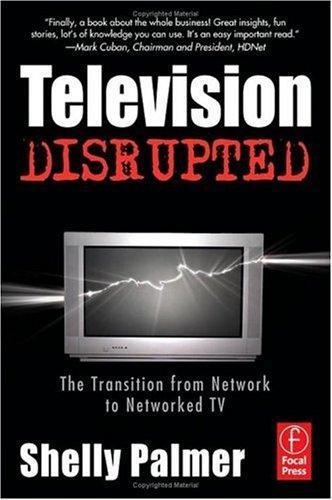
Television disrupted: the transition from network to networked TV
by Shelly Palmer · 14 Apr 2006 · 406pp · 88,820 words
morning show?” In a time-shifted, networked world, these programming concepts and the financial models associated with them will cease to be relevant. Since the Golden Age of Television, the television show has been the branded store of economic value for the industry. Network line-ups are solutions to technological restrictions, and they are
…
the early 1950s, but consumers didn’t like the bulky cables so they really didn’t take. The first practical mechanical avoidance occurred during the Golden Age of Television. In 1955, Zenith introduced the “Zenith Space Command.” It was immediately nicknamed “the clicker” because when you pressed the button it made a distinctive clicking
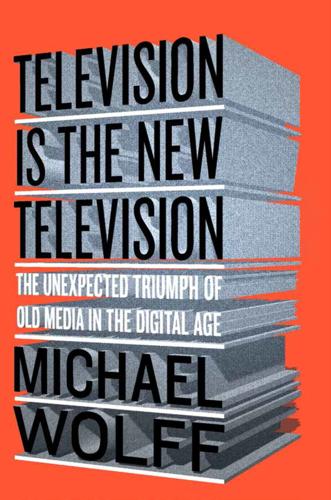
Television Is the New Television: The Unexpected Triumph of Old Media in the Digital Age
by Michael Wolff · 22 Jun 2015 · 172pp · 46,104 words
wide and serendipitous selection, it is a world of predictable patterns: sequels, remakes, and franchise films (what studios know the market wants). The new new golden age of television has happened because there is no precise accounting. AMC can produce Mad Men because AMC is part of the cable package, whether you watch Mad
The Thank You Economy
by Gary Vaynerchuk · 1 Jan 2010 · 197pp · 59,946 words
, they will see amazing returns on that investment. Earned media, too, will become increasingly relevant. Just as there was a golden age of radio, a golden age of television, and one for movies, social media platforms have brought us into the golden age of earned media. Consumers are tired of being sold to. An
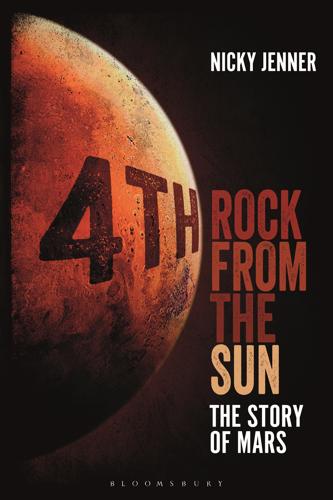
4th Rock From the Sun: The Story of Mars
by Nicky Jenner · 5 Apr 2017 · 294pp · 87,986 words
way to do this, they thought, was via television – and the timing was certainly right! The decades following the late 1940s are commonly dubbed ‘the Golden Age of Television’. ‘To make people believe that spaceflight was a possibility was [von Braun’s] greatest accomplishment,’ said Mike Wright, a staff historian for NASA’s Marshall
Gamers at Work: Stories Behind the Games People Play
by Morgan Ramsay and Peter Molyneux · 28 Jul 2011 · 500pp · 146,240 words
, but I loved being an entrepreneur. I vowed to do it again, but to be much better prepared the next time. This was also the golden age of television, so my friends were basically telling me that they’d rather watch television, which was simple and offered high fidelity. In 1971, I heard about
Everything Bad Is Good for You: How Popular Culture Is Making Us Smarter
by Steven Johnson · 5 Apr 2006 · 250pp · 9,029 words
dramas that followed , from thirty something to Six Feet Under-is the structure of a soap opera . Hill Street Blues might have sparked a new golden age of television drama during its seven -year run , but it did so by using a few crucial tricks that Guiding Light and Gen eral Hospital had mastered
…
? I think it does, but to answer that question properly, you have to avoid the tendency to sentimentalize the past. When people talk about the golden age of television i n the early seventies-i nvoking shows like Mary TyLer Moore and ALL in the FamiLy-they forget to mention how awful most tel
Chokepoint Capitalism
by Rebecca Giblin and Cory Doctorow · 26 Sep 2022 · 396pp · 113,613 words
harder for creative people to get compensated for the actual monetary value of what we contribute.”11 The reality is that, despite this being the golden age of television, fewer and fewer of the spoils are going to the creators who make it happen—just as in all the other culture industries we’ve
…
and other conflicts of interest that were diverting money away from their clients and into their own pockets. Although we’re in the so-called Golden Age of television, with record profits and an unprecedented number of scripted shows in production, writers’ compensation has been in decline even as executives and agents have been
But What if We're Wrong? Thinking About the Present as if It Were the Past
by Chuck Klosterman · 6 Jun 2016 · 281pp · 78,317 words
time, before TV decided to get good. What I’m talking about, in essence, is a disrespected thirty-five-year window of time. The first Golden Age of Television started in the late 1940s and lasted until the demise of Playhouse 90 in 1960; this was a period when the newness of TV allowed
…
for unprecedented innovations in populist entertainment. The second Golden Age of Television started in the late 1990s (with The Sopranos and Freaks and Geeks and the mass metabolizing of Seinfeld) and is just now starting to fade
Thinking About It Only Makes It Worse: And Other Lessons From Modern Life
by David Mitchell · 4 Nov 2014 · 354pp · 99,690 words
that programme three decades ago. I can’t help feeling that they don’t make shows like that any more – that the 1970s was the golden age of television, certainly of children’s television. The medium had come of age but not yet lost its youthful verve. A joyous psychedelic creativity was finding its
Hit Makers: The Science of Popularity in an Age of Distraction
by Derek Thompson · 7 Feb 2017 · 416pp · 108,370 words
, the average presidential sound bite on the news shrank from forty seconds in 1968 to less than seven seconds in the 1990s. Cable created the golden age of television, but it ended the golden age of presidential communication. The president is shrinking, and so is the political party. For the past half century, the
Binge Times: Inside Hollywood's Furious Billion-Dollar Battle to Take Down Netflix
by Dade Hayes and Dawn Chmielewski · 18 Apr 2022 · 414pp · 117,581 words
The Rise and Fall of American Growth: The U.S. Standard of Living Since the Civil War (The Princeton Economic History of the Western World)
by Robert J. Gordon · 12 Jan 2016 · 1,104pp · 302,176 words

Health and Safety: A Breakdown
by Emily Witt · 16 Sep 2024 · 242pp · 85,783 words
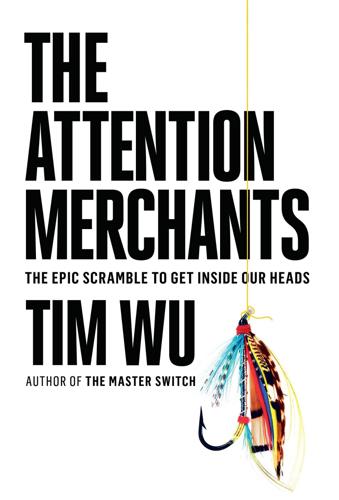
The Attention Merchants: The Epic Scramble to Get Inside Our Heads
by Tim Wu · 14 May 2016 · 515pp · 143,055 words
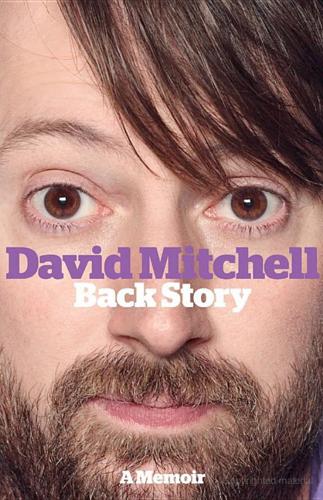
David Mitchell: Back Story
by David Mitchell · 10 Oct 2012 · 335pp · 114,039 words
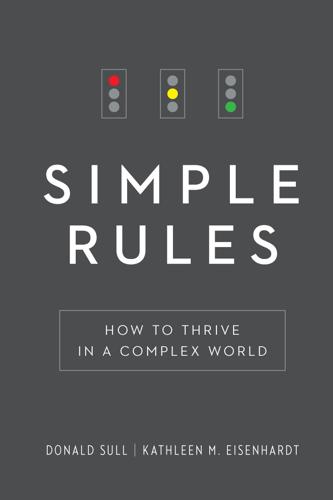
Simple Rules: How to Thrive in a Complex World
by Donald Sull and Kathleen M. Eisenhardt · 20 Apr 2015 · 294pp · 82,438 words
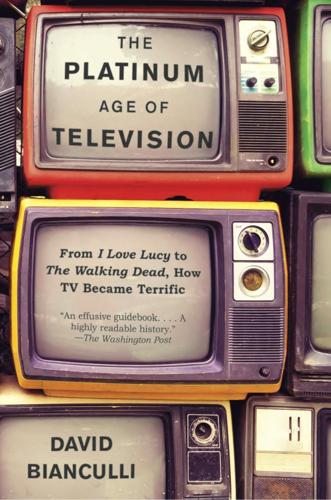
The Platinum Age of Television: From I Love Lucy to the Walking Dead, How TV Became Terrific
by David Bianculli · 15 Nov 2016 · 676pp · 203,386 words
What Would Google Do?
by Jeff Jarvis · 15 Feb 2009 · 299pp · 91,839 words
Move Fast and Break Things: How Facebook, Google, and Amazon Cornered Culture and Undermined Democracy
by Jonathan Taplin · 17 Apr 2017 · 222pp · 70,132 words
Pandora's Box: How Guts, Guile, and Greed Upended TV
by Peter Biskind · 6 Nov 2023 · 543pp · 143,084 words
Do You Mind if I Cancel?: (Things That Still Annoy Me)
by Gary Janetti · 21 Oct 2019 · 109pp · 39,462 words
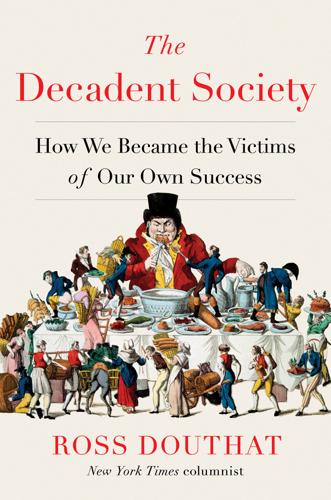
The Decadent Society: How We Became the Victims of Our Own Success
by Ross Douthat · 25 Feb 2020 · 324pp · 80,217 words