
Doppelganger: A Trip Into the Mirror World
by Naomi Klein · 11 Sep 2023
just off Wall Street in Manhattan. I was about to open the door when I heard two women talking about me. “Did you see what Naomi Klein said?” I froze, flashing back to every mean girl in high school, pre-humiliated. What had I said? “Something about how the march today is
…
gown, a melee documented by a bank of cameras. This is what the women in the bathroom were referring to when they talked about how “Naomi Klein” did not understand their demands. I had paid only peripheral attention to Wolf’s antics as they unfolded—they were just one of many bizarre
…
has happened to her??”). And with glib expressions of sympathy (“The real victim in all this here is Naomi Klein” and “Thoughts and prayers to Naomi Klein”). How much does this identity merger happen? Enough that there is a viral poem, first posted in October 2019, that invariably shows up in these
…
traced to “a very highly followed influencer in what we call the pseudo-medical community”: Naomi Wolf. Or, for those reading a little too fast: Naomi Klein. * * * This flurry of activity by Other Naomi during the Covid era meant that the stakes of getting confused with her had become significantly higher than
…
Naomi had said now but equally delighted in the prospect that I would get at least some of the credit/blame (“Thoughts and prayers to Naomi Klein”). We were a pastime for profoundly bored people addicted to dopamine hits from our machines. It was giving people not pleasure exactly, but something synthetically
…
warned about in my books. “I think she’s been got at!” someone whose handle is “RickyBaby321” said of me, telling Wolf, “I have relegated Naomi Klein to the position of being: ‘The Other Naomi’!” It’s a vertiginous thing to be harangued on social media about your alleged misunderstanding of your
…
than once, someone typed: “OMG. I just now realized they are not the same person.” Or: “TIR [today I realized] that Naomi Wolf is not Naomi Klein and honestly things make a bit more sense now.” Someone else claimed The Shock Doctrine was “One of the most informative books written” and that
…
utterly confused by Wolf’s actions because he had been attributing them to me the whole time. The problem, as he saw it, was obvious: “Naomi Klein should sue for trademark dilution and brand harm.” In short, according to Hon, my brand was in crisis. I looked for a current definition of
…
unlikely … five years ago, the idea that you and I would be breaking bread … I sort of bracketed you with the other Naomi—you know, Naomi Klein, Naomi Wolf, what’s the difference?” (Insert silent scream from me.) He went on: “And now, here we are. I mean, I think we are
…
, a columnist for The Nation and an avid Wolf watcher, wrote after one of her more egregious streaks of Covid misinformation, “At this point, confusing Naomi Klein with Naomi Wolf is just anti-Semitism. I’m sorry, I don’t make the rules. Your brain should be able to handle more than
…
way”: Jules Gleeson, “Judith Butler: ‘We Need to Rethink the Category of Woman,’” The Guardian, September 7, 2021. 1. Occupied You could look it up: Naomi Klein, “Occupy Wall Street: The Most Important Thing in the World Now,” The Nation, October 6, 2011. “I found out what it was”: Naomi Wolf, “The
…
Sounds Alarm at Growing Power of ‘Autocratic Tyrants,’” Tucker Carlson Tonight, Fox News, February 22, 2021. “This is your periodic reminder”: Naomi Klein @NaomiAKlein, tweet, February 23, 2021, Twitter. “Still here, sadly”: Naomi Klein @NaomiAKlein, tweet, June 5, 2021, Twitter. “a much-hyped medical crisis”: Naomi Wolf, 2021 introduction to The End of America
…
(New International Version). “Where you go, I will go”: Ruth 1:16 (New International Version). 3. My Failed Brand, or Call Me by Her Name “Naomi Klein should sue”: Dan Hon @hondanhon, tweet, May 8, 2021, Twitter. “Stretching Capacity Too Thin”: “Brand Dilution: Definition, Causes and Examples,” MediaValet, March 2, 2021. “likely
…
YouTube, March 30, 2021. “reason” and “democracy”: The Great Dictator, at 2:02:40. 8. Ridiculously Serious, Seriously Speechless cache of leaked Carlyle Group documents: Naomi Klein, “James Baker’s Double Life,” The Nation, October 12, 2004. “They tried to implement this doctrine of shock”: Alexis Tsipras and Slavoj Žižek, “The Role
…
Who Became a Conspiracy Theorist—She’s a Conspiracist Who Was Once Right,” New Statesman, October 7, 2014. “There has been a distinct warming up”: Naomi Klein, “Screen New Deal,” The Intercept, May 8, 2020. “CEO of a tech company”: “Watch Dr Naomi Wolf Discuss ‘Why Vaccine Passports Equal Slavery Forever,’” DailyClout
…
last thing”: George Manuel and Michael Posluns, The Fourth World: An Indian Reality (Don Mills, Ontario: Collier-Macmillan Canada, 1974), 65. “They stole the children”: Naomi Klein, “Stealing Children to Steal the Land,” The Intercept, June 16, 2021. “be honest with ourselves about our history”: Justin Trudeau, “Trudeau Says Canadians ‘Must Be
…
, Socialism or Barbarism: Selected Writings, ed. Paul Le Blanc and Helen C. Scott (London: Pluto, 2010). “when I think of the land as my mother”: Naomi Klein, “Dancing the World into Being: A Conversation with Idle No More’s Leanne Simpson,” Yes Magazine, March 6, 2013. “precarious, dependent”: Sunaura Taylor, “Age of
…
el-Fattah) Young Karl Marx, The Youngkin, Glenn YouTube; Wolf’s “slavery forever” video on Zionism Žižek, Slavoj zozobra Zuboff, Shoshana Zuckerberg, Mark Also by Naomi Klein No Logo Fences and Windows The Shock Doctrine This Changes Everything No Is Not Enough The Battle for Paradise On Fire How to Change Everything
…
A Note About the Author Naomi Klein is an award-winning journalist and documentary filmmaker, and a New York Times bestselling author of books including No Logo, The Shock Doctrine, This Changes
…
FOUR: FACING THE REAL 15. Unselfing Epilogue: Who Is the Double? Notes Acknowledgments Index Also by Naomi Klein A Note About the Author Copyright Farrar, Straus and Giroux 120 Broadway, New York 10271 Copyright © 2023 by Naomi Klein All rights reserved First edition, 2023 Grateful acknowledgment is made for permission to reprint a stanza
No Is Not Enough: Resisting Trump’s Shock Politics and Winning the World We Need
by Naomi Klein · 12 Jun 2017 · 357pp · 94,852 words
Copyright © 2017 Naomi Klein Published in 2017 in the United States by Haymarket Books, and simultaneously in Canada by Alfred A. Knopf, a division of Penguin Random House Canada
…
” Kellyanne Conway, tweet, posted by @KellyannePolls, January 27, 2017, https://twitter.com/KellyannePolls/status/825358733945475073. Halina Bortnowska: “the difference between dog years and human years…” Naomi Klein, The Shock Doctrine: The Rise of Disaster Capitalism (Toronto: Alfred A. Knopf Canada, 2007), 217. Donald Trump: “torture works” Arlette Saenz, “President Trump Tells ABC
…
, tweet, posted by @realDonaldTrump, January 25, 2017, https://twitter.com/realdonaldtrump/status/824080766288228352?lang=en. César Aira: “Any change is a change in the topic” Naomi Klein, The Shock Doctrine: The Rise of Disaster Capitalism (Toronto: Alfred A. Knopf Canada, 2007). UK’s Conservative government: become a tax haven for all of
…
and Spending Cuts Needed,” BBC.com, June 23, 2016, http://www.bbc.com/news/uk-politics-eu-referendum-36647006. Donald Rumsfeld: “Milton is the embodiment…” Naomi Klein, The Shock Doctrine: The Rise of Disaster Capitalism (Toronto: Alfred A. Knopf Canada, 2007), 138. PART I – HOW WE GOT HERE: RISE OF THE SUPERBRANDS
…
, 2017, http://www.businessinsider.com/trump-union-leaders-labor-secretary-2017-2. Labor leaders, representing around a quarter of all unionized workers in the US Naomi Klein, “Labor Leaders’ Cheap Deal with Trump,” New York Times, February 7, 2017, https://www.nytimes.com/2017/02/07/opinion/labor-leaders-cheap-deal-with
…
-trades-activists-stand-trump. Remembering a Powerful Global Movement July 2001: roughly 300,000 people were on the streets of Genoa during a G8 meeting Naomi Klein, The Shock Doctrine: The Rise of Disaster Capitalism (Toronto: Alfred A. Knopf Canada, 2007), 236. Cochabamba and Bechtel: “water war” Emily Achtenberg, “From Water Wars
…
economy scream” Peter Kornbluh, “Kissinger and Chile: The Declassified Record,” National Security Archive, George Washington University, September 11, 2013. Friedman: “shock treatment” approach to economics Naomi Klein, The Shock Doctrine: The Rise of Disaster Capitalism (Toronto: Alfred A. Knopf Canada, 2007), 94. Eduardo Galeano: “How can this inequality…” Eduardo Galeano, Days and
…
, http://www.naomiklein.org/shock-doctrine/resources/part7/chapter20/pro-market-ideas-katrina. Kleptocracy Free-For-All Baghdad gang of contractors descended on New Orleans Naomi Klein, The Shock Doctrine: The Rise of Disaster Capitalism (Toronto: Alfred A. Knopf Canada, 2007), 506. The company FEMA paid $5.2 million to build a
…
base camp for emergency workers Naomi Klein, The Shock Doctrine: The Rise of Disaster Capitalism (Toronto: Alfred A. Knopf Canada, 2007), 495. FEMA paid Shaw $175 per square foot to install blue
…
tarps on damaged roofs, even though tarps themselves provided by the government… Naomi Klein, The Shock Doctrine: The Rise of Disaster Capitalism (Toronto: Alfred A. Knopf Canada, 2007), 496. In November 2005, the Republican-controlled Congress announced that it
…
needed to cut $40 billion from the federal budget… Naomi Klein, The Shock Doctrine: The Rise of Disaster Capitalism (Toronto: Alfred A. Knopf Canada, 2007), 496. Disastrous response to Katrina sparked an approval ratings free fall
…
for the Super-Rich,” New Yorker, January 30, 2017, http://www.newyorker.com/magazine/2017/01/30/doomsday-prep-for-the-super-rich. Help Jet Naomi Klein, The Shock Doctrine: The Rise of Disaster Capitalism (Toronto: Alfred A. Knopf Canada, 2007), 499. Manhattan condominium: “submarine-style” Julie Satow, “The Generator Is the
…
.html. “Wildfire Protection Unit,” American International Group, Inc., accessed April 16, 2017, https://www-200.aigprivateclient.com/index.php?Page=wildfire-protection-how-it-works. Naomi Klein, This Changes Everything: Capitalism vs. the Climate (New York: Simon & Schuster, 2014), 52. California wildfire fighting: inmates California Department of Corrections and Rehabilitation, “Conservation (Fire
…
, “Remarks at the Milan Expo 2015,” press release, October 17, 2015, accessed from https://groups.google.com/forum/#!topic/wanabidii/Xp6wYBlQIOg. Eyal Weizman: “astounding coincidence” Naomi Klein, “Let Them Drown,” London Review of Books 38, no. 11 (June 2, 2016), https://www.lrb.co.uk/v38/n11
…
/naomi-klein/let-them-drown. Eyal Weizman and Fazal Sheikh, The Conflict Shoreline: Colonialism as Climate Change in the Negev Desert (Göttingen, Germany: Steidl, 2015), 99. Center
…
-climate-denial-executive-order/; and author’s personal communication with Alleen Brown, n.d. When Argentina Said No Time magazine: Argentina’s economy a “miracle” Naomi Klein, The Shock Doctrine: The Rise of Disaster Capitalism (Toronto: Alfred A. Knopf Canada, 2007), 209. Fernando de la Rúa “groups that are enemies of order
…
…” Naomi Klein, “Out of the Ordinary,” Guardian, January 25, 2003, https://www.theguardian.com/world/2003/jan/25/argentina.weekend7. Argentina: thirty-day state of siege Clifford
…
Fire: People’s Rebellion Facing the Deep Crisis of the Neoliberal Market Economy,” Democracy & Nature 8, no. 2 (2002): 331–35. Argentina: 250 “asambleas barriales” Naomi Klein, “Out of the Ordinary (Part Two),” Guardian, January 25, 2003, https://www.theguardian.com/world/2003/jan/25/argentina.weekend72. When Spain Said No March
…
.theguardian.com/us-news/2017/mar/21/dakota-access-pipeline-ing-sells-stake-loan-standing-rock. Tokata Iron Eyes: “Like I have my future back” Naomi Klein, “The Lesson from Standing Rock: Organizing and Resistance Can Win,” Nation, December 4, 2016, https://www.thenation.com/article/the-lesson-from-standing-rock-organizing
…
://newint.org/features/web-exclusive/2016/02/05/take-the-leap-manifesto/. Energy Reparations Roughly half of Germany’s renewable energy facilities are community controlled Naomi Klein, This Changes Everything (Toronto: Alfred A. Knopf Canada, 2014), 131. Denmark in 2000: 85 percent of wind turbines owned by small players International Renewable Energy
…
.theglobeandmail.com/opinion/editorials/leap-manifesto-gets-poor-marks-for-timing-and-content-otherwise-fine/article26373885/. “National suicide” Conrad Black, “Conrad Black: Few Will Support Naomi Klein’s Revolution, Thankfully Sparing Us from National Suicide,” National Post (Toronto), September 19, 2015, http://news.nationalpost.com/full-comment/conrad-black-few-will-support
…
-naomi-kleins-revolution-thankfully-sparing-us-from-national-suicide. National poll on Leap: majority of Liberals, NDPs, Greens; 20 percent of Conservatives EKOS Politics, “Wise Crowds and
…
/wise-crowds-and-the-future/. Utopia—Back by Popular Demand Alicia Garza: “whether it be Occupy Wall Street…” “Inauguration 2017 Special Coverage w/ Angela Davis, Naomi Klein, Ralph Nader & More,” transcript of live video coverage, Democracy Now!, January 20, 2017, https://www.democracynow.org/live/inauguration_2017_live_coverage. Vision for Black
…
are for patient little Toma, who missed his mom over these last months, but feels strongly that, “Donald Trump is too rude to be president.” NAOMI KLEIN is an award-winning journalist, syndicated columnist, documentary filmmaker and author of the international bestsellers No Logo: Taking Aim at the Brand Bullies, The Shock
This Changes Everything: Capitalism vs. The Climate
by Naomi Klein · 15 Sep 2014 · 829pp · 229,566 words
of Paying Our Debts 13. The Right to Regenerate: Moving from Extraction to Renewal Conclusion The Leap Years: Just Enough Time for Impossible Acknowledgments About Naomi Klein Notes Index For Toma “We need to remember that the work of our time is bigger than climate change. We need to be setting our
…
toddler patience. He is about to learn that the world is a lot bigger than our neighborhood. Photograph © Suzanne DeChillo/The New York Times/Redux NAOMI KLEIN is an award-winning journalist and the author of the critically acclaimed #1 international bestseller The Shock Doctrine: The Rise of Disaster Capitalism and No
…
.org and a Puffin Foundation Writing Fellow at The Nation Institute. MEET THE AUTHORS, WATCH VIDEOS AND MORE AT SimonandSchuster.com authors.simonandschuster.com/Naomi-Klein ALSO BY NAOMI KLEIN The Shock Doctrine: The Rise of Disaster Capitalism No Logo: Taking Aim at the Brand Bullies Fences and Windows: Dispatches from the Front Lines
…
://www.nature.org. 18. “Consolidated Financial Statements,” Nature Conservancy, June 30, 2012, pp. 20-21; “Consolidated Financial Statements,” Nature Conservancy, June 30, 2013, p. 21; Naomi Klein, “Time for Big Green to Go Fossil Free,” The Nation, May 1, 2013; FOOTNOTE: Mark Tercek email communication to senior managers, August 19, 2013. 19
…
. 31, http://www.edf.org. DONATION POLICY: “Corporate Donation Policy,” How We Work, Environmental Defense Fund, http://www.edf.org; “WOULD UNDERMINE”: Eric Pooley, “Viewpoint: Naomi Klein’s Criticism of Environmental Groups Missed the Mark,” Climate Progress, September 11, 2013; Michelle Harvey, “Working Toward Sustainability with Walmart,” Environmental Defense Fund, September 18
…
, Say MEPs,” European Parliament, press release, November 21, 2012. 35. Andrea Schmidt, “Heirs of Anti-Apartheid Movement Rise Up,” Al Jazeera, December 15, 2013. 36. Naomi Klein, “Time for Big Green to Go Fossil Free,” The Nation, May 1, 2013; “Commitments,” Fossil Free, 350.org, http://gofossilfree.org; “Stanford to Divest from
…
zero-waste design, 16 Zimbabwe, famine in, 272 Simon & Schuster 1230 Avenue of the Americas New York, NY 10020 www.SimonandSchuster.com Copyright © 2014 by Naomi Klein All rights reserved, including the right to reproduce this book or portions thereof in any form whatsoever. For information address Simon & Schuster Subsidiary Rights Department
…
.simonspeakers.com. Interior design by Joy O’Meara Library of Congress Cataloging-in-Publication Data Klein, Naomi, 1970– This changes everything : capitalism vs. the climate / Naomi Klein.—First Simon & Schuster hardcover edition. pages cm Includes bibliographical references and index. 1. Environmental economics. 2. Environmental policy—Economic aspects. 3. Climatic changes—Economic aspects
Consumed: How Markets Corrupt Children, Infantilize Adults, and Swallow Citizens Whole
by Benjamin R. Barber · 1 Jan 2007 · 498pp · 145,708 words
not be impeded by pluralism. A global consumer economy in a world of differentiated cultures depends on the ability to sell uniform goods. According to Naomi Klein, the question is quite precisely: “What is the best way to sell identical products across multiple borders? What voice should advertisers use to address the
…
the global marketplace—a twenty-something Turkish Kurd who is a Muslim—through contrived brand identities without borders: a twenty-something MTV-watching Pepsi drinker. Naomi Klein was one of the first to confront branding critically, observing in the mid-1990s that “what most global ad campaigns are still selling most aggressively
…
(how it sells its products) represents a remarkable step forward, one requiring targeting and infantilizing consumers in a fashion utterly foreign to productivist capitalism. While Naomi Klein points amusingly to what she calls the “deep New Age streak” of the corporate world, much more is at stake than tree hugging and whale
…
Charles Gibson as “Dad,” and hence “Patriarch,” with Diane Sawyer as “the lover of all culture” and newsreader Robin Roberts as “the best friend.”41 Naomi Klein has reported in depth in her No Logo on what she calls these “‘brand vision’ epiphanies,” which she found under every marketing stone she turned
…
Jeans is a lifestyle “movement.” The idea is to embody a set of values, to deploy “attribute brands”—not to actually manufacture something, but, as Naomi Klein insists Tommy Hilfiger is doing, to be “in the business of signing his name.”42 Many brands today revolve around celebrities and personalities, from those
…
that it trivializes the logoed item itself: Don’t worry about what we’re selling, just buy the symbol we’ve stamped on it.”73 Naomi Klein has also been a critic, arguing that playing the marketing game in the name of antimarketing still expands the crowded and homogenizing space where marketing
…
life in youthful good health” (from the website www.cryonics.org). 48. Chip Walker, “Can TV Save the Planet?” American Demographics, May 1996, cited in Naomi Klein, No Logo: Taking Aim at the Brand Bullies (New York: Picador, 2000), p. 119. 49. Klein, No Logo, p. 115. 50. A blurb from Helen
…
Venture, 2000), p. 54. 9. Marc Gobé, Emotional Branding: The New Paradigm for Connecting Brands to People (New York: Allworth Press, 2001), p. xiv. 10. Naomi Klein, No Logo: Taking Aim at the Brand Bullies (New York: Picador, 2000), p. 120. 11. Shawn Carkonen, Amazon editorial review of David Brooks, Bobos in
…
for $3.8 billion in August 2005, in the hope that the merger might challenge Nike (and LeBron James) for a larger market share. 45. Naomi Klein quotes ad executives Sam Hill, Jack McGrath, and Sandeep Dayal as arguing that their research proves “You can indeed brand not only sand, but also
…
. Actually, the Business for Diplomatic Action/McNeel spin is more or less the same as America’s spin, and has had little impact. See also Naomi Klein, “Can Democracy Survive Bush’s Embrace?” The Nation, March 28, 2005. 102. Gobé, Citizen Brand, p. 230. Gobé cites as examples Verizon’s post-9
…
, when marketed in this way, become common fashions. The result is less variety rather than more. 77. A Canadian department store advertising slogan, cited by Naomi Klein, No Logo: Taking Aim at the Brand Bullies (New York: Picador, 2000), p. 119. 78. Horkheimer and Adorno, Dialectic of Enlightenment, p. 121. 79. The
…
the ideology of the swoosh, which assumes that there is no better way to express ourselves than through the logos we choose (or reject)?” 74. Naomi Klein, quoted in William MacDougall, “Just Screw It!: Adbusters takes on the might of Nike,” Seven Oaks magazine, March 29, 2004. 75. Lasn, Culture Jam, p
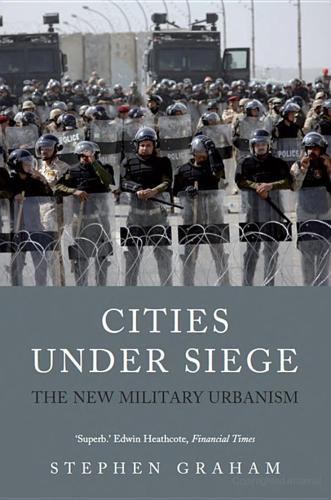
Cities Under Siege: The New Military Urbanism
by Stephen Graham · 30 Oct 2009 · 717pp · 150,288 words
colonialism, prove especially useful for neoliberal globalization. Here we confront the complex political economies of the new military urbanism and their central integration into what Naomi Klein has diagnosed as the tendency within contemporary neoliberal capitalism to engineer and/or to profit from catastrophic ‘natural’ or political-economic shocks.93 At issue
…
, ‘A Shattering Moment in America’s Fall from Power’, Observer, 28 October 2008. 92 Achille Mbembe, ‘Necropolitics’ Public Culture 15: 1, 2003, 11–40. 93 Naomi Klein, The Shock Doctrine: The Rise of Disaster Capitalism, London: Allen Lane, 2007. 94 The term ‘new state spaces’ comes from the pioneering book of that
…
the disposal or warehousing of capitalism’s surplus humanity are the places where exemplars for securocratic warfare are ‘concretely being assembled, tried, and tested’.93 Naomi Klein has argued that Israel’s experiments in incarcerating the entire population of Gaza and the West Bank serve a similar role.94 In the Indian
…
. 110 Phil Agre, ‘Your Face Is Not a Bar Code: Arguments Against Automatic Face Recognition in Public Places’, Whole Earth 106, 2001, 74–77. 111 Naomi Klein, ‘Police State 2.0’, Guardian, 3 June 2008. 112 Cited in Ian Brown, Privacy & Law Enforcement, report for the UK Information Commissioner Study Project, 2007
…
challenges of Israel are the security concerns of the United States writ small.42 A central component of the high-tech renaissance of Israel – what Naomi Klein has called the ‘standing disaster Apartheid state’43 – has been the gradual convergence between US military doctrine in post-invasion Iraq and the established Israeli
…
branding of the new techniques and technologies of urban militarization have been a major selling point. ‘Many of the country’s most successful entrepreneurs’, observes Naomi Klein, ‘[are now] using Israel’s status as a fortressed state, surrounded by furious enemies, as a kind of twenty-four-hour-a-day showroom – a
…
to the rhetoric of both Israel and the US, these exemplars of new military urbanism are not being mobilized to win a war. Rather, as Naomi Klein argues, their generalization and circulation serve primarily to underpin a new political-economic structure she labels the ‘disaster capitalism complex’.125 Such a constellation thrives
…
March 2003. 97 Bernel Goldberg, ‘Introduction to WTCTA Breakfast Series: Israeli Investment and Trade Opportunities with the Pacific Northwest’, 4 May 2007, Tacoma, WA. 98 Naomi Klein, ‘Laboratory for a Fortressed World’, The Nation, 14 June 2007. 99 Donald Snyder, ‘Israel’s Technology Creates an Investment Goliath’, Fox Business. com, 16 January
…
-Israel HLS Technologies Conference and B2B (Business to Business) Meetings between Israeli and US Companies’, 16–18 January 2007, available at www.fairfaxcountyeda.org. 102 Naomi Klein, ‘Laboratory for a Fortressed World’. 103 Israel High-Tech Investment Report, February 2008, available at www.ishitech.co.il. 104 Klein, ‘Laboratory for a Fortressed
…
the survival of urbanites but rather to smooth the way for the installation of client régimes. Certainly, intact infrastructures greatly facilitate the imposition of what Naomi Klein calls the ‘shock doctrine’, now so central to neoliberal capitalism: a political economy which preys on and consumes geographies, resources and countries in the aftermath

Never Let a Serious Crisis Go to Waste: How Neoliberalism Survived the Financial Meltdown
by Philip Mirowski · 24 Jun 2013 · 662pp · 180,546 words
crisis stronger than when they were paving the way for its onset. It is one thing to glibly appeal to a nefarious “Shock Doctrine” (see Naomi Klein), it is another to comprehend in detail how the reckoning was evaded: something here dubbed the “Shock Block Doctrine.” Neoliberalism is alive and well; those
…
on such basic terms as “market” and “freedom” in all respects, as we shall observe below. One can even agree with Brenner et al. and Naomi Klein that crisis is the preferred field of action for neoliberals, since that offers more latitude for introduction of bold experimental ‘reforms’ that only precipitate further
…
, have come to concoct a much more plausible justification of the phenomenon. They have carefully read and absorbed their leftist critics, from Thorstein Veblen to Naomi Klein, and far from rejecting them outright, they openly use their ideas to render the process of persuasion both more unconscious and more effective.87 Neoliberals
Blackwater: The Rise of the World's Most Powerful Mercenary Army
by Jeremy Scahill · 1 Jan 2007 · 924pp · 198,159 words
also missed the biggest story in the war zone: that Iraq is more than a failed occupation; it’s a radical experiment in corporate rule.”—Naomi Klein, The Guardian (London) “Andy McNab couldn’t have invented this prescient tale of the private army of mercenaries run by a Christian conservative millionaire who
…
well remit everything they owe directly to [contractors] rather than to the [government],” according to a 2007 investigative report in Vanity Fair.190 As journalist Naomi Klein put it, “According to this radical vision, contractors treat the state as an ATM, withdrawing massive contracts to perform core functions like securing borders and
…
transnational corporations. The division was called Crisis Consulting Practice and offered companies “total counterterrorism services.” To sell this expensive insurance to U.S. corporations, wrote Naomi Klein in The Nation, “Bremer had to make the kinds of frank links between terrorism and the failing global economy that activists are called lunatics for
…
was not confined to his religion. Upon his arrival, he moved swiftly to begin building the neoconservative vision in Iraq, ushering in a period that Naomi Klein labeled “Baghdad Year Zero.” True to form, after just two weeks in the country, Bremer declared that Iraq was “open for business.”39 The centerpiece
…
happened. Thanks again to Garrett Ordower for everything. Gratitude to my friend and agent Anthony Arnove, who has believed in my work since we met. Naomi Klein for her undying friendship, solidarity, and support. Thank you to Daniela Crespo for her support. My compañeros Sharif Abdel Kouddous, Ana Nogueira, Carmen Trotta, and
…
. 188 Senate Lobbying Records. 189. Author interview, February 2008. 190 Donald Bartlett and James Steele, “Washington’s $8 Billion Shadow,” Vanity Fair, March 2007. 191 Naomi Klein, “Outsourcing Government,” Los Angeles Times, October 20, 2007. 192 Author interview, July 2007. 193 Jeremy Scahill, “All Cowboys Out Now,” The Nation, November 26, 2007
…
Our Foes,” Wall Street Journal, September 13, 2001. 7 Fox Special Report with Brit Hume transcript, “Terrorism Hits America,” Fox News, September 11, 2001. 8 Naomi Klein, “Downsizing in Disguise,” The Nation, June 23, 2003. 9 Ibid. 10 Ibid. 11 L. Paul Bremer, My Year in Iraq, pp. 6-7. 12 Knut
…
Royce (Newsday), “Diplomat Expected to Take Charge in Iraq; Bremer to Replace Garner as Leader of Postwar Transition,” Seattle Times, May 2, 2003. 13 Naomi Klein, “Downsizing in Disguise,” The Nation, June 23, 2003. 14 Romesh Ratnesar with Simon Robinson, “Life Under Fire,” Time, July 14, 2003. 15 David Leigh, “General
…
Year in Iraq, Bremer describes Defense Secretary Rumsfeld as giving him his “marching orders” regarding de-Baathification with Feith doing the groundwork, p. 39. 21 Naomi Klein, “Baghdad Year Zero,” Harper’s, September 2004. 22 Lara Marlowe, “Mission Impossible,” Irish Times, April 17, 2004. 23 Anthony Shadid, Night Draws Near, p. 152
…
Visit With Ambassador and Mrs. Bremer,” June 27, 2006. 38 Mark Zimmermann, “Iraq Envoy Says Faith Gives Him Strength,” Catholic Standard, June 19, 2003. 39 Naomi Klein, “Baghdad Year Zero,” Harper’s, September 2004. 40 Ibid. 41 Jeff Madrick, “Economic Scene; The Economic Plan for Iraq Seems Long on Ideology, Short on

A Line in the Tar Sands: Struggles for Environmental Justice
by Tony Weis and Joshua Kahn Russell · 14 Oct 2014 · 501pp · 134,867 words
in. The editors’ proceeds from this book will be donated to frontline grassroots environmental justice groups and campaigns. Table of Contents List of Contributors Foreword NAOMI KLEIN AND BILL MCKIBBEN Introduction: Drawing a Line in the Tar Sands TONY WEIS, TOBAN BLACK, STEPHEN D’ARCY, AND JOSHUA KAHN RUSSELL Part I: Tar
…
a PhD candidate in Geography at Carleton University in Ottawa. His research interests include critical perspectives on growth, energy, and transportation, and environmental political economy. Naomi Klein is an award-winning journalist, syndicated columnist, and author of the international bestsellers The Shock Doctrine and No Logo (both with Picador). Melina Laboucan-Massimo
…
a doctoral student in Political Science at York University, analyzing the nature of “green work” and the recycling sectors in Toronto and Buenos Aires. Foreword NAOMI KLEIN AND BILL McKIBBEN The fight over the tar sands is among the epic environmental and social justice battles of our time, and one of the
…
easier to balance a bicycle once it was already in motion. By combining some elbow grease with the vision of 350.org board members like Naomi Klein and Bill McKibben, we were able to garner support from some big-name public intellectuals, celebrity advocates, movement leaders, and scientists, like Maude Barlow, Wendell
…
that given a sense of urgency, with all of the information on the table, and the media interest towards our spokespeople like Bill McKibben and Naomi Klein, participants could be fully engaged and prepared for the action. They knew they may need an extra day off work, in case they were held
…
an end to what Native American activist, author, and vice-presidential candidate Winona LaDuke has described as “predator economics,”1 and what activist and author Naomi Klein rightfully describes as “shock doctrine” economics.2 Little did I know that all of these experiences were preparing me for what would be one of
…
election, the president began talking green again, promising that now climate change would be a priority—but this growing resistance is, I think, unconvinced. As Naomi Klein has warned, Obama’s first term must be a lesson to all activists that the appearance of a progressive leader should not lull us into
…
Economics, Human Rights, and Indigenous Peoples” at NYU, November 13, 2013, www.law.nyu.edu/news/winona-laduke-delivers-the-20th-annual-sheinberg-lecture. 2. Naomi Klein, The Shock Doctrine: The Rise of Disaster Capitalism (Toronto: Knopf Canada, 2007). 3. James Cameron, Tar Sands Press Conference, September 29, 2010, www.youtube.com

The Uninhabitable Earth: Life After Warming
by David Wallace-Wells · 19 Feb 2019 · 343pp · 101,563 words
in a world more barren of resources, and more mournful of recent apparent abundance, now disappeared. This last is more or less the model that Naomi Klein memorably sketched out in The Shock Doctrine, in which she documents just how monolithically the forces of capital respond to crises of any kind—by
…
. many on the Left: The argument is a pervasive one, in part because it is so persuasive, but has been made with special flair by Naomi Klein in This Changes Everything and The Battle for Paradise; Jedediah Purdy in After Nature but perhaps more strikingly in his essays and exchanges published in
…
in Benjamin Kunkel, “The Capitalocene,” London Review of Books, March 2, 2017. Klein memorably sketched out: Naomi Klein, The Shock Doctrine: The Rise of Disaster Capitalism (New York: Picador, 2007). the island of Puerto Rico: Naomi Klein, The Battle for Paradise: Puerto Rico Takes On the Disaster Capitalists (Chicago: Haymarket, 2018). Maria could cut
…
. tending toward more engagement: You can see this in how quite radical thinkers about the environment and our obligations to it, from Jedediah Purdy to Naomi Klein, focus so intently on the problems of political action. In Purdy’s After Nature: A Politics for the Anthropocene (Cambridge, MA.: Harvard University Press, 2015
…
what it’s worth—I nod my head in recognition when I read Kate Marvel calling for courage rather than hope, and when I read Naomi Klein rhapsodizing about a community of political resistance growing out of the local sites of protests she calls “Blockadia.” I believe, as Purdy does, that the
The Coke Machine: The Dirty Truth Behind the World's Favorite Soft Drink
by Michael Blanding · 14 Jun 2010 · 385pp · 133,839 words
pay for a Marlboro but they would pay for a Coke. And he was right. Coke’s stock righted itself in a few weeks. As Naomi Klein recounts in her book No Logo, the real lesson of “Marl boro Friday” was that companies needed to invest more money in brand ing, not
…
, 1999. Page 69 “We don’t know how”: Morris, “Roberto Goizueta and Jack Welch: The Wealth Builders.” Page 69 Coke’s annual spending on advertising: Naomi Klein, No Logo: Taking Aim at the Brand Bullies (New York: Picador, 1999), 471. Page 69 alienating many: Hays, 123–124; Pendergrast, 400. NOTES 3 10
…
” . . . at every occasion: Zyman, 124, 129. Page 70 compete for Coke’s vast advertising war chest: Zyman, 207. Page 71 Hollywood powerhouse Creative Artists Agency: Naomi Klein, No Logo, 59. Page 71 computer-generated family of polar bears: Matthew Grimm, “Coke Plans to Put Its Polar Bears to Work,” Adweek, June 21
…
Rebecca Solnit, The Battle of the Story of the Battle of Seattle (Edinburgh, Scotland: AK Press, 2009). Page 220 patchouli-scented caravan of activists: See Naomi Klein, Fences and Windows: Dis patches from the Front Lines of the Globalization Debate (New York: Picador, 2002). Page 220 removed Coke from its campus: Lovell

The Profiteers
by Sally Denton · 556pp · 141,069 words
The Rise and Fall of the Neoliberal Order: America and the World in the Free Market Era
by Gary Gerstle · 14 Oct 2022 · 655pp · 156,367 words
Disaster Capitalism: Making a Killing Out of Catastrophe
by Antony Loewenstein · 1 Sep 2015 · 464pp · 121,983 words
Enlightenment Now: The Case for Reason, Science, Humanism, and Progress
by Steven Pinker · 13 Feb 2018 · 1,034pp · 241,773 words

Financial Fiasco: How America's Infatuation With Homeownership and Easy Money Created the Economic Crisis
by Johan Norberg · 14 Sep 2009 · 246pp · 74,341 words
The Divide: A Brief Guide to Global Inequality and Its Solutions
by Jason Hickel · 3 May 2017 · 332pp · 106,197 words

The Sirens' Call: How Attention Became the World's Most Endangered Resource
by Chris Hayes · 28 Jan 2025 · 359pp · 100,761 words
The Capitalist Manifesto
by Johan Norberg · 14 Jun 2023 · 295pp · 87,204 words
Vulture Capitalism: Corporate Crimes, Backdoor Bailouts, and the Death of Freedom
by Grace Blakeley · 11 Mar 2024 · 371pp · 137,268 words

Border and Rule: Global Migration, Capitalism, and the Rise of Racist Nationalism
by Harsha Walia · 9 Feb 2021
Frenemies: The Epic Disruption of the Ad Business
by Ken Auletta · 4 Jun 2018 · 379pp · 109,223 words
Survival of the Richest: Escape Fantasies of the Tech Billionaires
by Douglas Rushkoff · 7 Sep 2022 · 205pp · 61,903 words
Dreaming in Public: Building the Occupy Movement
by Amy Lang and Daniel Lang/levitsky · 11 Jun 2012 · 537pp · 99,778 words
Meltdown: How Greed and Corruption Shattered Our Financial System and How We Can Recover
by Katrina Vanden Heuvel and William Greider · 9 Jan 2009 · 278pp · 82,069 words
The Planet Remade: How Geoengineering Could Change the World
by Oliver Morton · 26 Sep 2015 · 469pp · 142,230 words
Vanishing New York
by Jeremiah Moss · 19 May 2017 · 479pp · 140,421 words
Double Entry: How the Merchants of Venice Shaped the Modern World - and How Their Invention Could Make or Break the Planet
by Jane Gleeson-White · 14 May 2011 · 274pp · 66,721 words
Reset
by Ronald J. Deibert · 14 Aug 2020
The End of Doom: Environmental Renewal in the Twenty-First Century
by Ronald Bailey · 20 Jul 2015 · 417pp · 109,367 words
A Paradise Built in Hell: Extraordinary Communities That Arise in Disaster
by Rebecca Solnit · 31 Aug 2010
The Age of Surveillance Capitalism
by Shoshana Zuboff · 15 Jan 2019 · 918pp · 257,605 words

The Climate Book: The Facts and the Solutions
by Greta Thunberg · 14 Feb 2023 · 651pp · 162,060 words

Cancelling Billionaires Before They Cancel Us: The Urgent Case for a Wealth Tax
by Linda McQuaig and Neil Brooks · 3 Mar 2026 · 291pp · 83,422 words

Empire of AI: Dreams and Nightmares in Sam Altman's OpenAI
by Karen Hao · 19 May 2025 · 660pp · 179,531 words

Zero-Sum Future: American Power in an Age of Anxiety
by Gideon Rachman · 1 Feb 2011 · 391pp · 102,301 words
Adam Smith: Father of Economics
by Jesse Norman · 30 Jun 2018
A History of the World in Seven Cheap Things: A Guide to Capitalism, Nature, and the Future of the Planet
by Raj Patel and Jason W. Moore · 16 Oct 2017 · 335pp · 89,924 words
Equal Is Unfair: America's Misguided Fight Against Income Inequality
by Don Watkins and Yaron Brook · 28 Mar 2016 · 345pp · 92,849 words

Starbucked: A Double Tall Tale of Caffeine, Commerce, and Culture
by Taylor Clark · 5 Nov 2007 · 304pp · 96,930 words
After the New Economy: The Binge . . . And the Hangover That Won't Go Away
by Doug Henwood · 9 May 2005 · 306pp · 78,893 words
The Wrecking Crew: How Conservatives Rule
by Thomas Frank · 5 Aug 2008 · 482pp · 122,497 words
Life Inc.: How the World Became a Corporation and How to Take It Back
by Douglas Rushkoff · 1 Jun 2009 · 422pp · 131,666 words
What's Left?: How Liberals Lost Their Way
by Nick Cohen · 15 Jul 2015 · 414pp · 121,243 words
Liberalism at Large: The World According to the Economist
by Alex Zevin · 12 Nov 2019 · 767pp · 208,933 words
Chokepoint Capitalism
by Rebecca Giblin and Cory Doctorow · 26 Sep 2022 · 396pp · 113,613 words
Homeland: The War on Terror in American Life
by Richard Beck · 2 Sep 2024 · 715pp · 212,449 words

To Serve God and Wal-Mart: The Making of Christian Free Enterprise
by Bethany Moreton · 15 May 2009 · 391pp · 22,799 words
The New Digital Age: Transforming Nations, Businesses, and Our Lives
by Eric Schmidt and Jared Cohen · 22 Apr 2013 · 525pp · 116,295 words
The White Man's Burden: Why the West's Efforts to Aid the Rest Have Done So Much Ill and So Little Good
by William Easterly · 1 Mar 2006
Stolen Focus: Why You Can't Pay Attention--And How to Think Deeply Again
by Johann Hari · 25 Jan 2022 · 390pp · 120,864 words
Crack-Up Capitalism: Market Radicals and the Dream of a World Without Democracy
by Quinn Slobodian · 4 Apr 2023 · 360pp · 107,124 words
Throwing Rocks at the Google Bus: How Growth Became the Enemy of Prosperity
by Douglas Rushkoff · 1 Mar 2016 · 366pp · 94,209 words
The Road to Ruin: The Global Elites' Secret Plan for the Next Financial Crisis
by James Rickards · 15 Nov 2016 · 354pp · 105,322 words
Cult of the Dead Cow: How the Original Hacking Supergroup Might Just Save the World
by Joseph Menn · 3 Jun 2019 · 302pp · 85,877 words
The Costs of Connection: How Data Is Colonizing Human Life and Appropriating It for Capitalism
by Nick Couldry and Ulises A. Mejias · 19 Aug 2019 · 458pp · 116,832 words

Undoing Border Imperialism
by Harsha Walia · 12 Nov 2013 · 258pp · 69,706 words
Lost Connections: Uncovering the Real Causes of Depression – and the Unexpected Solutions
by Johann Hari · 1 Jan 2018 · 428pp · 126,013 words
Extreme Money: Masters of the Universe and the Cult of Risk
by Satyajit Das · 14 Oct 2011 · 741pp · 179,454 words
Pity the Billionaire: The Unexpected Resurgence of the American Right
by Thomas Frank · 16 Aug 2011 · 261pp · 64,977 words
The Great Disruption: Why the Climate Crisis Will Bring on the End of Shopping and the Birth of a New World
by Paul Gilding · 28 Mar 2011 · 337pp · 103,273 words
The Corporation: The Pathological Pursuit of Profit and Power
by Joel Bakan · 1 Jan 2003
Progress: Ten Reasons to Look Forward to the Future
by Johan Norberg · 31 Aug 2016 · 262pp · 66,800 words

Hiding in Plain Sight: The Invention of Donald Trump and the Erosion of America
by Sarah Kendzior · 6 Apr 2020

In Defense of Global Capitalism
by Johan Norberg · 1 Jan 2001 · 233pp · 75,712 words
Culture and Prosperity: The Truth About Markets - Why Some Nations Are Rich but Most Remain Poor
by John Kay · 24 May 2004 · 436pp · 76 words

Falter: Has the Human Game Begun to Play Itself Out?
by Bill McKibben · 15 Apr 2019

The Case for Space: How the Revolution in Spaceflight Opens Up a Future of Limitless Possibility
by Robert Zubrin · 30 Apr 2019 · 452pp · 126,310 words
The Great Wave: The Era of Radical Disruption and the Rise of the Outsider
by Michiko Kakutani · 20 Feb 2024 · 262pp · 69,328 words
Care: The Highest Stage of Capitalism
by Premilla Nadasen · 10 Oct 2023 · 288pp · 82,972 words
The Devil's Chessboard: Allen Dulles, the CIA, and the Rise of America's Secret Government
by David Talbot · 5 Sep 2016 · 891pp · 253,901 words
The Great Derangement: Climate Change and the Unthinkable
by Amitav Ghosh · 16 Jan 2018

Going Clear: Scientology, Hollywood, and the Prison of Belief
by Lawrence Wright · 17 Jan 2013 · 684pp · 173,622 words

Emergence
by Steven Johnson · 329pp · 88,954 words
The End of Power: From Boardrooms to Battlefields and Churches to States, Why Being in Charge Isn’t What It Used to Be
by Moises Naim · 5 Mar 2013 · 474pp · 120,801 words
Multitude: War and Democracy in the Age of Empire
by Michael Hardt and Antonio Negri · 1 Jan 2004 · 475pp · 149,310 words
Don't Even Think About It: Why Our Brains Are Wired to Ignore Climate Change
by George Marshall · 18 Aug 2014 · 298pp · 85,386 words
The Ascent of Money: A Financial History of the World
by Niall Ferguson · 13 Nov 2007 · 471pp · 124,585 words
The Net Delusion: The Dark Side of Internet Freedom
by Evgeny Morozov · 16 Nov 2010 · 538pp · 141,822 words

Termites of the State: Why Complexity Leads to Inequality
by Vito Tanzi · 28 Dec 2017
Power Systems: Conversations on Global Democratic Uprisings and the New Challenges to U.S. Empire
by Noam Chomsky and David Barsamian · 1 Nov 2012
No Shortcuts: Organizing for Power in the New Gilded Age
by Jane F. McAlevey · 14 Apr 2016 · 423pp · 92,798 words
The People vs. Democracy: Why Our Freedom Is in Danger and How to Save It
by Yascha Mounk · 15 Feb 2018 · 497pp · 123,778 words
The Story of Your Life: How Social Media Shapes the Way We Experience Everything
by Kathryn Jezer-Morton · 4 Aug 2026
The End of the Free Market: Who Wins the War Between States and Corporations?
by Ian Bremmer · 12 May 2010 · 247pp · 68,918 words
Company of One: Why Staying Small Is the Next Big Thing for Business
by Paul Jarvis · 1 Jan 2019 · 258pp · 74,942 words
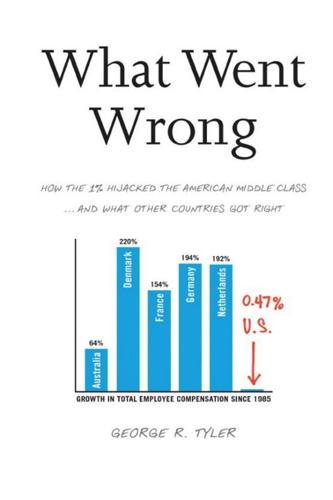
What Went Wrong: How the 1% Hijacked the American Middle Class . . . And What Other Countries Got Right
by George R. Tyler · 15 Jul 2013 · 772pp · 203,182 words

Black Code: Inside the Battle for Cyberspace
by Ronald J. Deibert · 13 May 2013 · 317pp · 98,745 words
Hype: How Scammers, Grifters, and Con Artists Are Taking Over the Internet―and Why We're Following
by Gabrielle Bluestone · 5 Apr 2021 · 329pp · 100,162 words
The Unknowers: How Strategic Ignorance Rules the World
by Linsey McGoey · 14 Sep 2019

Green Philosophy: How to Think Seriously About the Planet
by Roger Scruton · 30 Apr 2014 · 426pp · 118,913 words

Barefoot Into Cyberspace: Adventures in Search of Techno-Utopia
by Becky Hogge, Damien Morris and Christopher Scally · 26 Jul 2011 · 171pp · 54,334 words

Europe old and new: transnationalism, belonging, xenophobia
by Ray Taras · 15 Dec 2009 · 267pp · 106,340 words

In the Realm of Hungry Ghosts: Close Encounters With Addiction
by Gabor Mate and Peter A. Levine · 5 Jan 2010 · 504pp · 147,660 words

Carjacked: The Culture of the Automobile and Its Effect on Our Lives
by Catherine Lutz and Anne Lutz Fernandez · 5 Jan 2010 · 269pp · 104,430 words

How to Kill a City: The Real Story of Gentrification
by Peter Moskowitz · 7 Mar 2017 · 288pp · 83,690 words
Days of Destruction, Days of Revolt
by Chris Hedges and Joe Sacco · 7 Apr 2014 · 326pp · 88,905 words
Demanding the Impossible: A History of Anarchism
by Peter Marshall · 2 Jan 1992 · 1,327pp · 360,897 words
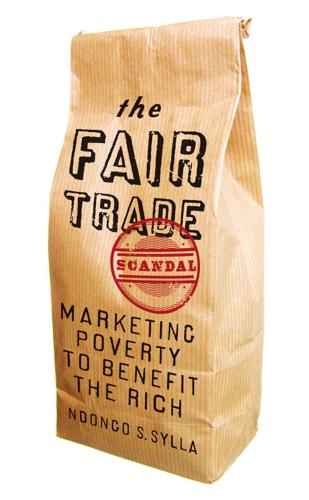
The Fair Trade Scandal: Marketing Poverty to Benefit the Rich
by Ndongo Sylla · 21 Jan 2014 · 193pp · 63,618 words

Dirty Wars: The World Is a Battlefield
by Jeremy Scahill · 22 Apr 2013 · 1,117pp · 305,620 words
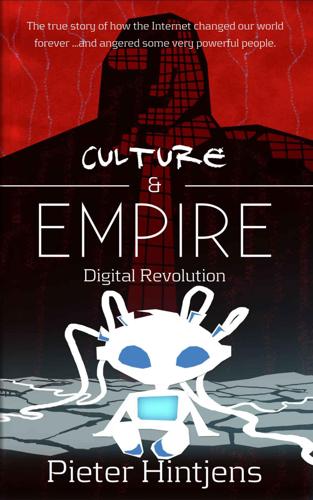
Culture & Empire: Digital Revolution
by Pieter Hintjens · 11 Mar 2013 · 349pp · 114,038 words

Quit Like a Woman: The Radical Choice to Not Drink in a Culture Obsessed With Alcohol
by Holly Glenn Whitaker · 9 Jan 2020 · 334pp · 109,882 words
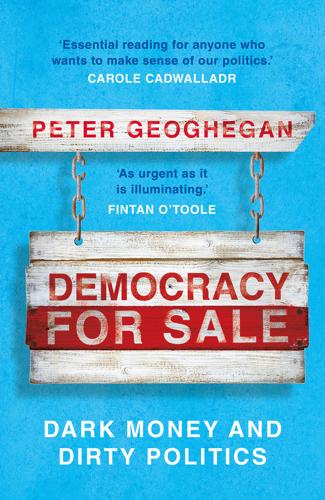
Democracy for Sale: Dark Money and Dirty Politics
by Peter Geoghegan · 2 Jan 2020 · 388pp · 111,099 words

Beautiful Solutions: A Toolbox for Liberation
by Elandria Williams, Eli Feghali, Rachel Plattus and Nathan Schneider · 15 Dec 2024 · 346pp · 84,111 words

What If We Get It Right?: Visions of Climate Futures
by Ayana Elizabeth Johnson · 17 Sep 2024 · 588pp · 160,825 words
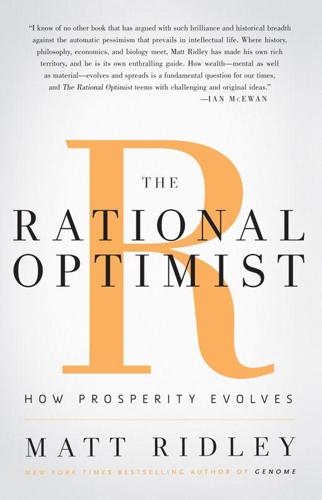
The Rational Optimist: How Prosperity Evolves
by Matt Ridley · 17 May 2010 · 462pp · 150,129 words

Prophecy: Prediction, Power, and the Fight for the Future, from Ancient Oracles to AI
by Carissa Véliz · 21 Apr 2026 · 503pp · 129,255 words

Bourgeois Dignity: Why Economics Can't Explain the Modern World
by Deirdre N. McCloskey · 15 Nov 2011 · 1,205pp · 308,891 words

The Day the World Stops Shopping
by J. B. MacKinnon · 14 May 2021 · 368pp · 109,432 words
The Viral Underclass: The Human Toll When Inequality and Disease Collide
by Steven W. Thrasher · 1 Aug 2022 · 361pp · 110,233 words
Rules for Revolutionaries: How Big Organizing Can Change Everything
by Becky Bond and Zack Exley · 9 Nov 2016 · 227pp · 71,675 words
Power, for All: How It Really Works and Why It's Everyone's Business
by Julie Battilana and Tiziana Casciaro · 30 Aug 2021 · 345pp · 92,063 words

How to Blow Up a Pipeline
by Andreas Malm · 4 Jan 2021 · 156pp · 49,653 words
Moral Ambition: Stop Wasting Your Talent and Start Making a Difference
by Bregman, Rutger · 9 Mar 2025 · 181pp · 72,663 words

When It All Burns: Fighting Fire in a Transformed World
by Jordan Thomas · 27 May 2025 · 347pp · 105,327 words

When China Rules the World: The End of the Western World and the Rise of the Middle Kingdom
by Martin Jacques · 12 Nov 2009 · 859pp · 204,092 words
Blood in the Machine: The Origins of the Rebellion Against Big Tech
by Brian Merchant · 25 Sep 2023 · 524pp · 154,652 words
This Land: The Struggle for the Left
by Owen Jones · 23 Sep 2020 · 387pp · 123,237 words
Twitter and Tear Gas: The Power and Fragility of Networked Protest
by Zeynep Tufekci · 14 May 2017 · 444pp · 130,646 words

Losing Control: The Emerging Threats to Western Prosperity
by Stephen D. King · 14 Jun 2010 · 561pp · 87,892 words

Sex, Lies, and Pharmaceuticals: How Drug Companies Plan to Profit From Female Sexual Dysfunction
by Ray Moynihan and Barbara Mintzes · 1 Oct 2010 · 269pp · 77,042 words

The Smartphone Society
by Nicole Aschoff
A Small Farm Future: Making the Case for a Society Built Around Local Economies, Self-Provisioning, Agricultural Diversity and a Shared Earth
by Chris Smaje · 14 Aug 2020 · 375pp · 105,586 words
The Pirate's Dilemma: How Youth Culture Is Reinventing Capitalism
by Matt Mason

Dark Laboratory: On Columbus, the Caribbean, and the Origins of the Climate Crisis
by Tao Leigh. Goffe · 14 Mar 2025 · 441pp · 122,013 words

One Less Car: Bicycling and the Politics of Automobility
by Zack Furness and Zachary Mooradian Furness · 28 Mar 2010 · 532pp · 155,470 words
The Age of the Infovore: Succeeding in the Information Economy
by Tyler Cowen · 25 May 2010 · 254pp · 72,929 words
Why It's Still Kicking Off Everywhere: The New Global Revolutions
by Paul Mason · 30 Sep 2013 · 357pp · 99,684 words

The Man Who Solved the Market: How Jim Simons Launched the Quant Revolution
by Gregory Zuckerman · 5 Nov 2019 · 407pp · 104,622 words

Freedom
by Daniel Suarez · 17 Dec 2009 · 427pp · 112,549 words
Future Perfect: The Case for Progress in a Networked Age
by Steven Johnson · 14 Jul 2012 · 184pp · 53,625 words

After Zionism: One State for Israel and Palestine
by Antony Loewenstein and Ahmed Moor · 14 Jun 2012 · 293pp · 89,712 words
Empire of Illusion: The End of Literacy and the Triumph of Spectacle
by Chris Hedges · 12 Jul 2009 · 373pp · 80,248 words
An Optimist's Tour of the Future
by Mark Stevenson · 4 Dec 2010 · 379pp · 108,129 words

The Precariat: The New Dangerous Class
by Guy Standing · 27 Feb 2011 · 209pp · 89,619 words

Affluenza: When Too Much Is Never Enough
by Clive Hamilton and Richard Denniss · 31 May 2005

Evil Geniuses: The Unmaking of America: A Recent History
by Kurt Andersen · 14 Sep 2020 · 486pp · 150,849 words
Masters of Management: How the Business Gurus and Their Ideas Have Changed the World—for Better and for Worse
by Adrian Wooldridge · 29 Nov 2011 · 460pp · 131,579 words

This Chair Rocks: A Manifiesto Against Ageism
by Ashton Applewhite · 10 Feb 2016 · 312pp · 84,421 words
The Sport and Prey of Capitalists
by Linda McQuaig · 30 Aug 2019 · 263pp · 79,016 words
Work Won't Love You Back: How Devotion to Our Jobs Keeps Us Exploited, Exhausted, and Alone
by Sarah Jaffe · 26 Jan 2021 · 490pp · 153,455 words
Empire of Things: How We Became a World of Consumers, From the Fifteenth Century to the Twenty-First
by Frank Trentmann · 1 Dec 2015 · 1,213pp · 376,284 words

Servant Economy: Where America's Elite Is Sending the Middle Class
by Jeff Faux · 16 May 2012 · 364pp · 99,613 words
How Did We Get Into This Mess?: Politics, Equality, Nature
by George Monbiot · 14 Apr 2016 · 334pp · 82,041 words
The End of Growth: Adapting to Our New Economic Reality
by Richard Heinberg · 1 Jun 2011 · 372pp · 107,587 words

Twilight of the Elites: America After Meritocracy
by Chris Hayes · 11 Jun 2012 · 285pp · 86,174 words
Behemoth: A History of the Factory and the Making of the Modern World
by Joshua B. Freeman · 27 Feb 2018 · 538pp · 145,243 words
The Googlization of Everything:
by Siva Vaidhyanathan · 1 Jan 2010 · 281pp · 95,852 words

Nuclear War and Environmental Catastrophe
by Noam Chomsky and Laray Polk · 29 Apr 2013

21 Lessons for the 21st Century
by Yuval Noah Harari · 29 Aug 2018 · 389pp · 119,487 words
Algorithms of Oppression: How Search Engines Reinforce Racism
by Safiya Umoja Noble · 8 Jan 2018 · 290pp · 73,000 words
Green Swans: The Coming Boom in Regenerative Capitalism
by John Elkington · 6 Apr 2020 · 384pp · 93,754 words
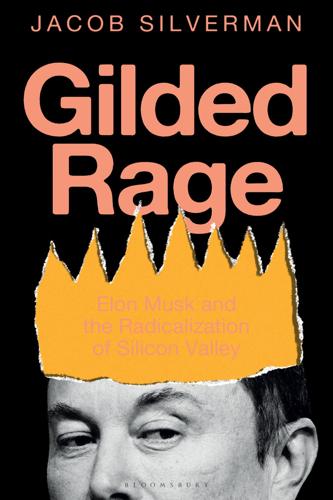
Gilded Rage: Elon Musk and the Radicalization of Silicon Valley
by Jacob Silverman · 9 Oct 2025 · 312pp · 103,645 words
Essential: How the Pandemic Transformed the Long Fight for Worker Justice
by Jamie K. McCallum · 15 Nov 2022 · 349pp · 99,230 words
How to Run the World: Charting a Course to the Next Renaissance
by Parag Khanna · 11 Jan 2011 · 251pp · 76,868 words

These Strange New Minds: How AI Learned to Talk and What It Means
by Christopher Summerfield · 11 Mar 2025 · 412pp · 122,298 words

The Internet Is a Playground
by David Thorne · 24 Mar 2010 · 314pp · 69,741 words

Nomad Citizenship: Free-Market Communism and the Slow-Motion General Strike
by Eugene W. Holland · 1 Jan 2009 · 265pp · 15,515 words

Chasing the Scream: The First and Last Days of the War on Drugs
by Johann Hari · 20 Jan 2015 · 513pp · 141,963 words
The Deficit Myth: Modern Monetary Theory and the Birth of the People's Economy
by Stephanie Kelton · 8 Jun 2020 · 338pp · 104,684 words
What We Need to Do Now: A Green Deal to Ensure a Habitable Earth
by Chris Goodall · 30 Jan 2020 · 154pp · 48,340 words
Tribe of Mentors: Short Life Advice From the Best in the World
by Timothy Ferriss · 14 Jun 2017 · 579pp · 183,063 words

Searches: Selfhood in the Digital Age
by Vauhini Vara · 8 Apr 2025 · 301pp · 105,209 words
The People's Platform: Taking Back Power and Culture in the Digital Age
by Astra Taylor · 4 Mar 2014 · 283pp · 85,824 words
Fortunes of Change: The Rise of the Liberal Rich and the Remaking of America
by David Callahan · 9 Aug 2010
How Markets Fail: The Logic of Economic Calamities
by John Cassidy · 10 Nov 2009 · 545pp · 137,789 words
Globish: How the English Language Became the World's Language
by Robert McCrum · 24 May 2010 · 325pp · 99,983 words

Fiasco: The American Military Adventure in Iraq
by Thomas E. Ricks · 30 Jul 2007 · 516pp · 1,220 words
Moondust: In Search of the Men Who Fell to Earth
by Andrew Smith · 3 Apr 2006 · 409pp · 138,088 words
A Game as Old as Empire: The Secret World of Economic Hit Men and the Web of Global Corruption
by Steven Hiatt; John Perkins · 1 Jan 2006 · 497pp · 123,718 words
A People's History of Poverty in America
by Stephen Pimpare · 11 Nov 2008 · 468pp · 123,823 words

On Palestine
by Noam Chomsky, Ilan Pappé and Frank Barat · 18 Mar 2015
Collaborative Futures
by Mike Linksvayer, Michael Mandiberg and Mushon Zer-Aviv · 24 Aug 2010 · 188pp · 9,226 words
The Great Turning: From Empire to Earth Community
by David C. Korten · 1 Jan 2001
The Trouble With Billionaires
by Linda McQuaig · 1 May 2013 · 261pp · 81,802 words
The Production of Money: How to Break the Power of Banks
by Ann Pettifor · 27 Mar 2017 · 182pp · 53,802 words
Leading From the Emerging Future: From Ego-System to Eco-System Economies
by Otto Scharmer and Katrin Kaufer · 14 Apr 2013 · 351pp · 93,982 words
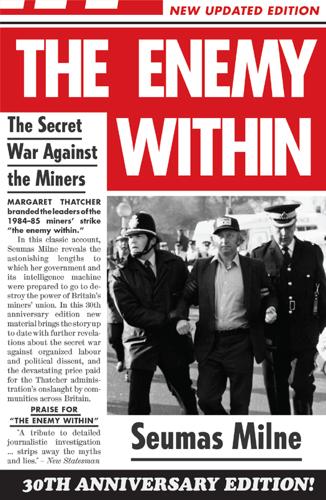
The Enemy Within
by Seumas Milne · 1 Dec 1994 · 497pp · 161,742 words
Less Is More: How Degrowth Will Save the World
by Jason Hickel · 12 Aug 2020 · 286pp · 87,168 words

Marx at the Arcade: Consoles, Controllers, and Class Struggle
by Jamie Woodcock · 17 Jun 2019 · 236pp · 62,158 words

Dawn of Detroit
by Tiya Miles · 13 Sep 2017 · 415pp · 127,092 words
Prosperity Without Growth: Foundations for the Economy of Tomorrow
by Tim Jackson · 8 Dec 2016 · 573pp · 115,489 words
Where We Are: The State of Britain Now
by Roger Scruton · 16 Nov 2017 · 190pp · 56,531 words

No Such Thing as a Free Gift: The Gates Foundation and the Price of Philanthropy
by Linsey McGoey · 14 Apr 2015 · 324pp · 93,606 words
The Burning Answer: The Solar Revolution: A Quest for Sustainable Power
by Keith Barnham · 7 May 2015 · 433pp · 124,454 words

Minimal: How to Simplify Your Life and Live Sustainably
by Madeleine Olivia · 9 Jan 2020 · 306pp · 71,100 words
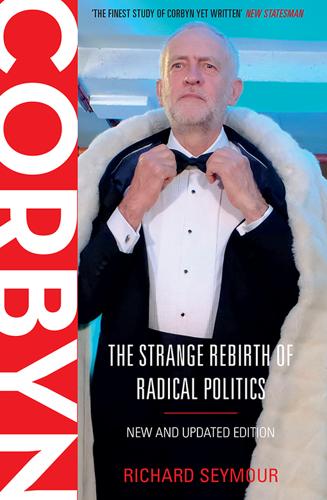
Corbyn
by Richard Seymour

What Money Can't Buy: The Moral Limits of Markets
by Michael Sandel · 26 Apr 2012 · 231pp · 70,274 words

It's Easier to Reach Heaven Than the End of the Street: A Jerusalem Memoir
by Emma Williams · 7 Nov 2012 · 466pp · 150,362 words

Health and Safety: A Breakdown
by Emily Witt · 16 Sep 2024 · 242pp · 85,783 words

Magic Pill: The Extraordinary Benefits and Disturbing Risks of the New Weight-Loss Drugs
by Johann Hari · 7 May 2024 · 315pp · 98,972 words