Peace of Westphalia
description: peace treaty ending the Thirty and Eighty Years' Wars
91 results

The Dream of Europe: Travels in the Twenty-First Century
by Geert Mak · 27 Oct 2021 · 722pp · 223,701 words
the world. One such miracle, of course, was the European project itself, after the horrors of the Second World War. For centuries, ever since the Peace of Westphalia in 1648, European politicians had assumed that international disputes, whether of trade or war, were essentially problems between states, which needed to be resolved between
…
Paris Agreement, The (2015) 327–8, 329, 416, 420, 480 Party for Freedom 178, 367, 375 Pasok 178, 237 Pavlovsky, Gleb 50–1, 52, 53 Peace of Westphalia (1648) 522 Pécs, Hungary 311, 313 pensions 28–9, 35, 40, 48, 52, 53, 90, 107, 152, 176–7, 178, 208, 217, 218, 221, 223
Against the Machine: On the Unmaking of Humanity
by Paul Kingsnorth · 23 Sep 2025 · 388pp · 110,920 words
to revisit. By systematising reality, utilising the new sciences, promoting reason over religion, and supporting the new pattern of nation-states which emerged from the Peace of Westphalia over local or feudal loyalties, Europeans could build a better world, one less amenable to irrational, bloody chaos. The dream of cosmopolis, in Toulmin’s
…
, 296 “Other” (Thomas), xv The Outline of Sanity (Chesterton), 50–51 Ozymandias, 88 P pannage rights, 45 patriotism, 197, 198 Paul (Saint), 166, 220, 260 Peace of Westphalia, 108–9 peasants culture relation to, 24 in French Revolution, 56–57 perfection, 14, 15 Perpetual Peace (Kant), 197–98 Perry, Matthew, 101–2, 106

A Short History of British Architecture: From Stonehenge to the Shard
by Simon Jenkins · 7 Nov 2024 · 364pp · 94,801 words
by the opening up of Europe in 1648 and the return of the grand tour after the end of the Thirty Years War in the Peace of Westphalia. Gone were Hardwick’s walls of glass, Layer Marney’s gatehouse and Burghley’s turrets. The leading architect of the day, Roger Pratt, had begun
Global Crisis: War, Climate Change and Catastrophe in the Seventeenth Century
by Geoffrey Parker · 29 Apr 2013 · 1,773pp · 486,685 words
acted well or badly’ and to learn how to ‘ascertain what our subjects are hiding from us’. Thus on hearing that France had signed the peace of Westphalia in 1648, Louis XIV's preceptor seized the chance to give his 10-year-old charge a crash course in German history, and especially on
…
not the only state that prospered during – and partly because of – the Thirty Years War: another beneficiary was the Swiss confederation. In 1648, although the Peace of Westphalia stopped short of granting the 13 Swiss cantons (and some associated territories) sovereign status, it recognized their ‘exemption’ from the laws and institutions of the
…
and increasing the number of their defenders. Until 1648, the prosperity created by the Thirty Years War made such military spending bearable; but while the Peace of Westphalia brought security, it ended prosperity. German demand for Swiss produce, including soldiers, plunged; and the refugees from Germany returned home, causing a collapse in both
…
: not only Germany but also northern Italy, the Dutch Republic, Sweden, Switzerland and Denmark all suffered effects that were ‘either negative or disastrous’. Nevertheless, the Peace of Westphalia brought eventual benefits not only to Germany but also to at least some of its neighbours. First, pressure from France and Sweden eventually created a
…
of Europe that would successfully maintain peace among the Great Powers after 1815. Germany was therefore fully justified in organizing joyous ceremonies to commemorate the Peace of Westphalia. The city of Augsburg organized two celebrations: a general day of rejoicing followed by a peace festival for children, at which the Lutheran clergy distributed
…
France would ever receive again – he could have immediately diverted the troops in the Netherlands to Germany, and thus extracted far better terms at the Peace of Westphalia. Instead, in the hope of gaining yet more, he poured all available resources into campaigns in Catalonia and Lombardy. The decision to continue the war
…
heal the scars, end the fears and create a climate of trust. Many authorities prohibited any discussion of the recent contentious past. In 1648 the peace of Westphalia forbade ‘any person to impugn in any place, in publick or in private, by preaching, teaching, disputing, writing or consulting, the Transaction of Passau [of
…
John Ray. He was immediately struck by the rapid post-war repopulation and reconstruction of Germany. ‘Since the instrument of peace,’ wrote Skippon (meaning the Peace of Westphalia in 1648), ‘the people of this country have recruited themselves very much’. An anonymous Italian visitor the previous year confirmed this impression: ‘although you see
…
(Lincoln, NE, 1995) Ganeri, J., The lost age of reason: Philosophy in early modern India, 1450–1700 (Oxford, 2011) Gantet, C., ‘Peace celebrations commemorating the peace of Westphalia’, in Bussmann and Schilling, eds, 1648, II, 649–56 García Cárcel, R., Pau Claris. La revolta catalana (Barcelona, 1980) García Cárcel, R., ‘La revolución catalana
…
Luis de (i) Peace-making (i), (ii), (iii), (iv), (v), (vi), (vii), (viii), (ix), (x), (xi), (xii), (xiii), (xiv), (xv), (xvi), (xvii), (xviii) n 50 Peace of Westphalia, see Westphalia Peking Gazette (i), (ii) Pellicer y Tovar, José de (i) La Pelosa, Antonino (i), (ii) Pembroke Castle (i) Peñaranda, Gaspar de Bracamonte, count
The Long Twentieth Century: Money, Power, and the Origins of Our Times
by Giovanni Arrighi · 15 Mar 2010 · 7,371pp · 186,208 words
a major reorganization of the pan-European system of rule found more and more supporters among European rulers until Spain was completely isolated. With the Peace of Westphalia of 1648, a new world system of rule thus emerged: The idea of an authority or organization above sovereign states is no longer. What takes
…
United Kingdom took the lead in tightening the loose system of consultation between the great powers of Europe which had been in operation since the Peace of Westphalia. The result was the Concert of Europe which, from the start, was primarily an instrument of British governance of the continental balance of power. For
…
and relative to subordinate and competing territorialist organizations, France and England in particular. And as the imperial center weakened, wars and rebellions proliferated until the Peace of Westphalia institutionalized the emerging European balance of power. Throughout these struggles the primary source of Dutch wealth and power was control over supplies of grain and
…
York: International Publishers 1971. Greenberg, Michael, Britis/7 Trade and the Opening of China 1800-1842, New York: Monthly Review Press 1979. Gross, Leo, “The Peace of Westphalia, 1648-1948,” in R.A. Falk and WH. Hanrieder, eds., International Law and Organization, Philadelphia: Lippincott 1968,pp.45-67. Guha, Ranajit, “Dominance Without Hegemony
…
, Ravi, 160 Panama, 327 Paris Peace Accords, 306 Patriots’ Revolution, 179 Peace of Lodi (1454), 40, 92, 97, 130 Peace ofTurin (1381), 92, 117, 146 Peace of Westphalia (1648), 44, 135 Peel’s Bank Act (1844), 265 Perez, Carlota, 9 periwig period (Holland), 178-79 petrodollars, 322, 324, 333 Phelps Brown, E. H
Europe: A History
by Norman Davies · 1 Jan 1996
case. Europeans in the Age of Absolutism were no more uniform absolutists than they were uniform rationalists. In the century and a half between the Peace of Westphalia and the French Revolution, the map of Europe underwent few radical changes. Each of the wars of the period ended with a certain amount of
Worldmaking After Empire: The Rise and Fall of Self-Determination
by Adom Getachew · 5 Feb 2019
: Class, Geopolitics, and the Making of Modern International Relations (New York: Verso, 2003); Sebastian Schmidt, “To Order the Minds of Scholars: The Discourse of the Peace of Westphalia in International Relations Literature,” International Studies Quarterly 55 (September 2011): 601–23; Jennifer Pitts, “Intervention and Sovereign Inequality: The Legacy of Vattel,” in Just and
…
Ignoring the Local—Introduction.” Journal of Genocide Research 10 (June 2008): 191–99. Schmidt, Sebastian. “To Order the Minds of Scholars: The Discourse of the Peace of Westphalia in International Relations Literature.” International Studies Quarterly 55 (September 2011): 601–23. Schmitt, Carl. The Nomos of the Earth in the International Law of the
Germany
by Andrea Schulte-Peevers · 17 Oct 2010
refused to die. Rather, it degenerated into the bloody Thirty Years War, which Sweden and France had joined by 1635. Calm was restored with the Peace of Westphalia (1648), signed in Münster and Osnabrück, but it left the Reich – embracing more than 300 states and about 1000 smaller territories – a nominal, impotent state
…
elegant boutiques and cafes. The key building here is the Gothic Historisches Rathaus, with its elegant filigree gable. In 1648, an important subtreaty of the Peace of Westphalia was signed here, marking the first step in ending the calamitous Thirty Years War. You can visit the splendidly wood-carved hall where the historic
…
by Albrecht Dürer. MARKT & AROUND It was on the Rathaus (admission free; 8am-8pm Mon-Fri, 9am-4pm Sat, 10am-4pm Sun) steps that the Peace of Westphalia was proclaimed on 25 October 1648, ending the Thirty Years’ War. The preceding peace negotiations were conducted partly in Münster, about 60km south, and partly
Germany Travel Guide
by Lonely Planet
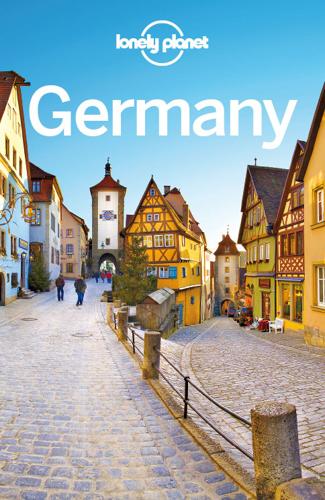
and protestant Osnabrück are forever linked – at least in the minds of suffering middle-school history students – as the dual sites chosen to sign the Peace of Westphalia, the series of treaties that ended the Thirty Years War (one of the longest and comparatively most destructive wars in history). Today you can find
…
. The key building here is the Gothic Historisches Rathaus Offline map Google map, with its elegant filigree gable. In 1648, an important subtreaty of the Peace of Westphalia was signed here, marking the first step in ending the calamitous Thirty Years War. To the left, the beautifully porticoed Renaissance building is the Stadtweinhaus
…
find some gems. Rathaus HISTORIC BUILDING (Markt; 8am-6pm Mon-Fri, 9am-4pm Sat, 10am-4pm Sun) It was on the Rathaus steps that the Peace of Westphalia was proclaimed on 25 October 1648, ending the Thirty Years’ War. The preceding peace negotiations were conducted partly in Münster, about 60km south, and partly
…
issue refused to die. It degenerated into the bloody Thirty Years’ War, which Sweden and France had joined by 1635. Calm was restored with the Peace of Westphalia (1648), signed in Münster and Osnabrück, but it left the Reich – embracing more than 300 states and about 1000 smaller territories – a nominal, impotent state
The Great Delusion: Liberal Dreams and International Realities
by John J. Mearsheimer · 24 Sep 2018 · 443pp · 125,510 words
free to build empires throughout the world. So sovereignty had little effect on the behavior of European states for roughly two hundred years after the Peace of Westphalia.19 With the growth of nationalism—in Europe during the nineteenth century and in the colonial empires during the twentieth century—sovereignty became a more
…
1945 was and still is a rejection of the European balance-of-power principle and the hegemonic ambitions of individual states that emerged after the Peace of Westphalia in 1648, a rejection that took the form of a closer meshing of vital interests and the transfer of nation-state sovereign rights to supranational
…
Tragedy (Cambridge, MA: Harvard University Press, 2011). Regarding the importance of the Treaty of Westphalia for beginning the age of sovereignty, see Leo Gross, “The Peace of Westphalia, 1648–1948,” American Journal of International Law 42, no. 1 (January 1948): 20–41. Some scholars, however, challenge Gross’s interpretation. See Andreas Osiander, “Sovereignty
…
, International Relations, and the Westphalian Myth,” International Organization 55, no. 2 (April 2001): 251–87; Derek Croxton, “The Peace of Westphalia of 1648 and the Origins of Sovereignty,” International History Review 21, no. 3 (September 1999): 569–91. I agree with Daniel Philpott’s assessment “that
…
, 204–9 liberal institutionalism and, 189–90, 210–16 liberalism as basis for, 121, 124–26, 154, 188–216 obstacles to possibility of, 191–94 Peace of Westphalia. See Treaty of Westphalia peasantry, 255n12 Peceny, Mark, 169–70 Peloponnesian War, 134–35 Philippines, 169 philosophy, 28 Pickering, Jeffrey, 169–70 Pinker, Steven, 57
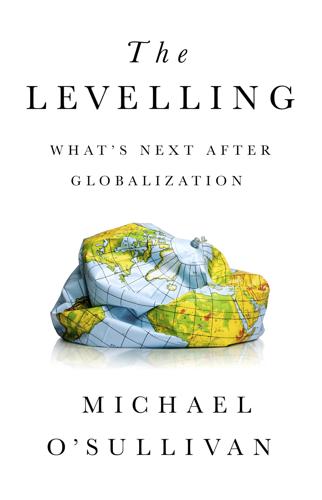
The Levelling: What’s Next After Globalization
by Michael O’sullivan · 28 May 2019 · 756pp · 120,818 words
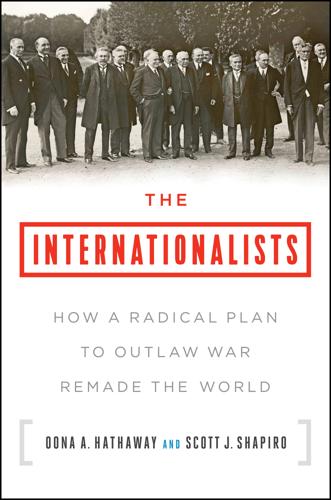
The Internationalists: How a Radical Plan to Outlaw War Remade the World
by Oona A. Hathaway and Scott J. Shapiro · 11 Sep 2017 · 850pp · 224,533 words
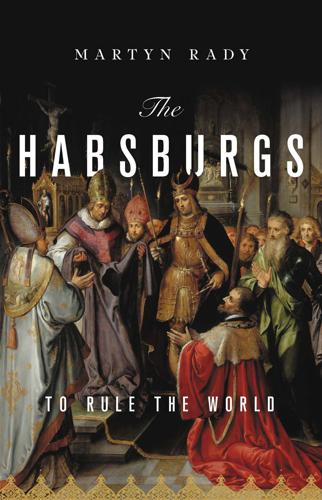
The Habsburgs: To Rule the World
by Martyn Rady · 24 Aug 2020 · 461pp · 139,924 words
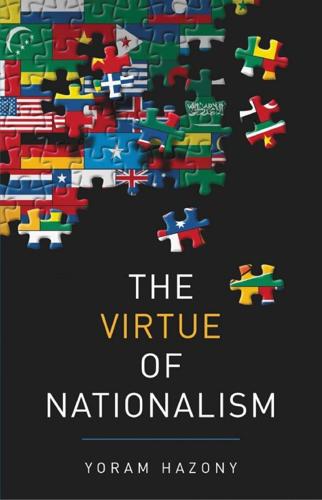
The Virtue of Nationalism
by Yoram Hazony · 3 Sep 2018 · 333pp · 86,628 words
Water: A Biography
by Giulio Boccaletti · 13 Sep 2021 · 485pp · 133,655 words

A History of France
by John Julius Norwich · 30 Sep 2018 · 482pp · 149,807 words
Lotharingia: A Personal History of Europe's Lost Country
by Simon Winder · 22 Apr 2019
Nervous States: Democracy and the Decline of Reason
by William Davies · 26 Feb 2019 · 349pp · 98,868 words
The Divided Nation: A History of Germany, 1918-1990
by Mary Fulbrook · 14 Oct 1991 · 934pp · 135,736 words
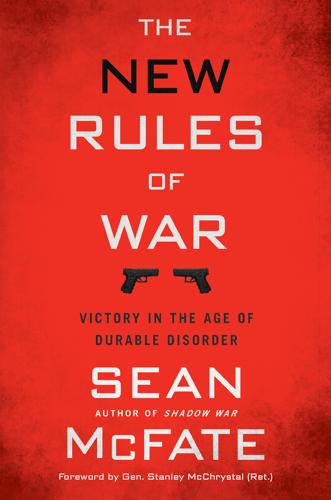
The New Rules of War: Victory in the Age of Durable Disorder
by Sean McFate · 22 Jan 2019 · 330pp · 83,319 words
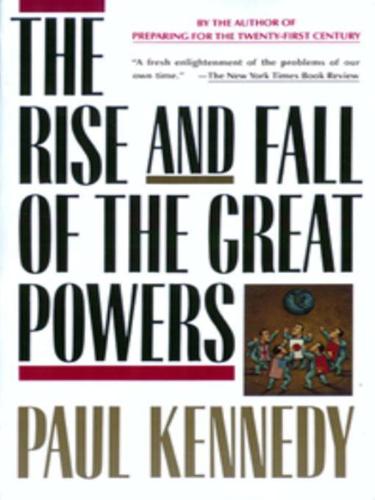
The Rise and Fall of the Great Powers: Economic Change and Military Conflict From 1500 to 2000
by Paul Kennedy · 15 Jan 1989 · 1,477pp · 311,310 words
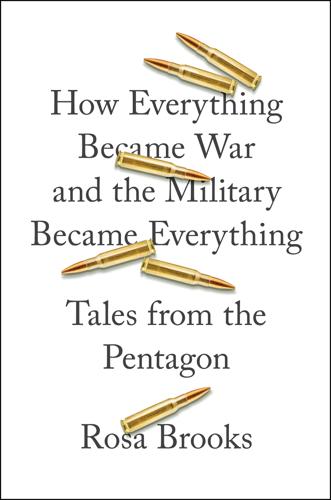
How Everything Became War and the Military Became Everything: Tales From the Pentagon
by Rosa Brooks · 8 Aug 2016 · 548pp · 147,919 words
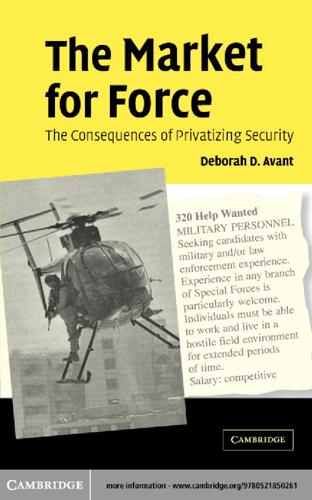
The Market for Force: The Consequences of Privatizing Security
by Deborah D. Avant · 17 Oct 2010 · 872pp · 135,196 words
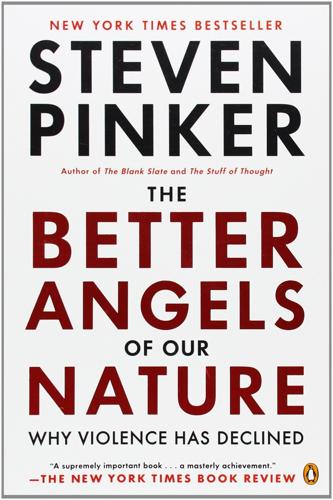
The Better Angels of Our Nature: Why Violence Has Declined
by Steven Pinker · 24 Sep 2012 · 1,351pp · 385,579 words
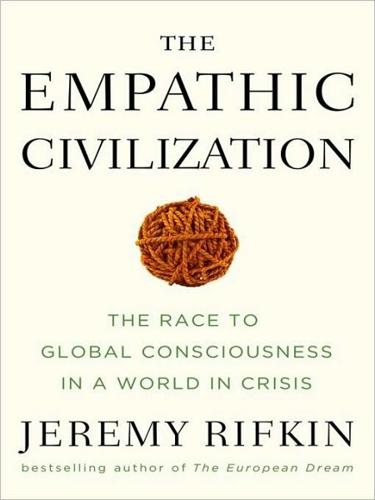
The Empathic Civilization: The Race to Global Consciousness in a World in Crisis
by Jeremy Rifkin · 31 Dec 2009 · 879pp · 233,093 words
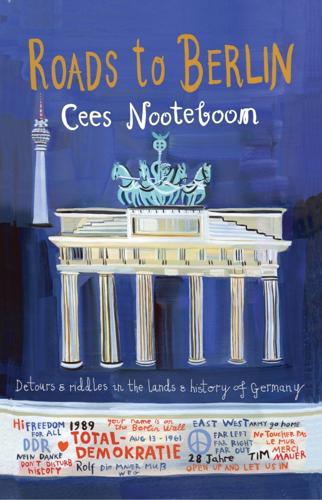
Roads to Berlin
by Cees Nooteboom and Laura Watkinson · 2 Jan 1990 · 378pp · 120,490 words
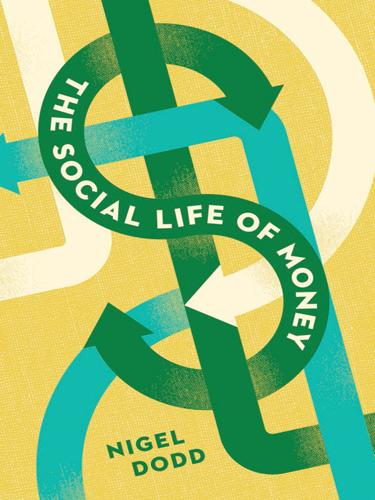
The Social Life of Money
by Nigel Dodd · 14 May 2014 · 700pp · 201,953 words
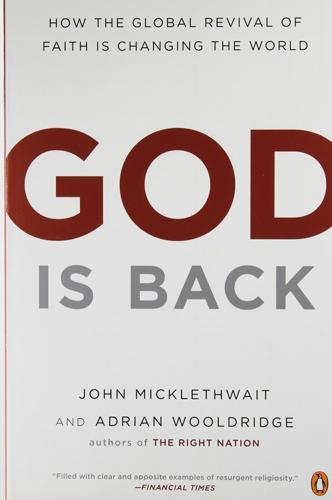
God Is Back: How the Global Revival of Faith Is Changing the World
by John Micklethwait and Adrian Wooldridge · 31 Mar 2009 · 518pp · 143,914 words
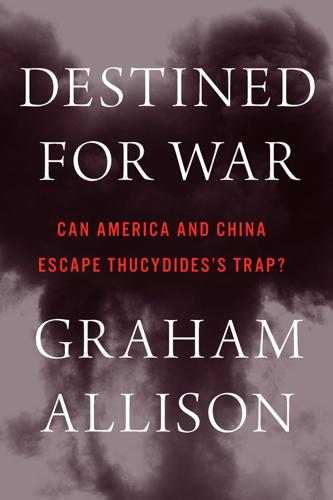
Destined for War: America, China, and Thucydides's Trap
by Graham Allison · 29 May 2017 · 518pp · 128,324 words
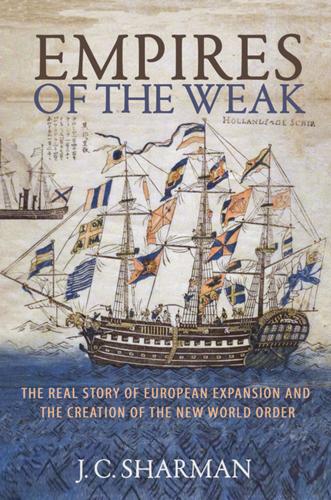
Empires of the Weak: The Real Story of European Expansion and the Creation of the New World Order
by Jason Sharman · 5 Feb 2019 · 265pp · 71,143 words
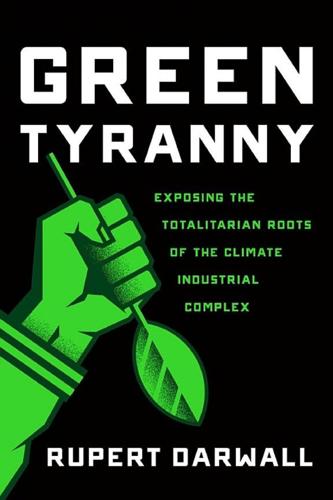
Green Tyranny: Exposing the Totalitarian Roots of the Climate Industrial Complex
by Rupert Darwall · 2 Oct 2017 · 451pp · 115,720 words
Quicksilver
by Neal Stephenson · 9 Sep 2004 · 1,178pp · 388,227 words
Bourgeois Dignity: Why Economics Can't Explain the Modern World
by Deirdre N. McCloskey · 15 Nov 2011 · 1,205pp · 308,891 words

The Right Side of History
by Ben Shapiro · 11 Feb 2019 · 270pp · 71,659 words
Where We Are: The State of Britain Now
by Roger Scruton · 16 Nov 2017 · 190pp · 56,531 words
The Retreat of Western Liberalism
by Edward Luce · 20 Apr 2017 · 223pp · 58,732 words
The City on the Thames
by Simon Jenkins · 31 Aug 2020
The Rough Guide to Brussels 4 (Rough Guide Travel Guides)
by Dunford, Martin.; Lee, Phil; Summer, Suzy.; Dal Molin, Loik · 26 Jul 2010
The Eternal City: A History of Rome
by Ferdinand Addis · 6 Nov 2018
The Future of War
by Lawrence Freedman · 9 Oct 2017 · 592pp · 161,798 words
Homeland: The War on Terror in American Life
by Richard Beck · 2 Sep 2024 · 715pp · 212,449 words
Connectography: Mapping the Future of Global Civilization
by Parag Khanna · 18 Apr 2016 · 497pp · 144,283 words
Corporate Warriors: The Rise of the Privatized Military Industry
by Peter Warren Singer · 1 Jan 2003 · 482pp · 161,169 words
The Coming Anarchy: Shattering the Dreams of the Post Cold War
by Robert D. Kaplan · 1 Jan 1994 · 225pp · 189 words
Grave New World: The End of Globalization, the Return of History
by Stephen D. King · 22 May 2017 · 354pp · 92,470 words
Free World: America, Europe, and the Surprising Future of the West
by Timothy Garton Ash · 30 Jun 2004 · 329pp · 102,469 words
The Origins of Political Order: From Prehuman Times to the French Revolution
by Francis Fukuyama · 11 Apr 2011 · 740pp · 217,139 words
Drink: A Cultural History of Alcohol
by Iain Gately · 30 Jun 2008 · 686pp · 201,972 words
A Small Farm Future: Making the Case for a Society Built Around Local Economies, Self-Provisioning, Agricultural Diversity and a Shared Earth
by Chris Smaje · 14 Aug 2020 · 375pp · 105,586 words
The Rough Guide to Poland
by Rough Guides · 18 Sep 2018 · 976pp · 233,138 words
Zbig: The Life of Zbigniew Brzezinski, America's Great Power Prophet
by Edward Luce · 13 May 2025 · 612pp · 235,188 words

The Constitution of Knowledge: A Defense of Truth
by Jonathan Rauch · 21 Jun 2021 · 446pp · 109,157 words
Lonely Planet Belgium & Luxembourg
by Lonely Planet
The End of Power: From Boardrooms to Battlefields and Churches to States, Why Being in Charge Isn’t What It Used to Be
by Moises Naim · 5 Mar 2013 · 474pp · 120,801 words
Refuge: Transforming a Broken Refugee System
by Alexander Betts and Paul Collier · 29 Mar 2017
Escape From Rome: The Failure of Empire and the Road to Prosperity
by Walter Scheidel · 14 Oct 2019 · 1,014pp · 237,531 words
The Knowledge Machine: How Irrationality Created Modern Science
by Michael Strevens · 12 Oct 2020
Stakeholder Capitalism: A Global Economy That Works for Progress, People and Planet
by Klaus Schwab and Peter Vanham · 27 Jan 2021 · 460pp · 107,454 words
The Fourth Revolution: The Global Race to Reinvent the State
by John Micklethwait and Adrian Wooldridge · 14 May 2014 · 372pp · 92,477 words
Lonely Planet Poland
by Lonely Planet · 892pp · 229,939 words
Equality
by Darrin M. McMahon · 14 Nov 2023 · 534pp · 166,876 words
The Rough Guide to Vienna
by Humphreys, Rob · 311pp · 168,705 words
The Road to Ruin: The Global Elites' Secret Plan for the Next Financial Crisis
by James Rickards · 15 Nov 2016 · 354pp · 105,322 words
Stakeholder Capitalism: A Global Economy That Works for Progress, People and Planet
by Klaus Schwab · 7 Jan 2021 · 460pp · 107,454 words
Nomad Century: How Climate Migration Will Reshape Our World
by Gaia Vince · 22 Aug 2022 · 302pp · 92,206 words
The Cosmopolites: The Coming of the Global Citizen
by Atossa Araxia Abrahamian · 14 Jul 2015 · 138pp · 41,353 words
From Peoples into Nations
by John Connelly · 11 Nov 2019
The Abandonment of the West
by Michael Kimmage · 21 Apr 2020 · 378pp · 121,495 words
1494: How a Family Feud in Medieval Spain Divided the World in Half
by Stephen R. Bown · 15 Feb 2011 · 295pp · 92,670 words
If Mayors Ruled the World: Dysfunctional Nations, Rising Cities
by Benjamin R. Barber · 5 Nov 2013 · 501pp · 145,943 words
Zero-Sum Future: American Power in an Age of Anxiety
by Gideon Rachman · 1 Feb 2011 · 391pp · 102,301 words
Political Order and Political Decay: From the Industrial Revolution to the Globalization of Democracy
by Francis Fukuyama · 29 Sep 2014 · 828pp · 232,188 words
The Rough Guide to Sweden (Travel Guide eBook)
by Rough Guides · 1 Nov 2019
Independent Diplomat: Dispatches From an Unaccountable Elite
by Carne Ross · 25 Apr 2007 · 212pp · 68,690 words
Free Speech: Ten Principles for a Connected World
by Timothy Garton Ash · 23 May 2016 · 743pp · 201,651 words
Owning the Earth: The Transforming History of Land Ownership
by Andro Linklater · 12 Nov 2013 · 603pp · 182,826 words
The Boundless Sea: A Human History of the Oceans
by David Abulafia · 2 Oct 2019 · 1,993pp · 478,072 words

Cybersecurity: What Everyone Needs to Know
by P. W. Singer and Allan Friedman · 3 Jan 2014 · 587pp · 117,894 words
The Discovery of France
by Graham Robb · 1 Jan 2007 · 740pp · 161,563 words
The Treason of the Intellectuals
by Julien Benda · 14 Oct 2006 · 190pp · 63,975 words
The Rough Guide to Prague
by Humphreys, Rob
The Most Powerful Idea in the World: A Story of Steam, Industry, and Invention
by William Rosen · 31 May 2010 · 420pp · 124,202 words
Galileo's Daughter: A Historical Memoir of Science, Faith and Love
by Dava Sobel · 25 May 2009 · 363pp · 108,670 words
World Without Mind: The Existential Threat of Big Tech
by Franklin Foer · 31 Aug 2017 · 281pp · 71,242 words
Robot Rules: Regulating Artificial Intelligence
by Jacob Turner · 29 Oct 2018 · 688pp · 147,571 words
The Future of Capitalism: Facing the New Anxieties
by Paul Collier · 4 Dec 2018 · 310pp · 85,995 words

The Crying of Lot 49
by Thomas Pynchon · 1 Jan 1966 · 165pp · 47,320 words

Belgium - Culture Smart!: The Essential Guide to Customs & Culture
by Bernadett Varga · 14 Aug 2022
How to Survive a Pandemic
by Michael Greger, M.D., FACLM · 1,072pp · 237,186 words
The COVID-19 Catastrophe: What's Gone Wrong and How to Stop It Happening Again
by Richard Horton · 31 May 2020 · 106pp · 33,210 words
Devil's Bargain: Steve Bannon, Donald Trump, and the Storming of the Presidency
by Joshua Green · 17 Jul 2017 · 296pp · 78,112 words