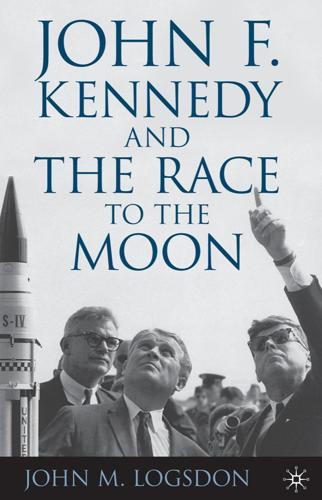
John F. Kennedy and the Race to the Moon (Palgrave Studies in the History of Science and Technology)
by John M. Logsdon · 15 Dec 2010 · 306pp · 36,032 words
flight to the military, along with hints about the incompetence of NASA leadership,” were “quite unnerving.”47 Johnson to Chair Space Council During the transition, Ted Sorensen and David Bell, the Harvard economist whom Kennedy had chosen to be his budget director, met several times with BOB deputy director Elmer Staats. Among
…
remain the president’s responsibility. These differences had been discussed in a March 7 meeting between budget director Bell and special counsel to the president Ted Sorensen, and the decision was made to go forward with the Welsh version of the amendment.12 No change in the name of the National Aeronautics
…
in the Executive Office of the President with Messrs. Bell, Staats, and Neustadt, and that Budget Director Bell had agreed to discuss the paper with Ted Sorensen and President Kennedy.” He also noted that Representative Overton Brooks had agreed to schedule a hearing on the amendment and that there had been preliminary
…
Geneva and Paris on the way home. But on April 19, after President Kennedy had in the early hours of the day walked disconsolately with Ted Sorensen and then alone on the south lawn of the White House in the aftermath of the Bay of Pigs failure, he met later in the
…
asked Kennedy to give him a memorandum “that would provide a charter for those hearings” and would be an “outline of what concerned him.”29 Ted Sorensen drafted a one-page memorandum, and President Kennedy signed it and sent it to Johnson the next day, April 20. The memorandum stands as a
…
become a well-publicized failure.”39 The MR-3 flight was scheduled to lift off on the morning of May 2. In the preceding days, Ted Sorensen and the president’s brother Robert Kennedy discussed whether it was worse to postpone the flight after the press buildup had reached such a peak
…
Security Council meeting to tell the president that Shepard was about to be launched. Kennedy, joined by Lyndon Johnson, Robert Kennedy, Robert McNamara, Dean Rusk, Ted Sorensen, McGeorge Bundy, Arthur Schlesinger, and others crowded around a small black and white television set in Lincoln’s office to watch the takeoff. As Jacqueline
…
’s speech “called for a lunar landing by 1967” and that NASA was “aghast” at specifying a particular year. He says that James Webb “called Ted Sorensen and convinced him, and later the President, that the stated goal should be by the end of the decade.” Sorensen, by contrast, says that Kennedy
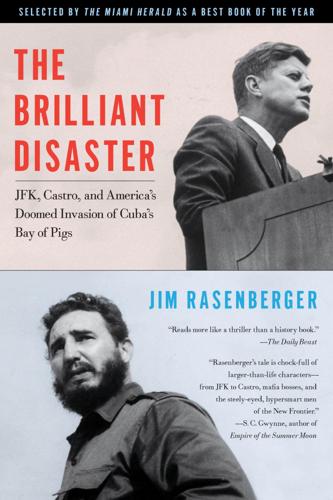
The Brilliant Disaster: JFK, Castro, and America's Doomed Invasion of Cuba's Bay of Pigs
by Jim Rasenberger · 4 Apr 2011 · 742pp · 202,902 words
the Joint Chiefs of Staff, each speaking with the full weight of his institution behind him.” Nor would it have helped—to underline the point Ted Sorensen made—that Schlesinger would have been in the unenviable position of arguing, like Senator Fulbright, against a military action. While the advocates of the venture
…
of April 16 to cancel the landing. At some point during the day, Kennedy mentioned the Cuban operation for the first time to his speechwriter Ted Sorensen. “I know everybody is grabbing their nuts on this.” Happy Valley, April 13 (D–4) THE BRIGADE PILOTS and air crews woke to another infernal
…
Kennedy attempted to carry on with business as usual, meeting the foreign minister of Ecuador, sending a housing bill to Congress, and consulting with speechwriter Ted Sorensen about his tax message, among other matters. By noon, all pretense of normalcy was gone. The cabinet room had been transformed into a crisis center
…
worst of all.” Nobody found all of this harder to comprehend than Kennedy himself. “How could I have been so far off base?” he asked Ted Sorensen during a despondent stroll on the south lawn that Thursday morning. “All my life I’ve known better than to depend on the experts. How
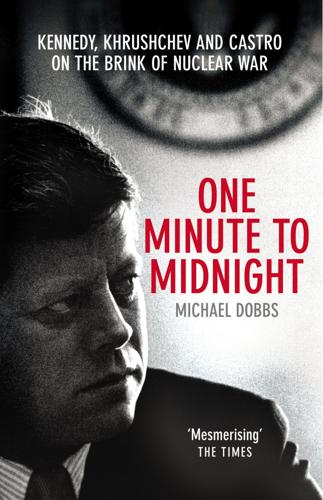
One Minute to Midnight: Kennedy, Khrushchev and Castro on the Brink of Nuclear War
by Michael Dobbs · 3 Sep 2008 · 631pp · 171,391 words
, but it too carried huge risks, including a confrontation between the U.S. and Soviet navies. After the meeting was over, he took Bobby and Ted Sorensen out to the Truman Balcony of the White House, looking over the Washington Monument. "We are very, very close to war," he told them gravely
…
national security adviser." He didn't." "That's how it's read by both of the associations that have put it out so far," said Ted Sorensen. The Reuters bulletin was timed 1015, three minutes earlier. It was worded almost identically. "He didn't . . ." "He didn't really say that, did he
…
around in circles, and that everybody was getting lost in a morass of commas and subordinate clauses. He urged his brother to permit him and Ted Sorensen to go off into another room and draft the reply to Khrushchev. "Why don't we try to work it out for you, without you
…
Washington. Forging a consensus in the ExComm was becoming increasingly difficult. Everybody seemed to have their own ideas for dealing with the Soviets. Bobby and Ted Sorensen had gone to the president's private office to try to merge the rival State Department and Adlai Stevenson drafts. Bob McNamara was working on
…
they were desperately looking for ways to step back from the edge of a nuclear abyss. Working in the president's private office, Bobby and Ted Sorensen had managed to merge the rival letters to Khrushchev into a single document. The final version bore the marks of many authors: I have read
…
more credible than the various RFK accounts. The official U.S. story on the Jupiters has changed over the years. Former Kennedy aides, such as Ted Sorensen, have acknowledged playing down or even omitting potentially embarrassing details. See articles and documents published by Jim Hershberg, CWIHP, 5 (Spring 1995), 75–80, and
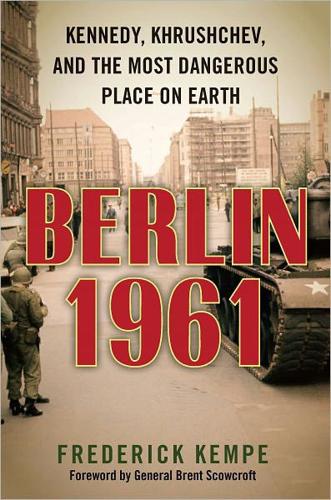
Berlin 1961: Kennedy, Khrushchev, and the Most Dangerous Place on Earth
by Frederick Kempe · 30 Apr 2011 · 762pp · 206,865 words
1,355 words, honed through more drafts and rewrites than any speech he had ever delivered. Back in November, he had told his chief wordsmith, Ted Sorensen, to keep the speech short, nonpartisan, optimistic, uncritical of his predecessor, and focused on foreign policy. However, when they worked through the final draft—a
…
the Soviets. Kennedy was leaving all options open. Multiple rewrites altered only nuance, putting his indecision in more memorable form and excising language his speechwriter Ted Sorensen had drafted that might appear too soft toward the Soviets. A first version read, for example: “…nor can two great and powerful nations forever continue
…
Bradlee; reporter Charles Bartlett, who had introduced the president to his wife, Jacqueline; the president’s chief of staff, Kenny O’Donnell; his special counsel, Ted Sorensen; and his press secretary, Pierre Salinger. However, Bolshakov’s most important link to Kennedy had been Frank Holeman, a Washington journalist who had been close
…
to Kennedy: Thompson, Kennedy Soviet affairs adviser Charles Bohlen, White House aide Arthur Schlesinger, White House consultant and Harvard professor Henry Kissinger, and special counsel Ted Sorensen. They also included Robert McNamara and McGeorge Bundy. Acheson, however, had a weapon they could not match: a fully developed proposal that was specific and
…
part. Just the previous day at lunch, one of the top officials of the U.S. Information Agency, James O’Donnell, had complained to speechwriter Ted Sorensen about the emphasis on “West” Berlin in a final draft of the speech. O’Donnell’s opinion mattered, since he was a Kennedy family friend
…
moment during the Berlin Crisis when he feared a violent exchange. Though the U.S. contingent was small, he had told White House special counsel Ted Sorensen that he saw the troops as “our hostage to that intent” of U.S. commitment to defend West Berlin. Kennedy had postponed his usual weekend
…
, Khrushchev would continue to use the cloak-and-dagger means of having Bolshakov and others slip his letters to Salinger, to Robert Kennedy, or to Ted Sorensen on street corners, in a bar, or elsewhere, often in unmarked envelopes slipped out from folded newspapers. Khrushchev considered the matter of such urgency that
…
population would perish. In a White House that was unaccustomed to such cavalier discussion of carnage, Kaysen’s report came as a shock. Chief Counsel Ted Sorensen shouted at Kaysen, “You’re crazy! We shouldn’t let guys like you around here.” Marcus Raskin, a friend of Kaysen’s on the NSC
…
for whom he had little sympathy. From that point forward, neither Kennedy nor any other U.S. president could retreat in Berlin. As Kennedy told Ted Sorensen on their flight to Ireland from Berlin, “We’ll never have another day like this as long as we live.” Less than five months later
…
; and Andreas W. Daum, Kennedy in Berlin. Washington, D.C.: German Historical Institute and New York: Cambridge University Press, 2008, 133–135. As Kennedy told Ted Sorensen: Sorensen, Kennedy, 601. Bibliography ARCHIVAL SOURCES Air Force Historical Research Center, Maxwell Air Force Base, Alabama (AFHRC) The American Presidency Project: http://www.presidency.ucsb
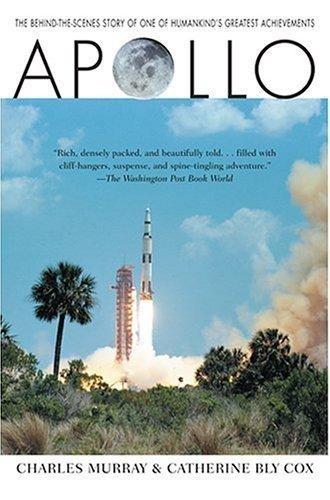
Apollo
by Charles Murray and Catherine Bly Cox · 1 Jan 1989 · 619pp · 197,256 words
. The buildup was too much, too fast. The drop, when it came, would be all the more precipitous. But Burns’s was a lonely voice. Ted Sorensen, Kennedy’s White House counsel, remembered the heady feeling that the new Administration could do no wrong. To Sorensen, just twenty-six years old, it
…
’ notations on results of the meeting with Kennedy. Memoranda provided courtesy of Robert Seamans. 5. “We’re going to the moon” Chapter title: Statement of Ted Sorensen, recounted in authors’ interview with Hugh Sidey. “hour of euphoria”: Arthur M. Schlesinger, Jr., A Thousand Days: John F. Kennedy in the White House (Boston
The Devil's Chessboard: Allen Dulles, the CIA, and the Rise of America's Secret Government
by David Talbot · 5 Sep 2016 · 891pp · 253,901 words
before submitting it to the president, sending copies to Washington power attorney Clark Clifford, veteran diplomat Chip Bohlen, and JFK’s trusted aide and speechwriter Ted Sorensen. By the time the final draft was sent to Kennedy, it was a more complicated and unwieldy document than Schlesinger originally intended. When the Dulles
…
—he accurately wrote—had maneuvered Kennedy into the sand trap. Dulles found the Life article—along with a similar one that Look magazine excerpted from Ted Sorensen’s memoir, Kennedy—“deeply disturbing and highly misleading.” The Schlesinger and Sorensen broadsides on the Bay of Pigs spurred Dulles into action, but after wrestling
When They Go Low, We Go High: Speeches That Shape the World – and Why We Need Them
by Philip Collins · 4 Oct 2017 · 475pp · 156,046 words
. The turning point, when the speechwriter becomes a shadowy figure of national importance, is often said to be President Kennedy’s relationship with his amanuensis Ted Sorensen, though it was actually Richard Nixon who was the first president to establish a Writing and Research Department in the White House. The supposed promotion
…
Almighty God the same solemn oath our forebears prescribed nearly a century and three-quarters ago. Before he began writing, Kennedy insisted that his speechwriter Ted Sorensen read all the previous inaugural addresses. Sorensen concluded that the best speech of all was Lincoln’s Gettysburg Address, and resolved to keep his drafting
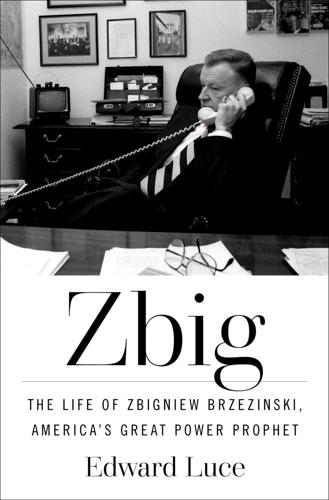
Zbig: The Life of Zbigniew Brzezinski, America's Great Power Prophet
by Edward Luce · 13 May 2025 · 612pp · 235,188 words
Leontief, a Soviet American economist who would later win the Nobel Memorial Prize in Economic Sciences. Each was old enough to be Brzezinski’s father. Ted Sorensen, a friend and advisor to Kennedy, invited the group to a lunch in Cambridge early in his presidential campaign. The gathering, and media reports about
…
and putting rhetorical emphasis on the wrong passages. On television he looked like a “plucked chicken,” said one unkind observer. Unlike Safire with Nixon or Ted Sorensen with Kennedy, Carter lacked a close relationship with any of his speechwriters.51 Effective presidential addresses generally get one simple message across: “Tear down that
The Wise Men: Six Friends and the World They Made
by Walter Isaacson and Evan Thomas · 28 Feb 2012 · 1,150pp · 338,839 words
, The Missile Crisis, 102. HARRIMAN AND THE LIMITED TEST BAN: Seaborg, Kennedy, Khrushchev and the Test Ban, 201–262; Schlesinger, A Thousand Days, 893–909; Ted Sorensen Oral History, Kennedy Library; Harriman-Kennedy cables, reprinted in Seaborg; Senate Foreign Relations Committee, August 1963, Nuclear Test Ban Treaty Hearings; Sorensen, Kennedy, 734–745
…
Broadcasting Service, “The First Fifty Years: U.S.-Soviet Relations, 1934-1984,” television documentary, 1984. Dean Rusk Oral History, 1981, Duke University, Durham, N.C. Ted Sorensen Oral History, Kennedy Library, Boston, Mass. William Sullivan Oral History, 1970, Kennedy Library, Boston, Mass. Cyrus Vance Oral History, 1969-1970, Johnson Library, Austin, Texas
If Then: How Simulmatics Corporation Invented the Future
by Jill Lepore · 14 Sep 2020 · 467pp · 149,632 words
-nine, his star rising, to deliver the nominating speech. Stevenson’s speechwriters drafted the speech, but Kennedy rejected it and, with help from his aide Ted Sorensen, wrote his own.62 He said, from the festooned rostrum, “The American people saw and heard and admired this man for the first time four
…
’s friends accused him of the “worst personal betrayal in American history.”45 Ithiel de Sola Pool jumped ship, too. He sent Kennedy’s aide Ted Sorensen a copy of Simulmatics’ strictly confidential report on black northern voters. “I would be most interested in any comments you might make about it, or
The Age of Radiance: The Epic Rise and Dramatic Fall of the Atomic Era
by Craig Nelson · 25 Mar 2014 · 684pp · 188,584 words
Gemini: Stepping Stone to the Moon, the Untold Story
by Jeffrey Kluger · 11 Nov 2025 · 305pp · 98,394 words

Winds of Change
by Peter Hennessy · 27 Aug 2019 · 891pp · 220,950 words
Kissinger: A Biography
by Walter Isaacson · 26 Sep 2005 · 1,330pp · 372,940 words
The End of Big: How the Internet Makes David the New Goliath
by Nicco Mele · 14 Apr 2013 · 270pp · 79,992 words
Very Bad People: The Inside Story of the Fight Against the World’s Network of Corruption
by Patrick Alley · 17 Mar 2022 · 384pp · 121,574 words
First Friends: The Powerful, Unsung (And Unelected) People Who Shaped Our Presidents
by Gary Ginsberg · 14 Sep 2021 · 418pp · 134,401 words
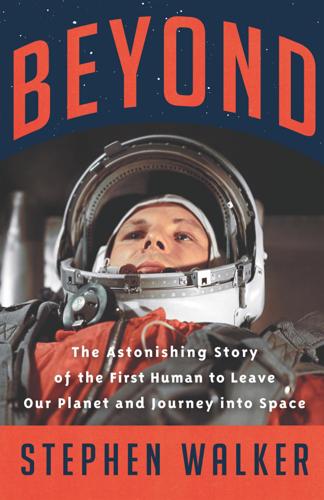
Beyond: The Astonishing Story of the First Human to Leave Our Planet and Journey Into Space
by Stephen Walker · 12 Apr 2021 · 546pp · 164,489 words
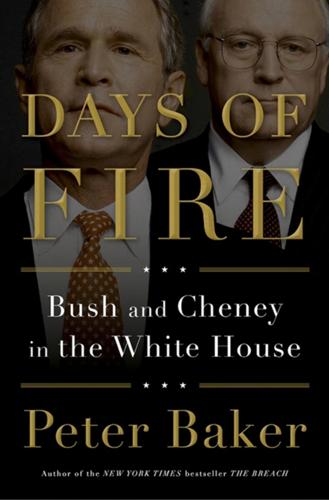
Days of Fire: Bush and Cheney in the White House
by Peter Baker · 21 Oct 2013
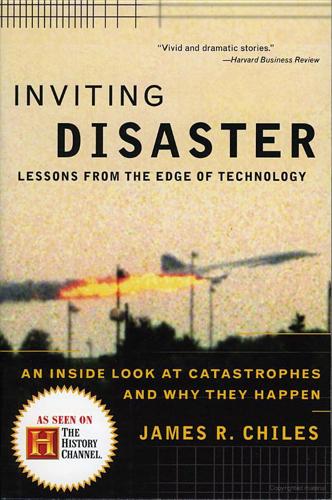
Inviting Disaster
by James R. Chiles · 7 Jul 2008 · 415pp · 123,373 words
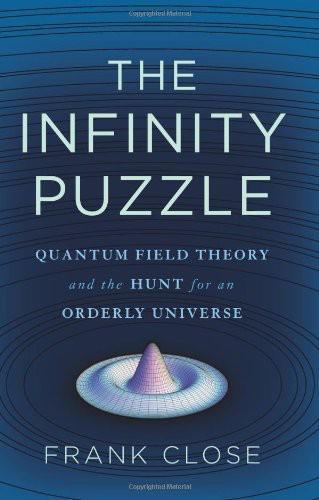
The Infinity Puzzle
by Frank Close · 29 Nov 2011 · 449pp · 123,459 words
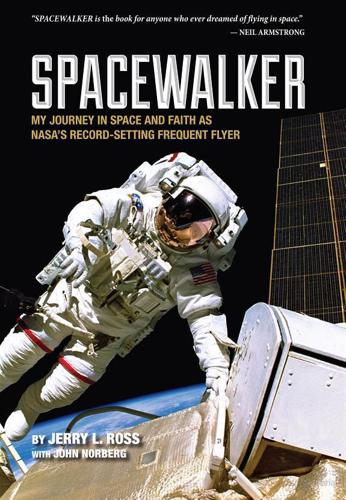
Spacewalker: My Journey in Space and Faith as NASA's Record-Setting Frequent Flyer
by Jerry Lynn Ross and John Norberg · 31 Jan 2013 · 259pp · 94,135 words
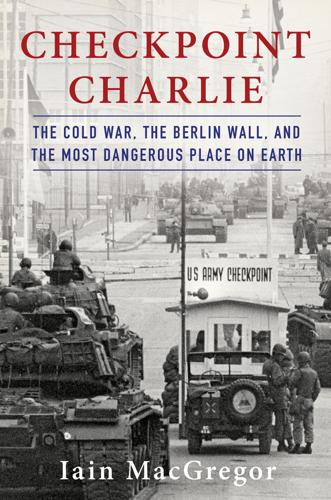
Checkpoint Charlie
by Iain MacGregor · 5 Nov 2019 · 401pp · 119,043 words
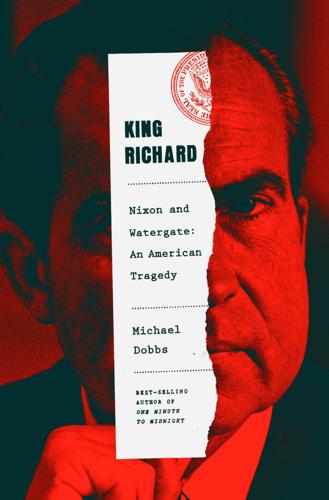
King Richard: Nixon and Watergate--An American Tragedy
by Michael Dobbs · 24 May 2021 · 426pp · 117,722 words
Infotopia: How Many Minds Produce Knowledge
by Cass R. Sunstein · 23 Aug 2006