
Stubborn Attachments: A Vision for a Society of Free, Prosperous, and Responsible Individuals
by Tyler Cowen · 15 Oct 2018 · 140pp · 42,194 words
outcomes for societies that come with it, every individual must become more concerned with the welfare of those around us. So, how do we proceed? Tyler Cowen, in a culmination of twenty years of thinking and research, provides a roadmap for moving forward. In this new book, Stubborn Attachments: A Vision for
…
for the design of the book, to Rebecca Hiscott for editing, and to Patrick Collison for his interest in publishing this book with Stripe. Biography Tyler Cowen is a Holbert L. Harris Professor at George Mason University and Director of the Mercatus Center. He received his PhD in economics from Harvard University
…
The Complacent Class: The Self-Defeating Quest for the American Dream. Stubborn Attachments: A Vision for a Society of Free, Prosperous, and Responsible Individuals © 2018 Tyler Cowen All rights reserved. No part of this publication may be reproduced or transmitted in any form or by any means, electronic or mechanical, including photocopying
…
about redistribution? 6—Must uncertainty paralyze us? Conclusion—where have we landed? Appendix A Appendix B References Landmarks Cover Table of Contents Start of Content Tyler Cowen Stubborn Attachments A vision for a society of free, prosperous, and responsible individuals 1—Introduction When it comes to the future of our world, we
…
suppose this means I will remain stubbornly attached to Yonas. And with the publication of this book, Stripe Press is now stubbornly attached to me. —Tyler Cowen
Big Business: A Love Letter to an American Anti-Hero
by Tyler Cowen · 8 Apr 2019 · 297pp · 84,009 words
I World War II X-rays Yahoo YouTube Zak, Paul J. Zawadzki, Matthew J. Zingales, Luigi zombie banks Zuckerberg, Mark See also Facebook ALSO BY TYLER COWEN The Complacent Class Average Is Over The Great Stagnation An Economist Gets Lunch The Age of the Infovore Discover Your Inner Economist ABOUT THE AUTHOR
…
TYLER COWEN, Ph.D., holds the Holbert L. Harris Chair in Economics at George Mason University. He is the author of a number of explanatory books and
…
Is a Firm, Anyway, and Why Do So Many Workers End Up So Frustrated? Acknowledgments Notes Selected Bibliography Index Also By Tyler Cowen About the Author Copyright BIG BUSINESS. Copyright © 2019 by Tyler Cowen. All rights reserved. For information, address St. Martin’s Press, 175 Fifth Avenue, New York, N.Y. 10010. www.stmartins
…
Library of Congress has cataloged the print edition as follows: Names: Cowen, Tyler, author. Title: Big business: a love letter to an American anti-hero / Tyler Cowen. Description: New York: St. Martin’s Press, [2019] | Includes bibliographical references and index. Identifiers: LCCN 2018045701 | ISBN 9781250110541 (hardcover) | ISBN 9781250225627 (international, sold outside the
The Age of the Infovore: Succeeding in the Information Economy
by Tyler Cowen · 25 May 2010 · 254pp · 72,929 words
A PLUME BOOK THE AGE OF THE INFOVORE TYLER COWEN, a professor of economics at George Mason University, writes regularly for the New York Times and Money, and has contributed to numerous publications including the
…
of organizing information online are changing the way we think and the economy.” —The Economist (online) “Cowen combines his passions—economics and art.” —Mason Gazette “Tyler Cowen needs no introduction—he is perhaps the world’s most prolific econoblogger…. Tyler’s contributions to public knowledge are many. One of the most impressive
…
Grandin, author of Thinking in Pictures “The modern world bombards us with data just begging to be organized, from iPod playlists to digital vacation photos. Tyler Cowen offers an entertaining guided tour of our unprecedented information age, pondering implications for how creative we are, how long our attention span is, how our
…
work, and the future of our economy.” —Samuel R. Sommers, assistant professor of psychology, Tufts University ALSO BY TYLER COWEN Discover Your Inner Economist THE AGE OF THE INFOVORE SUCCEEDING IN THE INFORMATION ECONOMY Tyler Cowen Previously published as Create Your Own Economy A PLUME BOOK PLUME Published by the Penguin Group Penguin Group
…
Plume, a member of Penguin Group (USA) Inc. Previously published in a Dutton edition as Create Your Own Economy. First Plume Printing, July 2010 Copyright © Tyler Cowen, 2009 All rights reserved REGISTERED TRADEMARK—MARCA REGISTRADA The Library of Congress has catalogued the Dutton edition as follows: Cowen, Tyler. Create your own economy
…
: the path to prosperity in a disordered world / Tyler Cowen. p. cm. Includes bibliographical references and index. ISBN: 978-1-101-43299-0 1. Economics—Psychological aspects. 2. Creative thinking. I. Title. HB74.P8C68 2009
…
a group trying to establish a world record by gathering together more than 1,224 people named Mohammed Hassan. There was a nine-year-old Tyler Cowen in a soccer league somewhere and every now and then I wonder how he is doing. There’s evidence, from many fields of study, that
Average Is Over: Powering America Beyond the Age of the Great Stagnation
by Tyler Cowen · 11 Sep 2013 · 291pp · 81,703 words
ALSO BY TYLER COWEN An Economist Gets Lunch The Great Stagnation The Age of the Infovore Discover Your Inner Economist DUTTON Published by the Penguin Group Penguin Group (USA)
…
| China Penguin Books Ltd, Registered Offices: 80 Strand, London WC2R 0RL, England For more information about the Penguin Group visit penguin.com. Copyright © 2013 by Tyler Cowen All rights reserved. No part of this book may be reproduced, scanned, or distributed in any printed or electronic form without permission. Please do not
…
. REGISTERED TRADEMARK—MARCA REGISTRADA LIBRARY OF CONGRESS CATALOGING-IN-PUBLICATION DATA Cowen, Tyler. Average is over : powering America beyond the age of the great stagnation / Tyler Cowen. pages cm Includes bibliographical references and index. ISBN 978-0-698-13816-2 1. Economic forecasting—United States. 2. United States—Economic conditions—2009- 3
…
was doing the research and writing on this one. I have benefited considerably from reading their work and from conversations with them. Contents Also by Tyler Cowen Title Page Copyright Dedication Epigraph PART I Welcome to the Hyper-Meritocracy 1 Work and Wages in iWorld 2 The Big Earners and the Big
…
dialogue with Rosette, see http://orgtheory.wordpress.com/2011/10/22/2011 -loebner-prize-artificial-intelligence-still-has-a-long-way-to-go/. For a Tyler Cowen and Michelle Dawson paper on Turing, see “What Does the Turing Test Really Mean? And How Many Human Beings (Including Turing) Could Pass?”, June 3
…
’,” Federal Reserve Board of San Francisco Economic Letter, August 8, 2011. For an overview of the research on the connection between immigration and offshoring, see Tyler Cowen, “How Immigrants Create More Jobs,” The New York Times, October 30, 2010. On the importance of economic clustering, see the blog post by Noah Smith
An Economist Gets Lunch: New Rules for Everyday Foodies
by Tyler Cowen · 11 Apr 2012 · 364pp · 102,528 words
AN ECONOMIST GETS LUNCH ALSO BY TYLER COWEN The Great Stagnation The Age of the Infovore Discover Your Inner Economist T Y L E R C O W E N A N E
…
Dutton, a member of Penguin Group (USA) Inc. First printing, April 2012 1 3 5 7 9 10 8 6 4 2 Copyright © 2012 by Tyler Cowen All rights reserved. No part of this book may be reproduced, scanned, or distributed in any printed or electronic form without permission. Please do not
…
only authorized editions. REGISTERED TRADEMARK—MARCA REGISTRADA LIBRARY OF CONGRESS CATALOGING-IN-PUBLICATION DATA Cowen, Tyler. An economist gets lunch : new rules for everyday foodies / Tyler Cowen. p. cm. Includes bibliographical references and index. ISBN: 978-1-101-56166-9 1. Food habits—Economic aspects. 2. Food preferences—Economic aspects. 3. Food
…
. Mexican food from California uses more produce, as befits the diversified agriculture of the state. Avocados, sour cream, and Spanish olives are especially common. See Tyler Cowen, Creative Destruction: How Globalization is Changing the World’s Cultures (Princeton: Princeton University Press), 2002, chapter four, for information on the differential spread of television
The Complacent Class: The Self-Defeating Quest for the American Dream
by Tyler Cowen · 27 Feb 2017 · 287pp · 82,576 words
Wang, Ben Wang Wenyin War on Drugs Warner, Michael Washington, DC Watts riots Weather Underground Wikipedia YouTube. See also social media Zuckerberg, Mark ALSO BY TYLER COWEN Average Is Over The Great Stagnation An Economist Gets Lunch The Age of the Infovore Discover Your Inner Economist ABOUT THE AUTHOR
…
TYLER COWEN (Ph.D.) holds the Holbert C. Harris chair in economics at George Mason University. He is the author of a number of textbooks and other
…
of Our Time 9. The Return of Chaos, and Why the Complacent Class Cannot Hold Notes References Index Also by Tyler Cowen About the Author Copyright THE COMPLACENT CLASS. Copyright © 2017 by Tyler Cowen. All rights reserved. Printed in the United States of America. For information, address St. Martin’s Press, 175 Fifth Avenue
Tyler Cowen-Discover Your Inner Economist Use Incentives to Fall in Love, Survive Your Next Meeting, and Motivate Your Dentist-Plume (2008)
by Unknown · 20 Sep 2008 · 246pp · 116 words
DISCOVER YOUR INNER ECONOMIST Use Incentives to Fall in Love, Survive Your Next Meeting, and Motivate Your Dentist TYLER COWEN I DUTTON DUTION Published by Penguin Group (USA) Inc. 375 Hudson Street, New York, New York 10014, U.S.A. Penguin Group (Canada), 90 Eglinton
…
Dutton, a member of Penguin Group (USA) Inc. First printing, August 2007 10 9 8 7 6 5 4 3 2 I Copyright © 2007 by Tyler Cowen All rights reserved I REGISTERED TRADEMARK-MARCA REGISTRADA LIBRARY OF CONGRESS CATALOGING-IN-PUBLICATION DATA Cowen, Tyler. Discover your inner economist: use incentives to fall
…
in love, survive your next meeting, and motivate your dentist / Tyler Cowen. p. cm. Includes bibliographical references and index. ISBN 978-0-525-95025-7 (hardcover) I. Economics-Psychological aspects. 2. Incentive (Psychology) I. Title. HB74.P8C69
…
syllabi? Their study considered twentysix different economics curricula, and counted the eight with doctoral programs as of higher status. The results do not surprise Mr. Tyler Cowen. The authors, Harbaugh and To, tell us: "For voice-mail greetings, the use of a title is far less common at doctoral universities. Less than
…
has written for Forbes, the Wall Street Journal, Newsweek, the Wash- ington Post, Los Angeles Times, and The Wilson Quarterly. You can find more about Tyler Cowen at his home page, www.gmu.edu/jbc/Tylerl.
The Great Stagnation
by Tyler Cowen · 24 Jan 2011 · 76pp · 20,238 words
, Registered Offices: 80 Strand, London WC2R 0RL, England Published by Dutton, a member of Penguin Group (USA) Inc. First printing, February 2011 Copyright © 2010 by Tyler Cowen All rights reserved <Dutton logo> REGISTERED TRADEMARK—MARCA REGISTRADA eISBN : 978-1-101-50225-9 Chart on page 14 reprinted from Technological Forecasting and Social
…
.merage.uci.edu/papers/2009/InnovationAndJobCreation.pdf. Chapter 4 The Government of Low-Hanging Fruit On who pays how much of the tax burden, see Tyler Cowen and Alex Tabarrok, Modern Principles: Macroeconomics, New York: Worth Publishers, 2009, ch. 16, p. 340. The historian S. E. Finer first suggested that technology was
Private Government: How Employers Rule Our Lives (And Why We Don't Talk About It)
by Elizabeth S. Anderson · 22 May 2017 · 205pp · 58,054 words
? 75 Ann Hughes 4 Market Rationalization 89 David Bromwich 5 Help Wanted: Subordinates 99 Niko Kolodny 6 Work Isn’t So Bad after All 108 Tyler Cowen Response 7 Reply to Commentators 119 Elizabeth Anderson Notes 145 Contributors 183 Index 185 Introduction Stephen Macedo The two lectures that are the centerpiece of
…
be that “our rights as employees are not like our rights as citizens?” Kolodny does not hazard an answer but underlines these questions’ importance. Finally, Tyler Cowen, an economist and a public commentator, advances a broad critique of Anderson’s claims about the extent of worker domination in today’s workplaces. He
…
read the first draft of my lectures and provided very helpful comments that enabled me to polish my lectures for delivery. My commentators David Bromwich, Tyler Cowen, Ann Hughes, and Niko Kolodny, along with two anonymous reviewers for Princeton University Press, supplied splendid comments that enabled me to sharpen my ideas and
…
am sure that we’re in Anderson’s debt for spurring us to ask the questions. Chapter 6 Work Isn’t So Bad after All Tyler Cowen I am very much a fan of Elizabeth Anderson’s attempts to synthesize philosophy and economics, but on the topic of her Tanner entry my
…
it was promulgated. Niko Kolodny, a philosopher, presses me to explain more fully what is objectionable about being subject to the arbitrary power of another. Tyler Cowen, an economist, stresses the need to weigh the costs and benefits of different workplace governance regimes. All of these perspectives deserve more discussion than I
…
table for what it is: a problem of government, not of markets or “freedom of contract.” How Should We Evaluate the Constitution of Workplace Government? Tyler Cowen raises some fundamental questions about the grounds for evaluating the constitution of workplace governance. To address them, I need to clarify the argument of my
…
journals. He is the author of several books including, most recently, The Intellectual Life of Edmund Burke: From the Sublime and Beautiful to American Independence. Tyler Cowen holds the Holbert L. Harris Chair of Economics at George Mason University and is a Professor in Economics at the Center for the Study of
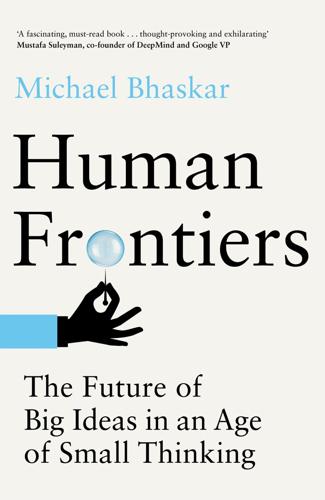
Human Frontiers: The Future of Big Ideas in an Age of Small Thinking
by Michael Bhaskar · 2 Nov 2021
debate is calling into question these dominant assumptions about our place in history and the default nature of progress. As much as anyone, the economist Tyler Cowen rang the alarm when he called the present, particularly in the West, the Great Stagnation. So let's call it the Great Stagnation Debate. Nicholas
…
a third of the pace achieved between 1920 and 1970, leaving us fully 73 per cent behind the postwar trend.17 In the words of Tyler Cowen and Ben Southwood: ‘TFP growth probably is the best contender for how to measure scientific progress. And overall TFP measures do show declines in the
…
field. * Economists are increasingly sceptical about claims that we live in an age of radical innovation. High-profile names like Lawrence Summers, Robert Gordon and Tyler Cowen elaborate the idea of ‘secular stagnation’, citing that strange slowing of Western economies despite a surface-level technological abundance. Cowen's ‘Great Stagnation’ is exactly
…
, but in another it's about dynamism, attitudes to trying and delivering new things at the frontier. Its absence is indicative of a deep complacency. Tyler Cowen has gathered much evidence of this: people don't move house but stay in the same jobs and social class, don't even leave the
Bourgeois Dignity: Why Economics Can't Explain the Modern World
by Deirdre N. McCloskey · 15 Nov 2011 · 1,205pp · 308,891 words
On the Edge: The Art of Risking Everything
by Nate Silver · 12 Aug 2024 · 848pp · 227,015 words
More Everything Forever: AI Overlords, Space Empires, and Silicon Valley's Crusade to Control the Fate of Humanity
by Adam Becker · 14 Jun 2025 · 381pp · 119,533 words
Restarting the Future: How to Fix the Intangible Economy
by Jonathan Haskel and Stian Westlake · 4 Apr 2022 · 338pp · 85,566 words
A World Without Work: Technology, Automation, and How We Should Respond
by Daniel Susskind · 14 Jan 2020 · 419pp · 109,241 words

Boom: Bubbles and the End of Stagnation
by Byrne Hobart and Tobias Huber · 29 Oct 2024 · 292pp · 106,826 words
The Case Against Education: Why the Education System Is a Waste of Time and Money
by Bryan Caplan · 16 Jan 2018 · 636pp · 140,406 words

The Problem of Political Authority: An Examination of the Right to Coerce and the Duty to Obey
by Michael Huemer · 29 Oct 2012 · 577pp · 149,554 words
Growth: A Reckoning
by Daniel Susskind · 16 Apr 2024 · 358pp · 109,930 words
The Impulse Society: America in the Age of Instant Gratification
by Paul Roberts · 1 Sep 2014 · 324pp · 92,805 words
How to Fix Copyright
by William Patry · 3 Jan 2012 · 336pp · 90,749 words
Can It Happen Here?: Authoritarianism in America
by Cass R. Sunstein · 6 Mar 2018 · 434pp · 117,327 words
Blank Space: A Cultural History of the Twenty-First Century
by W. David Marx · 18 Nov 2025 · 642pp · 142,332 words
10% Less Democracy: Why You Should Trust Elites a Little More and the Masses a Little Less
by Garett Jones · 4 Feb 2020 · 303pp · 75,192 words
Never Let a Serious Crisis Go to Waste: How Neoliberalism Survived the Financial Meltdown
by Philip Mirowski · 24 Jun 2013 · 662pp · 180,546 words
Starstruck: The Business of Celebrity
by Currid · 9 Nov 2010 · 332pp · 91,780 words
Empire of AI: Dreams and Nightmares in Sam Altman's OpenAI
by Karen Hao · 19 May 2025 · 660pp · 179,531 words
99%: Mass Impoverishment and How We Can End It
by Mark Thomas · 7 Aug 2019 · 286pp · 79,305 words
The Second Machine Age: Work, Progress, and Prosperity in a Time of Brilliant Technologies
by Erik Brynjolfsson and Andrew McAfee · 20 Jan 2014 · 339pp · 88,732 words
The Retreat of Western Liberalism
by Edward Luce · 20 Apr 2017 · 223pp · 58,732 words
Rise of the Robots: Technology and the Threat of a Jobless Future
by Martin Ford · 4 May 2015 · 484pp · 104,873 words
Overcomplicated: Technology at the Limits of Comprehension
by Samuel Arbesman · 18 Jul 2016 · 222pp · 53,317 words
The Decadent Society: How We Became the Victims of Our Own Success
by Ross Douthat · 25 Feb 2020 · 324pp · 80,217 words
The Wealth of Humans: Work, Power, and Status in the Twenty-First Century
by Ryan Avent · 20 Sep 2016 · 323pp · 90,868 words
The Blank Slate: The Modern Denial of Human Nature
by Steven Pinker · 1 Jan 2002 · 901pp · 234,905 words
The Innovation Illusion: How So Little Is Created by So Many Working So Hard
by Fredrik Erixon and Bjorn Weigel · 3 Oct 2016 · 504pp · 126,835 words
It's Better Than It Looks: Reasons for Optimism in an Age of Fear
by Gregg Easterbrook · 20 Feb 2018 · 424pp · 119,679 words
Why Liberalism Failed
by Patrick J. Deneen · 9 Jan 2018 · 215pp · 61,435 words
Head, Hand, Heart: Why Intelligence Is Over-Rewarded, Manual Workers Matter, and Caregivers Deserve More Respect
by David Goodhart · 7 Sep 2020 · 463pp · 115,103 words
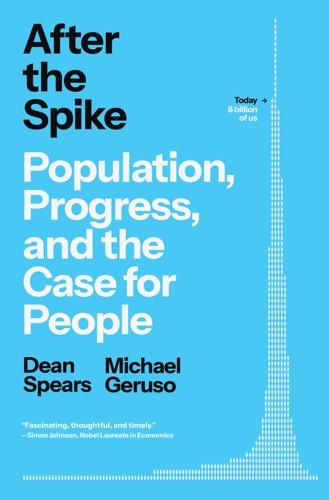
After the Spike: Population, Progress, and the Case for People
by Dean Spears and Michael Geruso · 7 Jul 2025 · 264pp · 96,174 words
The Age of Cryptocurrency: How Bitcoin and Digital Money Are Challenging the Global Economic Order
by Paul Vigna and Michael J. Casey · 27 Jan 2015 · 457pp · 128,838 words
Crack-Up Capitalism: Market Radicals and the Dream of a World Without Democracy
by Quinn Slobodian · 4 Apr 2023 · 360pp · 107,124 words
The Contrarian: Peter Thiel and Silicon Valley's Pursuit of Power
by Max Chafkin · 14 Sep 2021 · 524pp · 130,909 words
Moral Ambition: Stop Wasting Your Talent and Start Making a Difference
by Bregman, Rutger · 9 Mar 2025 · 181pp · 72,663 words
Digital Gold: Bitcoin and the Inside Story of the Misfits and Millionaires Trying to Reinvent Money
by Nathaniel Popper · 18 May 2015 · 387pp · 112,868 words
The Great Divergence: America's Growing Inequality Crisis and What We Can Do About It
by Timothy Noah · 23 Apr 2012 · 309pp · 91,581 words
Consumed: How Markets Corrupt Children, Infantilize Adults, and Swallow Citizens Whole
by Benjamin R. Barber · 1 Jan 2007 · 498pp · 145,708 words
The Economic Singularity: Artificial Intelligence and the Death of Capitalism
by Calum Chace · 17 Jul 2016 · 477pp · 75,408 words
Capitalism Without Capital: The Rise of the Intangible Economy
by Jonathan Haskel and Stian Westlake · 7 Nov 2017 · 346pp · 89,180 words
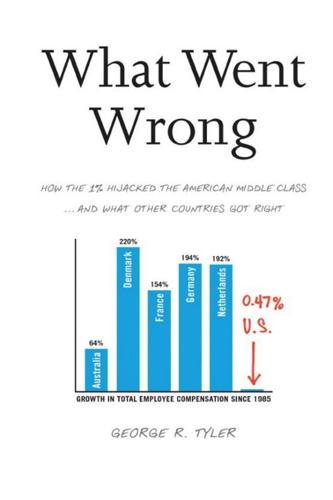
What Went Wrong: How the 1% Hijacked the American Middle Class . . . And What Other Countries Got Right
by George R. Tyler · 15 Jul 2013 · 772pp · 203,182 words
The Internet Is Not the Answer
by Andrew Keen · 5 Jan 2015 · 361pp · 81,068 words
What We Owe the Future: A Million-Year View
by William MacAskill · 31 Aug 2022 · 451pp · 125,201 words
Machine, Platform, Crowd: Harnessing Our Digital Future
by Andrew McAfee and Erik Brynjolfsson · 26 Jun 2017 · 472pp · 117,093 words
In Our Own Image: Savior or Destroyer? The History and Future of Artificial Intelligence
by George Zarkadakis · 7 Mar 2016 · 405pp · 117,219 words
Evil Geniuses: The Unmaking of America: A Recent History
by Kurt Andersen · 14 Sep 2020 · 486pp · 150,849 words
Social Democratic America
by Lane Kenworthy · 3 Jan 2014 · 283pp · 73,093 words
The New Class Conflict
by Joel Kotkin · 31 Aug 2014 · 362pp · 83,464 words
Rationality: From AI to Zombies
by Eliezer Yudkowsky · 11 Mar 2015 · 1,737pp · 491,616 words
Abundance
by Ezra Klein and Derek Thompson · 18 Mar 2025 · 227pp · 84,566 words
Race Against the Machine: How the Digital Revolution Is Accelerating Innovation, Driving Productivity, and Irreversibly Transforming Employment and the Economy
by Erik Brynjolfsson · 23 Jan 2012 · 72pp · 21,361 words
Smart Cities: Big Data, Civic Hackers, and the Quest for a New Utopia
by Anthony M. Townsend · 29 Sep 2013 · 464pp · 127,283 words
Capitalism in America: A History
by Adrian Wooldridge and Alan Greenspan · 15 Oct 2018 · 585pp · 151,239 words
The Captured Economy: How the Powerful Enrich Themselves, Slow Down Growth, and Increase Inequality
by Brink Lindsey · 12 Oct 2017 · 288pp · 64,771 words
The New Enclosure: The Appropriation of Public Land in Neoliberal Britain
by Brett Christophers · 6 Nov 2018
Utopia for Realists: The Case for a Universal Basic Income, Open Borders, and a 15-Hour Workweek
by Rutger Bregman · 13 Sep 2014 · 235pp · 62,862 words
Hive Mind: How Your Nation’s IQ Matters So Much More Than Your Own
by Garett Jones · 15 Feb 2015 · 247pp · 64,986 words
The Half-Life of Facts: Why Everything We Know Has an Expiration Date
by Samuel Arbesman · 31 Aug 2012 · 284pp · 79,265 words
With Liberty and Dividends for All: How to Save Our Middle Class When Jobs Don't Pay Enough
by Peter Barnes · 31 Jul 2014 · 151pp · 38,153 words
Deep Work: Rules for Focused Success in a Distracted World
by Cal Newport · 5 Jan 2016
The Theft of a Decade: How the Baby Boomers Stole the Millennials' Economic Future
by Joseph C. Sternberg · 13 May 2019 · 336pp · 95,773 words
The Third Pillar: How Markets and the State Leave the Community Behind
by Raghuram Rajan · 26 Feb 2019 · 596pp · 163,682 words
Straight Talk on Trade: Ideas for a Sane World Economy
by Dani Rodrik · 8 Oct 2017 · 322pp · 87,181 words
Make Your Own Job: How the Entrepreneurial Work Ethic Exhausted America
by Erik Baker · 13 Jan 2025 · 362pp · 132,186 words
Power and Progress: Our Thousand-Year Struggle Over Technology and Prosperity
by Daron Acemoglu and Simon Johnson · 15 May 2023 · 619pp · 177,548 words
Humans Are Underrated: What High Achievers Know That Brilliant Machines Never Will
by Geoff Colvin · 3 Aug 2015 · 271pp · 77,448 words
Who's Your City?: How the Creative Economy Is Making Where to Live the Most Important Decision of Your Life
by Richard Florida · 28 Jun 2009 · 325pp · 73,035 words
The War on Normal People: The Truth About America's Disappearing Jobs and Why Universal Basic Income Is Our Future
by Andrew Yang · 2 Apr 2018 · 300pp · 76,638 words
Arbitrary Lines: How Zoning Broke the American City and How to Fix It
by M. Nolan Gray · 20 Jun 2022 · 252pp · 66,183 words
NeuroTribes: The Legacy of Autism and the Future of Neurodiversity
by Steve Silberman · 24 Aug 2015 · 786pp · 195,810 words
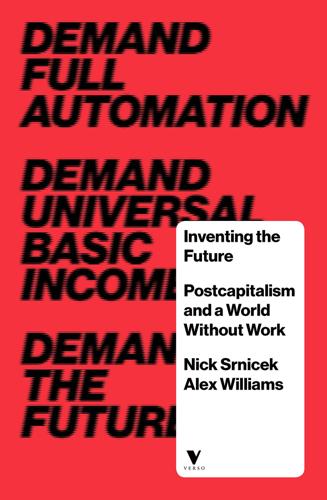
Inventing the Future: Postcapitalism and a World Without Work
by Nick Srnicek and Alex Williams · 1 Oct 2015 · 357pp · 95,986 words
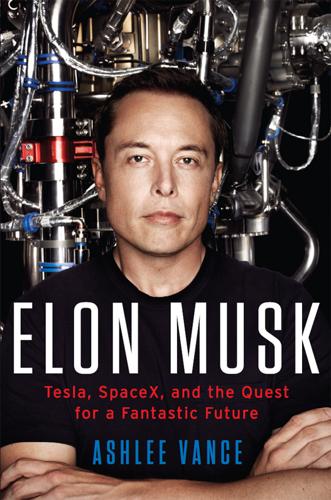
Elon Musk: Tesla, SpaceX, and the Quest for a Fantastic Future
by Ashlee Vance · 18 May 2015 · 370pp · 129,096 words
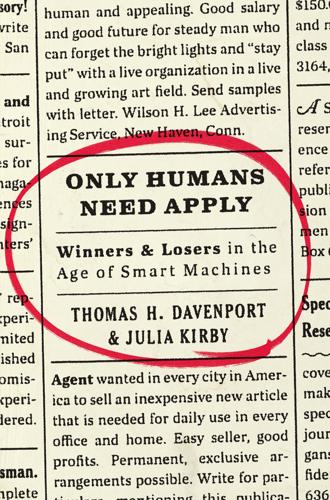
Only Humans Need Apply: Winners and Losers in the Age of Smart Machines
by Thomas H. Davenport and Julia Kirby · 23 May 2016 · 347pp · 97,721 words
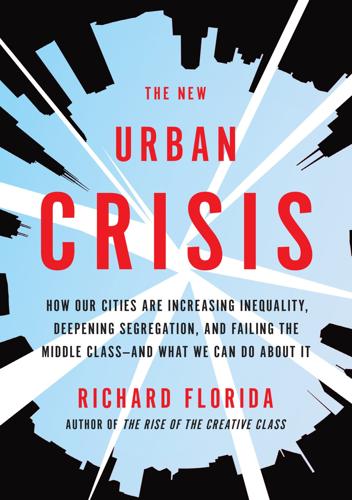
The New Urban Crisis: How Our Cities Are Increasing Inequality, Deepening Segregation, and Failing the Middle Class?and What We Can Do About It
by Richard Florida · 9 May 2016 · 356pp · 91,157 words
Political Order and Political Decay: From the Industrial Revolution to the Globalization of Democracy
by Francis Fukuyama · 29 Sep 2014 · 828pp · 232,188 words
The Gated City (Kindle Single)
by Ryan Avent · 30 Aug 2011 · 112pp · 30,160 words
Breakout Nations: In Pursuit of the Next Economic Miracles
by Ruchir Sharma · 8 Apr 2012 · 411pp · 114,717 words
Let Them In: The Case for Open Borders
by Jason L. Riley · 14 May 2008 · 196pp · 53,627 words
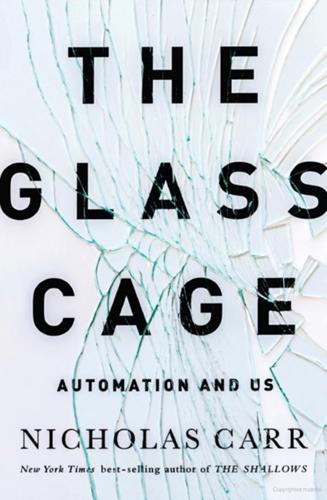
The Glass Cage: Automation and Us
by Nicholas Carr · 28 Sep 2014 · 308pp · 84,713 words
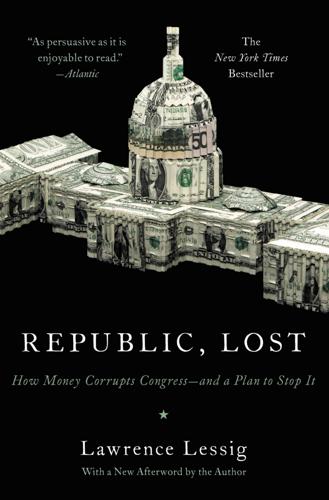
Republic, Lost: How Money Corrupts Congress--And a Plan to Stop It
by Lawrence Lessig · 4 Oct 2011 · 538pp · 121,670 words
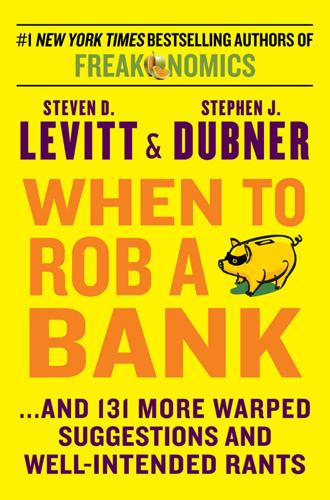
When to Rob a Bank: ...And 131 More Warped Suggestions and Well-Intended Rants
by Steven D. Levitt and Stephen J. Dubner · 4 May 2015 · 306pp · 85,836 words
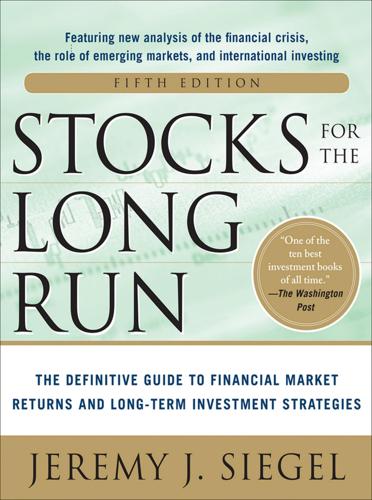
Stocks for the Long Run 5/E: the Definitive Guide to Financial Market Returns & Long-Term Investment Strategies
by Jeremy Siegel · 7 Jan 2014 · 517pp · 139,477 words
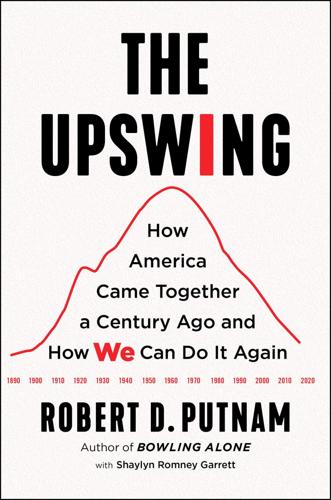
The Upswing: How America Came Together a Century Ago and How We Can Do It Again
by Robert D. Putnam · 12 Oct 2020 · 678pp · 160,676 words
Think Like a Rocket Scientist: Simple Strategies You Can Use to Make Giant Leaps in Work and Life
by Ozan Varol · 13 Apr 2020 · 389pp · 112,319 words
The Price of Time: The Real Story of Interest
by Edward Chancellor · 15 Aug 2022 · 829pp · 187,394 words
The Capitalist Manifesto
by Johan Norberg · 14 Jun 2023 · 295pp · 87,204 words
The Cost of Inequality: Why Economic Equality Is Essential for Recovery
by Stewart Lansley · 19 Jan 2012 · 223pp · 10,010 words
The Vanishing Neighbor: The Transformation of American Community
by Marc J. Dunkelman · 3 Aug 2014 · 327pp · 88,121 words
Open: The Story of Human Progress
by Johan Norberg · 14 Sep 2020 · 505pp · 138,917 words
The New Geography of Jobs
by Enrico Moretti · 21 May 2012 · 403pp · 87,035 words
The Sum of Small Things: A Theory of the Aspirational Class
by Elizabeth Currid-Halkett · 14 May 2017 · 550pp · 89,316 words
21 Lessons for the 21st Century
by Yuval Noah Harari · 29 Aug 2018 · 389pp · 119,487 words
Army of None: Autonomous Weapons and the Future of War
by Paul Scharre · 23 Apr 2018 · 590pp · 152,595 words
Rule of the Robots: How Artificial Intelligence Will Transform Everything
by Martin Ford · 13 Sep 2021 · 288pp · 86,995 words

The Revenge of Analog: Real Things and Why They Matter
by David Sax · 8 Nov 2016 · 360pp · 101,038 words
Falter: Has the Human Game Begun to Play Itself Out?
by Bill McKibben · 15 Apr 2019
Four Futures: Life After Capitalism
by Peter Frase · 10 Mar 2015 · 121pp · 36,908 words
Connectography: Mapping the Future of Global Civilization
by Parag Khanna · 18 Apr 2016 · 497pp · 144,283 words
Utopia Is Creepy: And Other Provocations
by Nicholas Carr · 5 Sep 2016 · 391pp · 105,382 words
The Shifts and the Shocks: What We've Learned--And Have Still to Learn--From the Financial Crisis
by Martin Wolf · 24 Nov 2015 · 524pp · 143,993 words
Live Work Work Work Die: A Journey Into the Savage Heart of Silicon Valley
by Corey Pein · 23 Apr 2018 · 282pp · 81,873 words
European Spring: Why Our Economies and Politics Are in a Mess - and How to Put Them Right
by Philippe Legrain · 22 Apr 2014 · 497pp · 150,205 words
Getting Better: Why Global Development Is Succeeding--And How We Can Improve the World Even More
by Charles Kenny · 31 Jan 2011 · 272pp · 71,487 words
Stuffocation
by James Wallman · 6 Dec 2013 · 296pp · 82,501 words
The Upside of Inequality
by Edward Conard · 1 Sep 2016 · 436pp · 98,538 words
How to Speak Money: What the Money People Say--And What It Really Means
by John Lanchester · 5 Oct 2014 · 261pp · 86,905 words

Global Catastrophic Risks
by Nick Bostrom and Milan M. Cirkovic · 2 Jul 2008

The City: A Global History
by Joel Kotkin · 1 Jan 2005
Framers: Human Advantage in an Age of Technology and Turmoil
by Kenneth Cukier, Viktor Mayer-Schönberger and Francis de Véricourt · 10 May 2021 · 291pp · 80,068 words
Money Free and Unfree
by George A. Selgin · 14 Jun 2017 · 454pp · 134,482 words
Deaths of Despair and the Future of Capitalism
by Anne Case and Angus Deaton · 17 Mar 2020 · 421pp · 110,272 words
What Money Can't Buy: The Moral Limits of Markets
by Michael Sandel · 26 Apr 2012 · 231pp · 70,274 words
Blockchain Revolution: How the Technology Behind Bitcoin Is Changing Money, Business, and the World
by Don Tapscott and Alex Tapscott · 9 May 2016 · 515pp · 126,820 words
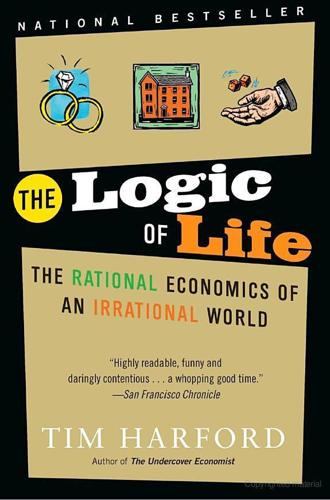
The Logic of Life: The Rational Economics of an Irrational World
by Tim Harford · 1 Jan 2008 · 250pp · 88,762 words
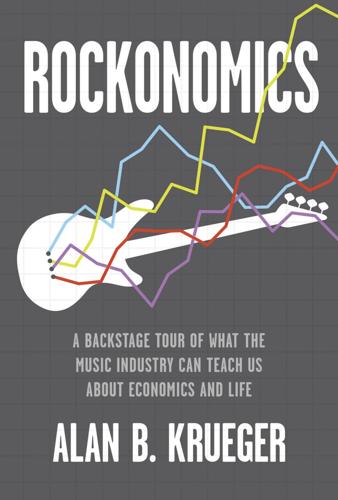
Rockonomics: A Backstage Tour of What the Music Industry Can Teach Us About Economics and Life
by Alan B. Krueger · 3 Jun 2019
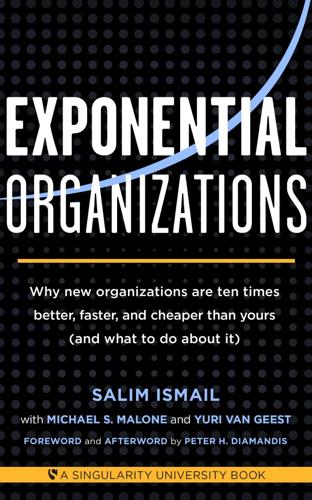
Exponential Organizations: Why New Organizations Are Ten Times Better, Faster, and Cheaper Than Yours (And What to Do About It)
by Salim Ismail and Yuri van Geest · 17 Oct 2014 · 292pp · 85,151 words
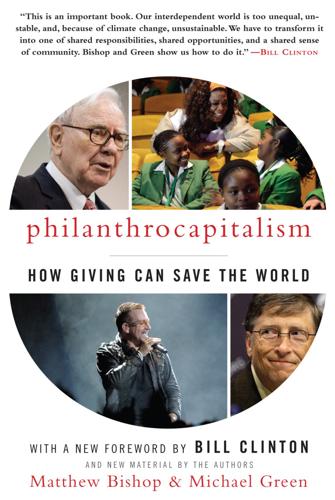
Philanthrocapitalism
by Matthew Bishop, Michael Green and Bill Clinton · 29 Sep 2008 · 401pp · 115,959 words
Ours to Hack and to Own: The Rise of Platform Cooperativism, a New Vision for the Future of Work and a Fairer Internet
by Trebor Scholz and Nathan Schneider · 14 Aug 2017 · 237pp · 67,154 words
Hit Makers: The Science of Popularity in an Age of Distraction
by Derek Thompson · 7 Feb 2017 · 416pp · 108,370 words
Number Go Up: Inside Crypto's Wild Rise and Staggering Fall
by Zeke Faux · 11 Sep 2023 · 385pp · 106,848 words
13 Bankers: The Wall Street Takeover and the Next Financial Meltdown
by Simon Johnson and James Kwak · 29 Mar 2010 · 430pp · 109,064 words

The Locavore's Dilemma
by Pierre Desrochers and Hiroko Shimizu · 29 May 2012 · 329pp · 85,471 words
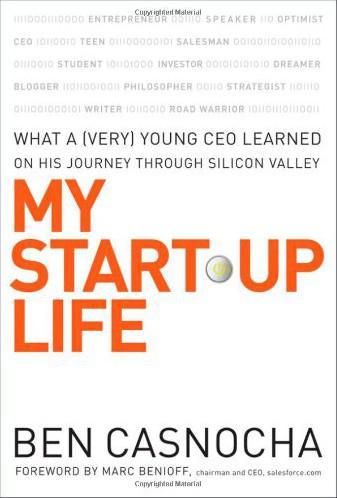
My Start-Up Life: What A
by Ben Casnocha and Marc Benioff · 7 May 2007 · 207pp · 63,071 words
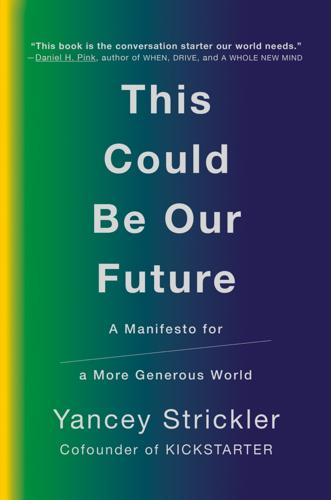
This Could Be Our Future: A Manifesto for a More Generous World
by Yancey Strickler · 29 Oct 2019 · 254pp · 61,387 words
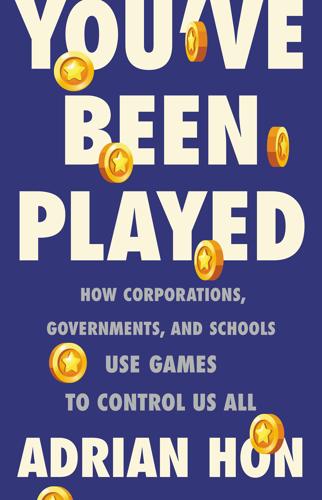
You've Been Played: How Corporations, Governments, and Schools Use Games to Control Us All
by Adrian Hon · 14 Sep 2022 · 371pp · 107,141 words
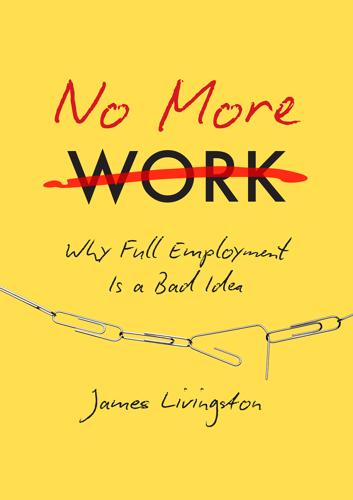
No More Work: Why Full Employment Is a Bad Idea
by James Livingston · 15 Feb 2016 · 90pp · 27,452 words
The Start-Up of You: Adapt to the Future, Invest in Yourself, and Transform Your Career
by Reid Hoffman and Ben Casnocha · 14 Feb 2012 · 176pp · 55,819 words
The End of Nice: How to Be Human in a World Run by Robots (Kindle Single)
by Richard Newton · 11 Apr 2015 · 94pp · 26,453 words
What's Yours Is Mine: Against the Sharing Economy
by Tom Slee · 18 Nov 2015 · 265pp · 69,310 words
The Euro and the Battle of Ideas
by Markus K. Brunnermeier, Harold James and Jean-Pierre Landau · 3 Aug 2016 · 586pp · 160,321 words
The Myth of the Rational Market: A History of Risk, Reward, and Delusion on Wall Street
by Justin Fox · 29 May 2009 · 461pp · 128,421 words
Good Money: Birmingham Button Makers, the Royal Mint, and the Beginnings of Modern Coinage, 1775-1821
by George Anthony Selgin · 13 Jul 2008 · 386pp
The Googlization of Everything:
by Siva Vaidhyanathan · 1 Jan 2010 · 281pp · 95,852 words
Creative Intelligence: Harnessing the Power to Create, Connect, and Inspire
by Bruce Nussbaum · 5 Mar 2013 · 385pp · 101,761 words
Adapt: Why Success Always Starts With Failure
by Tim Harford · 1 Jun 2011 · 459pp · 103,153 words
I.O.U.: Why Everyone Owes Everyone and No One Can Pay
by John Lanchester · 14 Dec 2009 · 322pp · 77,341 words
The Financial Crisis and the Free Market Cure: Why Pure Capitalism Is the World Economy's Only Hope
by John A. Allison · 20 Sep 2012 · 348pp · 99,383 words
Seventeen Contradictions and the End of Capitalism
by David Harvey · 3 Apr 2014 · 464pp · 116,945 words
The Social Animal: The Hidden Sources of Love, Character, and Achievement
by David Brooks · 8 Mar 2011 · 487pp · 151,810 words
Life You Can Save: Acting Now to End World Poverty
by Peter Singer · 3 Mar 2009 · 190pp · 61,970 words
SUPERHUBS: How the Financial Elite and Their Networks Rule Our World
by Sandra Navidi · 24 Jan 2017 · 831pp · 98,409 words
The Establishment: And How They Get Away With It
by Owen Jones · 3 Sep 2014 · 388pp · 125,472 words
Messy: The Power of Disorder to Transform Our Lives
by Tim Harford · 3 Oct 2016 · 349pp · 95,972 words
Radical Markets: Uprooting Capitalism and Democracy for a Just Society
by Eric Posner and E. Weyl · 14 May 2018 · 463pp · 105,197 words
Keynes Hayek: The Clash That Defined Modern Economics
by Nicholas Wapshott · 10 Oct 2011 · 494pp · 132,975 words
Basic Economics
by Thomas Sowell · 1 Jan 2000 · 850pp · 254,117 words
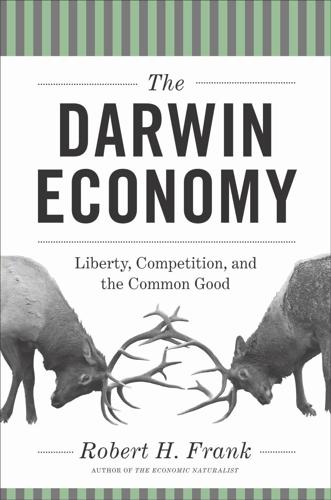
The Darwin Economy: Liberty, Competition, and the Common Good
by Robert H. Frank · 3 Sep 2011
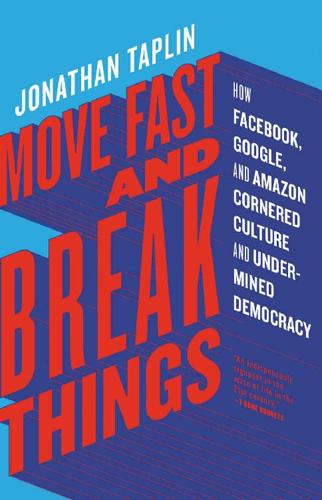
Move Fast and Break Things: How Facebook, Google, and Amazon Cornered Culture and Undermined Democracy
by Jonathan Taplin · 17 Apr 2017 · 222pp · 70,132 words
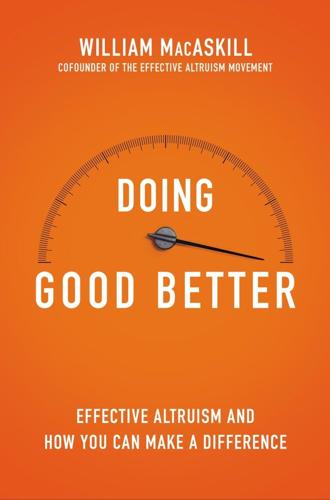
Doing Good Better: How Effective Altruism Can Help You Make a Difference
by William MacAskill · 27 Jul 2015 · 293pp · 81,183 words
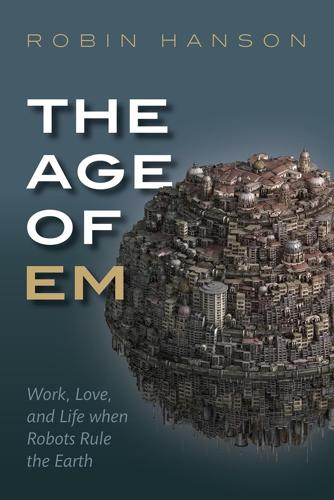
The Age of Em: Work, Love and Life When Robots Rule the Earth
by Robin Hanson · 31 Mar 2016 · 589pp · 147,053 words
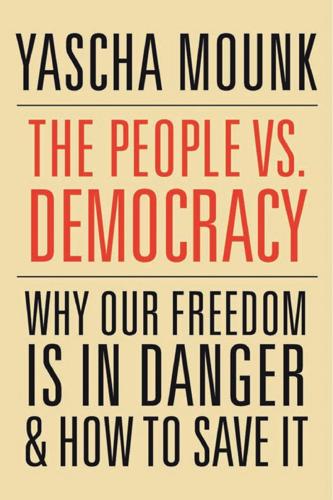
The People vs. Democracy: Why Our Freedom Is in Danger and How to Save It
by Yascha Mounk · 15 Feb 2018 · 497pp · 123,778 words

In Defense of Global Capitalism
by Johan Norberg · 1 Jan 2001 · 233pp · 75,712 words
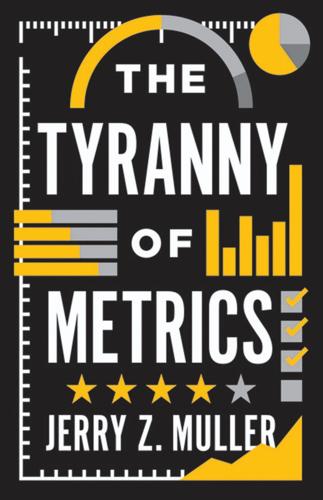
The Tyranny of Metrics
by Jerry Z. Muller · 23 Jan 2018 · 204pp · 53,261 words
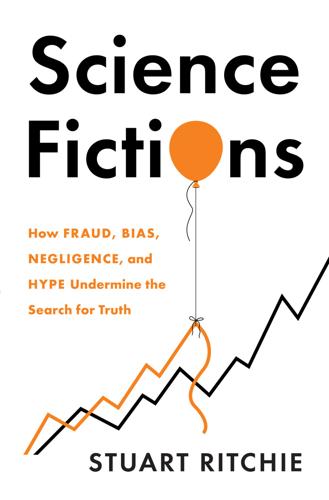
Science Fictions: How Fraud, Bias, Negligence, and Hype Undermine the Search for Truth
by Stuart Ritchie · 20 Jul 2020

Trees on Mars: Our Obsession With the Future
by Hal Niedzviecki · 15 Mar 2015 · 343pp · 102,846 words
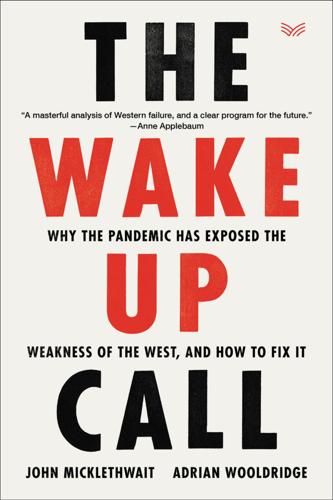
The Wake-Up Call: Why the Pandemic Has Exposed the Weakness of the West, and How to Fix It
by John Micklethwait and Adrian Wooldridge · 1 Sep 2020 · 134pp · 41,085 words
Crisis Economics: A Crash Course in the Future of Finance
by Nouriel Roubini and Stephen Mihm · 10 May 2010 · 491pp · 131,769 words
Don't Trust Your Gut: Using Data to Get What You Really Want in LIfe
by Seth Stephens-Davidowitz · 9 May 2022 · 287pp · 69,655 words
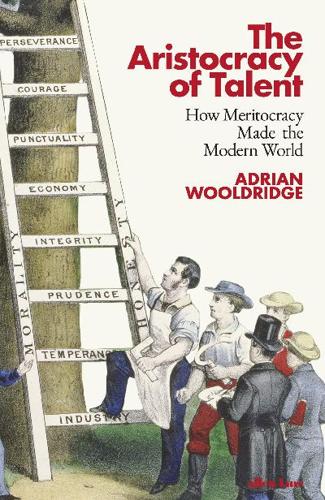
The Aristocracy of Talent: How Meritocracy Made the Modern World
by Adrian Wooldridge · 2 Jun 2021 · 693pp · 169,849 words
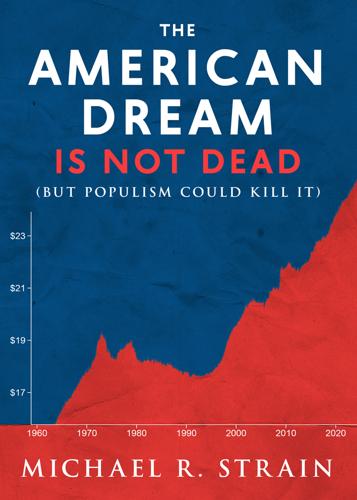
The American Dream Is Not Dead: (But Populism Could Kill It)
by Michael R. Strain · 25 Feb 2020 · 98pp · 27,609 words
Pivot: The Only Move That Matters Is Your Next One
by Jenny Blake · 14 Jul 2016 · 292pp · 76,185 words
The Coming Wave: Technology, Power, and the Twenty-First Century's Greatest Dilemma
by Mustafa Suleyman · 4 Sep 2023 · 444pp · 117,770 words
Markets, State, and People: Economics for Public Policy
by Diane Coyle · 14 Jan 2020 · 384pp · 108,414 words
The Rationalist's Guide to the Galaxy: Superintelligent AI and the Geeks Who Are Trying to Save Humanity's Future
by Tom Chivers · 12 Jun 2019 · 289pp · 92,714 words
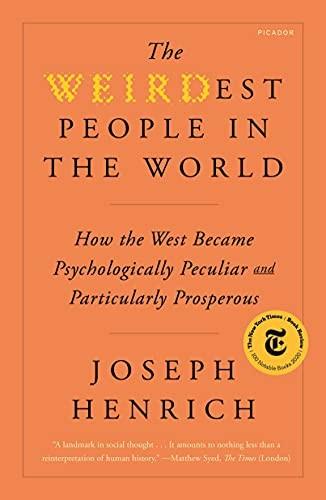
The WEIRDest People in the World: How the West Became Psychologically Peculiar and Particularly Prosperous
by Joseph Henrich · 7 Sep 2020 · 796pp · 223,275 words
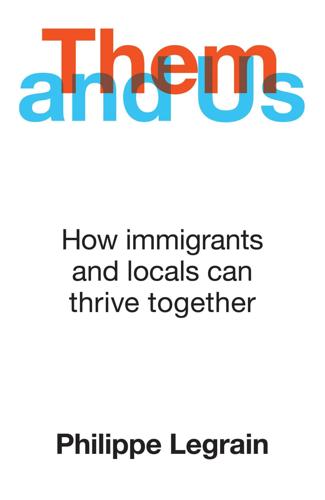
Them and Us: How Immigrants and Locals Can Thrive Together
by Philippe Legrain · 14 Oct 2020 · 521pp · 110,286 words

The Origins of Efficiency
by Brian Potter · 15 Feb 2025 · 474pp · 134,246 words