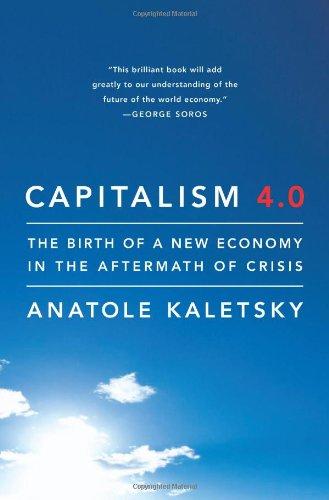
Capitalism 4.0: The Birth of a New Economy in the Aftermath of Crisis
by Anatole Kaletsky · 22 Jun 2010 · 484pp · 136,735 words
maintained, was recognized in the early phase of the free-market period, when Ronald Reagan and Margaret Thatcher were responsible for some of the biggest currency interventions and trade management decisions of all time.23 Many specific plans to influence currency movements and reduce imbalances have been proposed by prominent economists and
…
politicians over the years. These plans have involved setting bands for acceptable exchange rate movements, automatic currency intervention under agreed conditions, integration of monetary and exchange rate policy, agreed ceilings on trade imbalances, and similar ideas.24 But none of the ideas for
…
the gap has been steadily increasing for thirty years. It could be argued from these figures that U.S. health spending, even more than Chinese currency manipulation, Alan Greenspan’s monetary policy, lax regulation, or bankers’ greed, was the true cause of the credit crunch, the subprime crisis, and the collapse of
…
that currency relationships must be left to market forces. Instead, the years ahead are likely to see increasingly explicit negotiations over trade imbalances and concerted currency interventions. There will be no return, however, to the government’s futile efforts in the 1960s and 1970s to take full control over international financial flows
…
. Instead, currency interventions and global macroeconomic coordination in the future are likely to represent a pragmatic compromise between the precrisis period’s exaggerated faith in efficient markets and
…
the overly prescriptive policies of the Keynesian Golden Age. Given that the U.S. and British governments were willing to engage in the massive currency interventions of the Plaza Agreement and the Louvre Accord in the mid-1980s, during the heyday of Thatcherism and Reaganomics, it is hard to see why
…
seek change in China’s currency practices. While in the U.S. Senate he cosponsored tough legislation to overhaul the U.S. process for determining currency manipulation and authorizing new enforcement measures so countries like China cannot continue to get a free pass for undermining fair trade principles.” Timothy Geithner, Treasury Secretary
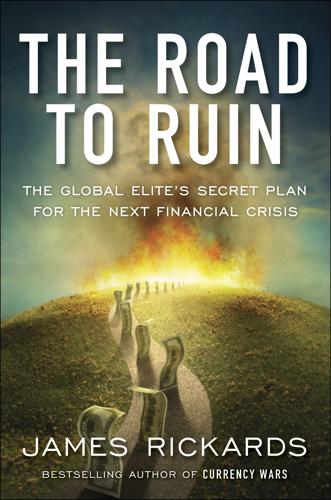
The Road to Ruin: The Global Elites' Secret Plan for the Next Financial Crisis
by James Rickards · 15 Nov 2016 · 354pp · 105,322 words
in Asia. This is not due to an initial comparative advantage in Asia, but rather a created comparative advantage through the use of protectionism and currency manipulation. Other defects in the theory of comparative advantage involve what are called externalities. These are hidden costs that do not enter into direct cost comparisons
…
move in one week—huge by currency market standards. Then came the policy truncation. Christine Lagarde, French finance minister at the time, coordinated a G7 currency intervention to weaken the yen. This was considered necessary to boost the Japanese economy after the devastation. The intervention worked. By April 8, the yen had
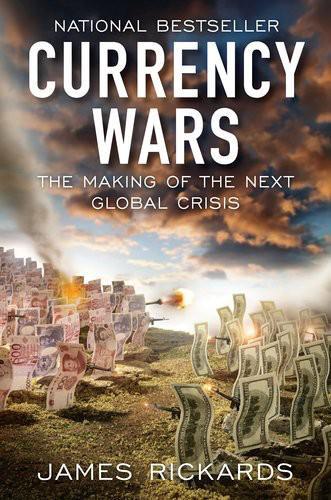
Currency Wars: The Making of the Next Gobal Crisis
by James Rickards · 10 Nov 2011 · 381pp · 101,559 words
credit card spending, rising home prices, rising stock prices and large no-down-payment mortgages for all comers. Although there were some complaints about Chinese currency manipulation and lost American jobs in 2004 and 2005, these complaints were muted by the highly visible but ultimately nonsustainable prosperity of those years resulting from
…
forums designed in part to deal with the advent of a new currency war. It has helped to avoid an escalation in tensions over the currency manipulation charges, but has done nothing to make the issue go away. A series of bilateral summits between President Hu of China and President Obama of
…
back with currency intervention by its central bank, increases in reserve requirements on any local banks taking short positions in dollars, and other forms of capital controls. In late 2010, Lula’s successor as president, Dilma Rousseff, vowed to press the G20 and the IMF for rules that would identify currency manipulators—presumably both
…
toward deficit countries like the United States. This was something that used to happen automatically under the classical gold standard but now required central bank currency manipulation. Geithner’s idea went nowhere. He had wanted to target China, yet, unfortunately for his thesis, Germany also became a target, because the German trade
…
currencies role in Great Depression See also Federal Reserve, U.S. certainty, in economics Chaisson, Eric J. China Beijing consumption and increased U.S. exports currency manipulation early history of government collapse economic zones and European sovereign debt crisis of 2010 excess population of single men fears of U.S. currency devaluation
…
Treasury, U.S. and bailout of 2008 China’s accumulation of Treasury debt China’s purchases of Treasury bonds China’s U.S. Treasury holdings currency manipulation charges against China and dollar-yuan exchange rate exchange stabilization fund Federal Reserve IOUs to on gold exports gold reserve, increased value of and 1930s
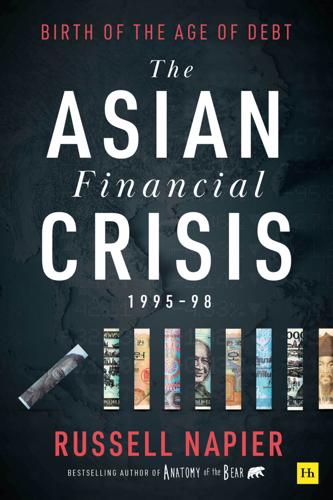
The Asian Financial Crisis 1995–98: Birth of the Age of Debt
by Russell Napier · 19 Jul 2021 · 511pp · 151,359 words
chain. With the dollar staying at current levels and Greenspan cutting interest rates, the outlook for Asian equity markets is excellent. The Asian economies operating currency intervention policies will be forced to adopt a loose monetary policy when they need a tight monetary policy. Asset prices will benefit. However, when the US
…
be hoped for is that the events of Friday and the ensuing storms of today may persuade the G7 or the G3 to provide some currency intervention in Asia and thus some short-term relief. Then it is to be hoped that the Japanese can come up with the measures which finally
…
developed world governments. It avoided the major political battles that would have had to be fought to force the Asian countries not to follow such currency manipulation policies. The United States had already been waging a long political war with Japan to force changes in its social capital system and even as
…
selling US$2bn to buy yen in an attempt to depress the US dollar exchange rate: I felt that the conditions that can make a currency intervention effective might well be present. The first was that the yen-dollar exchange rate, now at 147 yen to the dollar, seemed to have gone
Open: The Progressive Case for Free Trade, Immigration, and Global Capital
by Kimberly Clausing · 4 Mar 2019 · 555pp · 80,635 words
agreements actually have comparatively little to do with trade. For example, the TPP devoted much attention to intellectual property rights, labor standards, environmental standards, and currency manipulation. Whether these issues belong in trade agreements is an open question. In theory, there is no reason why issues outside trade cannot be included in
…
rate systems causes some observers to suggest that the US government take more active measures to deter foreign currency manipulation. To be sure, there are arguments for discouraging foreign currency manipulation. Interestingly, however, China’s latest currency interventions have actually been aimed at keeping the Chinese currency’s value higher, not lower—and have thus reduced
…
tends to run a trade deficit with the rest of the world. (Although Mexico has a bilateral surplus with the United States at present.) While currency manipulation might become a subject of future trade agreements, most countries target other goals (aside from the trade balance) when they set their monetary (and currency
…
Sensitivity Analysis of Cross-Country Growth Regressions,” American Economic Review 82:4 (1992): 942–963. 4. See “China and Currency Manipulation,” Economist. March 2, 2017; and Eduardo Porter, “Trump Isn’t Wrong on China Currency Manipulation, Just Late,” New York Times, April 11, 2017. 5. 529 plans are so called because they are authorized
Naked Economics: Undressing the Dismal Science (Fully Revised and Updated)
by Charles Wheelan · 18 Apr 2010 · 386pp · 122,595 words
and subsidizing producers of exports. An overvalued currency does the opposite—making imports artificially cheap and exports less competitive with the rest of the world. Currency manipulation is like any other kind of government intervention: It may serve some constructive economic purpose—or it may divert an economy’s resources from their
…
day—most governments don’t have deep enough pockets to make much of a difference. As the British government and many others have learned, a currency intervention can feel like trying to warm up a cold bathtub with one spoonful of hot water at a time, particularly while speculators are doing the
Fed Up!: Success, Excess and Crisis Through the Eyes of a Hedge Fund Macro Trader
by Colin Lancaster · 3 May 2021 · 245pp · 75,397 words
-four. Central banks are trying to fight back. The ECB was a disaster, but globally, we are seeing more activity: interest-rate cuts, asset purchases, currency interventions, and liquidity injections. But they need to do even more. People are losing too much fucking money. Central banks need to fight back. The Fed
…
generation is in high gear. This is what makes macro great. You get to learn about epidemiology, crude oil, Hong Kong Basic Law Article 23, currency manipulation, and US elections. I’m having fun again. I want to close out the month strong. I want to see some more PnL in these
The New Depression: The Breakdown of the Paper Money Economy
by Richard Duncan · 2 Apr 2012 · 248pp · 57,419 words
intervention served to push up the value of the other currencies and depress the value of the currency being created, making the products of the currency-manipulating country more price competitive in the international marketplace. Central banks accumulated approximately $6.7 trillion worth of foreign exchange between 1971 and 2007, when the
…
country’s central bank holds. Thus the U.S. trade deficit and its financial account surplus are both the result of fiat money creation and currency manipulation by many of the United States’ trading partners. While fiat money created for this purpose is not solely responsible for bringing about the global economic
…
dangerously destabilizing factor within the U.S. economy. Global Imbalances: Still Unresolved In the post–Bretton Woods era, trade liberalization, cross-border capital flows, and currency manipulation combined to produce widespread global imbalances that have destabilized the world economy. In the past, trade between nations had to balance because deficits had to
…
corrected from $800 billion in 2006 to $377 billion in 2009, but it has widened sharply again since then, reaching $471 billion in 2010. The currency manipulation that perpetuates the U.S. trade disadvantage has intensified since the crisis began as reflected in the $3 trillion (40 percent) increase in total foreign
…
and GATT would result in “a giant sucking sound” as U.S. manufacturing jobs were relocated to low-wage countries. Anger against unfair trade and currency manipulation would infect the Tea Party movement or give rise to separate, similar populist political organizations. Growing panic over the lack of jobs in the United
…
scale to which this occurs is reflected in the size of each country’s foreign exchange reserves. The larger the reserves, the greater the intervention. Currency manipulation, therefore, can be measured by the size of a country’s foreign exchange reserves. The value of the currencies that are not pegged can be
The Age of Stagnation: Why Perpetual Growth Is Unattainable and the Global Economy Is in Peril
by Satyajit Das · 9 Feb 2016 · 327pp · 90,542 words
and earnings. US legislators now complained about the effect of overseas central bank actions on the currency, threatening to classify Europe, Japan, and China as currency manipulators. The Fed indicated that the increase in the value of the dollar and its effects on the American economy were now impinging on their policies
The Scandal of Money
by George Gilder · 23 Feb 2016 · 209pp · 53,236 words
the Wall Street banks and subsidize their borrowing. Enormous sums of investment money are diverted from the real work of learning that builds wealth into currency manipulations and “investments” in government debt. The once-great Wall Street banks in turn subsidize the political campaigns of their Washington benefactors. If Friedman had lived
…
to the Spratly Islands to discourage land reclamation projects on reefs in the South China Sea. Denunciations of the Chinese for trumped-up charges of currency “manipulation” are followed by obsequious entreaties to participate in expanded Pacific trade or climate change treaties. Silly tough-guy postures and blind monotheories can be found
…
years.” Measured by the vigor of intervention, he says, “the Federal Reserve has been the most egregious currency manipulator in the world” during this same period. “Trump and all those who prattle on about Chinese currency manipulation have the economic comprehension of a parakeet.” Stockman’s charge is more interesting because it is based
…
trade with the United States. It is for muting currency changes and supporting the dollar that China incurs continual charges of “currency manipulation” from American politicians and government officials who advocate constant currency manipulation by the Federal Reserve. Nonetheless, while attempting to appease a long list of utterly unappeasable foes—Iran, North Korea, Hamas
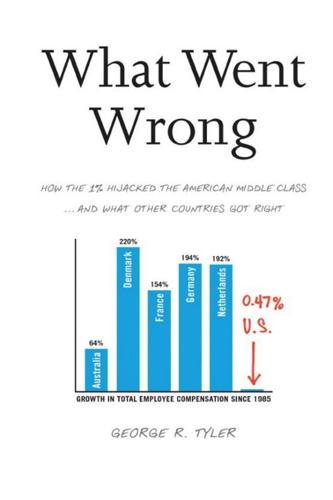
What Went Wrong: How the 1% Hijacked the American Middle Class . . . And What Other Countries Got Right
by George R. Tyler · 15 Jul 2013 · 772pp · 203,182 words
The Economists' Hour: How the False Prophets of Free Markets Fractured Our Society
by Binyamin Appelbaum · 4 Sep 2019 · 614pp · 174,226 words
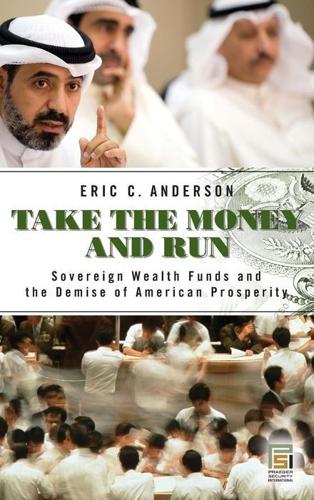
Take the Money and Run: Sovereign Wealth Funds and the Demise of American Prosperity
by Eric C. Anderson · 15 Jan 2009 · 264pp · 115,489 words
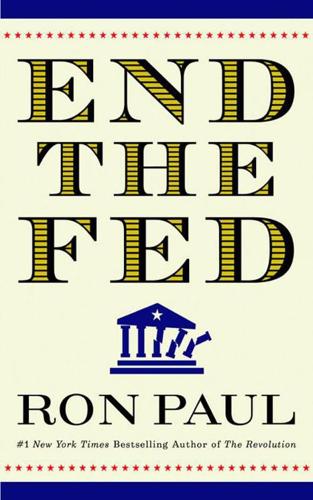
End the Fed
by Ron Paul · 5 Feb 2011
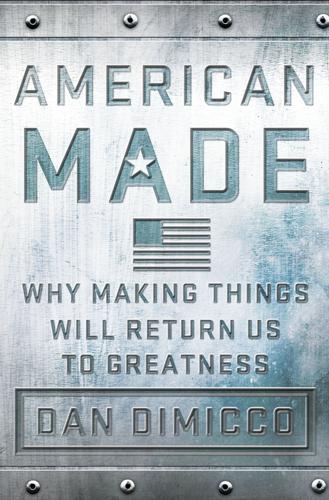
American Made: Why Making Things Will Return Us to Greatness
by Dan Dimicco · 3 Mar 2015 · 219pp · 61,720 words
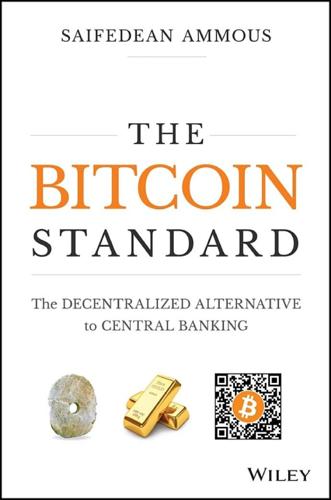
The Bitcoin Standard: The Decentralized Alternative to Central Banking
by Saifedean Ammous · 23 Mar 2018 · 571pp · 106,255 words
The Dollar Meltdown: Surviving the Coming Currency Crisis With Gold, Oil, and Other Unconventional Investments
by Charles Goyette · 29 Oct 2009 · 287pp · 81,970 words
The Price of Tomorrow: Why Deflation Is the Key to an Abundant Future
by Jeff Booth · 14 Jan 2020 · 180pp · 55,805 words
Why It's Still Kicking Off Everywhere: The New Global Revolutions
by Paul Mason · 30 Sep 2013 · 357pp · 99,684 words
The Ascent of Money: A Financial History of the World
by Niall Ferguson · 13 Nov 2007 · 471pp · 124,585 words
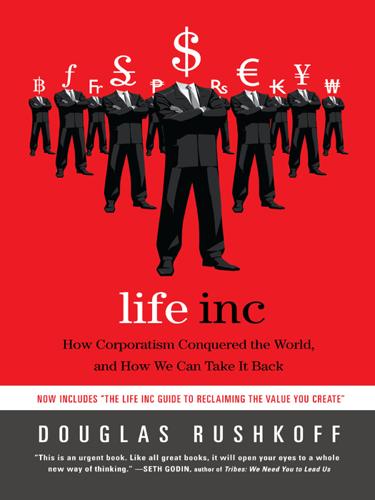
Life Inc.: How the World Became a Corporation and How to Take It Back
by Douglas Rushkoff · 1 Jun 2009 · 422pp · 131,666 words
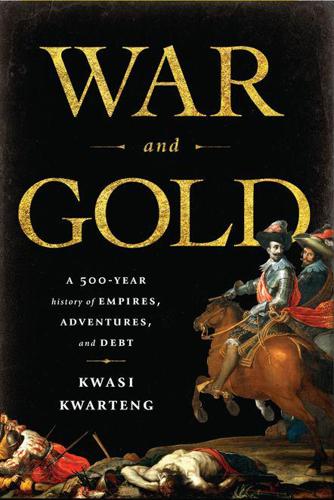
War and Gold: A Five-Hundred-Year History of Empires, Adventures, and Debt
by Kwasi Kwarteng · 12 May 2014 · 632pp · 159,454 words
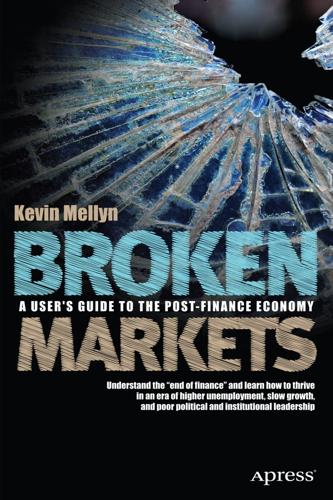
Broken Markets: A User's Guide to the Post-Finance Economy
by Kevin Mellyn · 18 Jun 2012 · 183pp · 17,571 words

Global Crisis: War, Climate Change and Catastrophe in the Seventeenth Century
by Geoffrey Parker · 29 Apr 2013 · 1,773pp · 486,685 words

The Great Depression: A Diary
by Benjamin Roth, James Ledbetter and Daniel B. Roth · 21 Jul 2009 · 408pp · 94,311 words
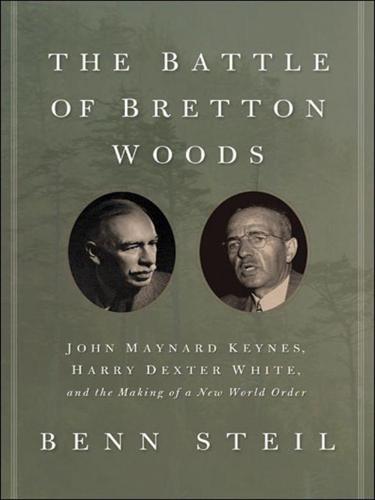
The Battle of Bretton Woods: John Maynard Keynes, Harry Dexter White, and the Making of a New World Order
by Benn Steil · 14 May 2013 · 710pp · 164,527 words
Shutdown: How COVID Shook the World's Economy
by Adam Tooze · 15 Nov 2021 · 561pp · 138,158 words

Who Stole the American Dream?
by Hedrick Smith · 10 Sep 2012 · 598pp · 172,137 words
How Asia Works
by Joe Studwell · 1 Jul 2013 · 868pp · 147,152 words
The Globalization Paradox: Democracy and the Future of the World Economy
by Dani Rodrik · 23 Dec 2010 · 356pp · 103,944 words
A Generation of Sociopaths: How the Baby Boomers Betrayed America
by Bruce Cannon Gibney · 7 Mar 2017 · 526pp · 160,601 words
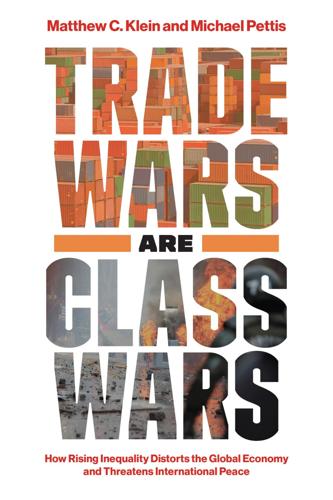
Trade Wars Are Class Wars: How Rising Inequality Distorts the Global Economy and Threatens International Peace
by Matthew C. Klein · 18 May 2020 · 339pp · 95,270 words
Postcapitalism: A Guide to Our Future
by Paul Mason · 29 Jul 2015 · 378pp · 110,518 words
The Making of Global Capitalism
by Leo Panitch and Sam Gindin · 8 Oct 2012 · 823pp · 206,070 words
Straight Talk on Trade: Ideas for a Sane World Economy
by Dani Rodrik · 8 Oct 2017 · 322pp · 87,181 words

The Powerful and the Damned: Private Diaries in Turbulent Times
by Lionel Barber · 5 Nov 2020
MegaThreats: Ten Dangerous Trends That Imperil Our Future, and How to Survive Them
by Nouriel Roubini · 17 Oct 2022 · 328pp · 96,678 words
Our Dollar, Your Problem: An Insider’s View of Seven Turbulent Decades of Global Finance, and the Road Ahead
by Kenneth Rogoff · 27 Feb 2025 · 330pp · 127,791 words
Servant Economy: Where America's Elite Is Sending the Middle Class
by Jeff Faux · 16 May 2012 · 364pp · 99,613 words
European Spring: Why Our Economies and Politics Are in a Mess - and How to Put Them Right
by Philippe Legrain · 22 Apr 2014 · 497pp · 150,205 words
Age of Ambition: Chasing Fortune, Truth, and Faith in the New China
by Evan Osnos · 12 May 2014 · 499pp · 152,156 words
Crashed: How a Decade of Financial Crises Changed the World
by Adam Tooze · 31 Jul 2018 · 1,066pp · 273,703 words
Destined for War: America, China, and Thucydides's Trap
by Graham Allison · 29 May 2017 · 518pp · 128,324 words
Losing Control: The Emerging Threats to Western Prosperity
by Stephen D. King · 14 Jun 2010 · 561pp · 87,892 words

The Origins of Political Order: From Prehuman Times to the French Revolution
by Francis Fukuyama · 11 Apr 2011 · 740pp · 217,139 words
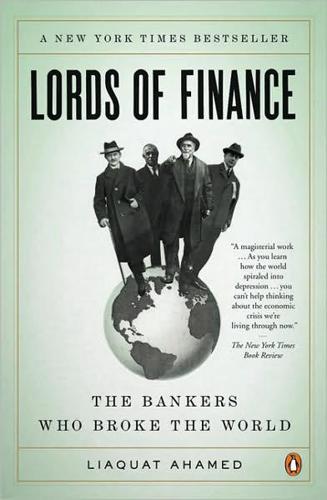
Lords of Finance: The Bankers Who Broke the World
by Liaquat Ahamed · 22 Jan 2009 · 708pp · 196,859 words
Zero-Sum Future: American Power in an Age of Anxiety
by Gideon Rachman · 1 Feb 2011 · 391pp · 102,301 words
The Third Pillar: How Markets and the State Leave the Community Behind
by Raghuram Rajan · 26 Feb 2019 · 596pp · 163,682 words
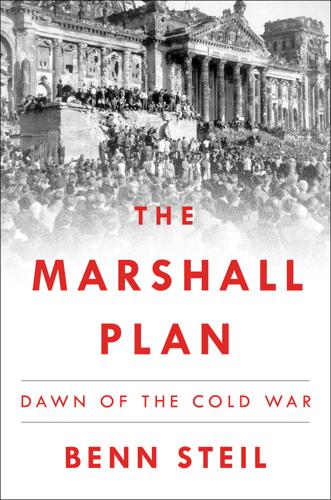
The Marshall Plan: Dawn of the Cold War
by Benn Steil · 13 Feb 2018 · 913pp · 219,078 words
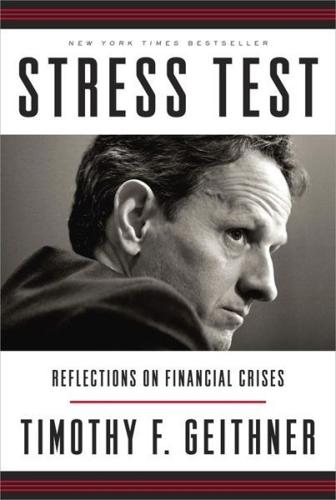
Stress Test: Reflections on Financial Crises
by Timothy F. Geithner · 11 May 2014 · 593pp · 189,857 words
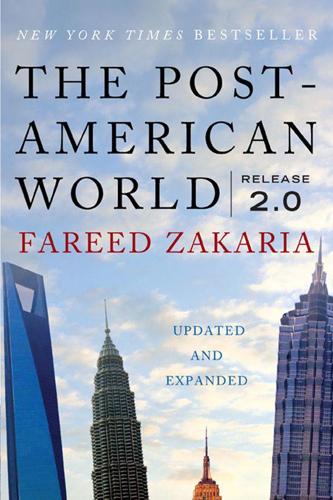
The Post-American World: Release 2.0
by Fareed Zakaria · 1 Jan 2008 · 344pp · 93,858 words
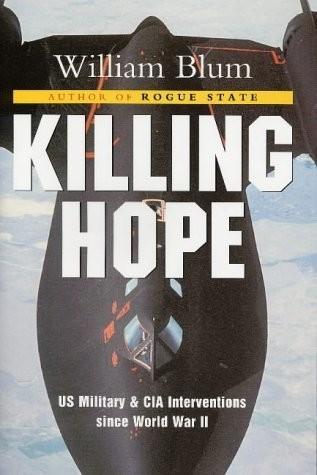
Killing Hope: Us Military and Cia Interventions Since World War 2
by William Blum · 15 Jan 2003

Networks of Outrage and Hope: Social Movements in the Internet Age
by Manuel Castells · 19 Aug 2012 · 291pp · 90,200 words
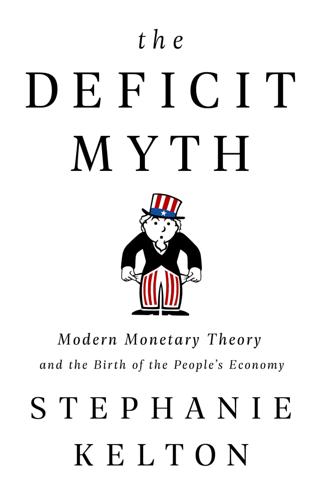
The Deficit Myth: Modern Monetary Theory and the Birth of the People's Economy
by Stephanie Kelton · 8 Jun 2020 · 338pp · 104,684 words

Open Space: From Earth to Eternity--the Global Race to Explore and Conquer the Cosmos
by David Ariosto · 24 Mar 2026 · 433pp · 116,344 words
Tailspin: The People and Forces Behind America's Fifty-Year Fall--And Those Fighting to Reverse It
by Steven Brill · 28 May 2018 · 519pp · 155,332 words
Why We're Polarized
by Ezra Klein · 28 Jan 2020 · 412pp · 96,251 words
Making Globalization Work
by Joseph E. Stiglitz · 16 Sep 2006
Disrupt and Deny: Spies, Special Forces, and the Secret Pursuit of British Foreign Policy
by Rory Cormac · 14 Jun 2018 · 407pp
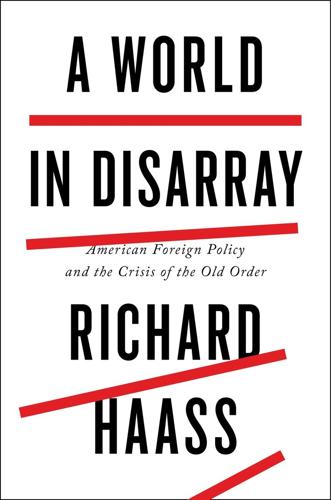
A World in Disarray: American Foreign Policy and the Crisis of the Old Order
by Richard Haass · 10 Jan 2017 · 286pp · 82,970 words
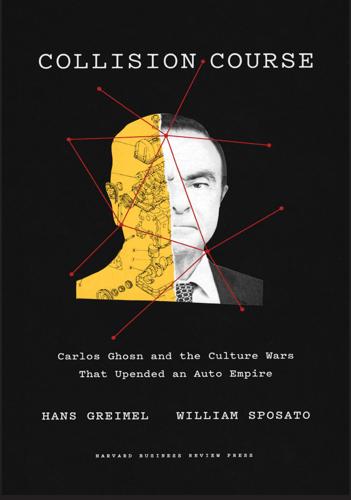
Collision Course: Carlos Ghosn and the Culture Wars That Upended an Auto Empire
by Hans Gremeil and William Sposato · 15 Dec 2021 · 404pp · 126,447 words
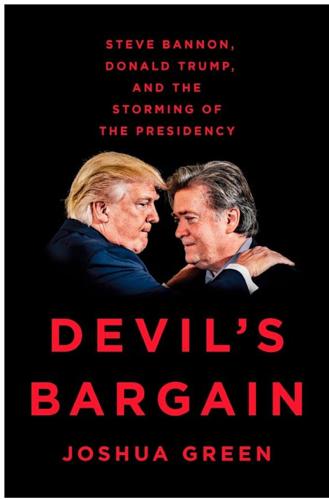
Devil's Bargain: Steve Bannon, Donald Trump, and the Storming of the Presidency
by Joshua Green · 17 Jul 2017 · 296pp · 78,112 words
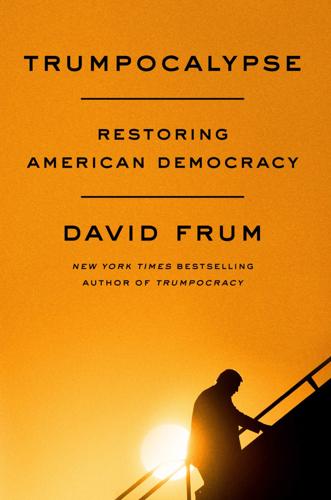
Trumpocalypse: Restoring American Democracy
by David Frum · 25 May 2020 · 319pp · 75,257 words
The Revolt of the Public and the Crisis of Authority in the New Millennium
by Martin Gurri · 13 Nov 2018 · 379pp · 99,340 words
End This Depression Now!
by Paul Krugman · 30 Apr 2012 · 267pp · 71,123 words

The End of Loser Liberalism: Making Markets Progressive
by Dean Baker · 1 Jan 2011 · 172pp · 54,066 words
Red Roulette: An Insider's Story of Wealth, Power, Corruption, and Vengeance in Today's China
by Desmond Shum · 6 Sep 2021 · 277pp · 85,191 words
The Dying Citizen: How Progressive Elites, Tribalism, and Globalization Are Destroying the Idea of America
by Victor Davis Hanson · 15 Nov 2021 · 458pp · 132,912 words
Grave New World: The End of Globalization, the Return of History
by Stephen D. King · 22 May 2017 · 354pp · 92,470 words

Central America
by Carolyn McCarthy, Greg Benchwick, Joshua Samuel Brown, Alex Egerton, Matthew Firestone, Kevin Raub, Tom Spurling and Lucas Vidgen · 2 Jan 2001

The Future of War
by Lawrence Freedman · 9 Oct 2017 · 592pp · 161,798 words
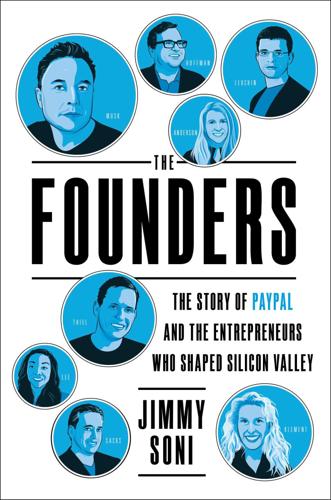
The Founders: The Story of Paypal and the Entrepreneurs Who Shaped Silicon Valley
by Jimmy Soni · 22 Feb 2022 · 505pp · 161,581 words

Factory Man: How One Furniture Maker Battled Offshoring, Stayed Local - and Helped Save an American Town
by Beth Macy · 14 Jul 2014 · 473pp · 140,480 words
Siege: Trump Under Fire
by Michael Wolff · 3 Jun 2019 · 359pp · 113,847 words
How to Change the World: Reflections on Marx and Marxism
by Eric Hobsbawm · 5 Sep 2011 · 621pp · 157,263 words
The Retreat of Western Liberalism
by Edward Luce · 20 Apr 2017 · 223pp · 58,732 words
China's Disruptors: How Alibaba, Xiaomi, Tencent, and Other Companies Are Changing the Rules of Business
by Edward Tse · 13 Jul 2015 · 233pp · 64,702 words
Car Guys vs. Bean Counters: The Battle for the Soul of American Business
by Bob Lutz · 31 May 2011 · 249pp · 73,731 words
A Better War: The Unexamined Victories and Final Tragedy of America's Last Years in Vietnam
by Lewis Sorley · 2 Jun 1999 · 565pp · 160,402 words
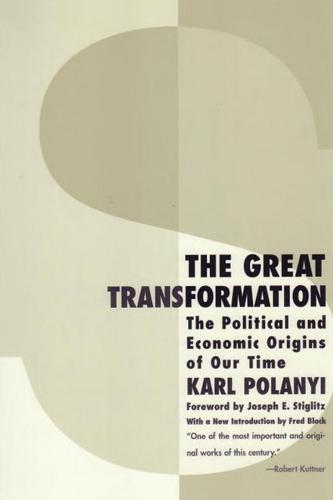
The Great Transformation: The Political and Economic Origins of Our Time
by Karl Polanyi · 27 Mar 2001 · 495pp · 138,188 words

The Forgotten Man
by Amity Shlaes · 25 Jun 2007 · 514pp · 153,092 words
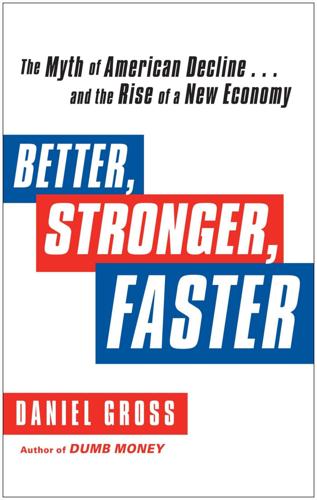
Better, Stronger, Faster: The Myth of American Decline . . . And the Rise of a New Economy
by Daniel Gross · 7 May 2012 · 391pp · 97,018 words
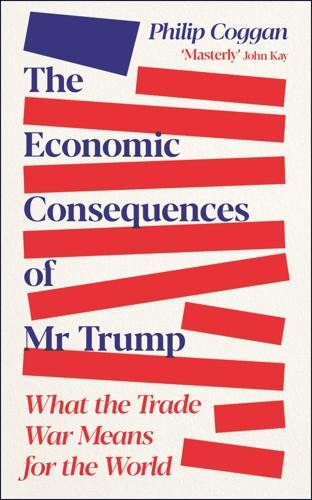
The Economic Consequences of Mr Trump: What the Trade War Means for the World
by Philip Coggan · 1 Jul 2025 · 96pp · 36,083 words

Making It in America: The Almost Impossible Quest to Manufacture in the U.S.A. (And How It Got That Way)
by Rachel Slade · 9 Jan 2024 · 392pp · 106,044 words
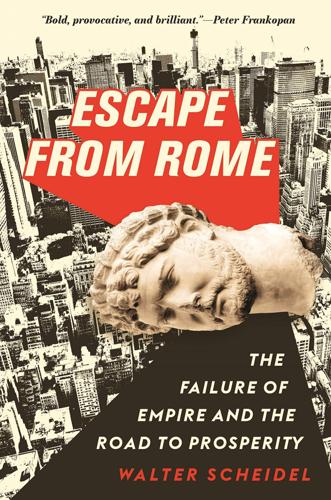
Escape From Rome: The Failure of Empire and the Road to Prosperity
by Walter Scheidel · 14 Oct 2019 · 1,014pp · 237,531 words

Wanderers: A Novel
by Chuck Wendig · 1 Jul 2019 · 1,028pp · 267,392 words
New World, Inc.
by John Butman · 20 Mar 2018 · 490pp · 146,259 words
Fault Lines: How Hidden Fractures Still Threaten the World Economy
by Raghuram Rajan · 24 May 2010 · 358pp · 106,729 words
The Shifts and the Shocks: What We've Learned--And Have Still to Learn--From the Financial Crisis
by Martin Wolf · 24 Nov 2015 · 524pp · 143,993 words
Unfinished Business
by Tamim Bayoumi · 405pp · 109,114 words
Wall Street: How It Works And for Whom
by Doug Henwood · 30 Aug 1998 · 586pp · 159,901 words
Endless Money: The Moral Hazards of Socialism
by William Baker and Addison Wiggin · 2 Nov 2009 · 444pp · 151,136 words
What's Next?: Unconventional Wisdom on the Future of the World Economy
by David Hale and Lyric Hughes Hale · 23 May 2011 · 397pp · 112,034 words
More Money Than God: Hedge Funds and the Making of a New Elite
by Sebastian Mallaby · 9 Jun 2010 · 584pp · 187,436 words
Stigum's Money Market, 4E
by Marcia Stigum and Anthony Crescenzi · 9 Feb 2007 · 1,202pp · 424,886 words
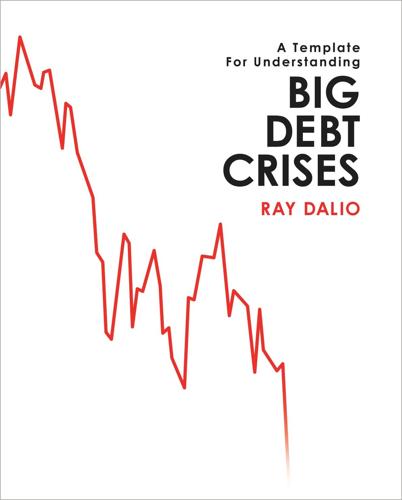
Big Debt Crises
by Ray Dalio · 9 Sep 2018 · 782pp · 187,875 words
Red Flags: Why Xi's China Is in Jeopardy
by George Magnus · 10 Sep 2018 · 371pp · 98,534 words
How I Became a Quant: Insights From 25 of Wall Street's Elite
by Richard R. Lindsey and Barry Schachter · 30 Jun 2007
The End of Growth: Adapting to Our New Economic Reality
by Richard Heinberg · 1 Jun 2011 · 372pp · 107,587 words
Paper Promises
by Philip Coggan · 1 Dec 2011 · 376pp · 109,092 words

Alpha Trader
by Brent Donnelly · 11 May 2021