foreign exchange controls
description: controls imposed by a government on the purchase/sale of foreign currencies
52 results
The Long Good Buy: Analysing Cycles in Markets
by Peter Oppenheimer · 3 May 2020 · 333pp · 76,990 words
and the Soviet Empire unravelled, heralding an era of ‘globalisation’. When I began my career, the UK had only recently, in 1979, removed restrictions on foreign exchange controls (for the first time in 90 years), while France and Italy still had them in place, only abolishing them in 1990.1 Economic conditions have
Corporate Finance: Theory and Practice
by Pierre Vernimmen, Pascal Quiry, Maurizio Dallocchio, Yann le Fur and Antonio Salvi · 16 Oct 2017 · 1,544pp · 391,691 words
not the result of a choice but of a constraint and it is not really available. Some funds are blocked in countries that have strict foreign exchange control rules, other funds involve the payment of additional taxes (withholding taxes) before they can be transferred to the parent company, and other funds are serving
Financial Market Meltdown: Everything You Need to Know to Understand and Survive the Global Credit Crisis
by Kevin Mellyn · 30 Sep 2009 · 225pp · 11,355 words
socialism in the Kaiser’s Germany as an unspoken model, Britain and the United States regulated wages, prices, interest rates, transportation—the whole shooting match. Foreign exchange controls were slapped on, trade embargoed, and the gold standard was suspended. This was the only way to mobilize the resources required to fight a ‘‘total
How Asia Works
by Joe Studwell · 1 Jul 2013 · 868pp · 147,152 words
’, Journal of Economic Literature 39 (2001), pp. 321–89. 234. The Japanese tariff increases date from 1961. In part they compensated for an easing of foreign exchange controls demanded by the IMF and the OECD, which Japan joined in 1964. Lockwood (ed.), State and Economic Enterprise in Japan, p. 491, describes the tariff
Nine Crises: Fifty Years of Covering the British Economy From Devaluation to Brexit
by William Keegan · 24 Jan 2019 · 309pp · 85,584 words
were indeed historical factors contributing to this neoliberal culture. In the UK, these began with the way that Bank officials noticed after the removal of foreign exchange controls in 1979 that most of the subsequent trade was being conducted by foreign banks. They thought, in what turned out to be their naivety, that
Tower of Basel: The Shadowy History of the Secret Bank That Runs the World
by Adam Lebor · 28 May 2013 · 438pp · 109,306 words
of this kind”—just as happened with the 1947 Paris agreement on multilateral payments and its successor mechanisms, such as the European Payments Union (EPU). Foreign exchange controls could not be abolished in one move or monetary union quickly introduced. The process must be incremental, Funk argued, anticipating the need for a halfway
Stigum's Money Market, 4E
by Marcia Stigum and Anthony Crescenzi · 9 Feb 2007 · 1,202pp · 424,886 words
within national capital markets; these include the lifting of restrictions on the issuance of securities, on who could borrow and on who could lend; on foreign exchange controls; and on the elimination of withholding taxes on interest paid to foreigners. In addition, the international payments system has advanced to the point where sending
…
) the disposition of foreign-exchange earnings. This changed in 1958 when the major European countries, with the exception of the United Kingdom, substantially liberalized their foreign-exchange controls as a first step toward making their currencies fully convertible. A fourth factor that stimulated the growth of the Eurodollar market was the operation of
Foolproof: Why Safety Can Be Dangerous and How Danger Makes Us Safe
by Greg Ip · 12 Oct 2015 · 309pp · 95,495 words
competitiveness and to lower interest rates, which boosted demand. It also forced many of its trading partners to devalue; those that didn’t devalue imposed foreign exchange controls or raised tariffs. Economists now know that adherence to gold was a major contributor to the Great Depression. To maintain their parities, adherents were forced
How the City Really Works: The Definitive Guide to Money and Investing in London's Square Mile
by Alexander Davidson · 1 Apr 2008 · 368pp · 32,950 words
business expanded in size and scope. Banks, however, were subsequently hit by poor interwar trading conditions. During the Second World War, banks became subject to foreign exchange controls and lending priorities. In the 1950s, these were relaxed and banks expanded. In the 1970s, the government encouraged more active competition. From a comparatively few
Endless Money: The Moral Hazards of Socialism
by William Baker and Addison Wiggin · 2 Nov 2009 · 444pp · 151,136 words
world, both in 1913 (33%) and later in 1925 (44%), along with its joining a host of Third World nations in imposing import licenses and foreign exchange controls in the early 1930s.24 Its political situation began to be deeply troubled during the Depression years, as detailed by Stanley Payne: The tenor of
Barometer of Fear: An Insider's Account of Rogue Trading and the Greatest Banking Scandal in History
by Alexis Stenfors · 14 May 2017 · 312pp · 93,836 words
The Economic Weapon
by Nicholas Mulder · 15 Mar 2021

Super Continent: The Logic of Eurasian Integration
by Kent E. Calder · 28 Apr 2019
Post Wall: Rebuilding the World After 1989
by Kristina Spohr · 23 Sep 2019 · 1,123pp · 328,357 words
On the Grand Trunk Road: A Journey Into South Asia
by Steve Coll · 29 Mar 2009 · 413pp · 128,093 words
Cryptoeconomics: Fundamental Principles of Bitcoin
by Eric Voskuil, James Chiang and Amir Taaki · 28 Feb 2020 · 365pp · 56,751 words
Arrival City
by Doug Saunders · 22 Mar 2011 · 366pp · 117,875 words
It's Our Turn to Eat
by Michela Wrong · 9 Apr 2009 · 403pp · 125,659 words
The Bank That Lived a Little: Barclays in the Age of the Very Free Market
by Philip Augar · 4 Jul 2018 · 457pp · 143,967 words
What's Next?: Unconventional Wisdom on the Future of the World Economy
by David Hale and Lyric Hughes Hale · 23 May 2011 · 397pp · 112,034 words
Do You Sincerely Want To Be Rich?
by Charles Raw, Bruce Page and Godfrey Hodgson · 16 May 2005 · 552pp · 169,398 words
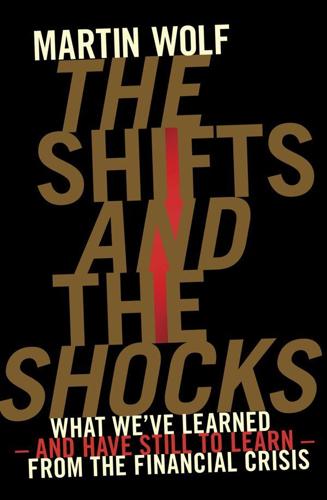
The Shifts and the Shocks: What We've Learned--And Have Still to Learn--From the Financial Crisis
by Martin Wolf · 24 Nov 2015 · 524pp · 143,993 words
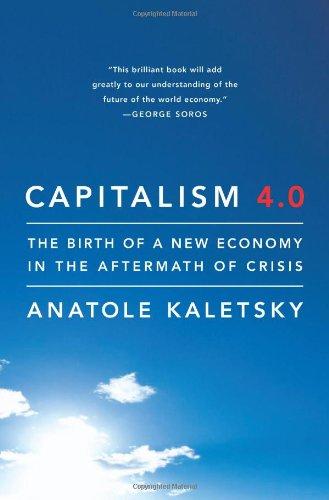
Capitalism 4.0: The Birth of a New Economy in the Aftermath of Crisis
by Anatole Kaletsky · 22 Jun 2010 · 484pp · 136,735 words
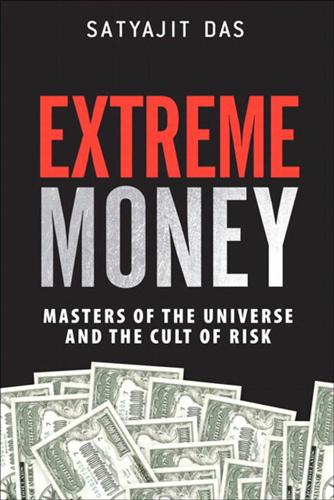
Extreme Money: Masters of the Universe and the Cult of Risk
by Satyajit Das · 14 Oct 2011 · 741pp · 179,454 words
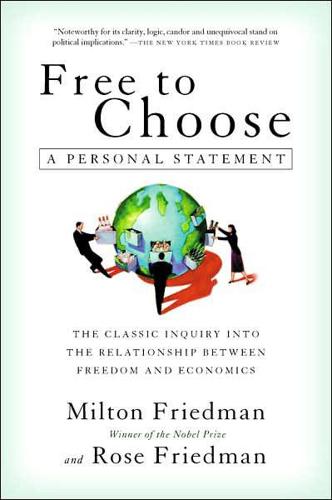
Free to Choose: A Personal Statement
by Milton Friedman and Rose D. Friedman · 2 Jan 1980 · 376pp · 118,542 words
Bad Samaritans: The Myth of Free Trade and the Secret History of Capitalism
by Ha-Joon Chang · 26 Dec 2007 · 334pp · 98,950 words
The Making of Global Capitalism
by Leo Panitch and Sam Gindin · 8 Oct 2012 · 823pp · 206,070 words
War and Gold: A Five-Hundred-Year History of Empires, Adventures, and Debt
by Kwasi Kwarteng · 12 May 2014 · 632pp · 159,454 words
The End of Alchemy: Money, Banking and the Future of the Global Economy
by Mervyn King · 3 Mar 2016 · 464pp · 139,088 words
East West Street: On the Origins of "Genocide" and "Crimes Against Humanity"
by Philippe Sands · 14 Jul 2016
The Great Race: The Global Quest for the Car of the Future
by Levi Tillemann · 20 Jan 2015 · 431pp · 107,868 words
The Marshall Plan: Dawn of the Cold War
by Benn Steil · 13 Feb 2018 · 913pp · 219,078 words
The Money Machine: How the City Works
by Philip Coggan · 1 Jul 2009 · 253pp · 79,214 words
America in the World: A History of U.S. Diplomacy and Foreign Policy
by Robert B. Zoellick · 3 Aug 2020
Big Debt Crises
by Ray Dalio · 9 Sep 2018 · 782pp · 187,875 words
The World for Sale: Money, Power and the Traders Who Barter the Earth’s Resources
by Javier Blas and Jack Farchy · 25 Feb 2021 · 565pp · 134,138 words
Big Three in Economics: Adam Smith, Karl Marx, and John Maynard Keynes
by Mark Skousen · 22 Dec 2006 · 330pp · 77,729 words
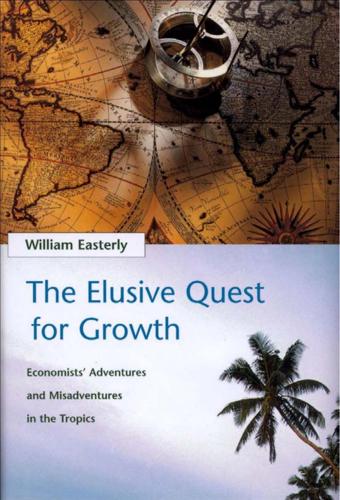
The Elusive Quest for Growth: Economists' Adventures and Misadventures in the Tropics
by William R. Easterly · 1 Aug 2002 · 355pp · 63 words
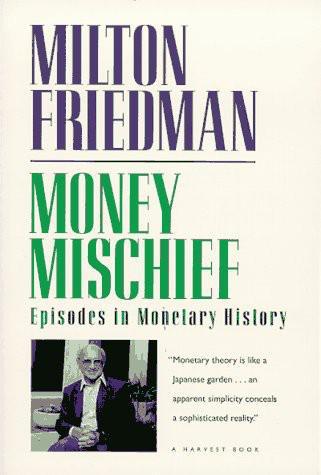
Money Mischief: Episodes in Monetary History
by Milton Friedman · 1 Jan 1992 · 275pp · 82,640 words
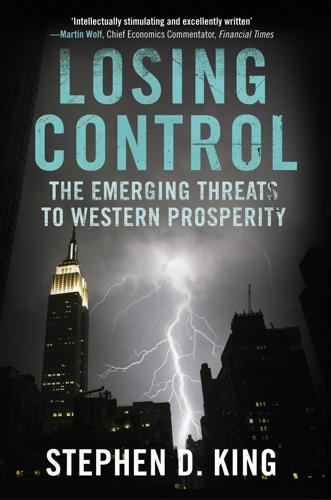
Losing Control: The Emerging Threats to Western Prosperity
by Stephen D. King · 14 Jun 2010 · 561pp · 87,892 words
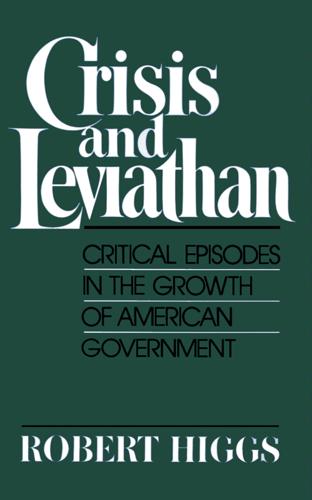
Crisis and Leviathan: Critical Episodes in the Growth of American Government
by Robert Higgs and Arthur A. Ekirch, Jr. · 15 Jan 1987
India's Long Road
by Vijay Joshi · 21 Feb 2017
Money Free and Unfree
by George A. Selgin · 14 Jun 2017 · 454pp · 134,482 words
Rethinking the Economics of Land and Housing
by Josh Ryan-Collins, Toby Lloyd and Laurie Macfarlane · 28 Feb 2017 · 346pp · 90,371 words

Roller-Coaster: Europe, 1950-2017
by Ian Kershaw · 29 Aug 2018 · 736pp · 233,366 words
A Modern History of Hong Kong: 1841-1997
by Steve Tsang · 14 Aug 2007 · 691pp · 169,563 words
After Nations: The Making and Unmaking of a World Order
by Rana Dasgupta · 27 Apr 2026 · 686pp · 188,424 words
The City
by Tony Norfield · 352pp · 98,561 words
Why It's Still Kicking Off Everywhere: The New Global Revolutions
by Paul Mason · 30 Sep 2013 · 357pp · 99,684 words
The Alchemists: Three Central Bankers and a World on Fire
by Neil Irwin · 4 Apr 2013 · 597pp · 172,130 words
Bad Samaritans: The Guilty Secrets of Rich Nations and the Threat to Global Prosperity
by Ha-Joon Chang · 4 Jul 2007 · 347pp · 99,317 words
The Cleaner: The True Story of One of the World's Most Successful Money Launderers
by Bruce Aitken · 2 Mar 2017