imperial preference
description: system of reciprocally-enacted tariffs or free trade agreements
53 results
The Revolutionary Center: The Lost Genius of Liberalism
by Adrian Wooldridge · 7 Apr 2026 · 342pp · 129,097 words
and close relations with Britain and the US. Then the mood darkened. The West’s turn to protectionism, particularly America’s tariffs and Britain’s imperial preferences, hit Japan hard. Japan’s business elite came to see the world in terms of competition between economic blocs, while cultural conservatives denounced the Westernization
The Rise and Fall of the Great Powers: Economic Change and Military Conflict From 1500 to 2000
by Paul Kennedy · 15 Jan 1989 · 1,477pp · 311,310 words
; the Navigation Acts, designed among other things to preserve a large stock of British merchant ships and seamen for the event of war, were repealed; imperial “preferences” were ended. By contrast, defense expenditures were held to an absolute minimum, averaging around £15 million a year in the 1840s and not above £27
…
. By that time, the cosmopolitan world order had dissolved into various rivaling subunits: a sterling block, based upon British trade patterns and enhanced by the “imperial preferences” of the 1932 Ottawa Conference: a gold block, led by France; a yen block, dependent upon Japan, in the Far East; a U.S.-led
…
and rail with, the eastern European market, but it could readily absorb the area’s agricultural surpluses in the way that farm-surplus France and imperial-preference Britain could not, offering in return for Hungarian wheat and Rumanian oil much-needed machinery and (later) armaments. Moreover, these countries, like Germany itself, had
…
found themselves obliged to conform to American requirements on free convertibility of currencies and open competition (as the British did, despite their efforts to preserve imperial preference)44—or to stand clear of the entire system (as the Russians did, when they perceived how incompatible this was with socialist controls). The practical
The Battle of Bretton Woods: John Maynard Keynes, Harry Dexter White, and the Making of a New World Order
by Benn Steil · 14 May 2013 · 710pp · 164,527 words
it, referring to Acheson’s boss, Secretary of State Cordell Hull.15 Keynes knew that Article VII was, in reality, code for an end to “Imperial preference,” by which Britain secured privileged trade access to the markets of its colonies and dominions. In the war’s aftermath, the Americans would be in
…
’s State Department, which Roosevelt had in May designated to lead the consideration negotiations, had a separate and sometimes conflicting priority: to dismantle Britain’s “imperial preference” trading system. The grand principle behind this demand was that the postwar world needed to be grounded in nondiscriminatory multilateral trade—a longtime obsession of
…
1925, “in justification of their exclusion from extensive areas of the earth’s surface.”41 The currency and trade issues melded in the pot of imperial preference, which became more of a “mandate” than a “preference” under wartime practices. By the summer of 1940, Britain was dangerously short of dollars, and all
…
.” In a desperate act of petulance, he even proposed weeks after the conference adding to the fourth principle an unqualified commitment to the elimination of imperial preference. Winant reported back from London that Churchill, unsurprisingly, was not keen on presenting such an amendment to his cabinet or to the dominion governments.60
…
.” Negotiations between the State Department and the British embassy over Article VII dragged on into the autumn. Though State was immovable on the elimination of imperial preference, British negotiators made headway on two fronts. First, they persuaded State that the achievement of this aim should be determined by “agreed action,” and that
…
, some three-quarters of Churchill’s war cabinet opposed any reference to trade preferences in Lend-Lease. Even those not afflicted with sentimental attachment to imperial preference, such as the prime minister himself, found offensive the impression that Britain was bartering away the foundations of its empire in return for war goods
…
considerate manner” that “nothing could be further from his mind than an attempt to use Lend-Lease as a trading weapon over the principle of imperial preference.”61 This was sufficient to mollify the British cabinet, and the British-American Lend-Lease Agreement was finally signed on February 23. It was not
…
the Commons two years later, “ … without having previously obtained from the President a definite assurance that we were no more committed to the abolition of Imperial Preference, than the American Government were committed to the abolition of their high protective tariffs.”64 What, in the end, was Keynes’s substantive role in
…
hope to survive,” Amery wrote. “We must be free to take whatever measures we think necessary to the safeguard of our own production, to develop Imperial Preference, to use our bargaining power with foreign countries, and to strengthen that wonderful monetary instrument the sterling system. We must enter into no international commitments
…
of the sterling area and arrangements regarding the crucial immediate postwar transitional period. It also recommended that British negotiators not concede any prospect of ending imperial preference, but should consider the matter only in the context of general tariff cuts and allowance for state purchasing and subsidies in the agricultural sector. Still
…
the Bank of England, opposing the scheme as a gold standard in disguise that would depress the British economy, reduce sterling’s international role, destroy imperial preference, and decimate British agriculture. Keynes directed his fire at both the bank and Beaverbrook. In a letter to the chancellor dated February 23, Keynes blasted
…
it is essentially international and free-trade, and because my beliefs are neither the one nor the other,” Beaverbrook explained. “I put a value upon imperial preference and on the protection of domestic agriculture which is higher than anything assigned to them under the Plan,” he continued. “And I would not be
…
an opportunity for imposing (entirely, of course, for our good) the American conception of the international economic system.”114 This clearly included the abolition of imperial preference, the abolition of exchange controls preventing the use of sterling-area balances to buy American exports, and the enthronement of the dollar atop the international
…
ease in being unable to allay Acheson’s concerns over lack of British movement on Lend-Lease Article VII—specifically, a British commitment to dismantling imperial preference and allowing currency convertibility after the war. The issue remained a political minefield in London, but Robbins was under no illusion that the British could
…
the form of a thirty-year, 2.5 percent interest loan instead of a grant, and further requiring it to be conditional on Britain dismantling imperial preference, making sterling freely convertible, and cooperating with the United States on the establishment of a global free-trade system. America and Britain were now farther
…
, led by Max [Beaverbrook] and supported by others too near Winston [Churchill], [they] were convinced, with some reason, that the proposed commercial policy ruled out [Imperial] Preference as a serious, substantial policy for the future.… It annoyed them, of course, to have me pointing out the Empire in question would not include
…
essential complement to American aid. This proved a tougher nut to crack. Throughout the summer, Clayton had struggled simultaneously with London over the dismantling of imperial preference and with protectionists in his own capital determined to erect new wool import tariffs. He ultimately won Truman over in the wool wars, thereby salvaging
…
troubled global trade talks in Geneva. The British resisted mightily in the face of Clayton’s public upbraids on imperial preference. They had committed to dismantling it in return for Lend-Lease, and then again for the loan. Vinson’s promises to Congress in 1946 that
…
admiringly, “was nearly a decade ahead of the [1957] Treaty of Rome,” the European Union’s founding document.54 Britain, interestingly, did not finally dismantle imperial preference until joining the European Economic Community in 1973. It is in the end little wonder that the Marshall Plan, and not Lend-Lease, is so
…
States. Amery, Leopold (1873–1955). British Conservative politician. Secretary of state for India and Burma, 1940–45. A leading supporter of Churchill’s policy of imperial preference. Anderson, Sir John (1882–1958). British civil servant and politician. Chancellor of the exchequer, 1943–45. Attlee, Clement (1883–1967). British Labour politician. Labour Party
…
who believed that the economic and political crises of the 1930s were largely attributable to protectionist policies. Was determined to eliminate the British system of imperial preference. Kahn, Richard (1905–1989). British economist. Educated at King’s College, Cambridge, where he was Keynes’s favorite student. Fathered the concept of the fiscal
…
Commons and, 107, 184, 283–85, 305; House of Lords and, 85, 169, 184–88, 204, 212, 285–88, 307; IMF vision of, 301–5; imperial preference and, 3, 14, 115, 121–23, 179–81, 191, 225, 265, 288, 313, 315, 355, 362; imports and, 14, 76, 110, 115–17, 141, 143
…
, 269, 357 Cambridge Apostles, 63 Camp Deven, 19 Canada, 218, 229, 244, 310; espionage and, 298; Export-Import Bank of, 289; gold reserves and, 67; imperial preference and, 288; Normandy and, 201; Quebec Agreement and, 261–65, 268, 270–72, 281; U.S. War planes sent to, 101; White Plan and, 146
…
, David, 347 Hungary, 38 Husseini, Jemal, 306 Hutton, Graham, 84–85 imperialism, 40, 97, 117, 121, 125, 178, 184, 188, 260, 263, 281, 284, 306 imperial preference, 14, 115, 121–23, 179–81, 191, 225, 265, 288, 313, 315, 355, 362 Import Duties Act, 84 imports: barriers to, 30, 83; Britain and
…
and, 283; end of, 306; espionage and, 294; Hopkins and, 114, 116; House of Representatives and, 106; Hull and, 105–9, 115–17, 121–23; imperial preference and, 14, 115, 121–23, 313; Keynes and, 14, 110–19, 123–24, 180, 190–91, 261, 279–80; lingering Bretton Woods issues and, 261
…
Tariffs and Trade (GATT) and, 314, 383n7; Gold Reserve Act and, 28, 33–34; gold standard and, 1, 20, 23–25 (see also gold standard); imperial preference and, 14, 115, 121–23, 179–81, 191, 225, 265, 288, 313, 315, 355, 362; Import Duties Act and, 84; import restrictions and, 178; International
…
, 368; White and, 22–23, 28, 46 Vinson, Frederick, 351–52, 368, 400n14; Anglo-American Financial Agreement and, 283; Clayton and, 281; Dalton and, 280; imperial preference and, 313–14; Keynes and, 282, 299–301; Lend-Lease and, 275, 280, 313; Morgenthau and, 227; Office of Economic Stabilization and, 205; Office of
Imperial Legacies
by Jeremy Black; · 14 Jul 2019 · 264pp · 74,688 words
Britain, there were many voluntarist bodies pledged to imperial and national assertion, while the pressure for tariff reform (protectionism) was linked to support for an “Imperial Preference” in trade that was designed to contribute to imperial federation. If such bodies and political concern were dominated by the middle class, that was more
…
. The economic dimension of empire remained both important and a significant aspect of the public debate. Taking forward the pre-war campaign of Joseph Chamberlain, Imperial Preference was an attempt to overcome tensions over economic benefits and to strengthen the empire. A cause championed from 1929 by Max, 1st Lord Beaverbrook, the
…
owner of the Daily Express, the largest circulation newspaper, in his “Crusade” for Empire Free Trade, Imperial Preference was eventually established in agreements reached at the Imperial Economic Conference held at Ottawa in 1932. Yet, British exporters benefited less than Dominion producers because
…
which the British government had to give way.30 Nevertheless, in light of rising protectionism elsewhere during the Depression, the agreement was promising. Thanks to Imperial Preference, the empire took 49 percent of British exports between 1935 and 1939 compared with 42 percent a decade earlier. British policymakers, instead of thinking, as
…
due to the major problems caused by the war. Oil from the Middle East was increasingly valuable to the British economy, the discriminatory tariffs of imperial preference were crucial to trade, and imperial financial links helped maintain sterling. Ernest Bevin, the influential foreign secretary in the Labour governments from 1945 until 1951
…
” forms; “postcolonial” stereotype; anti-imperialism; cotton imperialism; criticism; high imperialism; imperial control; imperialization; inchoate imperialism; indirect rule; liberal imperialism; neo-; opposition; reconceptualization; term imperial atrocities Imperial Preference imperialist wars improvement, ideology India; Indianization Indian Medical Service Indian Mutiny Indian Ocean Indian Rebellion Indian Wars Indonesia Industrial Revolution Inglorious Empire: What the British
Liberalism at Large: The World According to the Economist
by Alex Zevin · 12 Nov 2019 · 767pp · 208,933 words
Entente of 1904 an agreement with Russia in 1907 fixing up their spheres of influence in Persia and Tibet. To counter the first threat, of imperial preference – a campaign that Chamberlain had begun in the downturn of 1903, and his sons Austin and Neville carried on – the Economist insisted that free trade
…
.80 The Raj was just as central to the economic side of this vision, and Hirst used it to poke holes in the case for imperial preference.81 Revealingly, on the issue of India, this defence of Morley put the Economist on the same side as Grey. For the foreign minister, that
…
. And yet the paper continued to view the situation as temporary. In 1932, it denounced as ‘nauseating the symphony of imperial wind instruments’ braying for imperial preference, and called on Liberals to resign from the National Government over the adoption of tariffs at the Ottawa conference, this ‘mere piece of pettifogging political
…
from the efforts Britain had made to secure that alliance since 1940: the price of Lend-Lease aid from the Americans was an end to imperial preference and all other discrimination in trade and payments after the war, with the US intentionally keeping British dollar reserves at a low level to ensure
…
the Most Favoured Nation but want to ram the latter down our throats, even to the extent of forcing us and the Dominions out of Imperial Preference.’59 But Washington’s abrupt cancellation of Lend-Lease in August 1945 – a ‘guillotine’, the paper called it – brought Britain’s position painfully home. Though
…
play’. ‘Two Conceptions of Empire’, 17 October 1903. Lord Rosebery represented middle ground – between the ‘insane imperialism’ of Chamberlain, especially after he came out for imperial preference in 1903 – and idealistic pacifism lingering among advanced Liberals. 85.‘Unionist Service to Home Rule’, 13 January 1906. Once the size of the Liberal victory
…
many safety-valves for discontent as is consistent with that aim: ‘Empire of India’, 29 May 1909; ‘Indian Reforms’, 29 November 1909. 81.In 1907, imperial preference would hurt India if ‘retaliatory tariffs excluded the staple products of India from the markets of continental Europe’. By 1909, it would hurt Britain, since
America in the World: A History of U.S. Diplomacy and Foreign Policy
by Robert B. Zoellick · 3 Aug 2020
and then as a free trader. But the Depression had forced London to become a leader of a system based on a sterling bloc, protectionism, imperial preferences, and even bilateral balancing and barter deals. The aftermath of the Great War had left both countries frustrated with one another; the war debt issue
…
1941, America’s trade with Britain would depend on a new Lend-Lease program. Hull’s successors would have to contend later with London’s imperial preferences and discriminatory trade.54 Hull was a natural opponent of the dictatorships. His political inclinations were reinforced by his antagonism to Germany’s and Italy
…
system. But the president had too many other priorities with Britain in 1947, and the United States agreed to launch GATT even with Britain’s imperial preferences.113 This first multilateral trading round, with twenty-three participants, proved that cooperation on trade liberalization was possible. The parties cut tariffs on forty-five
England: Seven Myths That Changed a Country – and How to Set Them Straight
by Tom Baldwin and Marc Stears · 24 Apr 2024 · 357pp · 132,377 words
came to social policies at home. In contrast to the idealism of the campaigns against the Corn Law, Rank backed Joseph Chamberlain’s campaign for ‘imperial preference’ that protected British business against foreign competition so that ‘this country would be able to look after itself’.110 The flour-making business eventually merged
…
Enoch Powell, here, here, here, here, here, here and Europe, here, here–here, here–here, here and immigration, here, here–here, here, here, here and imperial preference, here and khaki election, here and Millennium Dome, here–here and Plymouth City Council, here–here and Red Wall, here–here and Thatcher, here, here
…
, here–here, here, here, here, here, here EU, here–here Hong Kong, here, here Irish, here, here see also asylum seekers; refugees Imperial Federation, here imperial preference, here imperialism, here, here, here, here–here, here, here, here, here India, here, here, here–here, here, here, here abolition of suttee, here corruption, here
The scramble for Africa, 1876-1912
by Thomas Pakenham · 19 Nov 1991 · 1,194pp · 371,889 words
now proved the undoing of the Tories, and helped, negatively at least, to provide the cement to bind the Liberals together. For tariff ‘reform’ meant imperial preference and the betrayal of free trade; Britain and the Empire would impose preferential tariffs against the rest of the world. Free trade remained a canon
The Cold War: A World History
by Odd Arne Westad · 4 Sep 2017 · 846pp · 250,145 words
in economic terms, not less. They therefore attempted to reconstitute some of the mechanisms that would favor the Europeans, but found it difficult to do. Imperial preference systems counted not only as key examples of what the Americans thought was wrong with colonialism—restrictions against free trade and US access to foreign
Citizens of London: The Americans Who Stood With Britain in Its Darkest, Finest Hour
by Lynne Olson · 2 Feb 2010 · 564pp · 178,408 words
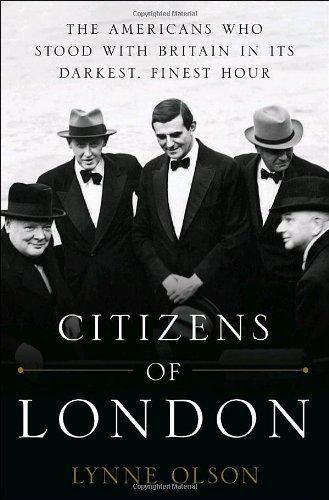
’s dominance in the region and acquire concessions of their own. American businessmen, meanwhile, were anxious to acquire access to markets protected by Britain’s imperial preference system, which bound Britain and its empire together in an economic common market and imposed stiff tariffs on imported goods from nonempire countries. While the
…
as a stick. In the summer of 1941, the Roosevelt administration proposed that, as a payback for Lend-Lease, the British agree to end its imperial preference system. Arguing that such trade discrimination greatly inhibited international economic growth, American officials pushed free trade as the path to postwar peace and prosperity. As
…
that their tariffs were not discriminatory because they applied to all U.S. trading partners.) Although a staunch imperialist, Churchill did not much like the imperial preference system. But he and his cabinet were vehemently opposed to the idea of being coerced into agreeing to a postwar economic order that favored the
…
States.” In a cable that was dispatched to the president, Churchill noted that the British cabinet had already decided the issue. It voted against swapping imperial preference for Lend-Lease, feeling that, if Britain did so, “we should have accepted an intervention in the domestic affairs of the British Empire.” In the
…
compromise was worked out. It committed both governments to take postwar action to achieve international economic cooperation but eliminated an explicit British commitment to end imperial preference. The Americans, however, would raise the subject again at the end of the war, and, this time, the British would not escape. THE UNRAVELING OF
…
out at Bretton Woods, New Hampshire, creating a new international economic order that would make the dollar the world’s leading currency, eliminate Britain’s imperial preference system, and greatly benefit U.S. trade in general. The British were indignant that the United States would demand interest payments for a new loan
Empire of Cotton: A Global History
by Sven Beckert · 2 Dec 2014 · 1,000pp · 247,974 words
The Empire Project: The Rise and Fall of the British World-System, 1830–1970
by John Darwin · 23 Sep 2009
China: A History
by John Keay · 5 Oct 2009
Empire Lost: Britain, the Dominions and the Second World War
by Andrew Stewart · 1 Nov 2008 · 637pp · 117,453 words
Ghosts of Empire: Britain's Legacies in the Modern World
by Kwasi Kwarteng · 14 Aug 2011 · 670pp · 169,815 words
The Making of an Atlantic Ruling Class
by Kees Van der Pijl · 2 Jun 2014 · 572pp · 134,335 words
Drink: A Cultural History of Alcohol
by Iain Gately · 30 Jun 2008 · 686pp · 201,972 words
Shadows of Empire: The Anglosphere in British Politics
by Michael Kenny and Nick Pearce · 5 Jun 2018 · 215pp · 64,460 words
The Making of Global Capitalism
by Leo Panitch and Sam Gindin · 8 Oct 2012 · 823pp · 206,070 words
Unfinished Empire: The Global Expansion of Britain
by John Darwin · 12 Feb 2013
The Making of Modern Britain
by Andrew Marr · 16 May 2007 · 618pp · 180,430 words
The Rise and Fall of the British Nation: A Twentieth-Century History
by David Edgerton · 27 Jun 2018
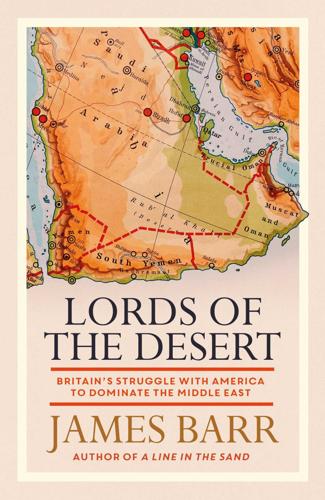
Lords of the Desert: The Battle Between the US and Great Britain for Supremacy in the Modern Middle East
by James Barr · 8 Aug 2018 · 539pp · 151,425 words
A Modern History of Hong Kong: 1841-1997
by Steve Tsang · 14 Aug 2007 · 691pp · 169,563 words
The Pursuit of Power: Europe, 1815-1914
by Richard J. Evans · 31 Aug 2016 · 976pp · 329,519 words
Empire: What Ruling the World Did to the British
by Jeremy Paxman · 6 Oct 2011 · 427pp · 124,692 words
Empire: How Britain Made the Modern World
by Niall Ferguson · 1 Jan 2002 · 469pp · 146,487 words
The Deluge: The Great War, America and the Remaking of the Global Order, 1916-1931
by Adam Tooze · 13 Nov 2014 · 1,057pp · 239,915 words
Britain at Bay: The Epic Story of the Second World War: 1938-1941
by Alan Allport · 2 Sep 2020 · 1,520pp · 221,543 words
The Evolution of Everything: How New Ideas Emerge
by Matt Ridley · 395pp · 116,675 words
Rule Britannia: Brexit and the End of Empire
by Danny Dorling and Sally Tomlinson · 15 Jan 2019 · 502pp · 128,126 words
Britain's Europe: A Thousand Years of Conflict and Cooperation
by Brendan Simms · 27 Apr 2016 · 380pp · 116,919 words
Grave New World: The End of Globalization, the Return of History
by Stephen D. King · 22 May 2017 · 354pp · 92,470 words
1946: The Making of the Modern World
by Victor Sebestyen · 30 Sep 2014 · 476pp · 144,288 words
A Splendid Exchange: How Trade Shaped the World
by William J. Bernstein · 5 May 2009 · 565pp · 164,405 words
The Marshall Plan: Dawn of the Cold War
by Benn Steil · 13 Feb 2018 · 913pp · 219,078 words
Bad Money: Reckless Finance, Failed Politics, and the Global Crisis of American Capitalism
by Kevin Phillips · 31 Mar 2008 · 422pp · 113,830 words
Whiteshift: Populism, Immigration and the Future of White Majorities
by Eric Kaufmann · 24 Oct 2018 · 691pp · 203,236 words
The Cigarette: A Political History
by Sarah Milov · 1 Oct 2019
On Power and Ideology
by Noam Chomsky · 7 Jul 2015
Coffeeland: One Man's Dark Empire and the Making of Our Favorite Drug
by Augustine Sedgewick · 6 Apr 2020 · 668pp · 159,523 words
Half In, Half Out: Prime Ministers on Europe
by Andrew Adonis · 20 Jun 2018 · 235pp · 73,873 words
Alistair Cooke's America
by Alistair Cooke · 1 Oct 2008 · 369pp · 121,161 words
Ten Lessons for a Post-Pandemic World
by Fareed Zakaria · 5 Oct 2020 · 289pp · 86,165 words
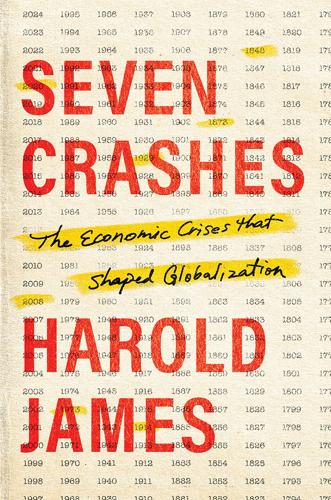
Seven Crashes: The Economic Crises That Shaped Globalization
by Harold James · 15 Jan 2023 · 469pp · 137,880 words
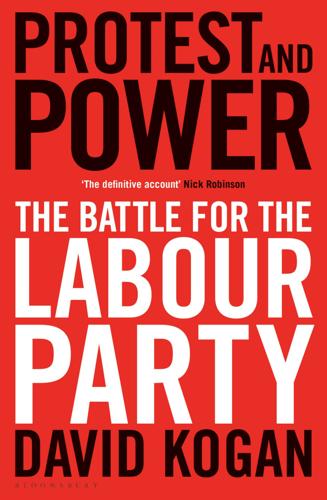
Protest and Power: The Battle for the Labour Party
by David Kogan · 17 Apr 2019 · 458pp · 136,405 words
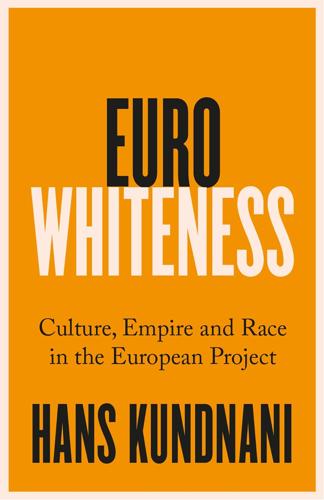
Eurowhiteness: Culture, Empire and Race in the European Project
by Hans Kundnani · 16 Aug 2023 · 198pp · 54,815 words
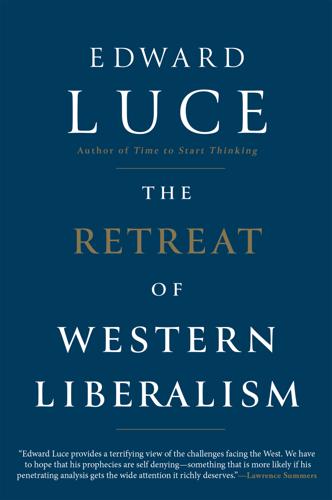
The Retreat of Western Liberalism
by Edward Luce · 20 Apr 2017 · 223pp · 58,732 words
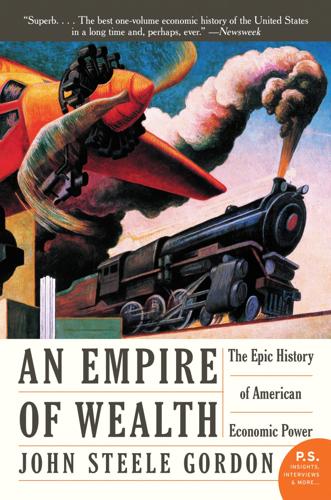
An Empire of Wealth: Rise of American Economy Power 1607-2000
by John Steele Gordon · 12 Oct 2009 · 519pp · 148,131 words
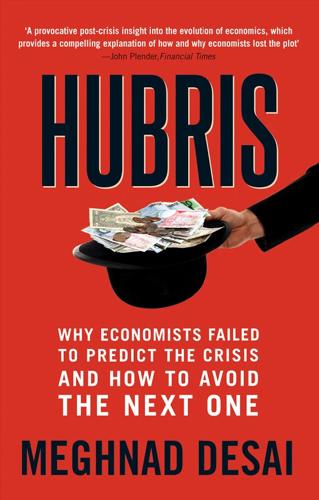
Hubris: Why Economists Failed to Predict the Crisis and How to Avoid the Next One
by Meghnad Desai · 15 Feb 2015 · 270pp · 73,485 words
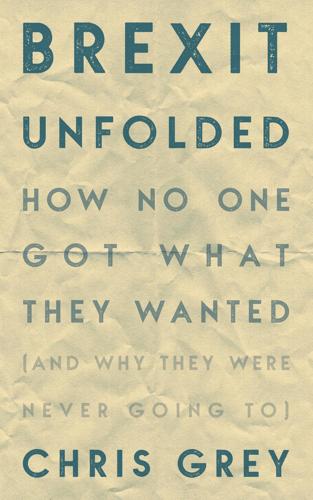
Brexit Unfolded: How No One Got What They Want (And Why They Were Never Going To)
by Chris Grey · 22 Jun 2021 · 334pp · 91,722 words
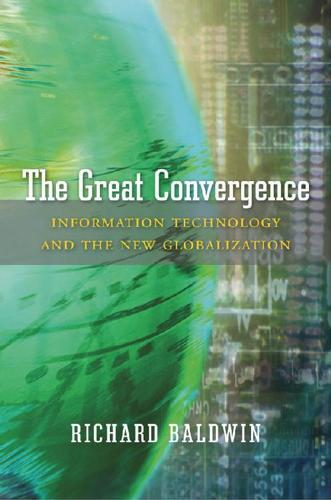
The Great Convergence: Information Technology and the New Globalization
by Richard Baldwin · 14 Nov 2016 · 606pp · 87,358 words
9 Lessons in Brexit
by Ivan Rogers · 7 Feb 2019 · 40pp · 11,939 words