The Revolutionary Center: The Lost Genius of Liberalism
by Adrian Wooldridge · 7 Apr 2026 · 342pp · 129,097 words
hot weather.21 To the embarrassment of the contemporary left, Marx fully supported the liberal idea that the non-European world was hopelessly static until liberal capitalism came and gave it a liberating shove.22 It is impossible to put an exact date on the arrival of the age of mobility: history
…
energy and enterprise than the other way round. Yet the backlash against ‘liberal imperialism’ continues. The progressive left is laser-focused on the links between liberalism, capitalism and imperialism. Some progressives try to elide the distinction between capitalism and imperialism as if empires had never existed before Adam Smith wrote. Some throw
…
in a world that has lost its meaning and become amorphous and alienating,’ argues the French scholar of religion Gilles Kepel.11 The more that liberal capitalism tears up traditional Islamic civilization by the roots, the more people are likely to turn to fundamentalism to reassert meaning in their lives. Fundamentalism feeds
…
side of, leaders of liberalism concern about 201–2 debate, freedom of and 214–16 globalization and 153 information capitalism xii, xxii, 202, 208–17 liberal capitalism 15, 181 liberal imperialism and 118, 126 limited-liability company 27 meritocracy and 79–81, 144, 206–7 oligarchy and 202–5 Ordoliberals and 111
The Nerd Reich: Silicon Valley Fascism and the War on Democracy
by Gil Durán · 17 Aug 2026 · 317pp · 114,570 words
of many forms of compulsion.” But in place of supernatural miracles they substitute miraculous new technologies that would purify the world of liberal democracy and liberate capitalism from all political constraints—after defeating the evil force of the “new Luddites” who would rise in opposition to this massive transformation. Davidson and Rees
From Peoples into Nations
by John Connelly · 11 Nov 2019
system of minority treaties had failed. Germans and Magyars had proved incapable of acting as loyal Czechoslovak citizens. Thus, Europe was dividing not only between liberal capitalism and people’s democracy, but also between the new internationalism in the West and nation-statism in the East, frozen beneath the power of the
War and Gold: A Five-Hundred-Year History of Empires, Adventures, and Debt
by Kwasi Kwarteng · 12 May 2014 · 632pp · 159,454 words
showed the single-mindedness with which Britain applied itself to winning the war. The London of 1914 had been the home of Lombard Street, of liberal capitalism, of the upper-class world depicted by writers like P. G. Wodehouse and John Galsworthy. Yet, in a sudden reversal, Britain would tax its capitalists

Before the Storm: Barry Goldwater and the Unmaking of the American Consensus
by Rick Perlstein · 17 Mar 2009 · 1,037pp · 294,916 words
party was formed in the 1850s to fight the spread of slavery, and also to fight for something: the ideal that would later be called liberal capitalism—every man making the best for himself through his own hard work, every farmhand aspiring to be a farmer, every factory hand aspiring to own
…
the Chicago banquet, see George B. Russell, J. Bracken Lee: The Taxpayer’s Champion (New York: Robert Spellers and Sons, 1961), 154. My interpretation of liberal capitalism and the founding of the Republican Party is from Malcolm Moos, The Republicans: A History of Their Party (New York: Random House, 1956), 30; and
American Marxism
by Mark R. Levin · 12 Jul 2021 · 314pp · 88,524 words
the European Commission. The idea of ‘socially sustainable degrowth,’ or simply degrowth, was born as a proposal for radical change. The contemporary context of neo-liberal capitalism appears as a post-political condition, meaning a political formation that forecloses the political and prevents the politicization of particular demands. Within this context, degrowth
Civilization: The West and the Rest
by Niall Ferguson · 28 Feb 2011 · 790pp · 150,875 words
operating systems, to draw a metaphor from computing – that could be adopted by non-Western societies. But the most attractive were all of European origin: liberal capitalism, national socialism, Soviet communism. The Second World War killed the second in Europe, though it lived on under assumed names in many developing countries. The
How Asia Works
by Joe Studwell · 1 Jul 2013 · 868pp · 147,152 words
Pivotal Decade: How the United States Traded Factories for Finance in the Seventies
by Judith Stein · 30 Apr 2010 · 497pp · 143,175 words
economy to foreign capital. This was not simply a Washington project. The Europeans and IMF bureaucrats were equally enthusiastic and began encouraging developing countries to liberalize capital as well as trade accounts.93 The premise was that low savings and weak financial markets hampered development. Access to funds from abroad would boost
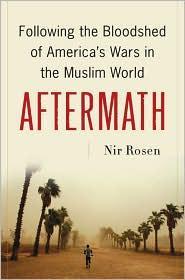
Aftermath: Following the Bloodshed of America's Wars in the Muslim World
by Nir Rosen · 21 Apr 2011 · 1,016pp · 283,960 words
occupation was to transform Iraq into a free-market economy. One of the first measures taken by the American occupation was to impose laws that liberalized capital accounts, currency trading, and investment regulations, and lifted price regulations and most state subsidies. An important principle guiding the occupation was not to invest in
Democracy and Prosperity: Reinventing Capitalism Through a Turbulent Century
by Torben Iversen and David Soskice · 5 Feb 2019 · 550pp · 124,073 words
Money and Government: The Past and Future of Economics
by Robert Skidelsky · 13 Nov 2018

Roller-Coaster: Europe, 1950-2017
by Ian Kershaw · 29 Aug 2018 · 736pp · 233,366 words
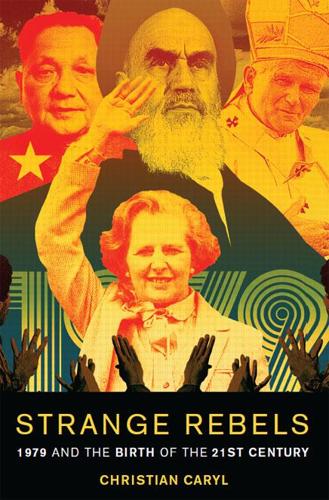
Strange Rebels: 1979 and the Birth of the 21st Century
by Christian Caryl · 30 Oct 2012 · 780pp · 168,782 words
No More Work: Why Full Employment Is a Bad Idea
by James Livingston · 15 Feb 2016 · 90pp · 27,452 words
Empire: How Britain Made the Modern World
by Niall Ferguson · 1 Jan 2002 · 469pp · 146,487 words
Rewriting the Rules of the European Economy: An Agenda for Growth and Shared Prosperity
by Joseph E. Stiglitz · 28 Jan 2020 · 408pp · 108,985 words
Whiteshift: Populism, Immigration and the Future of White Majorities
by Eric Kaufmann · 24 Oct 2018 · 691pp · 203,236 words
Slouching Towards Utopia: An Economic History of the Twentieth Century
by J. Bradford Delong · 6 Apr 2020 · 593pp · 183,240 words
No Such Thing as Society
by Andy McSmith · 19 Nov 2010 · 613pp · 151,140 words
Buying Time: The Delayed Crisis of Democratic Capitalism
by Wolfgang Streeck · 1 Jan 2013 · 353pp · 81,436 words
The Prize: The Epic Quest for Oil, Money & Power
by Daniel Yergin · 23 Dec 2008 · 1,445pp · 469,426 words

The Billionaire Raj: A Journey Through India's New Gilded Age
by James Crabtree · 2 Jul 2018 · 442pp · 130,526 words
Unelected Power: The Quest for Legitimacy in Central Banking and the Regulatory State
by Paul Tucker · 21 Apr 2018 · 920pp · 233,102 words
Capitalism, Alone: The Future of the System That Rules the World
by Branko Milanovic · 23 Sep 2019
How to Change the World: Reflections on Marx and Marxism
by Eric Hobsbawm · 5 Sep 2011 · 621pp · 157,263 words
Consumed: How Markets Corrupt Children, Infantilize Adults, and Swallow Citizens Whole
by Benjamin R. Barber · 1 Jan 2007 · 498pp · 145,708 words
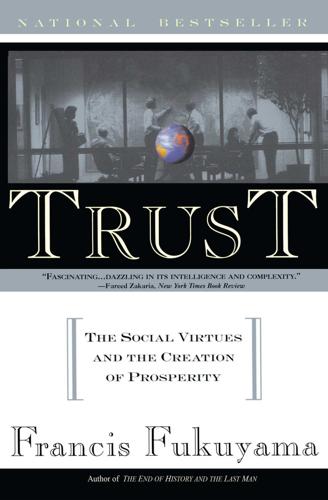
Trust: The Social Virtue and the Creation of Prosperity
by Francis Fukuyama · 1 Jan 1995 · 585pp · 165,304 words

War for Eternity: Inside Bannon's Far-Right Circle of Global Power Brokers
by Benjamin R. Teitelbaum · 14 May 2020 · 307pp · 88,745 words
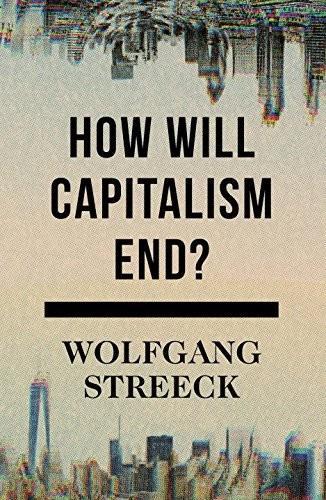
How Will Capitalism End?
by Wolfgang Streeck · 8 Nov 2016 · 424pp · 115,035 words
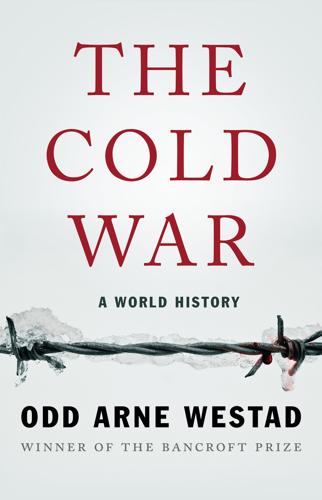
The Cold War: A World History
by Odd Arne Westad · 4 Sep 2017 · 846pp · 250,145 words
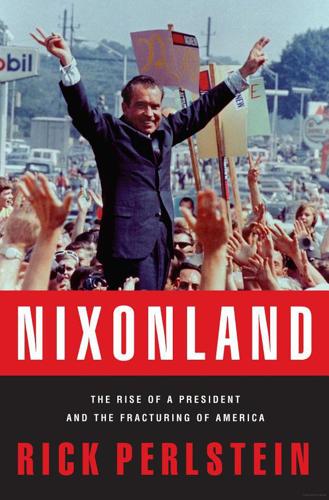
Nixonland: The Rise of a President and the Fracturing of America
by Rick Perlstein · 1 Jan 2008 · 1,351pp · 404,177 words
Never Let a Serious Crisis Go to Waste: How Neoliberalism Survived the Financial Meltdown
by Philip Mirowski · 24 Jun 2013 · 662pp · 180,546 words
The Ascent of Money: A Financial History of the World
by Niall Ferguson · 13 Nov 2007 · 471pp · 124,585 words
The Globalization Paradox: Democracy and the Future of the World Economy
by Dani Rodrik · 23 Dec 2010 · 356pp · 103,944 words
Does Capitalism Have a Future?
by Immanuel Wallerstein, Randall Collins, Michael Mann, Georgi Derluguian, Craig Calhoun, Stephen Hoye and Audible Studios · 15 Nov 2013 · 238pp · 73,121 words
The Great Transformation: The Political and Economic Origins of Our Time
by Karl Polanyi · 27 Mar 2001 · 495pp · 138,188 words
The Power Law: Venture Capital and the Making of the New Future
by Sebastian Mallaby · 1 Feb 2022 · 935pp · 197,338 words
Liberalism at Large: The World According to the Economist
by Alex Zevin · 12 Nov 2019 · 767pp · 208,933 words
This Is Not Normal: The Collapse of Liberal Britain
by William Davies · 28 Sep 2020 · 210pp · 65,833 words

Age of Anger: A History of the Present
by Pankaj Mishra · 26 Jan 2017 · 410pp · 106,931 words
Radical Markets: Uprooting Capitalism and Democracy for a Just Society
by Eric Posner and E. Weyl · 14 May 2018 · 463pp · 105,197 words
A Game as Old as Empire: The Secret World of Economic Hit Men and the Web of Global Corruption
by Steven Hiatt; John Perkins · 1 Jan 2006 · 497pp · 123,718 words
Unfinished Business
by Tamim Bayoumi · 405pp · 109,114 words
The Making of Global Capitalism
by Leo Panitch and Sam Gindin · 8 Oct 2012 · 823pp · 206,070 words
The Idea of Decline in Western History
by Arthur Herman · 8 Jan 1997 · 717pp · 196,908 words
The Fourth Revolution: The Global Race to Reinvent the State
by John Micklethwait and Adrian Wooldridge · 14 May 2014 · 372pp · 92,477 words
Fully Automated Luxury Communism
by Aaron Bastani · 10 Jun 2019 · 280pp · 74,559 words

Ellul, Jacques-The Technological Society-Vintage Books (1964)
by Unknown · 7 Jun 2012
The Coming of Neo-Feudalism: A Warning to the Global Middle Class
by Joel Kotkin · 11 May 2020 · 393pp · 91,257 words
The Glass Half-Empty: Debunking the Myth of Progress in the Twenty-First Century
by Rodrigo Aguilera · 10 Mar 2020 · 356pp · 106,161 words
The Capitalist Manifesto
by Johan Norberg · 14 Jun 2023 · 295pp · 87,204 words
The True and Only Heaven: Progress and Its Critics
by Christopher Lasch · 16 Sep 1991 · 669pp · 226,737 words
The Marginal Revolutionaries: How Austrian Economists Fought the War of Ideas
by Janek Wasserman · 23 Sep 2019 · 470pp · 130,269 words

A History of Modern Britain
by Andrew Marr · 2 Jul 2009 · 872pp · 259,208 words
Globalists
by Quinn Slobodian · 16 Mar 2018 · 451pp · 142,662 words
The Powerful and the Damned: Private Diaries in Turbulent Times
by Lionel Barber · 5 Nov 2020
The Price Is Wrong: Why Capitalism Won't Save the Planet
by Brett Christophers · 12 Mar 2024 · 557pp · 154,324 words
Sapiens: A Brief History of Humankind
by Yuval Noah Harari · 1 Jan 2011 · 447pp · 141,811 words
Open: The Story of Human Progress
by Johan Norberg · 14 Sep 2020 · 505pp · 138,917 words
Wall Street: How It Works And for Whom
by Doug Henwood · 30 Aug 1998 · 586pp · 159,901 words
Profit Over People: Neoliberalism and Global Order
by Noam Chomsky · 6 Sep 2011
Them And Us: Politics, Greed And Inequality - Why We Need A Fair Society
by Will Hutton · 30 Sep 2010 · 543pp · 147,357 words
The Social Life of Money
by Nigel Dodd · 14 May 2014 · 700pp · 201,953 words

Global Governance and Financial Crises
by Meghnad Desai and Yahia Said · 12 Nov 2003

Brexit, No Exit: Why in the End Britain Won't Leave Europe
by Denis MacShane · 14 Jul 2017 · 308pp · 99,298 words
Rich White Men: What It Takes to Uproot the Old Boys' Club and Transform America
by Garrett Neiman · 19 Jun 2023 · 386pp · 112,064 words
Green Tyranny: Exposing the Totalitarian Roots of the Climate Industrial Complex
by Rupert Darwall · 2 Oct 2017 · 451pp · 115,720 words
A History of the World in Seven Cheap Things: A Guide to Capitalism, Nature, and the Future of the Planet
by Raj Patel and Jason W. Moore · 16 Oct 2017 · 335pp · 89,924 words
Against the Machine: On the Unmaking of Humanity
by Paul Kingsnorth · 23 Sep 2025 · 388pp · 110,920 words
The Twittering Machine
by Richard Seymour · 20 Aug 2019 · 297pp · 83,651 words
Equality
by Darrin M. McMahon · 14 Nov 2023 · 534pp · 166,876 words
Tory Nation: The Dark Legacy of the World's Most Successful Political Party
by Samuel Earle · 3 May 2023 · 245pp · 88,158 words

Winds of Change
by Peter Hennessy · 27 Aug 2019 · 891pp · 220,950 words
China's Good War
by Rana Mitter
It's Better Than It Looks: Reasons for Optimism in an Age of Fear
by Gregg Easterbrook · 20 Feb 2018 · 424pp · 119,679 words
Reset
by Ronald J. Deibert · 14 Aug 2020
The Globalization of Inequality
by François Bourguignon · 1 Aug 2012 · 221pp · 55,901 words
Capitalism: Money, Morals and Markets
by John Plender · 27 Jul 2015 · 355pp · 92,571 words
Losing Control: The Emerging Threats to Western Prosperity
by Stephen D. King · 14 Jun 2010 · 561pp · 87,892 words
How to Be Idle
by Tom Hodgkinson · 1 Jan 2004 · 354pp · 93,882 words
Rethinking Islamism: The Ideology of the New Terror
by Meghnad Desai · 25 Apr 2008
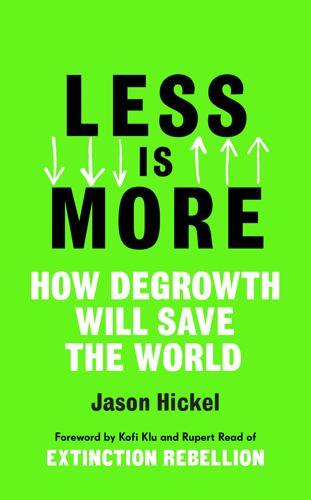
Less Is More: How Degrowth Will Save the World
by Jason Hickel · 12 Aug 2020 · 286pp · 87,168 words
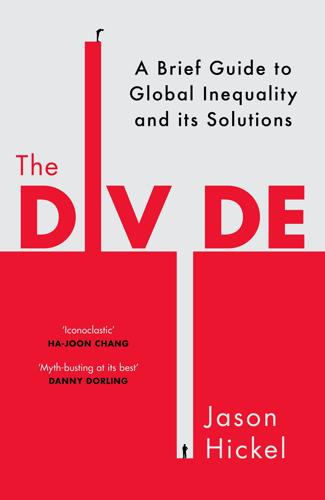
The Divide: A Brief Guide to Global Inequality and Its Solutions
by Jason Hickel · 3 May 2017 · 332pp · 106,197 words
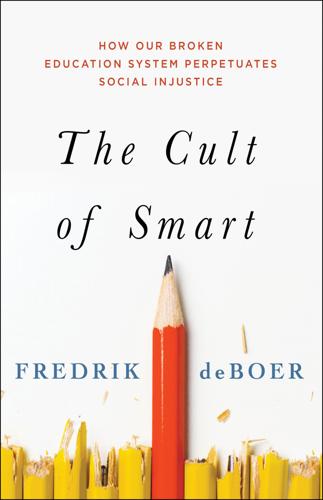
The Cult of Smart: How Our Broken Education System Perpetuates Social Injustice
by Fredrik Deboer · 3 Aug 2020 · 236pp · 77,546 words
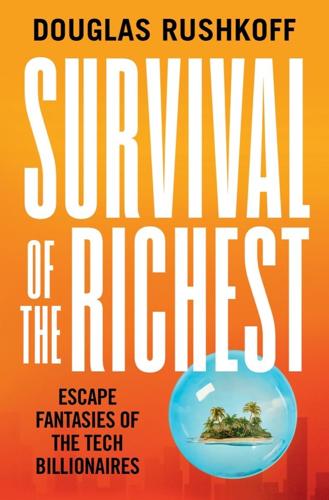
Survival of the Richest: Escape Fantasies of the Tech Billionaires
by Douglas Rushkoff · 7 Sep 2022 · 205pp · 61,903 words
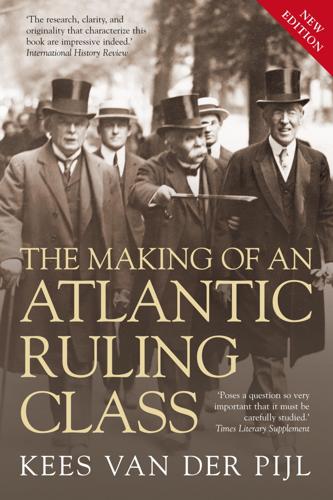
The Making of an Atlantic Ruling Class
by Kees Van der Pijl · 2 Jun 2014 · 572pp · 134,335 words
Capitalism and Its Critics: A History: From the Industrial Revolution to AI
by John Cassidy · 12 May 2025 · 774pp · 238,244 words
The Stack: On Software and Sovereignty
by Benjamin H. Bratton · 19 Feb 2016 · 903pp · 235,753 words
Raw Data Is an Oxymoron
by Lisa Gitelman · 25 Jan 2013
Superclass: The Global Power Elite and the World They Are Making
by David Rothkopf · 18 Mar 2008 · 535pp · 158,863 words
Who Are We—And Should It Matter in the 21st Century?
by Gary Younge · 27 Jun 2011 · 298pp · 89,287 words
Last Best Hope: America in Crisis and Renewal
by George Packer · 14 Jun 2021 · 173pp · 55,328 words
The Empire Project: The Rise and Fall of the British World-System, 1830–1970
by John Darwin · 23 Sep 2009

Profiting Without Producing: How Finance Exploits Us All
by Costas Lapavitsas · 14 Aug 2013 · 554pp · 158,687 words
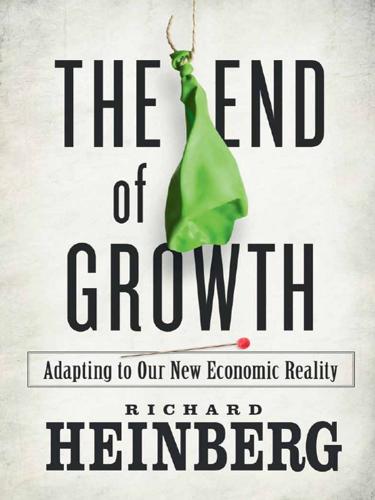
The End of Growth: Adapting to Our New Economic Reality
by Richard Heinberg · 1 Jun 2011 · 372pp · 107,587 words
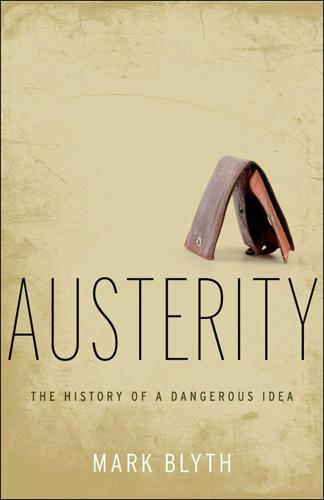
Austerity: The History of a Dangerous Idea
by Mark Blyth · 24 Apr 2013 · 576pp · 105,655 words
Social Class in the 21st Century
by Mike Savage · 5 Nov 2015 · 297pp · 89,206 words
In Defense of Global Capitalism
by Johan Norberg · 1 Jan 2001 · 233pp · 75,712 words
The Corona Crash: How the Pandemic Will Change Capitalism
by Grace Blakeley · 14 Oct 2020 · 82pp · 24,150 words
Angrynomics
by Eric Lonergan and Mark Blyth · 15 Jun 2020 · 194pp · 56,074 words

Hacking Capitalism
by Söderberg, Johan; Söderberg, Johan;
Global Inequality: A New Approach for the Age of Globalization
by Branko Milanovic · 10 Apr 2016 · 312pp · 91,835 words
Utopia or Bust: A Guide to the Present Crisis
by Benjamin Kunkel · 11 Mar 2014 · 142pp · 45,733 words
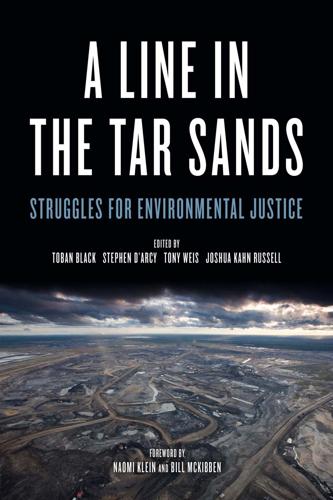
A Line in the Tar Sands: Struggles for Environmental Justice
by Tony Weis and Joshua Kahn Russell · 14 Oct 2014 · 501pp · 134,867 words
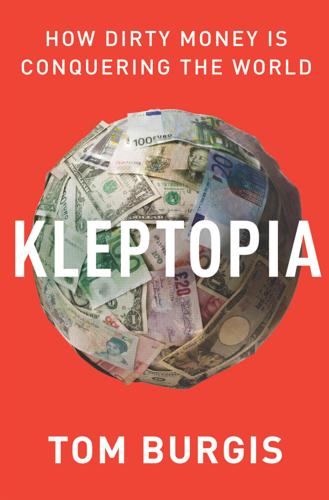
Kleptopia: How Dirty Money Is Conquering the World
by Tom Burgis · 7 Sep 2020 · 476pp · 139,761 words
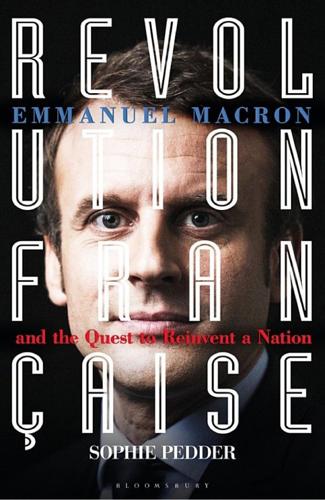
Revolution Française: Emmanuel Macron and the Quest to Reinvent a Nation
by Sophie Pedder · 20 Jun 2018 · 337pp · 101,440 words
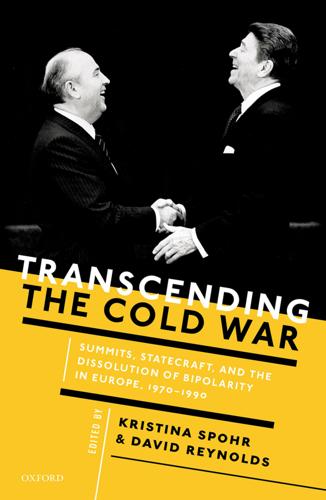
Transcending the Cold War: Summits, Statecraft, and the Dissolution of Bipolarity in Europe, 1970–1990
by Kristina Spohr and David Reynolds · 24 Aug 2016 · 627pp · 127,613 words
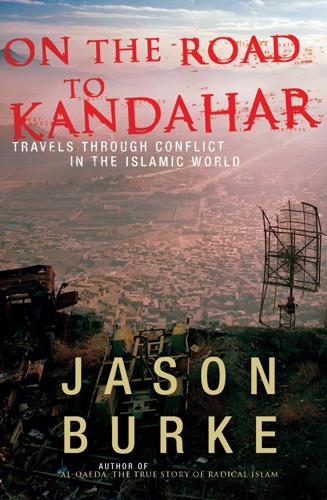
On the Road to Kandahar: Travels Through Conflict in the Islamic World
by Jason Burke · 21 May 2025 · 323pp · 108,377 words
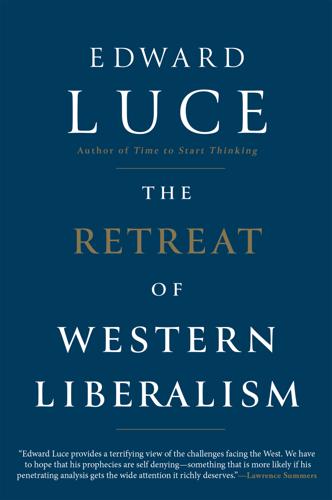
The Retreat of Western Liberalism
by Edward Luce · 20 Apr 2017 · 223pp · 58,732 words
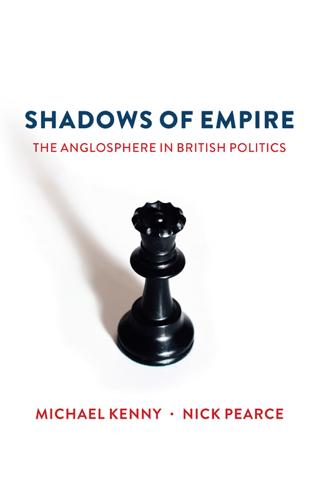
Shadows of Empire: The Anglosphere in British Politics
by Michael Kenny and Nick Pearce · 5 Jun 2018 · 215pp · 64,460 words
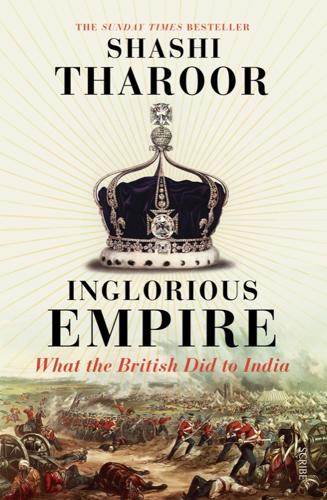
Inglorious Empire: What the British Did to India
by Shashi Tharoor · 1 Feb 2018 · 370pp · 111,129 words
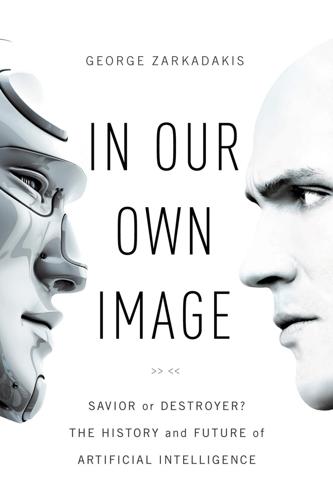
In Our Own Image: Savior or Destroyer? The History and Future of Artificial Intelligence
by George Zarkadakis · 7 Mar 2016 · 405pp · 117,219 words
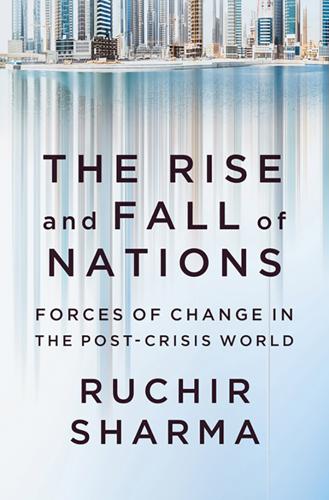
The Rise and Fall of Nations: Forces of Change in the Post-Crisis World
by Ruchir Sharma · 5 Jun 2016 · 566pp · 163,322 words

EuroTragedy: A Drama in Nine Acts
by Ashoka Mody · 7 May 2018
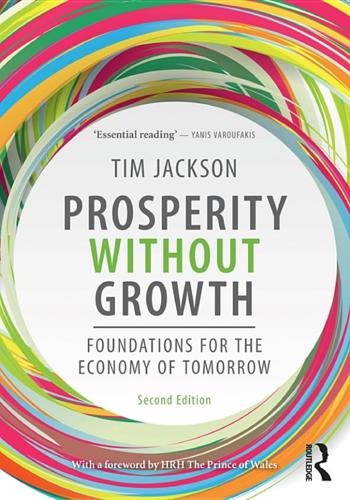
Prosperity Without Growth: Foundations for the Economy of Tomorrow
by Tim Jackson · 8 Dec 2016 · 573pp · 115,489 words

The Infinity Machine: Demis Hassabis, DeepMind, and the Quest for Superintelligence
by Sebastian Mallaby; · 30 Mar 2026 · 607pp · 161,998 words
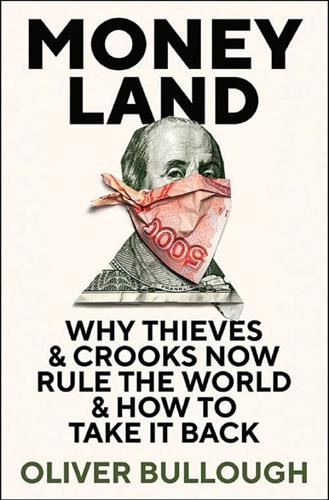
Moneyland: Why Thieves and Crooks Now Rule the World and How to Take It Back
by Oliver Bullough · 5 Sep 2018 · 364pp · 112,681 words
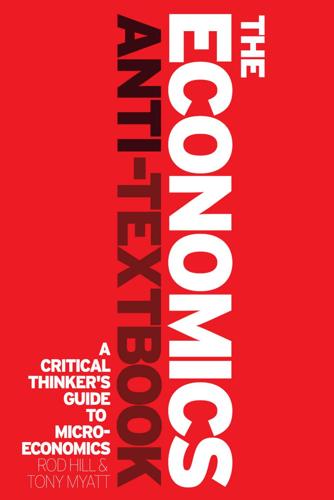
The Economics Anti-Textbook: A Critical Thinker's Guide to Microeconomics
by Rod Hill and Anthony Myatt · 15 Mar 2010

Branded Beauty
by Mark Tungate · 11 Feb 2012 · 290pp · 87,084 words

Culture Shock! Costa Rica 30th Anniversary Edition
by Claire Wallerstein · 1 Mar 2011
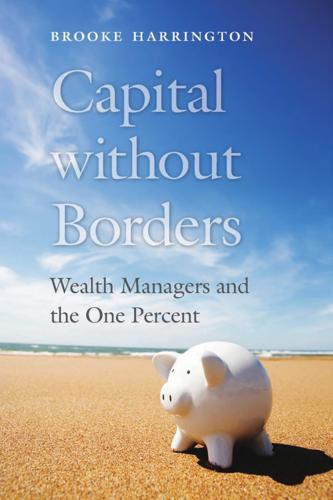
Capital Without Borders
by Brooke Harrington · 11 Sep 2016 · 358pp · 104,664 words
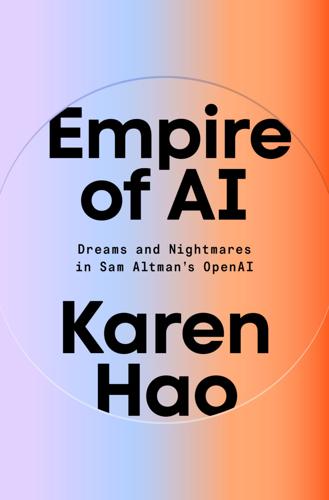
Empire of AI: Dreams and Nightmares in Sam Altman's OpenAI
by Karen Hao · 19 May 2025 · 660pp · 179,531 words
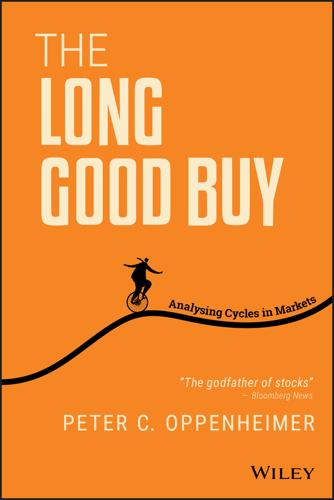
The Long Good Buy: Analysing Cycles in Markets
by Peter Oppenheimer · 3 May 2020 · 333pp · 76,990 words
Beyond the Random Walk: A Guide to Stock Market Anomalies and Low Risk Investing
by Vijay Singal · 15 Jun 2004 · 369pp · 128,349 words