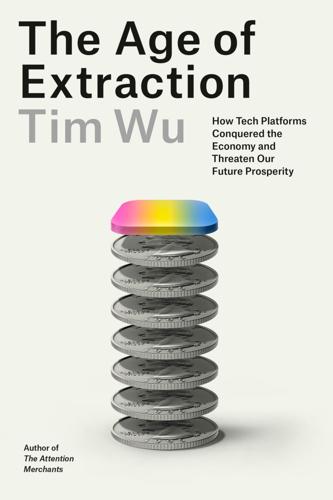
The Age of Extraction: How Tech Platforms Conquered the Economy and Threaten Our Future Prosperity
by Tim Wu · 4 Nov 2025 · 246pp · 65,143 words
we’ve shown over the course of this book, is that our tech platforms have outgrown their boundaries. You might say that they suffer from main character syndrome. They forget that their role is to host and support the activities of others, not to be the show themselves. It is not too late
The Bill Gates Problem: Reckoning With the Myth of the Good Billionaire
by Tim Schwab · 13 Nov 2023 · 618pp · 179,407 words
, to solve the problems of poor people living in Kampala and Uttar Pradesh. And we’ll find a man suffering from a bad case of main character syndrome, constantly asserting his leadership and expertise on issues in which he has no training, standing, or mandate. We’ll see an organization that ferociously brands
Amateurs!: How We Built Internet Culture and Why It Matters
by Joanna Walsh · 22 Sep 2025 · 255pp · 80,203 words
what is missing from the Museum and from literature is he,’ Blanchot writes.36 In a self-owning critique, this is what online culture calls main-character syndrome, a.k.a. acting like you’re the hero of your own life. As Erasure’s main character, named after the author of The Invisible