Broke: How to Survive the Middle Class Crisis
by David Boyle · 15 Jan 2014 · 367pp · 108,689 words
up to the point where it ruined them. The Corset may have been impossible to sustain, but its demise marked the end of mortgage rationing. Mortgage debt didn’t rise at all in the Corset years of the 1970s. From 1979 to 1987 it grew at 10 per cent a year. The
…
accordingly, investors may lose their entire investment.’ A quarter of a century on, the Collateralized Debt Obligations (CDOs), the complex instruments that bundled up good mortgage debt with unrepayable subprime debt, were deliberately packaged to be obscure so that the credit-rating agencies could not value them, and they could then be
…
the UK are already working beyond retirement, some because we want to, but some because we still haven’t paid off our mortgages (the average mortgage debt for pensioners is now £45,300), and one in four pensioners is still borrowing money to make ends meet. The middle classes know all this
The Big Short: Inside the Doomsday Machine
by Michael Lewis · 1 Nov 2009 · 265pp · 93,231 words
mass market the bonds, we can drive down the cost to borrowers. They can replace high interest rate credit card debt with lower interest rate mortgage debt. And it will become a self-fulfilling prophecy." The growing interface between high finance and lower-middle-class America was assumed to be good for
…
're helping the consumer. Because we're taking him out of his high interest rate credit card debt and putting him into lower interest rate mortgage debt.' And I believed that story." Then something changed. Vincent Daniel had grown up in Queens, without any of the perks Steve Eisman took for granted
…
States found itself in the midst of a housing crisis that put housing starts at 10% of the level of 1925. Roughly half of all mortgage debt was in default. During the 1930s, housing prices collapsed nationwide by roughly 80%." He harped on the same theme again in January 2004, then again
J.K. Lasser's Your Income Tax
by J K Lasser Institute · 30 Oct 2012 · 2,045pp · 566,714 words
an Easement 31.8 Special Tax Credits for Real Estate Investments 31.9 Foreclosures, Repossessions, Short Sales, and Voluntary Conveyances to Creditors 31.10 Restructuring Mortgage Debt 31.11 Abandonments 31.12 Seller’s Repossession After Buyer’s Default on Mortgage 31.13 Foreclosure on Mortgages Other Than Purchase Money 31.14
…
price. A mortgagor realizes value to the extent that his or her obligation to repay is relieved by a third party’s assumption of the mortgage debt. 5.15 Finding Your Cost In figuring gain or loss, you need to know the “unadjusted basis” of the property sold. This term refers to
…
loss may be claimed as a casualty loss, or in some cases, as an investment loss (18.5). You are held secondarily liable on a mortgage debt assumed but not paid by a buyer of your home. Your payment to the bank or other holder of the mortgage is deductible as a
…
fair market value over the amount of the outstanding mortgage. However, you may realize a taxable gain. The IRS and Tax Court treat the transferred mortgage debt as cash received in a part-gift, part-sale subject to the rules for bargain sales of appreciated property (14.8). You will realize a
…
’s charitable contribution deduction is $150,000 ($250,000 − $100,000). He also is considered to have made a bargain sale for $100,000 (transferred mortgage debt) on which he realized $40,000 long-term capital gain. 40% of the transaction is treated as a bargain sale: Basis allocated to sale: 40
…
and in the five-year carryover period. EXAMPLE The Hodgdons contributed real estate valued at $3.9 million but subject to mortgage debt of $2.6 million. The IRS treated the mortgage debt as sales proceeds and figured gain based on the difference between the debt and the portion of basis allocated to the
…
reduces the fair market value limit for home equity debt (15.3). If you refinance your loan, see 15.7. Two-residence limit for qualifying mortgage debt. The rules for deducting interest on qualifying home acquisition debt or home equity debt apply to loans secured by your principal residence and one other
…
directly to the bank. The IRS disallowed the taxpayer’s deduction for the mortgage interest on the grounds that he was not liable for the mortgage debt; his brother was. However, the Tax Court allowed the deduction, holding that the taxpayer was the equitable owner of the home and that he was
…
other property owner. You may deduct your payments of real estate taxes and mortgage interest. You may also deduct taxes and interest paid on the mortgage debt of the project allocable to your share of the property. The deduction of interest from condominium ownership is also subject to the two-residence limit
…
an Easement 31.8 Special Tax Credits for Real Estate Investments 31.9 Foreclosures, Repossessions, Short Sales, and Voluntary Conveyances to Creditors 31.10 Restructuring Mortgage Debt 31.11 Abandonments 31.12 Seller’s Repossession After Buyer’s Default on Mortgage 31.13 Foreclosure on Mortgages Other Than Purchase Money 31.14
…
income without reducing the amount of cash available for distribution. This tax savings is temporary and limited by the terms and the amount of the mortgage debt on the property. Payments allocated to amortization of mortgage principal reduce the amount of cash available to investors without an offsetting tax deduction. Thus, the
…
to report the $12,000 income from the debt cancellation as income on his return. 31.10 Restructuring Mortgage Debt Rather than foreclose on a mortgage, a lender (mortgagee) may be willing to restructure the mortgage debt by cancelling either all or part of the debt. As a borrower (mortgagor), do not overlook the
…
of debt may be realized (31.9). Abandoning a partnership interest. Where real estate values have sharply declined, partnerships may be holding realty subject to mortgage debt that exceeds the current value of the property. Some investors in such partnerships have claimed that they can abandon their partnership interests and claim abandonment
…
interest. The partnership was insolvent beyond hope of rehabilitation: (1) the partnership’s only asset was land with a fair market value less than the mortgage debt; (2) the partnership had no source of income; and (3) the partners refused to contribute more funds to keep the partnership afloat. In a subsequent
…
a foreclosure sale to pay off a mortgage that is not a purchase money mortgage, your actual financial loss is the difference between the unpaid mortgage debt and the value of the property. For tax purposes, however, you may realize a capital gain or loss and a bad debt loss that are
…
Voluntary Conveyance Instead of forcing you to foreclose, the mortgagor may voluntarily convey the property to you in consideration for your cancelling the mortgage debt. Your loss is the amount by which the mortgage debt plus accrued interest exceeds the fair market value of the property. If, however, the fair market value exceeds the
…
mortgage debt plus accrued interest, the difference is taxable gain. The gain or loss is reportable in the year you receive the property. Your basis in the
…
value. Suppose your bid was $36,000 and you had $2,000 in expenses. Your bad debt deduction is $6,000—the difference between the mortgage debt of $40,000 and the net bid price of $34,000. You also had a capital loss of $4,000 (the difference between the net
…
bid price of $34,000 and the fair market value of $30,000). Where the bid price equals the mortgage debt plus unreported but accrued interest, you report the interest as income. But where the accrued interest has been reported, the unpaid amount is added to
…
to Third Party When a third party buys the property in a foreclosure, you, as the mortgagee, receive the purchase price to apply against the mortgage debt. If it is less than the debt, you may proceed against the mortgagor for the difference. Foreclosure expenses are treated as offsets against the foreclosure
…
bad debt, but you may not deduct a partially worthless nonbusiness bad debt. Remember this distinction if you are thinking of forgiving part of the mortgage debt as a settlement. If the debt is a nonbusiness bad debt, you will not be able to take a deduction until the entire debt proves
…
buys the property for $20,000. Foreclosure expenses amount to $2,000. The deficiency is uncollectible. Your $12,000 loss is figured as follows: Unpaid mortgage debt $30,000 Foreclosure proceeds $20,000 Less: Expenses 2,000 Net proceeds 18,000 Bad debt loss $12,000 31.15 Transferring Mortgaged Realty Mortgaging
…
-level Debt obligations Debts business real estate, restructuring cancellation of cancellation of debts you owe, as taxable income credit card, cancellation of, reporting as income mortgage debt nonrecourse, upon foreclosure or repossession owed to you, interest income on partnerships S corporation Decedent (deceased person) capital loss carryover and distribution of Roth IRAs
…
-income housing MACRS for property placed in service after 1986 pre-1936 buildings rehabilitation of rental activities repossession after buyer’s default on mortgage restructuring mortgage debt at risk, financing for sale of, timing of seller’s back taxes, buyer cannot deduct selling rented residence subdivided land sales tax credits taxes, allocating
…
Bonds transferred to a Trustees, waiver of commissions of Tuition plans/payments deductions for educators for religious or secular schools Two-residence limit for qualifying mortgage debt Two-year resale rule for property to related party Typewriters U Unadjusted basis of property, calculating gain or loss and Uncles, relationship test for claiming
Age of Greed: The Triumph of Finance and the Decline of America, 1970 to the Present
by Jeff Madrick · 11 Jun 2012 · 840pp · 202,245 words
federal funds rate rising from 1 percent to more than 5 percent—more subprime mortgages were written than ever before. In all, $7 trillion of mortgage debt was created between 2000 and 2007, more than the total debt of the federal government accumulated over fifty years. Some economists blamed Greenspan for cutting
…
, like Wall Street excess, was the product of the ideology that first took root in the 1970s. Ultimately, hundreds of billions of dollars of bad mortgage debt were bought by the world’s largest investment institutions. All the while, the American people seemed to trust that even when they were taking mortgages
…
of actual dollars was far bigger and the collapse of greater consequence. Six to seven trillion dollars of new mortgages had been written that decade; mortgage debt was now much greater in total than federal debt. Wall Street firms learned how to raise capital for new mortgages around the world by creating
…
: HarperCollins, 2009), p. 75. 22 IN 1988, HE LEFT TO RUN: Ibid., pp. 66–69, 82. 23 THE ANNUAL LENDING BY THE INCREASINGLY OUTDATED THRIFTS: “Mortgage debt outstanding,” U.S. Census Bureau, http://www.census.gov/compendia/ statab/2010/tables/10s1155.xls. The amount of mortgages outstanding at the thrifts contracted by
The Signal and the Noise: Why So Many Predictions Fail-But Some Don't
by Nate Silver · 31 Aug 2012 · 829pp · 186,976 words
of detail about how financial instruments like CDOs are structured, and a little bit about the distinction between uncertainty and risk. CDOs are collections of mortgage debt that are broken into different pools, or “tranches,” some of which are supposed to be quite risky and others of which are rated as almost
…
than that. These securities can also be combined into derivatives of one another, which are even more highly leveraged. For instance, five Alpha Pools of mortgage debt could be combined into a Super Alpha Pool, which would pay you out unless all five of the underlying Alpha Pools defaulted. The odds of
Who Stole the American Dream?
by Hedrick Smith · 10 Sep 2012 · 598pp · 172,137 words
of time from outside economists. In 2003, Dean Baker and Mark Weisbrot of the Center for Economic and Policy Research in Washington cautioned that rising mortgage debt had reached dangerous levels and this was “especially scary” because housing prices “may be inflated by as much as 20 to 30 percent.” Other warnings
…
Bush official wanted Jo Becker, Sheryl Gay Stolberg, and Stephen Labaton, “White House Philosophy Stoked Mortgage Bonfire,” The New York Times, December 21, 2008. 41 Mortgage debt had reached dangerous levels David Cay Johnston, “Business; In Debate Over Housing Bubble, a Winner Also Loses,” The New York Times, April 11, 2004. 42
Shaky Ground: The Strange Saga of the U.S. Mortgage Giants
by Bethany McLean · 13 Sep 2015 · 160pp · 6,876 words
—why do we need the government in our mortgage markets at all?—and potential international policy issues, because many billions of dollars of U.S. mortgage debt are owned by other governments that very much want to see it as a stable investment. Most people who weren’t paying close attention probably
…
enabling Americans in Kansas to buy homes. By the 2000s, foreign central banks and other foreign investors were financing over a trillion dollars of American mortgage debt via their ownership of GSE securities. It was Hank Paulson, the former Goldman Sachs executive who served as Treasury Secretary from 2006 until January 20
…
inevitable,” it began. It noted the same accounting concerns, and even ended with a version of the same conclusion: “A fully government owned guarantor of mortgage debt might be exactly what is called for given the current housing crisis . . . without the need to satisfy a fiduciary duty to shareholders, Fannie might finally
No Slack: The Financial Lives of Low-Income Americans
by Michael S. Barr · 20 Mar 2012
and have more sources of debt. Filers are 9 percentage points more likely to hold credit-card debt, 4 percentage points more likely to have mortgage debt, and over 10 percentage points more likely to have outstanding student loans. Medical bills are 7 percentage points more prevalent among filers than nonfilers. Among
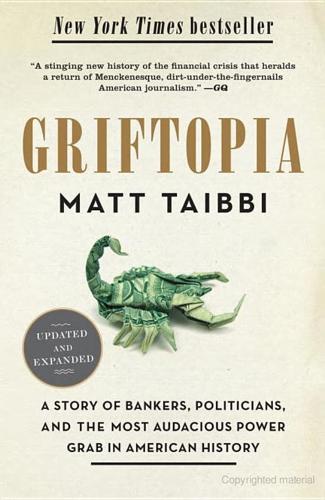
Griftopia: Bubble Machines, Vampire Squids, and the Long Con That Is Breaking America
by Matt Taibbi · 15 Feb 2010 · 291pp · 91,783 words
directly to the housing bubble; in particular, the deregulation of the derivatives market had allowed Wall Street to create a vast infrastructure for chopping up mortgage debt, disguising bad loans as AAA-rated investments, and selling the whole mess off on a secondary market as securities. Once Wall Street perfected this mechanism
…
as grade-A investments, as I’ll detail in the next chapter. The amount of new lending was mind-boggling: between 2003 and 2005, outstanding mortgage debt in America grew by $3.7 trillion, which was roughly equal to the entire value of all American real estate in the year 1990 ($3
…
$2,500 a month, you pay just $500 a month, and that $2,000 a month you’re not paying just gets added to your mortgage debt. Within a couple of years, you don’t owe $500,000 anymore; now you owe $548,000 plus deferred interest. “If you’re making the

Home: Why Public Housing Is the Answer
by Eoin Ó Broin · 5 May 2019 · 301pp · 77,626 words
on accommodation. While the picture for recent home buyers was less clear cut, the report did emphasise the risks inherent in the growing levels of mortgage debt, particularly if interest rates were to rise or wages fall. Interestingly the report highlights three main concerns regarding the housing system, which while not shared
…
. The report called Government to make better use of a number of schemes to keep people in the family home including Mortgage to Rent, split mortgages, debt write downs and downsizing.81 There had been a considerable volume of discussion at the Committee on the issue of financing social and affordable housing
The Crisis of Crowding: Quant Copycats, Ugly Models, and the New Crash Normal
by Ludwig B. Chincarini · 29 Jul 2012 · 701pp · 199,010 words
Stolen: How to Save the World From Financialisation
by Grace Blakeley · 9 Sep 2019 · 263pp · 80,594 words

Be Your Own Financial Adviser: The Comprehensive Guide to Wealth and Financial Planning
by Jonquil Lowe · 14 Jul 2010 · 433pp · 53,078 words
When Free Markets Fail: Saving the Market When It Can't Save Itself (Wiley Corporate F&A)
by Scott McCleskey · 10 Mar 2011
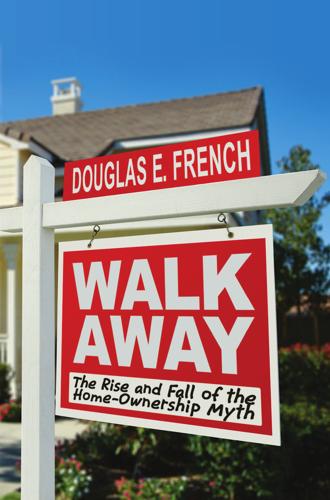
Walk Away
by Douglas E. French · 1 Mar 2011 · 93pp · 24,584 words
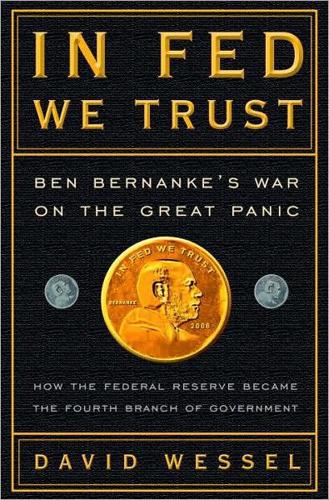
In FED We Trust: Ben Bernanke's War on the Great Panic
by David Wessel · 3 Aug 2009 · 350pp · 109,220 words
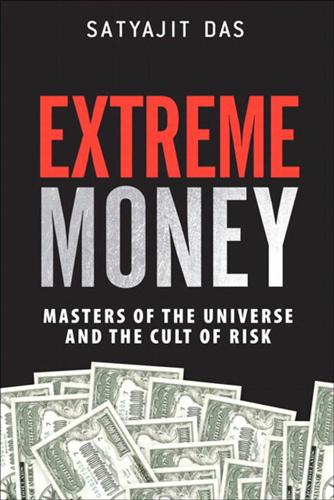
Extreme Money: Masters of the Universe and the Cult of Risk
by Satyajit Das · 14 Oct 2011 · 741pp · 179,454 words
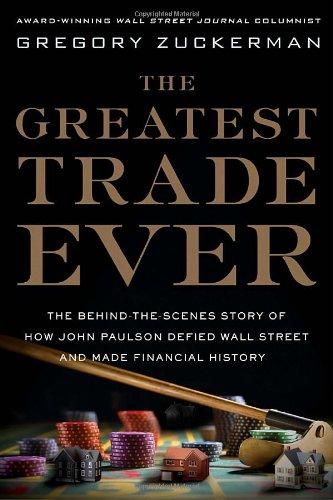
The greatest trade ever: the behind-the-scenes story of how John Paulson defied Wall Street and made financial history
by Gregory Zuckerman · 3 Nov 2009 · 342pp · 99,390 words
The Captured Economy: How the Powerful Enrich Themselves, Slow Down Growth, and Increase Inequality
by Brink Lindsey · 12 Oct 2017 · 288pp · 64,771 words
The Investopedia Guide to Wall Speak: The Terms You Need to Know to Talk Like Cramer, Think Like Soros, and Buy Like Buffett
by Jack (edited By) Guinan · 27 Jul 2009 · 353pp · 88,376 words
Security Analysis
by Benjamin Graham and David Dodd · 1 Jan 1962 · 1,042pp · 266,547 words
How the Other Half Banks: Exclusion, Exploitation, and the Threat to Democracy
by Mehrsa Baradaran · 5 Oct 2015 · 424pp · 121,425 words
Servant Economy: Where America's Elite Is Sending the Middle Class
by Jeff Faux · 16 May 2012 · 364pp · 99,613 words
King of Capital: The Remarkable Rise, Fall, and Rise Again of Steve Schwarzman and Blackstone
by David Carey · 7 Feb 2012 · 421pp · 128,094 words
Other People's Money: Masters of the Universe or Servants of the People?
by John Kay · 2 Sep 2015 · 478pp · 126,416 words
J.K. Lasser's Your Income Tax 2016: For Preparing Your 2015 Tax Return
by J. K. Lasser Institute · 19 Oct 2015
House of Cards: A Tale of Hubris and Wretched Excess on Wall Street
by William D. Cohan · 15 Nov 2009 · 620pp · 214,639 words
Underwater: How Our American Dream of Homeownership Became a Nightmare
by Ryan Dezember · 13 Jul 2020 · 279pp · 87,875 words
The Bond King: How One Man Made a Market, Built an Empire, and Lost It All
by Mary Childs · 15 Mar 2022 · 367pp · 110,161 words
Crisis Economics: A Crash Course in the Future of Finance
by Nouriel Roubini and Stephen Mihm · 10 May 2010 · 491pp · 131,769 words
The Rise and Fall of the Neoliberal Order: America and the World in the Free Market Era
by Gary Gerstle · 14 Oct 2022 · 655pp · 156,367 words
Debtor Nation: The History of America in Red Ink (Politics and Society in Modern America)
by Louis Hyman · 3 Jan 2011
The Two-Income Trap: Why Middle-Class Parents Are Going Broke
by Elizabeth Warren and Amelia Warren Tyagi · 17 Aug 2004 · 318pp · 93,502 words
Borrow: The American Way of Debt
by Louis Hyman · 24 Jan 2012 · 251pp · 76,128 words
Stigum's Money Market, 4E
by Marcia Stigum and Anthony Crescenzi · 9 Feb 2007 · 1,202pp · 424,886 words
Panderer to Power
by Frederick Sheehan · 21 Oct 2009 · 435pp · 127,403 words
The Ascent of Money: A Financial History of the World
by Niall Ferguson · 13 Nov 2007 · 471pp · 124,585 words
Money and Power: How Goldman Sachs Came to Rule the World
by William D. Cohan · 11 Apr 2011 · 1,073pp · 302,361 words
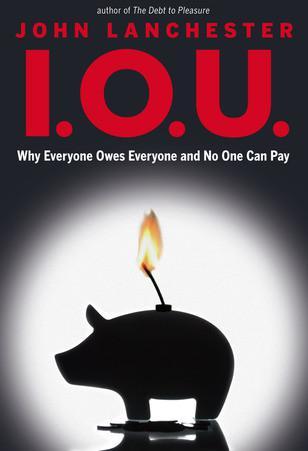
I.O.U.: Why Everyone Owes Everyone and No One Can Pay
by John Lanchester · 14 Dec 2009 · 322pp · 77,341 words
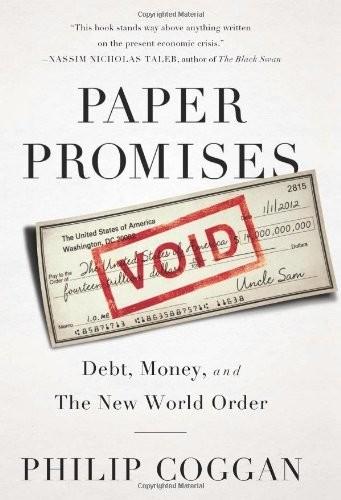
Paper Promises
by Philip Coggan · 1 Dec 2011 · 376pp · 109,092 words
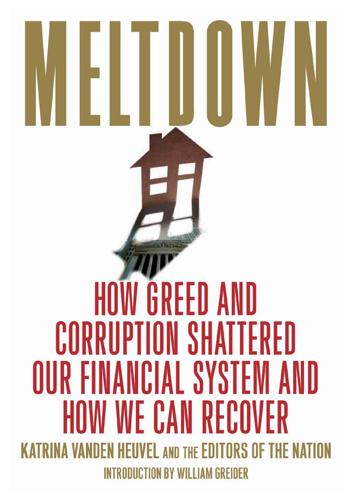
Meltdown: How Greed and Corruption Shattered Our Financial System and How We Can Recover
by Katrina Vanden Heuvel and William Greider · 9 Jan 2009 · 278pp · 82,069 words
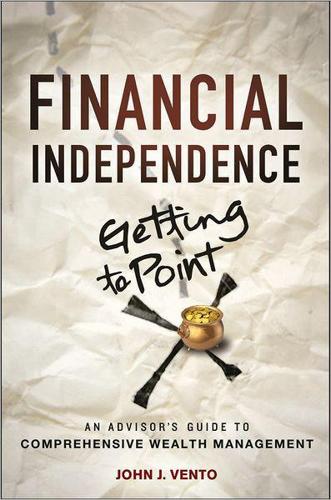
Financial Independence
by John J. Vento · 31 Mar 2013 · 368pp · 145,841 words
The Irrational Economist: Making Decisions in a Dangerous World
by Erwann Michel-Kerjan and Paul Slovic · 5 Jan 2010 · 411pp · 108,119 words
All the Devils Are Here
by Bethany McLean · 19 Oct 2010 · 543pp · 157,991 words
The End of Wall Street
by Roger Lowenstein · 15 Jan 2010 · 460pp · 122,556 words
Never Let a Serious Crisis Go to Waste: How Neoliberalism Survived the Financial Meltdown
by Philip Mirowski · 24 Jun 2013 · 662pp · 180,546 words
Shortchanged: Life and Debt in the Fringe Economy
by Howard Karger · 9 Sep 2005 · 299pp · 83,854 words
J.K. Lasser's Your Income Tax 2014
by J. K. Lasser · 5 Oct 2013 · 1,845pp · 567,850 words
Crashed: How a Decade of Financial Crises Changed the World
by Adam Tooze · 31 Jul 2018 · 1,066pp · 273,703 words

Humans Need Not Apply: A Guide to Wealth and Work in the Age of Artificial Intelligence
by Jerry Kaplan · 3 Aug 2015 · 237pp · 64,411 words
The Global Minotaur
by Yanis Varoufakis and Paul Mason · 4 Jul 2015 · 394pp · 85,734 words
A Failure of Capitalism: The Crisis of '08 and the Descent Into Depression
by Richard A. Posner · 30 Apr 2009 · 305pp · 69,216 words
The Alchemists: Three Central Bankers and a World on Fire
by Neil Irwin · 4 Apr 2013 · 597pp · 172,130 words
Bad Money: Reckless Finance, Failed Politics, and the Global Crisis of American Capitalism
by Kevin Phillips · 31 Mar 2008 · 422pp · 113,830 words
The Great Divide: Unequal Societies and What We Can Do About Them
by Joseph E. Stiglitz · 15 Mar 2015 · 409pp · 125,611 words
Retirementology: Rethinking the American Dream in a New Economy
by Gregory Brandon Salsbury · 15 Mar 2010 · 261pp · 70,584 words
Rethinking the Economics of Land and Housing
by Josh Ryan-Collins, Toby Lloyd and Laurie Macfarlane · 28 Feb 2017 · 346pp · 90,371 words
Reset: How to Restart Your Life and Get F.U. Money: The Unconventional Early Retirement Plan for Midlife Careerists Who Want to Be Happy
by David Sawyer · 17 Aug 2018 · 572pp · 94,002 words
Wealth and Poverty: A New Edition for the Twenty-First Century
by George Gilder · 30 Apr 1981 · 590pp · 153,208 words
Financial Freedom: A Proven Path to All the Money You Will Ever Need
by Grant Sabatier · 5 Feb 2019 · 621pp · 123,678 words
The Money Machine: How the City Works
by Philip Coggan · 1 Jul 2009 · 253pp · 79,214 words
How to Own the World: A Plain English Guide to Thinking Globally and Investing Wisely
by Andrew Craig · 6 Sep 2015 · 305pp · 98,072 words
Money and Government: The Past and Future of Economics
by Robert Skidelsky · 13 Nov 2018
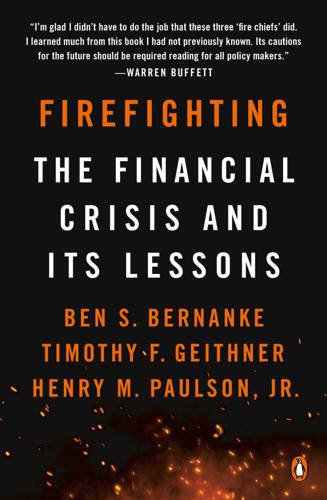
Firefighting
by Ben S. Bernanke, Timothy F. Geithner and Henry M. Paulson, Jr. · 16 Apr 2019
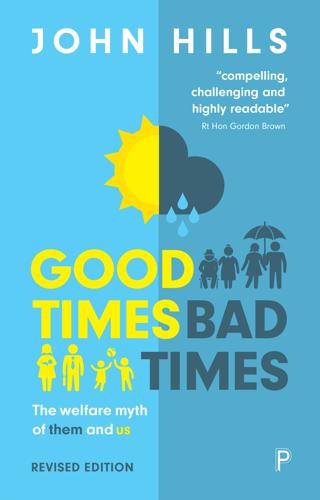
Good Times, Bad Times: The Welfare Myth of Them and Us
by John Hills · 6 Nov 2014 · 352pp · 107,280 words
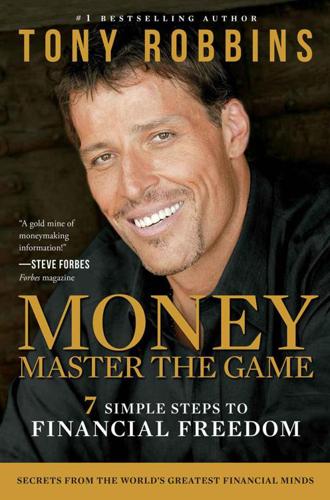
MONEY Master the Game: 7 Simple Steps to Financial Freedom
by Tony Robbins · 18 Nov 2014 · 825pp · 228,141 words
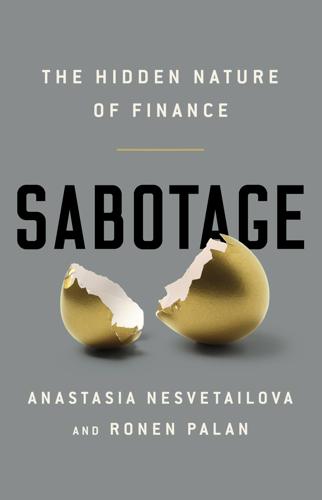
Sabotage: The Financial System's Nasty Business
by Anastasia Nesvetailova and Ronen Palan · 28 Jan 2020 · 218pp · 62,889 words
Boom and Bust: A Global History of Financial Bubbles
by William Quinn and John D. Turner · 5 Aug 2020 · 297pp · 108,353 words
The Theft of a Decade: How the Baby Boomers Stole the Millennials' Economic Future
by Joseph C. Sternberg · 13 May 2019 · 336pp · 95,773 words
The Color of Money: Black Banks and the Racial Wealth Gap
by Mehrsa Baradaran · 14 Sep 2017 · 520pp · 153,517 words
The Dollar Meltdown: Surviving the Coming Currency Crisis With Gold, Oil, and Other Unconventional Investments
by Charles Goyette · 29 Oct 2009 · 287pp · 81,970 words
End This Depression Now!
by Paul Krugman · 30 Apr 2012 · 267pp · 71,123 words
Portfolio Design: A Modern Approach to Asset Allocation
by R. Marston · 29 Mar 2011 · 363pp · 28,546 words
Makers and Takers: The Rise of Finance and the Fall of American Business
by Rana Foroohar · 16 May 2016 · 515pp · 132,295 words
The Cheapskate Next Door: The Surprising Secrets of Americans Living Happily Below Their Means
by Jeff Yeager · 8 Jun 2010 · 189pp · 64,571 words
The Rise and Fall of American Growth: The U.S. Standard of Living Since the Civil War (The Princeton Economic History of the Western World)
by Robert J. Gordon · 12 Jan 2016 · 1,104pp · 302,176 words
No Such Thing as Society
by Andy McSmith · 19 Nov 2010 · 613pp · 151,140 words
The System: Who Rigged It, How We Fix It
by Robert B. Reich · 24 Mar 2020 · 154pp · 47,880 words
Pound Foolish: Exposing the Dark Side of the Personal Finance Industry
by Helaine Olen · 27 Dec 2012 · 375pp · 105,067 words
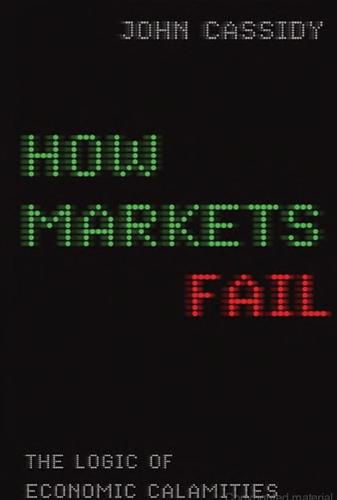
How Markets Fail: The Logic of Economic Calamities
by John Cassidy · 10 Nov 2009 · 545pp · 137,789 words
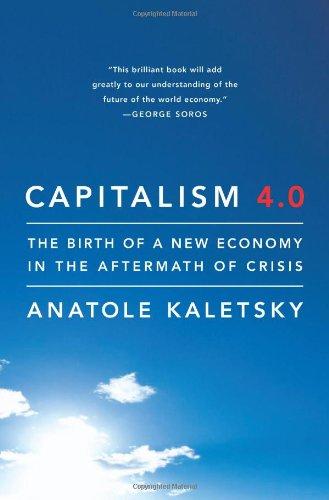
Capitalism 4.0: The Birth of a New Economy in the Aftermath of Crisis
by Anatole Kaletsky · 22 Jun 2010 · 484pp · 136,735 words
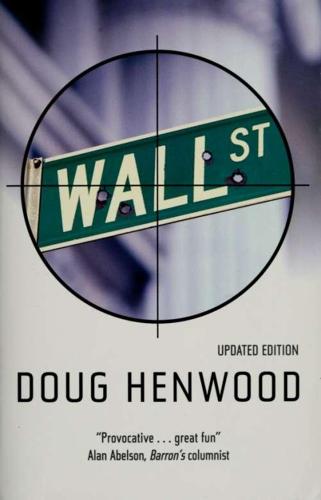
Wall Street: How It Works And for Whom
by Doug Henwood · 30 Aug 1998 · 586pp · 159,901 words
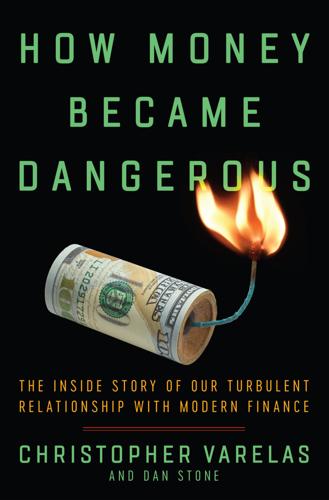
How Money Became Dangerous
by Christopher Varelas · 15 Oct 2019 · 477pp · 144,329 words
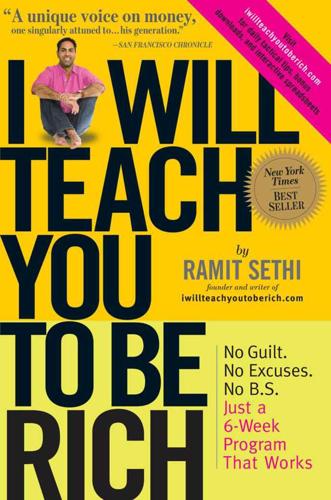
I Will Teach You To Be Rich
by Sethi, Ramit · 22 Mar 2009 · 357pp · 91,331 words
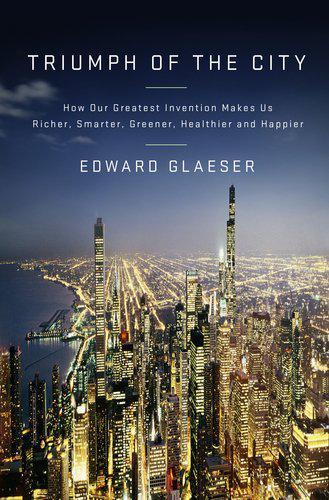
Triumph of the City: How Our Greatest Invention Makes Us Richer, Smarter, Greener, Healthier, and Happier
by Edward L. Glaeser · 1 Jan 2011 · 598pp · 140,612 words
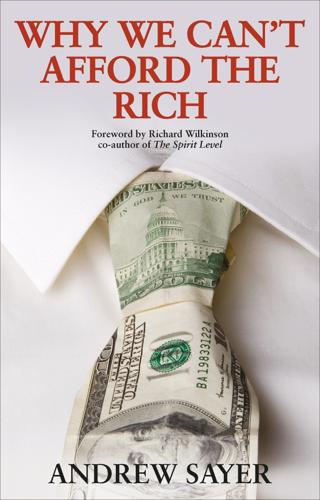
Why We Can't Afford the Rich
by Andrew Sayer · 6 Nov 2014 · 504pp · 143,303 words
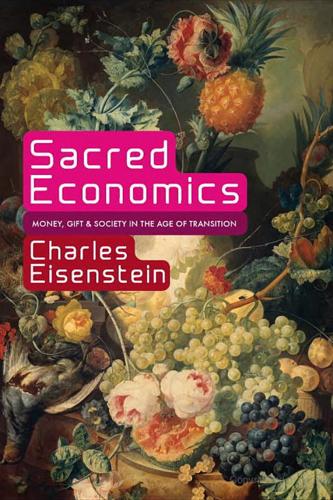
Sacred Economics: Money, Gift, and Society in the Age of Transition
by Charles Eisenstein · 11 Jul 2011 · 448pp · 142,946 words
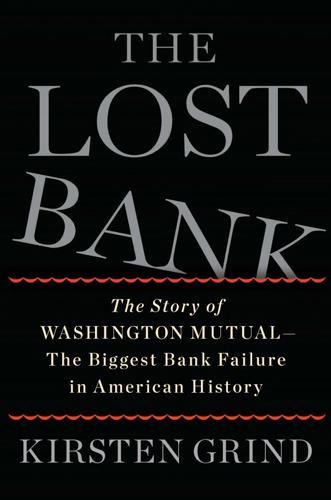
The Lost Bank: The Story of Washington Mutual-The Biggest Bank Failure in American History
by Kirsten Grind · 11 Jun 2012 · 549pp · 147,112 words
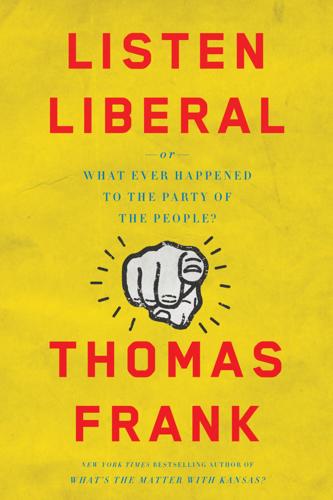
Listen, Liberal: Or, What Ever Happened to the Party of the People?
by Thomas Frank · 15 Mar 2016 · 316pp · 87,486 words
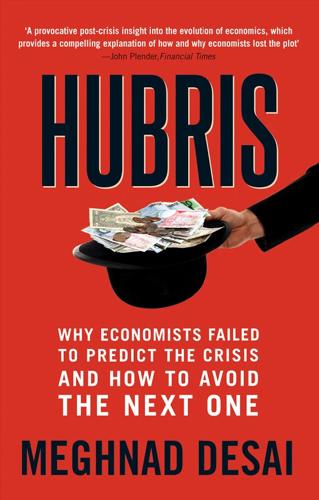
Hubris: Why Economists Failed to Predict the Crisis and How to Avoid the Next One
by Meghnad Desai · 15 Feb 2015 · 270pp · 73,485 words
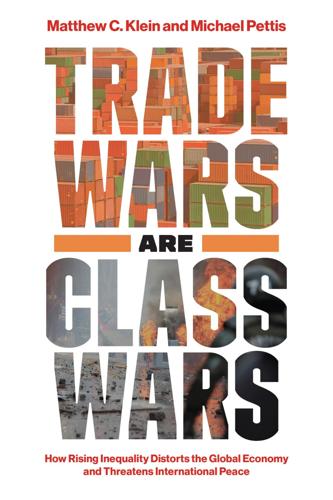
Trade Wars Are Class Wars: How Rising Inequality Distorts the Global Economy and Threatens International Peace
by Matthew C. Klein · 18 May 2020 · 339pp · 95,270 words
The Corruption of Capitalism: Why Rentiers Thrive and Work Does Not Pay
by Guy Standing · 13 Jul 2016 · 443pp · 98,113 words
Stocks for the Long Run 5/E: the Definitive Guide to Financial Market Returns & Long-Term Investment Strategies
by Jeremy Siegel · 7 Jan 2014 · 517pp · 139,477 words
The Half Has Never Been Told: Slavery and the Making of American Capitalism
by Edward E. Baptist · 24 Oct 2016
When the Money Runs Out: The End of Western Affluence
by Stephen D. King · 17 Jun 2013 · 324pp · 90,253 words
What Would the Great Economists Do?: How Twelve Brilliant Minds Would Solve Today's Biggest Problems
by Linda Yueh · 4 Jun 2018 · 453pp · 117,893 words

The Minimalist Home: A Room-By-Room Guide to a Decluttered, Refocused Life
by Joshua Becker · 18 Dec 2018 · 238pp · 67,971 words
740 Park: The Story of the World's Richest Apartment Building
by Michael Gross · 18 Dec 2007 · 601pp · 193,225 words
Just Keep Buying: Proven Ways to Save Money and Build Your Wealth
by Nick Maggiulli · 15 May 2022 · 287pp · 62,824 words
Born in Flames
by Bench Ansfield · 15 Aug 2025 · 366pp · 138,787 words
The Tyranny of Nostalgia: Half a Century of British Economic Decline
by Russell Jones · 15 Jan 2023 · 463pp · 140,499 words
Investment: A History
by Norton Reamer and Jesse Downing · 19 Feb 2016
The City
by Tony Norfield · 352pp · 98,561 words
J.K. Lasser's New Tax Law Simplified: Tax Relief From the HIRE Act, Health Care Reform, and More
by Barbara Weltman · 30 Nov 2010

The Meat Racket: The Secret Takeover of America's Food Business
by Christopher Leonard · 18 Feb 2014 · 444pp · 128,701 words
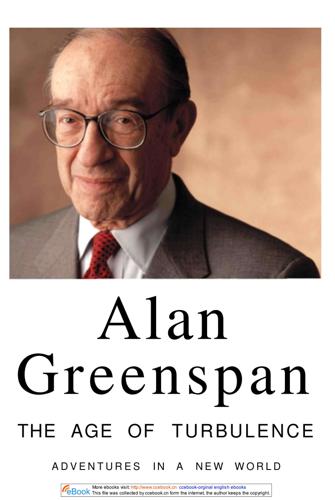
The Age of Turbulence: Adventures in a New World (Hardback) - Common
by Alan Greenspan · 14 Jun 2007
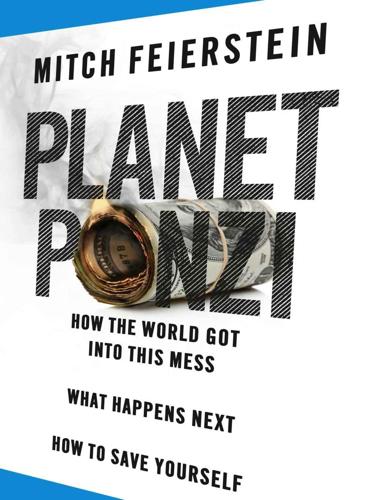
Planet Ponzi
by Mitch Feierstein · 2 Feb 2012 · 393pp · 115,263 words
Smart Money: How High-Stakes Financial Innovation Is Reshaping Our WorldÑFor the Better
by Andrew Palmer · 13 Apr 2015 · 280pp · 79,029 words
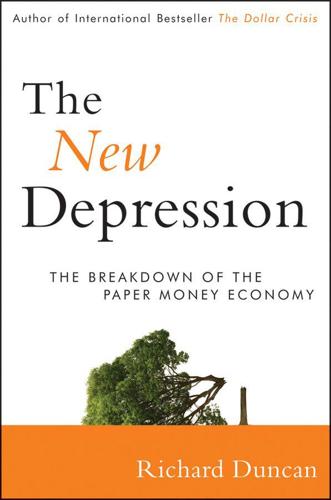
The New Depression: The Breakdown of the Paper Money Economy
by Richard Duncan · 2 Apr 2012 · 248pp · 57,419 words
A Colossal Failure of Common Sense: The Inside Story of the Collapse of Lehman Brothers
by Lawrence G. Mcdonald and Patrick Robinson · 21 Jul 2009 · 430pp · 140,405 words
Fool's Gold: How the Bold Dream of a Small Tribe at J.P. Morgan Was Corrupted by Wall Street Greed and Unleashed a Catastrophe
by Gillian Tett · 11 May 2009 · 311pp · 99,699 words
The Bankers' New Clothes: What's Wrong With Banking and What to Do About It
by Anat Admati and Martin Hellwig · 15 Feb 2013 · 726pp · 172,988 words
Stress Test: Reflections on Financial Crises
by Timothy F. Geithner · 11 May 2014 · 593pp · 189,857 words
Unreal Estate: Money, Ambition, and the Lust for Land in Los Angeles
by Michael Gross · 1 Nov 2011 · 613pp · 200,826 words
The Global Money Markets
by Frank J. Fabozzi, Steven V. Mann and Moorad Choudhry · 14 Jul 2002
House of Debt: How They (And You) Caused the Great Recession, and How We Can Prevent It From Happening Again
by Atif Mian and Amir Sufi · 11 May 2014 · 249pp · 66,383 words
Finance and the Good Society
by Robert J. Shiller · 1 Jan 2012 · 288pp · 16,556 words
European Spring: Why Our Economies and Politics Are in a Mess - and How to Put Them Right
by Philippe Legrain · 22 Apr 2014 · 497pp · 150,205 words
The Age of Stagnation: Why Perpetual Growth Is Unattainable and the Global Economy Is in Peril
by Satyajit Das · 9 Feb 2016 · 327pp · 90,542 words
The Great American Stickup: How Reagan Republicans and Clinton Democrats Enriched Wall Street While Mugging Main Street
by Robert Scheer · 14 Apr 2010 · 257pp · 64,763 words
The Fix: How Bankers Lied, Cheated and Colluded to Rig the World's Most Important Number (Bloomberg)
by Liam Vaughan and Gavin Finch · 22 Nov 2016
The Default Line: The Inside Story of People, Banks and Entire Nations on the Edge
by Faisal Islam · 28 Aug 2013 · 475pp · 155,554 words
Americana: A 400-Year History of American Capitalism
by Bhu Srinivasan · 25 Sep 2017 · 801pp · 209,348 words

5 Day Weekend: Freedom to Make Your Life and Work Rich With Purpose
by Nik Halik and Garrett B. Gunderson · 5 Mar 2018 · 290pp · 72,046 words
Black Edge: Inside Information, Dirty Money, and the Quest to Bring Down the Most Wanted Man on Wall Street
by Sheelah Kolhatkar · 7 Feb 2017 · 385pp · 118,901 words
Animal Spirits: How Human Psychology Drives the Economy, and Why It Matters for Global Capitalism
by George A. Akerlof and Robert J. Shiller · 1 Jan 2009 · 471pp · 97,152 words

EcoVillage at Ithaca Pioneering a Sustainable Culture (2005)
by Liz Walker · 20 May 2005
The Vanishing Middle Class: Prejudice and Power in a Dual Economy
by Peter Temin · 17 Mar 2017 · 273pp · 87,159 words

The Man Who Knew: The Life and Times of Alan Greenspan
by Sebastian Mallaby · 10 Oct 2016 · 1,242pp · 317,903 words
Work Optional: Retire Early the Non-Penny-Pinching Way
by Tanja Hester · 12 Feb 2019 · 231pp · 76,283 words
Big Debt Crises
by Ray Dalio · 9 Sep 2018 · 782pp · 187,875 words
The Great Economists: How Their Ideas Can Help Us Today
by Linda Yueh · 15 Mar 2018 · 374pp · 113,126 words
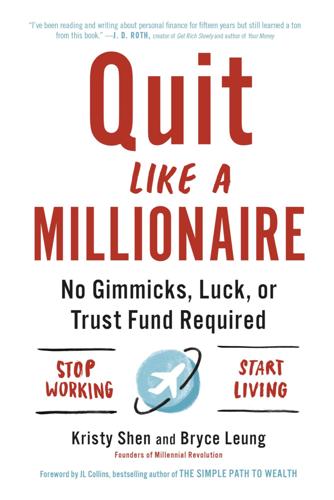
Quit Like a Millionaire: No Gimmicks, Luck, or Trust Fund Required
by Kristy Shen and Bryce Leung · 8 Jul 2019 · 389pp · 81,596 words
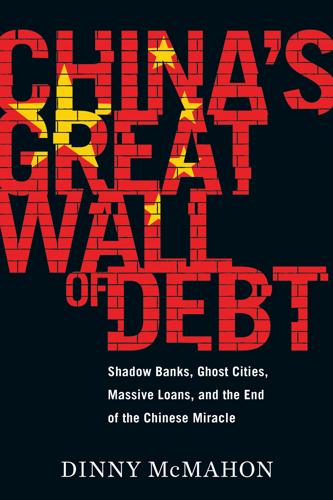
China's Great Wall of Debt: Shadow Banks, Ghost Cities, Massive Loans, and the End of the Chinese Miracle
by Dinny McMahon · 13 Mar 2018 · 290pp · 84,375 words
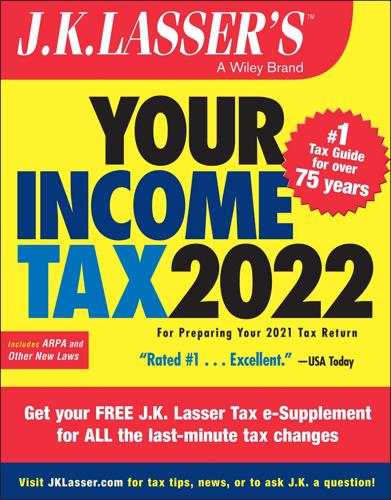
J.K. Lasser's Your Income Tax 2022: For Preparing Your 2021 Tax Return
by J. K. Lasser Institute · 21 Dec 2021
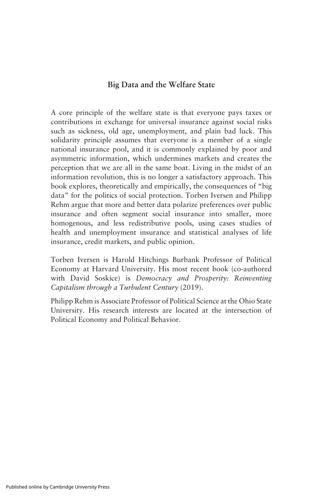
Big Data and the Welfare State: How the Information Revolution Threatens Social Solidarity
by Torben Iversen and Philipp Rehm · 18 May 2022
A Generation of Sociopaths: How the Baby Boomers Betrayed America
by Bruce Cannon Gibney · 7 Mar 2017 · 526pp · 160,601 words
Fixed: Why Personal Finance is Broken and How to Make it Work for Everyone
by John Y. Campbell and Tarun Ramadorai · 25 Jul 2025
Austerity: The History of a Dangerous Idea
by Mark Blyth · 24 Apr 2013 · 576pp · 105,655 words
Modernising Money: Why Our Monetary System Is Broken and How It Can Be Fixed
by Andrew Jackson (economist) and Ben Dyson (economist) · 15 Nov 2012 · 363pp · 107,817 words
Retire Before Mom and Dad
by Rob Berger · 10 Aug 2019 · 239pp · 60,065 words
The End of Growth: Adapting to Our New Economic Reality
by Richard Heinberg · 1 Jun 2011 · 372pp · 107,587 words
Aftershock: The Next Economy and America's Future
by Robert B. Reich · 21 Sep 2010 · 147pp · 45,890 words
The American Way of Poverty: How the Other Half Still Lives
by Sasha Abramsky · 15 Mar 2013 · 406pp · 113,841 words
Broken Markets: A User's Guide to the Post-Finance Economy
by Kevin Mellyn · 18 Jun 2012 · 183pp · 17,571 words
Efficiently Inefficient: How Smart Money Invests and Market Prices Are Determined
by Lasse Heje Pedersen · 12 Apr 2015 · 504pp · 139,137 words
The Making of Global Capitalism
by Leo Panitch and Sam Gindin · 8 Oct 2012 · 823pp · 206,070 words

Profiting Without Producing: How Finance Exploits Us All
by Costas Lapavitsas · 14 Aug 2013 · 554pp · 158,687 words
The New Economics: A Bigger Picture
by David Boyle and Andrew Simms · 14 Jun 2009 · 207pp · 86,639 words
Empire of Things: How We Became a World of Consumers, From the Fifteenth Century to the Twenty-First
by Frank Trentmann · 1 Dec 2015 · 1,213pp · 376,284 words
Better, Stronger, Faster: The Myth of American Decline . . . And the Rise of a New Economy
by Daniel Gross · 7 May 2012 · 391pp · 97,018 words
Rebel Cities: From the Right to the City to the Urban Revolution
by David Harvey · 3 Apr 2012 · 206pp · 9,776 words
Slowdown: The End of the Great Acceleration―and Why It’s Good for the Planet, the Economy, and Our Lives
by Danny Dorling and Kirsten McClure · 18 May 2020 · 459pp · 138,689 words
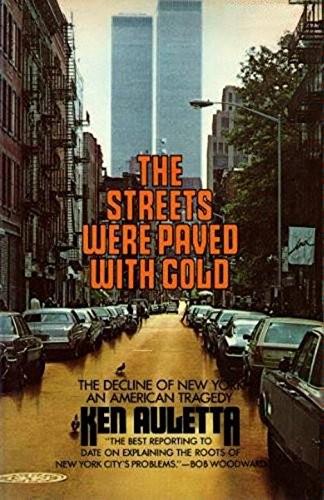
The Streets Were Paved With Gold
by Ken Auletta · 14 Jul 1980 · 407pp · 135,242 words
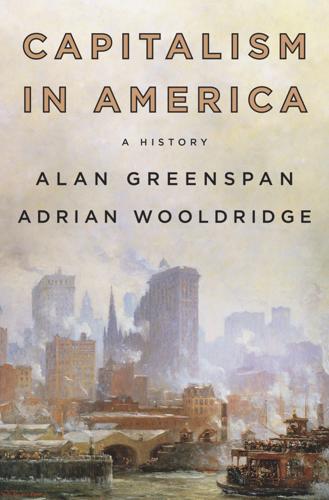
Capitalism in America: A History
by Adrian Wooldridge and Alan Greenspan · 15 Oct 2018 · 585pp · 151,239 words
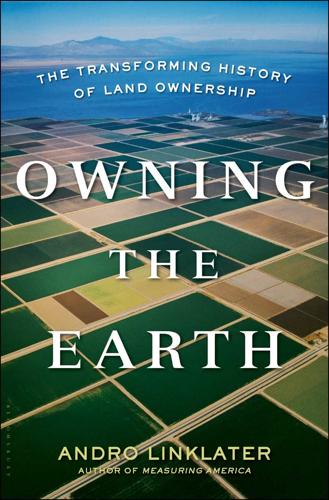
Owning the Earth: The Transforming History of Land Ownership
by Andro Linklater · 12 Nov 2013 · 603pp · 182,826 words

Planning Your Perfect Home Renovation: Save Time and Money With This Essential Guide to Fuss-Free Home Improvements
by Alex May · 8 Jan 2005 · 208pp
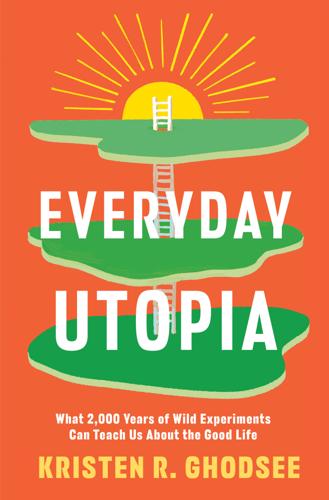
Everyday Utopia: What 2,000 Years of Wild Experiments Can Teach Us About the Good Life
by Kristen R. Ghodsee · 16 May 2023 · 302pp · 112,390 words
Limitless: The Federal Reserve Takes on a New Age of Crisis
by Jeanna Smialek · 27 Feb 2023 · 601pp · 135,202 words

Homeland: The War on Terror in American Life
by Richard Beck · 2 Sep 2024 · 715pp · 212,449 words

The Price of Time: The Real Story of Interest
by Edward Chancellor · 15 Aug 2022 · 829pp · 187,394 words
Rentier Capitalism: Who Owns the Economy, and Who Pays for It?
by Brett Christophers · 17 Nov 2020 · 614pp · 168,545 words
The Enigma of Capital: And the Crises of Capitalism
by David Harvey · 1 Jan 2010 · 369pp · 94,588 words
The Shifts and the Shocks: What We've Learned--And Have Still to Learn--From the Financial Crisis
by Martin Wolf · 24 Nov 2015 · 524pp · 143,993 words
Two Nations, Indivisible: A History of Inequality in America: A History of Inequality in America
by Jamie Bronstein · 29 Oct 2016 · 332pp · 89,668 words
Misbehaving: The Making of Behavioral Economics
by Richard H. Thaler · 10 May 2015 · 500pp · 145,005 words
Power at Ground Zero: Politics, Money, and the Remaking of Lower Manhattan
by Lynne B. Sagalyn · 8 Sep 2016 · 1,797pp · 390,698 words
The Social Life of Money
by Nigel Dodd · 14 May 2014 · 700pp · 201,953 words

The Blockchain Alternative: Rethinking Macroeconomic Policy and Economic Theory
by Kariappa Bheemaiah · 26 Feb 2017 · 492pp · 118,882 words
The Meritocracy Myth
by Stephen J. McNamee · 17 Jul 2013 · 440pp · 108,137 words
Money Moments: Simple Steps to Financial Well-Being
by Jason Butler · 22 Nov 2017 · 139pp · 33,246 words
MegaThreats: Ten Dangerous Trends That Imperil Our Future, and How to Survive Them
by Nouriel Roubini · 17 Oct 2022 · 328pp · 96,678 words
The Lords of Easy Money: How the Federal Reserve Broke the American Economy
by Christopher Leonard · 11 Jan 2022 · 416pp · 124,469 words
Seven Crashes: The Economic Crises That Shaped Globalization
by Harold James · 15 Jan 2023 · 469pp · 137,880 words

Them And Us: Politics, Greed And Inequality - Why We Need A Fair Society
by Will Hutton · 30 Sep 2010 · 543pp · 147,357 words

Meet the Frugalwoods: Achieving Financial Independence Through Simple Living
by Elizabeth Willard Thames · 6 Mar 2018 · 179pp · 59,704 words
The Long Good Buy: Analysing Cycles in Markets
by Peter Oppenheimer · 3 May 2020 · 333pp · 76,990 words
When McKinsey Comes to Town: The Hidden Influence of the World's Most Powerful Consulting Firm
by Walt Bogdanich and Michael Forsythe · 3 Oct 2022 · 689pp · 134,457 words
Palace Coup: The Billionaire Brawl Over the Bankrupt Caesars Gaming Empire
by Sujeet Indap and Max Frumes · 16 Mar 2021 · 362pp · 116,497 words
The Clash of the Cultures
by John C. Bogle · 30 Jun 2012 · 339pp · 109,331 words

The Dream of Europe: Travels in the Twenty-First Century
by Geert Mak · 27 Oct 2021 · 722pp · 223,701 words
Postcapitalism: A Guide to Our Future
by Paul Mason · 29 Jul 2015 · 378pp · 110,518 words
The Deficit Myth: Modern Monetary Theory and the Birth of the People's Economy
by Stephanie Kelton · 8 Jun 2020 · 338pp · 104,684 words
Heartland: A Memoir of Working Hard and Being Broke in the Richest Country on Earth
by Sarah Smarsh · 17 Sep 2018 · 279pp · 90,278 words
Slouching Towards Utopia: An Economic History of the Twentieth Century
by J. Bradford Delong · 6 Apr 2020 · 593pp · 183,240 words
The Dying Citizen: How Progressive Elites, Tribalism, and Globalization Are Destroying the Idea of America
by Victor Davis Hanson · 15 Nov 2021 · 458pp · 132,912 words

The Map That Changed the World
by Simon Winchester · 1 Jan 2001 · 361pp · 105,938 words
The Oil Factor: Protect Yourself-and Profit-from the Coming Energy Crisis
by Stephen Leeb and Donna Leeb · 12 Feb 2004 · 222pp · 70,559 words
Paper Money Collapse: The Folly of Elastic Money and the Coming Monetary Breakdown
by Detlev S. Schlichter · 21 Sep 2011 · 310pp · 90,817 words
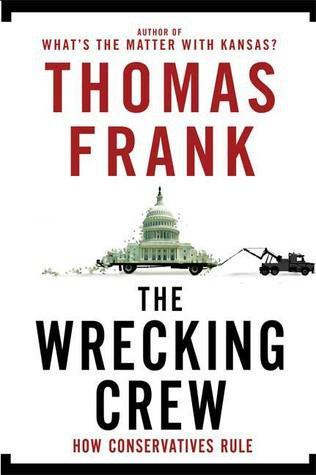
The Wrecking Crew: How Conservatives Rule
by Thomas Frank · 5 Aug 2008 · 482pp · 122,497 words
The Predators' Ball: The Inside Story of Drexel Burnham and the Rise of the JunkBond Raiders
by Connie Bruck · 1 Jun 1989 · 507pp · 145,878 words
Competition Overdose: How Free Market Mythology Transformed Us From Citizen Kings to Market Servants
by Maurice E. Stucke and Ariel Ezrachi · 14 May 2020 · 511pp · 132,682 words
Inequality and the 1%
by Danny Dorling · 6 Oct 2014 · 317pp · 71,776 words
Money: The Unauthorized Biography
by Felix Martin · 5 Jun 2013 · 357pp · 110,017 words

Utopia or Bust: A Guide to the Present Crisis
by Benjamin Kunkel · 11 Mar 2014 · 142pp · 45,733 words
The Four Pillars of Investing: Lessons for Building a Winning Portfolio
by William J. Bernstein · 26 Apr 2002 · 407pp · 114,478 words

The Euro: How a Common Currency Threatens the Future of Europe
by Joseph E. Stiglitz and Alex Hyde-White · 24 Oct 2016 · 515pp · 142,354 words
The Economics of Belonging: A Radical Plan to Win Back the Left Behind and Achieve Prosperity for All
by Martin Sandbu · 15 Jun 2020 · 322pp · 84,580 words
Why Liberalism Failed
by Patrick J. Deneen · 9 Jan 2018 · 215pp · 61,435 words
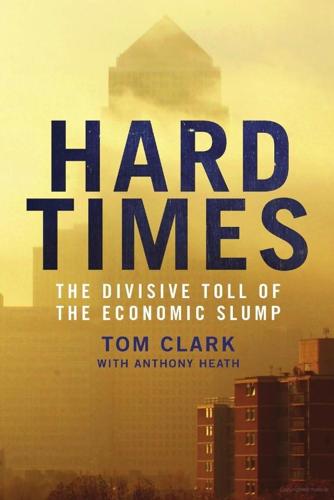
Hard Times: The Divisive Toll of the Economic Slump
by Tom Clark and Anthony Heath · 23 Jun 2014 · 401pp · 112,784 words
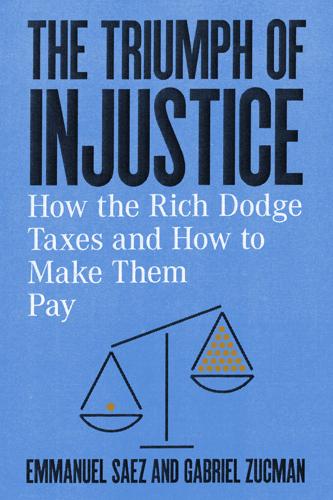
The Triumph of Injustice: How the Rich Dodge Taxes and How to Make Them Pay
by Emmanuel Saez and Gabriel Zucman · 14 Oct 2019 · 232pp · 70,361 words

Bill Marriott: Success Is Never Final--His Life and the Decisions That Built a Hotel Empire
by Dale van Atta · 14 Aug 2019 · 520pp · 164,834 words
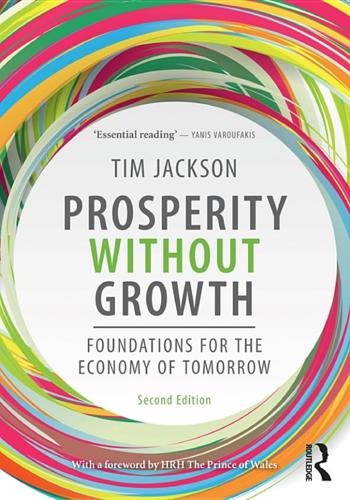
Prosperity Without Growth: Foundations for the Economy of Tomorrow
by Tim Jackson · 8 Dec 2016 · 573pp · 115,489 words
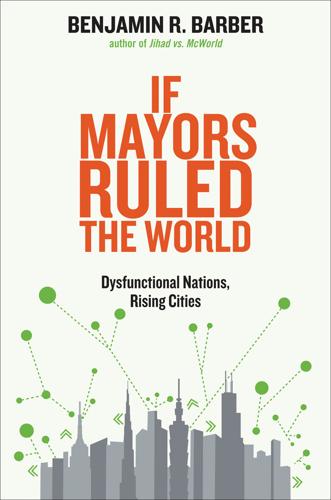
If Mayors Ruled the World: Dysfunctional Nations, Rising Cities
by Benjamin R. Barber · 5 Nov 2013 · 501pp · 145,943 words
Keynes Hayek: The Clash That Defined Modern Economics
by Nicholas Wapshott · 10 Oct 2011 · 494pp · 132,975 words
The Only Game in Town: Central Banks, Instability, and Avoiding the Next Collapse
by Mohamed A. El-Erian · 26 Jan 2016 · 318pp · 77,223 words

Before the Storm: Barry Goldwater and the Unmaking of the American Consensus
by Rick Perlstein · 17 Mar 2009 · 1,037pp · 294,916 words
Democracy at Work: A Cure for Capitalism
by Richard D. Wolff · 1 Oct 2012 · 165pp · 48,594 words
Strong Towns: A Bottom-Up Revolution to Rebuild American Prosperity
by Charles L. Marohn, Jr. · 24 Sep 2019 · 242pp · 71,943 words
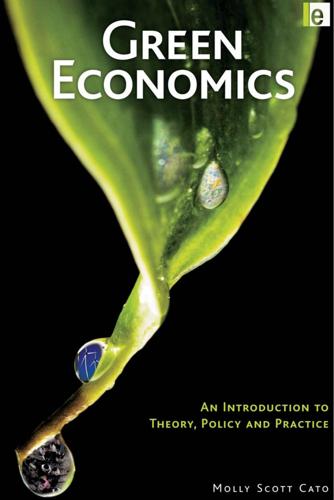
Green Economics: An Introduction to Theory, Policy and Practice
by Molly Scott Cato · 16 Dec 2008
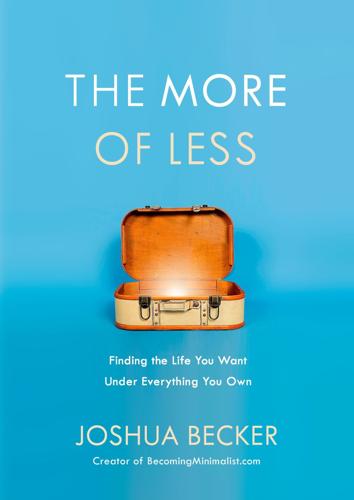
The More of Less: Finding the Life You Want Under Everything You Own
by Joshua Becker · 2 May 2016 · 219pp · 59,600 words
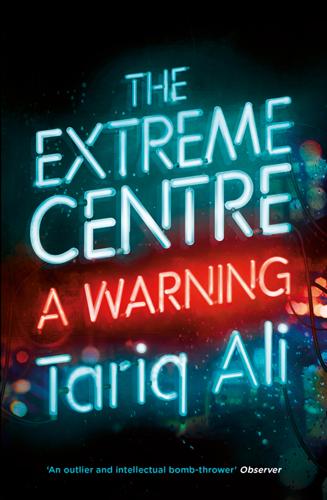
The Extreme Centre: A Warning
by Tariq Ali · 22 Jan 2015 · 160pp · 46,449 words
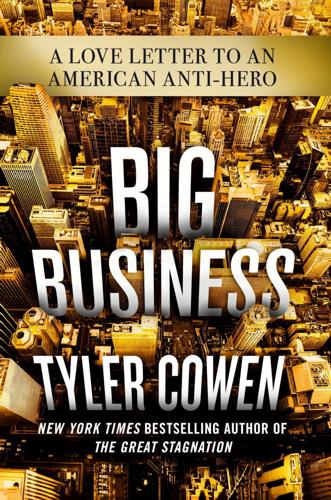
Big Business: A Love Letter to an American Anti-Hero
by Tyler Cowen · 8 Apr 2019 · 297pp · 84,009 words
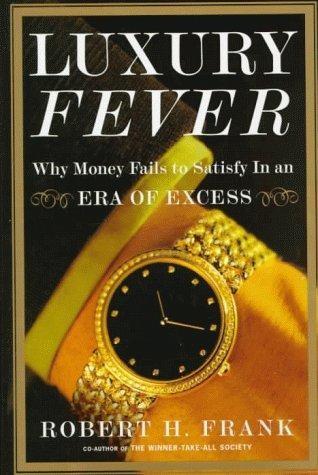
Luxury Fever: Why Money Fails to Satisfy in an Era of Excess
by Robert H. Frank · 15 Jan 1999 · 416pp · 112,159 words
The Growth Delusion: Wealth, Poverty, and the Well-Being of Nations
by David Pilling · 30 Jan 2018 · 264pp · 76,643 words
The Panama Papers: Breaking the Story of How the Rich and Powerful Hide Their Money
by Frederik Obermaier · 17 Jun 2016 · 372pp · 109,536 words
Capital in the Twenty-First Century
by Thomas Piketty · 10 Mar 2014 · 935pp · 267,358 words

Ghost Road: Beyond the Driverless Car
by Anthony M. Townsend · 15 Jun 2020 · 362pp · 97,288 words
Billion Dollar Loser: The Epic Rise and Spectacular Fall of Adam Neumann and WeWork
by Reeves Wiedeman · 19 Oct 2020 · 303pp · 100,516 words
The Lost Decade: 2010–2020, and What Lies Ahead for Britain
by Polly Toynbee and David Walker · 3 Mar 2020 · 279pp · 90,888 words

The Locavore's Dilemma
by Pierre Desrochers and Hiroko Shimizu · 29 May 2012 · 329pp · 85,471 words
Global Crisis: War, Climate Change and Catastrophe in the Seventeenth Century
by Geoffrey Parker · 29 Apr 2013 · 1,773pp · 486,685 words
Selfie: How We Became So Self-Obsessed and What It's Doing to Us
by Will Storr · 14 Jun 2017 · 431pp · 129,071 words
Investing Amid Low Expected Returns: Making the Most When Markets Offer the Least
by Antti Ilmanen · 24 Feb 2022
After Nations: The Making and Unmaking of a World Order
by Rana Dasgupta · 27 Apr 2026 · 686pp · 188,424 words
Less Is More: How Degrowth Will Save the World
by Jason Hickel · 12 Aug 2020 · 286pp · 87,168 words
The Power Law: Venture Capital and the Making of the New Future
by Sebastian Mallaby · 1 Feb 2022 · 935pp · 197,338 words

The Future Is Asian
by Parag Khanna · 5 Feb 2019 · 496pp · 131,938 words