software factory

back to index

description: software development process applying manufacturing techniques and principles to to mimic the benefits of traditional manufacturing

20 results

pages: 429 words: 114,726

The Computer Boys Take Over: Computers, Programmers, and the Politics of Technical Expertise
by Nathan L. Ensmenger
Published 31 Jul 2010

In a period when the computer manufacturers combined could only provide twenty-five hundred student weeks of instruction annually, SDC devoted more than ten thousand student weeks to instructing its own personnel to program.31 The engineers who founded SDC explicitly rejected what they called the “nostalgic” notion, common in the industry at that time, that programmers were “different,” and “could not work and would not prosper” under the rigid structures of engineering management.32 They organized SDC along the lines of a “software factory” that relied less on skilled workers, and more on centralized planning and control. The principles behind this approach were essentially those that had proven so successful in traditional industrial manufacturing: replaceable parts, simple and repetitive tasks, and a strict division of labor. The assumption was that a complex computer program like the SAGE control system could be neatly broken down into simple, modular components that could be easily understood by any programmer with the appropriate training and experience. Programmers in the software factory were mere machine operators; they had to be trained, but only in the basic mechanisms of implementing someone else’s design.

The entire SDC development strategy had been constructed around the notion that complex software systems could be readily broken down into simpler modules that even relatively novice programmers—properly managed—could adequately develop. The SDC software factory was a deliberate attempt to industrialize the programming process, to impose on it the lessons learned from traditional industrial manufacturing. Like all industrial systems, the software factory required not only new organizational forms and production technologies (in this case, automated development and testing utilities) but also new forms of workers. As with the replacement of skilled machinists with unskilled machine operators in the automobile factories of the early twentieth century, these new software workers would require less experience and training than their predecessors, but the availability of large numbers of them was essential.

The cost of software development relative to hardware purchases did continue to climb, and the labor cost of programming did become a serious burden to many manufacturers and users. It is also true that some managers were interested, as Kraft and Greenbaum maintain, in creating software factories where deskilled programmers cranked out mass-produced products that required little thought or creativity.31 The SDC referred to its in-house programming methodology as the software factory. One guidebook from 1969 for managers captured the essence of this adversarial approach to programmer management by describing the successful computer manager as the “one whose grasp of the job is reflected in simple work units that are in the hand[s] of simple programmers; not one who, with control lost, is held in contempt by clever programmers dangerously maintaining control on his behalf.”32 An uncritical reading of this and other similar management perspectives on the process of software development, with their confident claims about the value and efficacy of various performance metrics, development methodologies, and programming languages, might suggest that Kraft and Greenbaum are correct in their assessments.

pages: 318 words: 78,451

Kanban: Successful Evolutionary Change for Your Technology Business
by David J. Anderson
Published 6 Apr 2010

These analysis tools can prevent programmers from making elementary mistakes, such as introducing well-understood problems like security flaws. More exotic modern development tools such as Software Product Lines (or Software Factories) and Domain Specific Languages reduce defects. Software Factories can be used to encapsulate design patterns as code fragments, thereby reducing the defect-insertion potential from entering code. They also can be used to automate away repetitive coding tasks; again, reducing the defect-insertion potential of entering code. The use of software factories also reduces the demands on code inspections, as factory code doesn’t need to be re-inspected. It has a known quality.

It has a known quality. Some of these latter suggestions really fall into the category of reducing variability in the process. The use of software factories and perhaps even design patterns is asking developers to change their behavior. The big bang for the buck comes from using professional testers; writing tests first, automating regression testing, and code inspections. And one more thing… Reducing the quantity of design-in-progress boosts software quality. Reduce Work-in-Progress and Deliver Often In 2004 I was working with two teams at Motorola. Both teams were developing network server-side code for cell phone applications.

Without slack there is no tactical agility in the business. Goal 6 Simplify Prioritization Once a team is capable of focusing on quality, limiting WIP, delivering often, and balancing demand against throughput, they will have a reliable, trustworthy, software development capability: an engine for making software! A “software factory” if you will. Once this capability is in place, it would behoove the business to make optimal use out of it. To do this requires a prioritization method that maximizes business value and minimizes risk and cost. Ideally, a prioritization scheme that optimizes the performance of the business (or technology department) is most desirable.

From Airline Reservations to Sonic the Hedgehog: A History of the Software Industry
by Martin Campbell-Kelly
Published 15 Jan 2003

Richard Heeks, India’s Software Industry (Sage, 1996). 14. Yasunori Baba, Shinji Takai, and Yuji Mizuta, “The User-Driven Evolution of the Japanese Software Industry: The Case of Customized Software for Mainframes,” in The International Computer Software Industry, ed. Mowery; Michael A. Cusumano, Japan’s Software Factories: A Challenge to US Management (Oxford University Press, 1991). 15. Hoch et al., Secrets of Software Success, pp. 269–270. 16. Ibid., pp. 38, 276. 17. A better measure still would be the industry’s value added to the economy. That is the total receipts of the industry minus its expenditures on products and services consumed. 18.

See, e.g., Howard Marks, “It’s Time to Disband Software’s Secret Police,” Data Communications, September 21, 1992: 27–28. 25. US Department of Commerce, A Competitive Assessment of the United States Software Industry, p. 36. 26. Richard Brandt et al., “Can the US Stay Ahead in Software?” Business Week, March 11, 1991: 62–67. Data attributed to IDC. Notes to pp. 22–26 315 27. Cusumano, Japan’s Software Factories, p. 49. 28. Peter C. Grindley, “The Future of the Software Industry in the United Kingdom: The Limits of Independent Production,” in The International Computer Software Industry, ed. Mowery. 29. Richard L. Forman, Fulfilling the Computer’s Promise: The History of Informatics 1962–1982 (Informatics General, 1985); Claude Baum, The System Builders: The Story of SDC (SDC, 1981). 30.

Baum, The System Builders, p. 42. 318 Notes to pp. 39–46 33. Ibid., p. 51. 34. John F. Jacobs, The SAGE Air Defense System: A Personal History (MITRE, 1981), p. 108. 35. As quoted in Baum, The System Builders, p. 31. 36. For an account of SDC’s factory style of software production, see Cusumano, Japan’s Software Factories, pp. 119–160. 37. Baum, The System Builders, p. 47. 38. Ibid., p. 51. 39. Herbert D. Benington, “Production of Large Computer Programs,” Annals of the History of Computing 5 (1983): 350–361, esp. p. 351. 40. As quoted in James L. McKenney, Waves of Change: Business Evolution through Information Technology (Harvard Business School Press, 1995), p. 97. 41.

pages: 292 words: 62,575

97 Things Every Programmer Should Know
by Kevlin Henney
Published 5 Feb 2010

I've seen more humble programmers who stick to very simple code, but who write elegant and expressive programs that are a joy to work with. Based on my years of experience in the software factory, I've concluded that the real difference between adequate programmers and great programmers is this: attitude. Good programming lies in taking a professional approach, and wanting to write the best software you can, within the real-world constraints and pressures of the software factory. The code to hell is paved with good intentions. To be an excellent programmer, you have to rise above good intentions, and actually care about the code—foster positive perspectives and develop healthy attitudes.

pages: 333 words: 64,581

Clean Agile: Back to Basics
by Robert C. Martin
Published 13 Oct 2019

After all, I still think, as I thought 20 years ago, “What could be easier? Just follow a few simple disciplines and practices. Nothing to it.” 7. Craftsmanship By Sandro Mancuso, April 27, 2019 Excitement. That’s what many developers felt when they first heard about Agile. For most of us, developers coming from the software factories and Waterfall mentality, Agile was the hope for emancipation. It was the hope that we would work in a collaborative environment and that our opinions would be listened to and respected. We would have better working processes and practices. We would be working in small iterations and short feedback loops.

But being just another group of seasoned developers, this group was prone to flights of fancy that might not play well in the real world of corporate software development. Maybe it all works as designed in the world of highend consultants with the authority to make demands and hold organizations and management to their commitments, but most of us are grunts, cogs in the machinery of software factories. We are replaceable, and we have very little leverage. So when it comes to things like The Bill of Rights, we understand that this is an ideal, but one that is not realized for the majority of us. With the social media communities of today, I am heartened to see many new developers extending themselves beyond the boundaries of a CS degree and 9-to-5 development job, connecting with other developers around the world, learning in any number of different ways, and putting their own knowledge and experiences out there to teach and inspire other fledgling developers.

pages: 525 words: 142,027

CIOs at Work
by Ed Yourdon
Published 19 Jul 2011

Strassmann: He doesn’t want to be a big boss, because that is not where the fun is and where the money is. They pay him extremely well. Yourdon: But as you say, those are all examples of the elite. Strassmann: It’s the elite. And by the way, that’s what the Chinese are going into. You see, the big problem we have is when you look at the Silicon Valley software factories, half of them are not Americans. The class I’m going to be teaching, half of my class will not be Americans. Yourdon: I think that’s only a problem if we make them so miserable that they want to go back or we make it so difficult to get in that they can’t get in. I think it’s wonderful if we attract them in and they stay here.

Index A AdKnow ledge, Inc., 87 Agile development methodology, 62 Amazon, 314, 319 America COMPETES Act, 304 American Airlines, 47, 72 American Defense Department, 84 American Marketing Society, 113 American Production Inventory Control Society, 211 Ames, 320 AMR Corp, 47 Android, 43 Annapolis, 340 Apple, 97, 101, 217, 242, 295 Computer, 35 Genius Bar, 8 Archipelago Holdings Inc., 87 Arizona Public Service (APS) Company, 66, 211, 223 Arizona State University, 227 ARPANET, 19, 117, 135 Art of Computer Programming, 2 Atlanta-based Southern Company, 191 AT&T, 191, 249 B Ballmer, Steve, 39 Bank of Boston, 47 Baylor-Grapevine Board of Trustees, 47 Bedrock foundation, 249 Bell Atlantic Mobile, 231 Bell Labs, 2, 249 BlackBerry, 60, 96, 116, 121, 171, 184, 246, 261, 296, 317 Blalock, Becky, 182, 191, 215 adaptability, 192 Air Force brat, 191, 192 Atlanta-based Southern Company, 191 banking industry, 203 Boucher, Marie, 196 brainstorm, 202 24/7 business, 199 business intelligence, 204 cloud computing, 205 cognitive surplus, 206 cognitive time, 206 Coker, Dave, 196 communication and education, 200 Community and Economic Development, 194 consumer market, 202 cybersecurity, 207, 209 data analytics, 204, 205 disaster recovery, 209 distributed generation, 204 distribution organization, 201 Egypt revolution, 198 farming technology, 206 finance backgrounds/marketing, 200, 209 Franklin, Alan, 193 Georgia Power, 191 Georgia Power Management Council, 193 global society, 206 Google, 198 incredible technology, 195 Industrial Age, 206 Information Age, 206 InformationWeek's, 196 infrastructure, 202 intellectual property, 196 intelligence and redundancy, 207 Internet, 198, 206 leapfrog innovations, 205 mainframe system, 207 marketing and customer service, 193, 200 MBA, finance, 192 microfiche, 207 microwave tower, 207 mobile devices, 203 mobility and business analytics, 205 Moore's Law, 205 new generation digital natives, 197 flexible and adaptable, 199 innovation and creativity, 199 superficial fashion, 198 Olympic sponsor, 193 out pushing technology, 202 reinforcement, 201 sense of integrity, 200 Southern Company, 194, 198, 201, 207 teamwork survey, 201 technology lab, 202 undergraduate degree, marketing, 192 virtualization, 205 VRU, 203 Ward, Eileen, 196 wire business, 201 world-class customer service, 203 Bohlen, Ken, 211 American Production Inventory Control Society, 211 Apple, 217 APS, 211, 223 ASU, 227 benchmarking company, 216 chief innovation officer, 229 Citrix, 217 cloud computing, 218, 219 cognitive surplus, 220 DECnet, 212 Department of Defense, 222 distributed computing, 217 energy industry, 214 gizmo/whiz-bang show, 216 GoodLink, 217 hard-line manufacturing, 218 home computing, 219 home entertainment, 219 Honeywell, 219 HR generalists, 215 information technology department, 211 Intel machines, 217 John Deere, 213 just say yes program, 223 Lean Six Sigma improvement process, 211 Linux, 220 MBA program, 214 mentors, 213 national alerts, 224 North American universities, 228 paradigm shifts, 218, 220 PDP minicomputers, 212 Peopleware, 226 prefigurative culture, 221 R&D companies, 218 Rhode Island, 226 role models, 213 San Diego Fire Department, 224 security/privacy issues, 217 skip levels, 223 smart home concepts, 219 smartphone, 217 social media, 225 Stead, Jerry, 214 Stevie Award, 211 Storefront engineering, 212 traditional management, 219, 226 Twitter, 224 vocabulary, 221 Waterloo operations, 213 Web 2.0 companies, 227 Web infrastructure, 215 wikipedia, 220 Y2K, 222 Botnets, 23 Brian's and Rob Pike's, 2 Bristol-Myers Squibb, 33 Broadband networks, 241 Brown, 227 Bryant, 227 BT Global Services, 253 BT Innovate & Design (BTI&D), 253 Bumblebee tuna, 130 C Career writing technology, 67 CASE tools, 232 Cash, Jim, 50 Christensen, Clyde, 212 Chrome, 14, 18 Chrysler Corporation, 175 Citibank, 337 Citicorp, 313 Citrix, 217 Client-server-type applications, 59 Cloud computing, 218, 219, 239, 240, 261, 262, 310, 311, 313 Cloud technology, 62 CNN, 54 COBOL, 250 Cognitive surplus, 20, 79, 206, 291 College of Engineering, University of Miami, 113 Columbia University, 1 Community and Economic Development, 194 Computer Sciences Corporation, 35 Computerworld magazine, 196 Consumer-oriented technology, 22 Content management system, 133 Corporate information management (CIM) program, 309 Corporate Management Information Systems, 87 Corvus disk drive, 36 Customer Advisory Boards of Oracle, 191 Customer-relationship management (CRM), 56 Cutter Business Technology Council, 173 D Dallas Children's Medical Center Development Board, 48 DARPA, 19 DDoS attacks and security, 81 DECnet, 212 Dell Platinum Council, 113 DeMarco, Tom, 16, 226 Department of Defense, 222, 329, 332 Detroit Energy, 252 Digital books, 30 Digital Equipment, 48 Distributed computing, 217 Dodge, 189 Dogfooding, 11, 37, 38, 236 DTE Energy, 173 DuPont Dow Elastomers, 151 E Educational Testing Service (ETS), 151 E-government, 282, 285 Electrical distribution grid, 182 Elementary and Secondary Education Strategic Business Unit, 151 Elements of Programming Style, 2 Ellyn, Lynne, 173 advanced technology software planning, 175 Amazon, 184 artificial intelligence group, 175 Association for Women in Computing, 173 benchmark, 180, 181 BlackBerries, 184 Burns, Ursula, 175 Chrysler, 176 Cisco, 186 cloud computing, 183, 184 component-based architecture, 186 corporate communications customer service, 185 Crain's Detroit Business, 173 cyber security threats, 177 degree of competence, 187 diversity and sophistication, 182 DTE Energy, 173 energy trading, 176 engineering and science programs, 188 enterprise business systems policy, 186 executive MBA program, 176 Facebook, 185 fresh-out-of-the-university, 187 General Electric, 174 Google, 184 Grace Hopper, 174 grid re-automation, 182 Henry Ford Hospital, 174 internal social media, 185 International Coaching Federation, 178 iPads, 184 IP electrical grids, 182 iPod applications, 182 IT budgets, 186 IT responsibilities, 176 Java, 186 level of sophistication, 179 lobbying efforts, 181 medical computing, 175 Miller, Joan, 174 Mulcahey, Anne, 175 Netscape, 175 neuroscience leadership, 189 object-oriented programming, 186 Oracle, 186 peer-level people, 179 people system, 177 policies and strategies, 180 Radio Shack, 180 remote access capacity, 189 security tool and patch, 183 sense of community, 180 Shipley, Jim, 174 smart grid, 177, 182 smart meters, 182 smart phone applications, 183 swarming, 179 technical competence, 178, 179 Thomas, Marlo, 174 Twitter, 185 UNITE, 181 vendor community, 186 virtualization, 183, 184 Xerox, 175 E-mail, 9 Employee-relationship management (ERM), 56 Encyclopedia, 115 Encyclopedia Britannica, 292 ERP, 123 F Facebook, 244 Ellyn, Lynne, 185 Sridhara, Mittu, 73, 84 Temares, Lewis, 116, 121, 131 Wakeman, Dan, 169 Federal information technology investments, 299 Flex, 236 Ford, 102 Ford, Monte, 47 agile computing, 59 agile development, 62, 66 airplanes, 51 American Airlines, 47 Arizona Public Services, 66 Bank of Boston, 47 Baylor-Grapevine Board of Trustees, 47 BlackBerry, 60 board of Chubb, 51 board of Tandy, 51 business organizations, 63 business school, dean, 50 career writing technology, 67 client-server-type applications, 59 cloud technology, 62 CNN, 54 common-sense functionality, 49 consumer-based technology, 60 CRM, 56 Dallas Children's Medical Center Development Board, 48 Digital Equipment, 48 ERM, 56 financial expert, 69 frequent-flier program, 57 frontal lobotomy, 57 Harvard Business Review, 50 HR policies, 65 IBM, 48 information technology, 47, 52 Internet, 54 Internet-based protocol, 59 iPhone, 52 IT stuff, 58 Knight Ridder, 51 legacy apps, 59 mainframe-like applications, 59 management training program, 64 marketing and technical jobs, 48 Maynard, Massachusetts mill, 48 MBA program, 50 mentors, 49 Microsoft, 50 mobile computing, 62 New York Times, 53 operations center, 54 PDP-5, 49 PDP-6, 49 Radio Shack, 51 revenue management, 57 role models, 49 security paradigms, 62 self-service machine, 57 Silicon Valley companies, 68 smartphones, 54 social networking, 51, 53, 56, 58 stateful applications, 59 techie department, 48 The Associates First Capital Corporation, 47 transmission and distribution companies, 47 wireless network, 59 YouTube, 65 Fort Worth, 226 Free software foundation, 19 Fried, Benjamin, 1, 241 agile development, 25 agile methodologies, 26 Apple Genius Bar, 8 ARPANET, 19 Art of Computer Programming, 2 Bell Labs, 2 books and records, accuracy, 25 botnets, 23 Brian's and Rob Pike's, 2 cash-like principles, 29 CFO, 4 check writers, 18 chrome, 14, 18 classic computer science text, 1 cognitive surplus, 20 Columbia University, 1 compensation management, 7 competitive advantage, 9, 18 computer science degree, 1 computer scientists, 6 consumer-driven computing, 12 consumer-driven software-as-a-service offerings, 12 consumer-driven technology, 12 consumer-oriented technology, 14, 22 corporate leadership, 25 cost centers, 4 DARPA, 19 decision makers, 17 decision making, 13 360-degree performance management, 7 detroit energy, 30 digital books, 30 document workbench, 2 dogfooding, 11 e-books, 29 Elements of Programming Style, 2 e-mail, 9 end-user support, 7 engineering executive group, 4 European vendors, 6 file servers and print servers, 17 Folger Library editions, 30 free software foundation, 19 German company, 13 German engineering, 13 Gmail, 15 Godot, 26 Google, 1 books, 29 products, 5, 10 software engineers, 6 hiring managers, 6 HR processes and technologies, 6 IBM model, 13 instant messaging, 9 Internet age, 6 interviewers, training, 6 iPad, 29 iPhone, 29 IPO, 3 IT, engineering and computer science parts, 4 Knuth's books, 2 Linux machine, 8 Linux software, 19 machine running Windows, 8 Macintosh, 8 Mac OS, 9 macro factors, 11 Managing Director, 1 mentors, 1 microcomputers, 18 Microsoft, 5 Minds for Sale, 20 Morgan Stanley, 1–3, 5, 16 nonacademic UNIX license, 2 nontechnical skills, 5 oil exploration office, 17 open-source phone operating system, 20 outlook, 15 PARC, 19 performance review cycles, 7 personal computer equipment, 15 post-Sarbanes-Oxley world, 25 project manager, 13 quants, 24 rapid-release cycle, 26 R&D cycle, 24 regression testing, 27 role models, 1 shrink-wrapped software, 14 signature-based anti-virus, 22 smartphone, 20, 27 social contract, 8 society trails technology, 21 software engineering tool, 13 software installation, 14 supply chain and inventory and asset management, 10 SVP, 4 telephony, 17 ten things, 13 TMRC, 19 TROFF, 2 typesetter workbench, 2 UI designer, 14 university computing center, 28 videoconferencing, 12 Visicalc, 24 Wall Street, 23 Walmart, 6 waterfall approach, 25 XYZ widget company, 5 YouTube video, 20 G Gates, Bill, 39, 50 General Electric, 134 General Foods, 309, 326–328 General Motors, 33, 321, 329, 332 George Mason School of Information Technology, 309 Georgia Power Company, 191–193, 196 Georgia Power Management Council, 193 German company, 13 German engineering, 13 German manufacturing company, 232 Gizmo/whiz-bang show, 216 Gmail, 15 GoodLink, 217 Google, 1, 84, 85, 117, 217, 219, 220, 222, 235, 241, 263, 302, 319 apps, 314 books, 29 commercial products, 10 model, 293 Government Accountability Office (GAO), 305 4G program, 250 4G smartphone, 235 GTE, 231 Gupta, Ashish aspiration, organization, 256 bandwidth and network infrastructure, 267 BlackBerry, 261 business and customer outcomes, 274 capital investment forums, 269 career progression, 255 cloud-based shared infrastructure model, 263 cloud computing, 261, 262 collaboration, 272 communications infrastructure, 258 compute-utility-based model, 262 control and integrity, 268 core competency, 255 core network infrastructure, 267 core strengths, 256 cost per unit of bandwidth, 267 customer demands, 268 data protection, 261, 262 decision-making bodies, 269 demographics, 272, 273 device convergence, 263 dogfooding, 259 employee flexibility, 260, 264 engagement and governance, 269 enterprise market segment, 261 equipment management, 260 executive MBA, 256 fourth-generation LTE networks, 267 functional service departments, 270 Global Services, distributed organization, 257 Google, 263, 275 Google Apps, 266 handheld devices, 265 hastily formed networks, 258 IMF, 266 innovation and application development, 265 iPad, 257, 260, 261, 266,267 iPhone, 266 Japan, 257, 258 London Business School, 253 management functions, 257 management sales functions, 257 market segments, 259 MBA, General Management, 253 measurements, 271 messaging with voice capability, 264 mini-microcomputer model, 261 mobile communications network, 258 mobile-enabling voice, 259 mobile phone network, 260 mobile traffic explosion, 265 network infrastructures, 265 network IT services, 254 network quality, 257 new generation digital natives, 271 disadvantages, 273 Google, 273 opportunities, 273 Olympics, 263 opportunities, 275 organizational construct, 272 outsourced network IT services, 259 outsourcing, 271 per-use-based model, 262 portfolio and business alignment, 274 Portfolio & Service Design (P&SD), 253 primary marketing thrust, 264 product development thrust, 264 product management team, 259 project and program management, 255 resource balance, 270 scalability, 262 security, 262 Selley, Clive, 254, 255 service delivery organization, 254 single-device model, 264 smart devices, 267 smart phones, 266 telecommunications capability, 259 upward-based apps, 264 virtualization, 261 voice-over-IP connections, 258 Windows platform, 261 Gurnani, Roger, 231 accounting/finance department, 233 analog cellular networks, 250 AT&T, 249 bedrock foundation, 249 Bell Atlantic Mobile, 231 Bell Labs, 249 blogs, 244 broadband networks, 241 business benefits, 237 business device, 240 business executives, 238 business leaders, 248, 249 business relationship management, 248 buzzword, 239 CASE tools, 232 cloud computing, 239, 240 COBOL, 250 consumer and business products, 231 consumer electronics devices, 241 consumer telecom business, 233 customer-engagement channel, 244 customer forums, 244 customer support operations, 251 customer-touching channels, 236 degree of control, 246 distribution channel, 250 dogfooding, 236 ecosystem, 243, 249 enterprise business, 233 ERP systems, 236 face-to-face communications, 244 FiOS product, 235 flex, 236 "follow the sun" model, 239 German manufacturing company, 232 4G program, 250 4G smartphone, 235 hardware/software vendors, 247 information assets, 245 information technology strategy, 231 intellectual property rights, 244 Internet, 235, 239 iPhone, 243 Ivan, 232 Lowell, 232 LTE technology-based smartphone, 235 marketing, 251 MIT, 246 mobile technology, 234 Moore's law, 242 MP3 file, 235 network-based services, 240 Nynex Mobile, 233 P&L responsibility, 251 PDA, 238 personal computing, 235 product development, 234, 251 role models, 232 sales channels, 251 smartphones, 238 state-level regulatory issues, 251 state-of-the-art networks, 243 telecom career, 232 telephone company, Phoenix, 234 Verizon Communication, 231, 232 virtual corporations, 241 Web 2.0, 244 Williams Companies, 232, 233 WillTell, 233 wireless business, 233 H Hackers, 19 Harmon, Jay, 213 Harvard Business Review, 50 Harvard Business School, 331 Heller, Martha, 171 Henry Ford Hospital, 174 Hewlett-Packard piece, 129 Home computing, 219 Honda, 102 Honeywell, 219 Houghton Mifflin, 134, 136 I IBM, 48, 250 manpower, 311 model, 13 Indian IT outsourcing company, 255 Information technology, 52 Intel machines, 217 International Coaching Federation, 178 Internet, 9, 44, 54, 117, 235, 239, 316, 322 Internet-based protocol, 59 Interoperability, 341 iPads, 2, 94, 97, 184, 257, 260, 264, 267, 288, 289, 295, 296 IP electrical grids, 182 iPhones, 43, 52, 96, 101, 170, 181, 260, 264,296 iPod, 101 IT lifecycle management process, 37 Ivan, 232 J John Deere, 213 K Kansas, 226 Kernigan, Brian, 2 Knight Ridder, 51 Knuth, Donald, 2, 29 Kraft Foods Inc, 309 Krist, Nicholas, 28 Kundra, Vivek Clever Commute, 305 cognitive surplus, 303 command and control systems, 301 consumerization, 302 consumption-based model, 300 cyber-warfare, 301 Darwinian pressure, 302 desktop core configuration, 306 digital-borne content, 301 digital oil, 300, 307 digital public square, 304 enterprise software, 303 entrepreneurial startup model, 306 frugal engineering, 306 Google, 302 government business, 302 innovator's dilemma, 307 iPad, 302 IT dashboard, 302 leapfrog technology, 306 massive consumerization, 301 megatrends, 301 parameter security, 302 Patent Office, 305 pharmaceutical industry, 304 phishing attacks, 301 policy and strategic planning, 299 security and privacy, 301 server utilization, 300 social media and technology, 300, 306 storage utilization, 300 Trademark Office, 305 Wikipedia, 303 L LAN, 259 Lean Six Sigma improvement process, 211 Levy, Steven (Hackers), 19 Linux, 220 machine, 8 open-source software, 19 Lister, Tim, 226 London Business School, 73, 253, 256 Long-term evolution (LTE), 235 Lowell, 232 M MacArthur's intelligence officer, 327 Macintosh, 8 Mainframe computers, 118 Mainframe-like applications, 59 Marriott's Great America, 35 McDade, 327 McGraw-Hill Education, 133, 147, 150 Mead, Margaret, 221 Mendel, 311 Microcomputers, 18 Microsoft Corporation, 5, 11, 33, 36, 38, 41, 44, 46, 50, 156, 217, 223, 236, 250, 293 Microsoft Higher Education Advisory Group, 113 Microsoft's operational enterprise risk management, 33 Middlesex University, 189 Miller, Joan Apple products, 295 authority and accuracy, 292 award-winning ICT programs and services, 277 back locked-down information, 289 big-scale text issues, 294 big-time computing, 279 BlackBerry, 296 business management training, 281 business skills, 281 central government, 283 cognitive surplus, 291 community care project, 278 community development programs, 277, 278 computers, constituency office, 294 confidential information, 284 data management, 281 decision making, 286 democratic process, 288 economics degree, 278 e-government, 282, 285 electronic communication, 289 electronic-enabled public voice, 286 electronic information, 288 electronic media, 286 electronic records, 280, 284 electronic services, 294 e-mail, 289, 290, 295 forgiving technology, 296 front-office service, 282, 283 Google, 292 Google's cloud service, 290 Government 2, 287 Health and Social Care, 284 House business, 294 House of Lords, 288 ICT strategy, 289, 290 information management, 278 insurance company, 278 Internet information, 285 iPad, 288, 289, 296 IT data management, 279 management principle, 280 local government, 283 mainframe environment, 289 member-led activity, 287 messages, 289 Microsoft, 293 Microsoft's cloud service, 290 mobile electronic information, 284 mobile technology, 289 national organization, 284 network perimeters, 290 official government information, 285 on-the-job training, 281 organizational planning, 278 Parliamentary ICT, 277 project management, 279 public sector, 282 public transportation, 285 quango-type organizations, 283 representational democracy, 286 security, 290, 291 social care organization, 279 social care services, Essex, 278 social care systems, 284 social networking, 285 sovereignty, 291 sustainability and growth, 293 technical language, 294 technology skills, 281 transactional services, 285 transferability, 291 Web-based services, 285 Wikipedia, 291, 292 X-factor, 286 Minds for Sale, 20 Mitchell & Co, 333 MIT Media Labs, 149 Mobile computing, 62 Mobile technology, 234 Mooney, Mark, 133 artificial intelligence, 134 back-office legacy, 136 balancing standpoint, 145 BBC, 140 Bermuda Triangle, 135 BlackBerry shop, 142 Bureau of National Standards, 136 business model, 140 career spectrum, 144 cloud computing, 148 competitive intelligence and knowledge, 143 Connect, 141 customer-facing and product development, 135 customer-facing product space, 137 customer space and product development, 136 digital products development, 144 digital space and product, 146 educational and reference content, 139 educational products, 141 entrepreneur, 150 General Electric, 134 GradeGuru, 140 handheld devices, 142 hard-core technical standpoint, 146 hardware servers, 142 Houghton Mifflin, 134, 136 HTML, 138 industrial-strength product, 141 intellectual content, 148 Internet, 148 iPad, 138, 139, 142 iPhone, 142, 143 iTunes, 138 Klein, Joel, 147 learning management systems, 137 long-term production system, 141 Marine Corps, 134 McGraw-Hill Education, 133, 147 media development, 144 media space, 138, 142 mobile computing, 139 MOUSE, 150 online technology, 138 open-source capabilities, 142 Oracle quota-management system, 143 people's roles and responsibilities, 137 Phoenix, 149 product development, 149 publishing companies, 142 publishing systems, 137 Reed Elsevier, 133, 136 Salesforce.com, 144, 149 scalability testing, 145 senior business leaders, 146 social network, 148 soft discipline guidelines, 141 solar energy, 149 Strassmann, Paul, 135 technical skill set, 143, 144 testing systems integration, 145 The Shallows, 139 transactional systems, 142 trust and integrity, 145 TTS, QuickPro, and ACL, 144 Vivendi Universal, 134 War and Peace today, 139 Moore's law, 242 Morgan Stanley, 2, 3, 16 N NASA, 309, 333, 334 National Institute of Standards and Technology (NIST), 173 Naval Postgraduate School, 134 Netscape, 175 New Brunswick model, 282 News Corp., 147 New York Stock Exchange (NYSE), 87, 116, 223, 278 New York Times, 53 North American universities, 228 NSA/CIA software, 134 Nynex Mobile, 233 O Oil exploration office, 17 Open-source phone operating system, 20 Outlook, 15 P Pacer Software, 135 Paradigm shifts, 218, 220 Parks and Recreation Department, 126 PDP minicomputers, 212 Peopleware, 226 Personal computing, 235 Personal digital assistant (PDA), 238 Petri dish, 44 Phoenix, 211 Plauger, Bill, 2 Q Quants, 24 R Radio Shack, 51 Reed Elsevier, 133, 136 Reed, John, 335 Rubinow, Steve, 87 AdKnowledge, Inc., 87 agile development, 110 Agile Manifesto, 110 Archipelago Holdings Inc., 87 attributes, 108 capital market community, 91 cash/actual trading business, 88 channel marketing departments, 92 cloud computing, 97 CNBC, 89 collaborative technology, 95 collective intelligence, 95 communication skills, 102, 106 conference organizations, 99 consumer marketplace, 94 data center, 90 decision making, 105, 108 economy standpoint, 100 e-mail, 100 Fidelity Investments, 105 financial services, 92 IEEE, 101 innovative impression, 94 Internet, 98 iPad, 97 iPod device, 91 labor laws, 110 listening skills, 106 logical progression, 104 Mac, 96 mainframe, 104 management and leadership, 104, 105 market data system, 89 micro-second response time, 89 mobile applications, 94 multidisciplinary approach, 103 multimedia, 97 multi-national projects, 110 multiprocessing options, 99 network operating system, 103 NYSE Euronext, 87 open outside system, 88 parallel programming models, 99 personal satisfaction, 109 PR function, 106 proclaimed workaholic, 109 real estate business, 88 regulatory and security standpoint, 96 Rolodex, 94 Rubin, Howard, 99 server department, 97 software development, 89 sophisticated technology, 101 technology business, 88 technology integration, 91 trading engines, 90 typewriter ribbon, 94 virtualization, 98 Windows 7, 96 younger generation video games, 93 visual interfaces, 93 Rumsfeld, Donald, 222 S San Diego Fire Department, 224 Santa Clara University, 36 SAS programs, 131 Scott, Tony, 10, 33, 236 Android, 43 Apple Computer, 35 architectural flaw, 44 BASIC and Pascal, 35 Bristol-Myers Squibb, 33 Bunch, Rick (role model), 34 business groups, 42 COO, 39 Corporate Vice President, 33 Corvus disk drive, 36 CSC, 35 Defense department, 45 dogfooding, 37, 38 games and arcades, 35 General Motors, 33 IBM's role, 37 information systems management, 36 integrity factor, 40 Internet, 44 iPhone, 43 IT lifecycle management process, 37 leadership capability, 40 leisure studies, 34 macro-architectural threats, 44 Marriott's Great America, 35 math models, 36 Microsoft Corporation, 33, 36, 38, 41, 44, 46 Microsoft's operational enterprise risk management, 33 parks and recreation, 34 Petri dish, 44 playground leader, 42 product groups, 42 quality and business excellence team, 33 Santa Clara University, 36 Senior Vice President, 33 smartphone, 43 social computing, 38 Sun Microsystems, 36 theme park industry, 35 University of Illinois, 34 University of San Francisco, 36 value-added business, 33 Walt Disney Company, 33 Senior Leadership Technology and Product Marketing, 71 Shakespeare, 30 Shirky, Clay, 220 Sierra Ventures, 191 Silicon Valley companies, 68 Silicon Valley software factories, 323 Skype, 118 Smart Grid Advisory Committee, 177 Smartphones, 20, 27, 43, 54, 217, 238 Social care computer electronic record system, 279 Social computing, 38, 320 Social networking, 51, 53, 56, 58 Society trails technology, 21 SPSS programs, 131 Sridhara, Mittu, 71 Amazon, 76 American Airlines, 72 back-end computation and presentation, 80 banking, 77 B2B and B2C, 85 business/product departments, 82 business work context, 74 buzzword, 77 career aspiration, 73 career spans, 73 coders, 72 cognitive surplus, 79 competitive differentiation, 74 computing power, 78 contribution and energy, 85 convergence, 75 CPU cycles, 78 cross-channel digital business, 71 cultural and geographic implementation, 72 customer experience, 84, 85 customer profile, 76 data visualization, 79, 80 DDoS protection, 81 economies of scale, 77 elements of technology, 72 encryption, 82 end customer, 83 entertainment, 75 ERP system, 72 Facebook, 84 finance and accounting, 73 foster innovation and open culture, 81 friends/mentors/role models, 74 FSA, 76 gambling acts, 81 games, 79 gaming machines, 80 GDS, 72 global organization, 71 Google, 75, 84, 85 Group CIO, Ladbrokes PLC, 71 industry-standard technologies, 77 integrity and competence, 83 IT, 74, 82 KickOff app, 71 land-based casinos, 79 live streaming, 78 London Business School, 73 mobile computing, 78 multimedia, 84 new generation, 84 on-the-job training, 73 open-source computing, 79 opportunity, 80, 83 PCA-compliant, 81 personalization, 76 real-time systems, 74 re-evaluation, 81 reliability and availability, 77 security threats, 80 smart mobile device, 75 technology-intense customer, 85 top-line revenue, 74 trader apps, 82 true context, 73 underpinning business process, 76 virtualization, 78 Visa/MasterCard transactions, 78 Web 3.0 business, 76 web-emerging web channel, 76 Wikipedia, 79, 85 Word documents and e-mail, 82 work-life balance, 84 young body with high miles, 72 Zuckerberg, Mark, 73 Stead, Jerry, 214 Storefront engineering, 212 Strassmann, Paul, 228, 309 agile development, 340 Amazon EC2, 314 America information processors, 322 Annapolis, 340 AT&T, 332 backstabbing culture, 339 BlackBerry, 317 block houses, 319 CFO/CEO position, 337 CIM program, 309 Citibank, 337 Citicorp, 313, 339 cloud computing, 310, 311, 313 coding infrastructure, 341 communication infrastructure, 341 corporate information management, 329 Corporate Information Officer, 309 counterintelligence, 320 cyber-operations, 338 Dell server, 314 Department of Defense, 329, 332 Director of Defense Information, 309 employee-owned technology, 316 enterprise architecture, 316 exfiltration, 313 financial organizations, 320 firewalls and antiviruses, 312 General Foods, 309, 326–328 General Motors, 321, 329, 332 George Mason School of Information Technology, 309 Google apps, 314 government-supported activities, 326 Harvard Business School, 331 HR-related issues, 331 IBM manpower, 311 infiltration, 313 Internet, 316, 322 interoperability, 315, 317, 341 Kraft Foods Inc, 309 MacArthur's intelligence officer, 327 Machiavellian view, 327 mash-up, 316 military service, 331 NASA, 309, 333, 334 police department, economics, 312 powerpoint slides, 324 Radio Shack, 319 senior executive position, 334 service-oriented architecture, 316 Silicon Valley software factories, 323 social computing, 320 Strassmann's concentration camp, 318 structured methodologies, 342 U.S.

Index A AdKnow ledge, Inc., 87 Agile development methodology, 62 Amazon, 314, 319 America COMPETES Act, 304 American Airlines, 47, 72 American Defense Department, 84 American Marketing Society, 113 American Production Inventory Control Society, 211 Ames, 320 AMR Corp, 47 Android, 43 Annapolis, 340 Apple, 97, 101, 217, 242, 295 Computer, 35 Genius Bar, 8 Archipelago Holdings Inc., 87 Arizona Public Service (APS) Company, 66, 211, 223 Arizona State University, 227 ARPANET, 19, 117, 135 Art of Computer Programming, 2 Atlanta-based Southern Company, 191 AT&T, 191, 249 B Ballmer, Steve, 39 Bank of Boston, 47 Baylor-Grapevine Board of Trustees, 47 Bedrock foundation, 249 Bell Atlantic Mobile, 231 Bell Labs, 2, 249 BlackBerry, 60, 96, 116, 121, 171, 184, 246, 261, 296, 317 Blalock, Becky, 182, 191, 215 adaptability, 192 Air Force brat, 191, 192 Atlanta-based Southern Company, 191 banking industry, 203 Boucher, Marie, 196 brainstorm, 202 24/7 business, 199 business intelligence, 204 cloud computing, 205 cognitive surplus, 206 cognitive time, 206 Coker, Dave, 196 communication and education, 200 Community and Economic Development, 194 consumer market, 202 cybersecurity, 207, 209 data analytics, 204, 205 disaster recovery, 209 distributed generation, 204 distribution organization, 201 Egypt revolution, 198 farming technology, 206 finance backgrounds/marketing, 200, 209 Franklin, Alan, 193 Georgia Power, 191 Georgia Power Management Council, 193 global society, 206 Google, 198 incredible technology, 195 Industrial Age, 206 Information Age, 206 InformationWeek's, 196 infrastructure, 202 intellectual property, 196 intelligence and redundancy, 207 Internet, 198, 206 leapfrog innovations, 205 mainframe system, 207 marketing and customer service, 193, 200 MBA, finance, 192 microfiche, 207 microwave tower, 207 mobile devices, 203 mobility and business analytics, 205 Moore's Law, 205 new generation digital natives, 197 flexible and adaptable, 199 innovation and creativity, 199 superficial fashion, 198 Olympic sponsor, 193 out pushing technology, 202 reinforcement, 201 sense of integrity, 200 Southern Company, 194, 198, 201, 207 teamwork survey, 201 technology lab, 202 undergraduate degree, marketing, 192 virtualization, 205 VRU, 203 Ward, Eileen, 196 wire business, 201 world-class customer service, 203 Bohlen, Ken, 211 American Production Inventory Control Society, 211 Apple, 217 APS, 211, 223 ASU, 227 benchmarking company, 216 chief innovation officer, 229 Citrix, 217 cloud computing, 218, 219 cognitive surplus, 220 DECnet, 212 Department of Defense, 222 distributed computing, 217 energy industry, 214 gizmo/whiz-bang show, 216 GoodLink, 217 hard-line manufacturing, 218 home computing, 219 home entertainment, 219 Honeywell, 219 HR generalists, 215 information technology department, 211 Intel machines, 217 John Deere, 213 just say yes program, 223 Lean Six Sigma improvement process, 211 Linux, 220 MBA program, 214 mentors, 213 national alerts, 224 North American universities, 228 paradigm shifts, 218, 220 PDP minicomputers, 212 Peopleware, 226 prefigurative culture, 221 R&D companies, 218 Rhode Island, 226 role models, 213 San Diego Fire Department, 224 security/privacy issues, 217 skip levels, 223 smart home concepts, 219 smartphone, 217 social media, 225 Stead, Jerry, 214 Stevie Award, 211 Storefront engineering, 212 traditional management, 219, 226 Twitter, 224 vocabulary, 221 Waterloo operations, 213 Web 2.0 companies, 227 Web infrastructure, 215 wikipedia, 220 Y2K, 222 Botnets, 23 Brian's and Rob Pike's, 2 Bristol-Myers Squibb, 33 Broadband networks, 241 Brown, 227 Bryant, 227 BT Global Services, 253 BT Innovate & Design (BTI&D), 253 Bumblebee tuna, 130 C Career writing technology, 67 CASE tools, 232 Cash, Jim, 50 Christensen, Clyde, 212 Chrome, 14, 18 Chrysler Corporation, 175 Citibank, 337 Citicorp, 313 Citrix, 217 Client-server-type applications, 59 Cloud computing, 218, 219, 239, 240, 261, 262, 310, 311, 313 Cloud technology, 62 CNN, 54 COBOL, 250 Cognitive surplus, 20, 79, 206, 291 College of Engineering, University of Miami, 113 Columbia University, 1 Community and Economic Development, 194 Computer Sciences Corporation, 35 Computerworld magazine, 196 Consumer-oriented technology, 22 Content management system, 133 Corporate information management (CIM) program, 309 Corporate Management Information Systems, 87 Corvus disk drive, 36 Customer Advisory Boards of Oracle, 191 Customer-relationship management (CRM), 56 Cutter Business Technology Council, 173 D Dallas Children's Medical Center Development Board, 48 DARPA, 19 DDoS attacks and security, 81 DECnet, 212 Dell Platinum Council, 113 DeMarco, Tom, 16, 226 Department of Defense, 222, 329, 332 Detroit Energy, 252 Digital books, 30 Digital Equipment, 48 Distributed computing, 217 Dodge, 189 Dogfooding, 11, 37, 38, 236 DTE Energy, 173 DuPont Dow Elastomers, 151 E Educational Testing Service (ETS), 151 E-government, 282, 285 Electrical distribution grid, 182 Elementary and Secondary Education Strategic Business Unit, 151 Elements of Programming Style, 2 Ellyn, Lynne, 173 advanced technology software planning, 175 Amazon, 184 artificial intelligence group, 175 Association for Women in Computing, 173 benchmark, 180, 181 BlackBerries, 184 Burns, Ursula, 175 Chrysler, 176 Cisco, 186 cloud computing, 183, 184 component-based architecture, 186 corporate communications customer service, 185 Crain's Detroit Business, 173 cyber security threats, 177 degree of competence, 187 diversity and sophistication, 182 DTE Energy, 173 energy trading, 176 engineering and science programs, 188 enterprise business systems policy, 186 executive MBA program, 176 Facebook, 185 fresh-out-of-the-university, 187 General Electric, 174 Google, 184 Grace Hopper, 174 grid re-automation, 182 Henry Ford Hospital, 174 internal social media, 185 International Coaching Federation, 178 iPads, 184 IP electrical grids, 182 iPod applications, 182 IT budgets, 186 IT responsibilities, 176 Java, 186 level of sophistication, 179 lobbying efforts, 181 medical computing, 175 Miller, Joan, 174 Mulcahey, Anne, 175 Netscape, 175 neuroscience leadership, 189 object-oriented programming, 186 Oracle, 186 peer-level people, 179 people system, 177 policies and strategies, 180 Radio Shack, 180 remote access capacity, 189 security tool and patch, 183 sense of community, 180 Shipley, Jim, 174 smart grid, 177, 182 smart meters, 182 smart phone applications, 183 swarming, 179 technical competence, 178, 179 Thomas, Marlo, 174 Twitter, 185 UNITE, 181 vendor community, 186 virtualization, 183, 184 Xerox, 175 E-mail, 9 Employee-relationship management (ERM), 56 Encyclopedia, 115 Encyclopedia Britannica, 292 ERP, 123 F Facebook, 244 Ellyn, Lynne, 185 Sridhara, Mittu, 73, 84 Temares, Lewis, 116, 121, 131 Wakeman, Dan, 169 Federal information technology investments, 299 Flex, 236 Ford, 102 Ford, Monte, 47 agile computing, 59 agile development, 62, 66 airplanes, 51 American Airlines, 47 Arizona Public Services, 66 Bank of Boston, 47 Baylor-Grapevine Board of Trustees, 47 BlackBerry, 60 board of Chubb, 51 board of Tandy, 51 business organizations, 63 business school, dean, 50 career writing technology, 67 client-server-type applications, 59 cloud technology, 62 CNN, 54 common-sense functionality, 49 consumer-based technology, 60 CRM, 56 Dallas Children's Medical Center Development Board, 48 Digital Equipment, 48 ERM, 56 financial expert, 69 frequent-flier program, 57 frontal lobotomy, 57 Harvard Business Review, 50 HR policies, 65 IBM, 48 information technology, 47, 52 Internet, 54 Internet-based protocol, 59 iPhone, 52 IT stuff, 58 Knight Ridder, 51 legacy apps, 59 mainframe-like applications, 59 management training program, 64 marketing and technical jobs, 48 Maynard, Massachusetts mill, 48 MBA program, 50 mentors, 49 Microsoft, 50 mobile computing, 62 New York Times, 53 operations center, 54 PDP-5, 49 PDP-6, 49 Radio Shack, 51 revenue management, 57 role models, 49 security paradigms, 62 self-service machine, 57 Silicon Valley companies, 68 smartphones, 54 social networking, 51, 53, 56, 58 stateful applications, 59 techie department, 48 The Associates First Capital Corporation, 47 transmission and distribution companies, 47 wireless network, 59 YouTube, 65 Fort Worth, 226 Free software foundation, 19 Fried, Benjamin, 1, 241 agile development, 25 agile methodologies, 26 Apple Genius Bar, 8 ARPANET, 19 Art of Computer Programming, 2 Bell Labs, 2 books and records, accuracy, 25 botnets, 23 Brian's and Rob Pike's, 2 cash-like principles, 29 CFO, 4 check writers, 18 chrome, 14, 18 classic computer science text, 1 cognitive surplus, 20 Columbia University, 1 compensation management, 7 competitive advantage, 9, 18 computer science degree, 1 computer scientists, 6 consumer-driven computing, 12 consumer-driven software-as-a-service offerings, 12 consumer-driven technology, 12 consumer-oriented technology, 14, 22 corporate leadership, 25 cost centers, 4 DARPA, 19 decision makers, 17 decision making, 13 360-degree performance management, 7 detroit energy, 30 digital books, 30 document workbench, 2 dogfooding, 11 e-books, 29 Elements of Programming Style, 2 e-mail, 9 end-user support, 7 engineering executive group, 4 European vendors, 6 file servers and print servers, 17 Folger Library editions, 30 free software foundation, 19 German company, 13 German engineering, 13 Gmail, 15 Godot, 26 Google, 1 books, 29 products, 5, 10 software engineers, 6 hiring managers, 6 HR processes and technologies, 6 IBM model, 13 instant messaging, 9 Internet age, 6 interviewers, training, 6 iPad, 29 iPhone, 29 IPO, 3 IT, engineering and computer science parts, 4 Knuth's books, 2 Linux machine, 8 Linux software, 19 machine running Windows, 8 Macintosh, 8 Mac OS, 9 macro factors, 11 Managing Director, 1 mentors, 1 microcomputers, 18 Microsoft, 5 Minds for Sale, 20 Morgan Stanley, 1–3, 5, 16 nonacademic UNIX license, 2 nontechnical skills, 5 oil exploration office, 17 open-source phone operating system, 20 outlook, 15 PARC, 19 performance review cycles, 7 personal computer equipment, 15 post-Sarbanes-Oxley world, 25 project manager, 13 quants, 24 rapid-release cycle, 26 R&D cycle, 24 regression testing, 27 role models, 1 shrink-wrapped software, 14 signature-based anti-virus, 22 smartphone, 20, 27 social contract, 8 society trails technology, 21 software engineering tool, 13 software installation, 14 supply chain and inventory and asset management, 10 SVP, 4 telephony, 17 ten things, 13 TMRC, 19 TROFF, 2 typesetter workbench, 2 UI designer, 14 university computing center, 28 videoconferencing, 12 Visicalc, 24 Wall Street, 23 Walmart, 6 waterfall approach, 25 XYZ widget company, 5 YouTube video, 20 G Gates, Bill, 39, 50 General Electric, 134 General Foods, 309, 326–328 General Motors, 33, 321, 329, 332 George Mason School of Information Technology, 309 Georgia Power Company, 191–193, 196 Georgia Power Management Council, 193 German company, 13 German engineering, 13 German manufacturing company, 232 Gizmo/whiz-bang show, 216 Gmail, 15 GoodLink, 217 Google, 1, 84, 85, 117, 217, 219, 220, 222, 235, 241, 263, 302, 319 apps, 314 books, 29 commercial products, 10 model, 293 Government Accountability Office (GAO), 305 4G program, 250 4G smartphone, 235 GTE, 231 Gupta, Ashish aspiration, organization, 256 bandwidth and network infrastructure, 267 BlackBerry, 261 business and customer outcomes, 274 capital investment forums, 269 career progression, 255 cloud-based shared infrastructure model, 263 cloud computing, 261, 262 collaboration, 272 communications infrastructure, 258 compute-utility-based model, 262 control and integrity, 268 core competency, 255 core network infrastructure, 267 core strengths, 256 cost per unit of bandwidth, 267 customer demands, 268 data protection, 261, 262 decision-making bodies, 269 demographics, 272, 273 device convergence, 263 dogfooding, 259 employee flexibility, 260, 264 engagement and governance, 269 enterprise market segment, 261 equipment management, 260 executive MBA, 256 fourth-generation LTE networks, 267 functional service departments, 270 Global Services, distributed organization, 257 Google, 263, 275 Google Apps, 266 handheld devices, 265 hastily formed networks, 258 IMF, 266 innovation and application development, 265 iPad, 257, 260, 261, 266,267 iPhone, 266 Japan, 257, 258 London Business School, 253 management functions, 257 management sales functions, 257 market segments, 259 MBA, General Management, 253 measurements, 271 messaging with voice capability, 264 mini-microcomputer model, 261 mobile communications network, 258 mobile-enabling voice, 259 mobile phone network, 260 mobile traffic explosion, 265 network infrastructures, 265 network IT services, 254 network quality, 257 new generation digital natives, 271 disadvantages, 273 Google, 273 opportunities, 273 Olympics, 263 opportunities, 275 organizational construct, 272 outsourced network IT services, 259 outsourcing, 271 per-use-based model, 262 portfolio and business alignment, 274 Portfolio & Service Design (P&SD), 253 primary marketing thrust, 264 product development thrust, 264 product management team, 259 project and program management, 255 resource balance, 270 scalability, 262 security, 262 Selley, Clive, 254, 255 service delivery organization, 254 single-device model, 264 smart devices, 267 smart phones, 266 telecommunications capability, 259 upward-based apps, 264 virtualization, 261 voice-over-IP connections, 258 Windows platform, 261 Gurnani, Roger, 231 accounting/finance department, 233 analog cellular networks, 250 AT&T, 249 bedrock foundation, 249 Bell Atlantic Mobile, 231 Bell Labs, 249 blogs, 244 broadband networks, 241 business benefits, 237 business device, 240 business executives, 238 business leaders, 248, 249 business relationship management, 248 buzzword, 239 CASE tools, 232 cloud computing, 239, 240 COBOL, 250 consumer and business products, 231 consumer electronics devices, 241 consumer telecom business, 233 customer-engagement channel, 244 customer forums, 244 customer support operations, 251 customer-touching channels, 236 degree of control, 246 distribution channel, 250 dogfooding, 236 ecosystem, 243, 249 enterprise business, 233 ERP systems, 236 face-to-face communications, 244 FiOS product, 235 flex, 236 "follow the sun" model, 239 German manufacturing company, 232 4G program, 250 4G smartphone, 235 hardware/software vendors, 247 information assets, 245 information technology strategy, 231 intellectual property rights, 244 Internet, 235, 239 iPhone, 243 Ivan, 232 Lowell, 232 LTE technology-based smartphone, 235 marketing, 251 MIT, 246 mobile technology, 234 Moore's law, 242 MP3 file, 235 network-based services, 240 Nynex Mobile, 233 P&L responsibility, 251 PDA, 238 personal computing, 235 product development, 234, 251 role models, 232 sales channels, 251 smartphones, 238 state-level regulatory issues, 251 state-of-the-art networks, 243 telecom career, 232 telephone company, Phoenix, 234 Verizon Communication, 231, 232 virtual corporations, 241 Web 2.0, 244 Williams Companies, 232, 233 WillTell, 233 wireless business, 233 H Hackers, 19 Harmon, Jay, 213 Harvard Business Review, 50 Harvard Business School, 331 Heller, Martha, 171 Henry Ford Hospital, 174 Hewlett-Packard piece, 129 Home computing, 219 Honda, 102 Honeywell, 219 Houghton Mifflin, 134, 136 I IBM, 48, 250 manpower, 311 model, 13 Indian IT outsourcing company, 255 Information technology, 52 Intel machines, 217 International Coaching Federation, 178 Internet, 9, 44, 54, 117, 235, 239, 316, 322 Internet-based protocol, 59 Interoperability, 341 iPads, 2, 94, 97, 184, 257, 260, 264, 267, 288, 289, 295, 296 IP electrical grids, 182 iPhones, 43, 52, 96, 101, 170, 181, 260, 264,296 iPod, 101 IT lifecycle management process, 37 Ivan, 232 J John Deere, 213 K Kansas, 226 Kernigan, Brian, 2 Knight Ridder, 51 Knuth, Donald, 2, 29 Kraft Foods Inc, 309 Krist, Nicholas, 28 Kundra, Vivek Clever Commute, 305 cognitive surplus, 303 command and control systems, 301 consumerization, 302 consumption-based model, 300 cyber-warfare, 301 Darwinian pressure, 302 desktop core configuration, 306 digital-borne content, 301 digital oil, 300, 307 digital public square, 304 enterprise software, 303 entrepreneurial startup model, 306 frugal engineering, 306 Google, 302 government business, 302 innovator's dilemma, 307 iPad, 302 IT dashboard, 302 leapfrog technology, 306 massive consumerization, 301 megatrends, 301 parameter security, 302 Patent Office, 305 pharmaceutical industry, 304 phishing attacks, 301 policy and strategic planning, 299 security and privacy, 301 server utilization, 300 social media and technology, 300, 306 storage utilization, 300 Trademark Office, 305 Wikipedia, 303 L LAN, 259 Lean Six Sigma improvement process, 211 Levy, Steven (Hackers), 19 Linux, 220 machine, 8 open-source software, 19 Lister, Tim, 226 London Business School, 73, 253, 256 Long-term evolution (LTE), 235 Lowell, 232 M MacArthur's intelligence officer, 327 Macintosh, 8 Mainframe computers, 118 Mainframe-like applications, 59 Marriott's Great America, 35 McDade, 327 McGraw-Hill Education, 133, 147, 150 Mead, Margaret, 221 Mendel, 311 Microcomputers, 18 Microsoft Corporation, 5, 11, 33, 36, 38, 41, 44, 46, 50, 156, 217, 223, 236, 250, 293 Microsoft Higher Education Advisory Group, 113 Microsoft's operational enterprise risk management, 33 Middlesex University, 189 Miller, Joan Apple products, 295 authority and accuracy, 292 award-winning ICT programs and services, 277 back locked-down information, 289 big-scale text issues, 294 big-time computing, 279 BlackBerry, 296 business management training, 281 business skills, 281 central government, 283 cognitive surplus, 291 community care project, 278 community development programs, 277, 278 computers, constituency office, 294 confidential information, 284 data management, 281 decision making, 286 democratic process, 288 economics degree, 278 e-government, 282, 285 electronic communication, 289 electronic-enabled public voice, 286 electronic information, 288 electronic media, 286 electronic records, 280, 284 electronic services, 294 e-mail, 289, 290, 295 forgiving technology, 296 front-office service, 282, 283 Google, 292 Google's cloud service, 290 Government 2, 287 Health and Social Care, 284 House business, 294 House of Lords, 288 ICT strategy, 289, 290 information management, 278 insurance company, 278 Internet information, 285 iPad, 288, 289, 296 IT data management, 279 management principle, 280 local government, 283 mainframe environment, 289 member-led activity, 287 messages, 289 Microsoft, 293 Microsoft's cloud service, 290 mobile electronic information, 284 mobile technology, 289 national organization, 284 network perimeters, 290 official government information, 285 on-the-job training, 281 organizational planning, 278 Parliamentary ICT, 277 project management, 279 public sector, 282 public transportation, 285 quango-type organizations, 283 representational democracy, 286 security, 290, 291 social care organization, 279 social care services, Essex, 278 social care systems, 284 social networking, 285 sovereignty, 291 sustainability and growth, 293 technical language, 294 technology skills, 281 transactional services, 285 transferability, 291 Web-based services, 285 Wikipedia, 291, 292 X-factor, 286 Minds for Sale, 20 Mitchell & Co, 333 MIT Media Labs, 149 Mobile computing, 62 Mobile technology, 234 Mooney, Mark, 133 artificial intelligence, 134 back-office legacy, 136 balancing standpoint, 145 BBC, 140 Bermuda Triangle, 135 BlackBerry shop, 142 Bureau of National Standards, 136 business model, 140 career spectrum, 144 cloud computing, 148 competitive intelligence and knowledge, 143 Connect, 141 customer-facing and product development, 135 customer-facing product space, 137 customer space and product development, 136 digital products development, 144 digital space and product, 146 educational and reference content, 139 educational products, 141 entrepreneur, 150 General Electric, 134 GradeGuru, 140 handheld devices, 142 hard-core technical standpoint, 146 hardware servers, 142 Houghton Mifflin, 134, 136 HTML, 138 industrial-strength product, 141 intellectual content, 148 Internet, 148 iPad, 138, 139, 142 iPhone, 142, 143 iTunes, 138 Klein, Joel, 147 learning management systems, 137 long-term production system, 141 Marine Corps, 134 McGraw-Hill Education, 133, 147 media development, 144 media space, 138, 142 mobile computing, 139 MOUSE, 150 online technology, 138 open-source capabilities, 142 Oracle quota-management system, 143 people's roles and responsibilities, 137 Phoenix, 149 product development, 149 publishing companies, 142 publishing systems, 137 Reed Elsevier, 133, 136 Salesforce.com, 144, 149 scalability testing, 145 senior business leaders, 146 social network, 148 soft discipline guidelines, 141 solar energy, 149 Strassmann, Paul, 135 technical skill set, 143, 144 testing systems integration, 145 The Shallows, 139 transactional systems, 142 trust and integrity, 145 TTS, QuickPro, and ACL, 144 Vivendi Universal, 134 War and Peace today, 139 Moore's law, 242 Morgan Stanley, 2, 3, 16 N NASA, 309, 333, 334 National Institute of Standards and Technology (NIST), 173 Naval Postgraduate School, 134 Netscape, 175 New Brunswick model, 282 News Corp., 147 New York Stock Exchange (NYSE), 87, 116, 223, 278 New York Times, 53 North American universities, 228 NSA/CIA software, 134 Nynex Mobile, 233 O Oil exploration office, 17 Open-source phone operating system, 20 Outlook, 15 P Pacer Software, 135 Paradigm shifts, 218, 220 Parks and Recreation Department, 126 PDP minicomputers, 212 Peopleware, 226 Personal computing, 235 Personal digital assistant (PDA), 238 Petri dish, 44 Phoenix, 211 Plauger, Bill, 2 Q Quants, 24 R Radio Shack, 51 Reed Elsevier, 133, 136 Reed, John, 335 Rubinow, Steve, 87 AdKnowledge, Inc., 87 agile development, 110 Agile Manifesto, 110 Archipelago Holdings Inc., 87 attributes, 108 capital market community, 91 cash/actual trading business, 88 channel marketing departments, 92 cloud computing, 97 CNBC, 89 collaborative technology, 95 collective intelligence, 95 communication skills, 102, 106 conference organizations, 99 consumer marketplace, 94 data center, 90 decision making, 105, 108 economy standpoint, 100 e-mail, 100 Fidelity Investments, 105 financial services, 92 IEEE, 101 innovative impression, 94 Internet, 98 iPad, 97 iPod device, 91 labor laws, 110 listening skills, 106 logical progression, 104 Mac, 96 mainframe, 104 management and leadership, 104, 105 market data system, 89 micro-second response time, 89 mobile applications, 94 multidisciplinary approach, 103 multimedia, 97 multi-national projects, 110 multiprocessing options, 99 network operating system, 103 NYSE Euronext, 87 open outside system, 88 parallel programming models, 99 personal satisfaction, 109 PR function, 106 proclaimed workaholic, 109 real estate business, 88 regulatory and security standpoint, 96 Rolodex, 94 Rubin, Howard, 99 server department, 97 software development, 89 sophisticated technology, 101 technology business, 88 technology integration, 91 trading engines, 90 typewriter ribbon, 94 virtualization, 98 Windows 7, 96 younger generation video games, 93 visual interfaces, 93 Rumsfeld, Donald, 222 S San Diego Fire Department, 224 Santa Clara University, 36 SAS programs, 131 Scott, Tony, 10, 33, 236 Android, 43 Apple Computer, 35 architectural flaw, 44 BASIC and Pascal, 35 Bristol-Myers Squibb, 33 Bunch, Rick (role model), 34 business groups, 42 COO, 39 Corporate Vice President, 33 Corvus disk drive, 36 CSC, 35 Defense department, 45 dogfooding, 37, 38 games and arcades, 35 General Motors, 33 IBM's role, 37 information systems management, 36 integrity factor, 40 Internet, 44 iPhone, 43 IT lifecycle management process, 37 leadership capability, 40 leisure studies, 34 macro-architectural threats, 44 Marriott's Great America, 35 math models, 36 Microsoft Corporation, 33, 36, 38, 41, 44, 46 Microsoft's operational enterprise risk management, 33 parks and recreation, 34 Petri dish, 44 playground leader, 42 product groups, 42 quality and business excellence team, 33 Santa Clara University, 36 Senior Vice President, 33 smartphone, 43 social computing, 38 Sun Microsystems, 36 theme park industry, 35 University of Illinois, 34 University of San Francisco, 36 value-added business, 33 Walt Disney Company, 33 Senior Leadership Technology and Product Marketing, 71 Shakespeare, 30 Shirky, Clay, 220 Sierra Ventures, 191 Silicon Valley companies, 68 Silicon Valley software factories, 323 Skype, 118 Smart Grid Advisory Committee, 177 Smartphones, 20, 27, 43, 54, 217, 238 Social care computer electronic record system, 279 Social computing, 38, 320 Social networking, 51, 53, 56, 58 Society trails technology, 21 SPSS programs, 131 Sridhara, Mittu, 71 Amazon, 76 American Airlines, 72 back-end computation and presentation, 80 banking, 77 B2B and B2C, 85 business/product departments, 82 business work context, 74 buzzword, 77 career aspiration, 73 career spans, 73 coders, 72 cognitive surplus, 79 competitive differentiation, 74 computing power, 78 contribution and energy, 85 convergence, 75 CPU cycles, 78 cross-channel digital business, 71 cultural and geographic implementation, 72 customer experience, 84, 85 customer profile, 76 data visualization, 79, 80 DDoS protection, 81 economies of scale, 77 elements of technology, 72 encryption, 82 end customer, 83 entertainment, 75 ERP system, 72 Facebook, 84 finance and accounting, 73 foster innovation and open culture, 81 friends/mentors/role models, 74 FSA, 76 gambling acts, 81 games, 79 gaming machines, 80 GDS, 72 global organization, 71 Google, 75, 84, 85 Group CIO, Ladbrokes PLC, 71 industry-standard technologies, 77 integrity and competence, 83 IT, 74, 82 KickOff app, 71 land-based casinos, 79 live streaming, 78 London Business School, 73 mobile computing, 78 multimedia, 84 new generation, 84 on-the-job training, 73 open-source computing, 79 opportunity, 80, 83 PCA-compliant, 81 personalization, 76 real-time systems, 74 re-evaluation, 81 reliability and availability, 77 security threats, 80 smart mobile device, 75 technology-intense customer, 85 top-line revenue, 74 trader apps, 82 true context, 73 underpinning business process, 76 virtualization, 78 Visa/MasterCard transactions, 78 Web 3.0 business, 76 web-emerging web channel, 76 Wikipedia, 79, 85 Word documents and e-mail, 82 work-life balance, 84 young body with high miles, 72 Zuckerberg, Mark, 73 Stead, Jerry, 214 Storefront engineering, 212 Strassmann, Paul, 228, 309 agile development, 340 Amazon EC2, 314 America information processors, 322 Annapolis, 340 AT&T, 332 backstabbing culture, 339 BlackBerry, 317 block houses, 319 CFO/CEO position, 337 CIM program, 309 Citibank, 337 Citicorp, 313, 339 cloud computing, 310, 311, 313 coding infrastructure, 341 communication infrastructure, 341 corporate information management, 329 Corporate Information Officer, 309 counterintelligence, 320 cyber-operations, 338 Dell server, 314 Department of Defense, 329, 332 Director of Defense Information, 309 employee-owned technology, 316 enterprise architecture, 316 exfiltration, 313 financial organizations, 320 firewalls and antiviruses, 312 General Foods, 309, 326–328 General Motors, 321, 329, 332 George Mason School of Information Technology, 309 Google apps, 314 government-supported activities, 326 Harvard Business School, 331 HR-related issues, 331 IBM manpower, 311 infiltration, 313 Internet, 316, 322 interoperability, 315, 317, 341 Kraft Foods Inc, 309 MacArthur's intelligence officer, 327 Machiavellian view, 327 mash-up, 316 military service, 331 NASA, 309, 333, 334 police department, economics, 312 powerpoint slides, 324 Radio Shack, 319 senior executive position, 334 service-oriented architecture, 316 Silicon Valley software factories, 323 social computing, 320 Strassmann's concentration camp, 318 structured methodologies, 342 U.S. Navy, 318 Virginia Tech, 323 virtualization, 310, 311 VMware, 311 Web 2.0, 325 WikiLeaks, 320 Windows machine, 317 Xerox Corporation, 309, 326, 330, 338 Xerox video center, 318 Sun Microsystems, 36 Supply-demand organization, 157 T Tech Mahindra, 253, 255 Tech Model Railroad Club (TMRC), 19 Telephony, 17 Temares, Lewis, 113 adaptability, 128 American Marketing Society, 113 Apple device, 116 ARPANET and Internet, 117 BBA, 126 camera, 124 CIO responsibilities and duties, 127 classroom information, 119 client and terminal, 124 College of Engineering, University of Miami, 113 combination of degrees, 125 communication and business skills, 126 computer conference, 116 customer service, 130 cyber security, 121 day-to-day administration, 128 digital device, 125 document management, 129 electronic hospital record, 115 encyclopedia and Wikipedia, 115 entrepreneurial characteristics, 114 ERP, 123 Facebook, 116, 121 faculty members, 121 financial industry, 123 Fortune 500 commercial land, 114 Google, 117 GPS technology, 117 grocery store, 130 Hewlett-Packard piece, 129 higher education, 114, 122 high-performance computing, 119 IBM data center, 124 independent entrepreneurs, 114 Information Technology (IT), 113, 118 Jones, Sam, 131 leading-edge technology, 119 mainframe computers, 118 marketing, 122 matchmaker.com, 131 matchmakerexecs.com, 131 MBA, 126 MIT and Berkeley, 120 mobile technology, 115 New-Age, technology-savvy kids, 115 online degree, 121 passion, 128 personal computer, 117 philanthropism, 123 presentation skills, 128 project management, 126 rainmaker.com, 131 retail industry, 123 revenue producer, 123 RIM device, 116, 121, 124 Skype, 118 social media, 115, 116 SPSS and SAS programs, 131 telecommunications, 120 telemedicine, 118 TRS-80s, 129 Twitter, 116 up-to-date technology, 119 video entertainment, 116 voice/data integration, 117 Web 2.0 industry, 132 wireless computers, 115 yellow notepaper, 115 YouTube, 120 Texas, 226 The Associates First Capital Corporation, 47 Toyota, 102 Tracy, Michael, 212 Transmission and distribution companies, 47 Turner, Kevin, 39 Twitter, 244 Ellyn, Lynne, 185 Temares, Lewis, 116 U University computing center, 28 University of Chicago, 104 University of Florida, 139 University of Illinois, 34 University of San Francisco, 36 Utilities Telecom Council, 177 V Verizon Communications, 231, 232 Videoconferencing, 12 Virtual corporations, 241 Virtualization, 310, 311 Visicalc, 24 Vivendi Universal, 134 VMware, 311 Vodafone AirTouch, 231 voice capability, 259 Voice-response unit (VRU), 203 W Wakeman, Dan, 151 advanced placement program, 168 back-end systems, 154, 155 business maxims, 159 business peers, 160, 161 cloud computing, 168 collaborative environment, 160 Computer Choice, 170, 171 consumerization, 166, 170 credibility, 160 decision making, 152 defect-free code, 164 demand-supply model, 157 digital nation, 169 disaster recovery, 154 education business, 160 ElastomerSolutions.com, 151 ETS, 151 mission, 162, 163 packaging and selling information, 163 EXP program, 159 Facebook, 169 fair value and reliable assessments, 159 for-profit business, 152 Gartner CIO Academy, 157 Gen-Xer stuff, 169 Google, 170, 172 Heller, Martha, 171 intellectual property, 171 iPad, 169 IT core competency, 172 engine, 163 industry, 156 skills, 154 ITIL version 3, 158 judgment, 162 leadership and personal integrity, 161 McGenesis, Steve, 155 mentor, 155, 156 metrics and quantitative benchmarking, 166 on-demand services, 168 operational excellence, 163 operations and maintenance, 166 Salesforce, 154 scorecard, 164, 165 security budget, 167 security organization, 167 services and packaging, 171 Six Sigma, 164 smart phones, 170 standardization, 164 Taylor, John, 154–156 virtualization and cloud computing, 167, 168 Wallington, Pat, 175 Wall Street, 23 Wall Street Journal, 168 Walmart, 6, 50 Walt Disney Company, 33 WAN, 259 Web 2.0, 244, 325 Web 3.0 business, 76 Web 2.0 companies, 227 Web infrastructure, 215 Wichita, 226 WikiLeaks, 320 Wikipedia, 79, 85, 115, 185, 220, 291, 292, 303 Williams Companies, 232, 233 WillTell, 233 Wilson, Carl, 225, 228, 229 Wilson, Joe, 338 Wireless network, 59 World Wide Web, 266 X Xerox Corporation, 175, 326, 330, 338 Xerox video center, 318 Y Y2K, 222 YouTube, 20, 65

pages: 272 words: 103,638

Unit X: How the Pentagon and Silicon Valley Are Transforming the Future of War
by Raj M. Shah and Christopher Kirchhoff
Published 8 Jul 2024

Or maybe he truly became born again in the waters of Silicon Valley and was impressed by how quickly we could write apps. Whatever the reason, Wert and his team agreed to work with us, to adopt our methods and start writing software the way startups do. Going significantly further, Wert and his team sat down with Enrique and decided to create an air force “software factory,” based in Boston, that would operate like a tech startup, with a mix of airmen and civilian programmers using modern software development tools and the lean methodology. Wert quickly transformed from our nemesis into one of DIUx’s strongest supporters and collaborators, further evidence that most people in the Department are true patriots trying to do the right thing but trapped in a bureaucracy that creates perverse incentives.

“DIUx Dog Friendly Policy,” Defense Innovation Unit, August 31, 2016. This policy was contested immediately by National Guard personnel in charge of managing the office space where DIU was located. Luckily, DIU prevailed in maintaining the policy after some crafty maneuvering. create an air force “software factory”: The Defense Innovation Board showed the way on how to modernize DoD software practices in its report, “Software Is Never Done: Refactoring the Acquisition Code for Competitive Advantage,” May 3, 2019, https://media.defense.gov/2019/May/01/2002126689/-1/-1/0/SWAP%20COMPLETE%20REPORT.PDF. “I plan to build a life for my son and his siblings in America”: Rob Schmitz, “The U.S.

pages: 259 words: 67,456

The Mythical Man-Month
by Brooks, Jr. Frederick P.
Published 1 Jan 1975

Jones says, Most experienced programmers have private libraries which allow them to develop software with about 30% reused code by volume. Reusability at the corporate level aims for 75% reused code by volume, and requires special library and administrative support. Corporate reusable code also implies changes in project accounting and measurement practices to give credit for reusability.23 W. Huang proposed organizing software factories with a matrix management of functional specialists, so as to harness the natural propensity of each to reuse his own code.24 Van Snyder of JPL points out to me that the mathematical software community has a long tradition of reusing software: We conjecture that barriers to reuse are not on the producer side, but on the consumer side.

pages: 224 words: 48,804

The Productive Programmer
by Neal Ford
Published 8 Dec 2008

Presumably, you’ll make database changes (both in schema and test data) at the same time you make code changes. Managing your database via migrations allows you to check both changes into version control at the same time, enabling your version control to act as the keeper of snapshots of code + data. A Rails migration is generated by one of the software factories that comes with Rails, which is essentially a Ruby script that creates a source file with two methods: up (where you place your changes to the database) and down (where you write the symmetrical operation, the “undo” for whatever you did in up). Each migration is named with a numeric prefix (for example, 001_create_user_table.rb).

pages: 274 words: 85,557

DarkMarket: Cyberthieves, Cybercops and You
by Misha Glenny
Published 3 Oct 2011

The defining characteristics of communist computers were common to all Eastern Bloc consumer products: they were ugly and constantly breaking down. The challenges posed to the region’s nascent computer engineers were so considerable that they developed an exceptional ingenuity in overcoming glitches and bugs. Furthermore, the software factories that the East Europeans built in the 1980s could not compete with Silicon Valley during the 1990s after the fall of the Berlin Wall – there was no money to invest in research or equipment. But the powerful new organised-crime syndicates that exerted such a huge influence over the economies of the former communist countries saw the factories as a genuine opportunity.

pages: 282 words: 85,658

Ask Your Developer: How to Harness the Power of Software Developers and Win in the 21st Century
by Jeff Lawson
Published 12 Jan 2021

Yet most companies don’t understand this, and don’t create an environment where developers can exercise this creative muscle—and everybody loses. Developers don’t do their best work, and they dream of quitting to start their own company. Companies lose because some of their best talent goes underutilized. Customers lose because the products are the sad results of a dispassionate software factory. To solve this puzzle, companies must first start by recognizing that code is creative, that many developers are in fact creative problem solvers—and should be treated as such. It’s Not About Ping-Pong Companies from outside Silicon Valley spend a lot of time studying the way tech companies operate.

pages: 339 words: 88,732

The Second Machine Age: Work, Progress, and Prosperity in a Time of Brilliant Technologies
by Erik Brynjolfsson and Andrew McAfee
Published 20 Jan 2014

And in the basic model all labor is affected equally by technology, meaning every hour worked produces more value than it used to. A slightly more complex model allows for the possibility that technology may not affect all inputs equally, but rather may be ‘biased’ toward some and against others. In particular, in recent years, technologies like payroll processing software, factory automation, computer-controlled machines, automated inventory control, and word processing have been deployed for routine work, substituting for workers in clerical tasks, on the factory floor, and doing rote information processing. By contrast, technologies like big data and analytics, high-speed communications, and rapid prototyping have augmented the contributions made by more abstract and data-driven reasoning, and in turn have increased the value of people with the right engineering, creative, or design skills.

pages: 370 words: 105,085

Joel on Software
by Joel Spolsky
Published 1 Aug 2004

See davenet.userland.com/2001/07/06/theMicroChannelArchitecture. 7. See Chapter 36. sixteen CRAFTSMANSHIP MONDAY, DECEMBER 1, 2003 Making software is not a manufacturing process. In the 1980s everyone was running around terrified that Japanese software companies were setting up "software factories" that could churn out high-quality code on an assembly line. It didn't make any sense then and it doesn't make sense now. Shoving a lot of programmers into a room and lining them up in neat rows did not really help get the bug counts down. If writing code is not assembly line style production, what is it?

pages: 352 words: 120,202

Tools for Thought: The History and Future of Mind-Expanding Technology
by Howard Rheingold
Published 14 May 2000

It was precisely the kind of environment in which a true personal computer might move from dream to design stage. Alan Kay was already thinking about a special kind of very powerful and portable personal computer that he later came to call "the Dynabook." Everybody, from the programmers in the "software factory" who designed the software operating system and programming tools, to the hardware engineers of the Alto prototype machines, to the Ethernet local-area-network team who worked to link the units, was motivated by the burning desire to get a working personal computer in their own hands as soon as possible.

pages: 394 words: 118,929

Dreaming in Code: Two Dozen Programmers, Three Years, 4,732 Bugs, and One Quest for Transcendent Software
by Scott Rosenberg
Published 2 Jan 2006

There is Model Driven Development (MDD) and Model Driven Architecture (MDA), terms for approaches to development built around the UML. There is “generative programming,” in which the final software product is not written by hand but produced by a generator (which is actually another program). And there is a new buzzphrase, “software factories,” which mixes and matches some of these concepts under the metaphoric banner of automating the software building process Henry Ford–style. The highest-profile effort today to realize a version of the dream of eliminating coding is led by Charles Simonyi, the inventor of modern word processing software at Xerox and Microsoft, whom we have already met as the father of Hungarian notation.

pages: 528 words: 146,459

Computer: A History of the Information Machine
by Martin Campbell-Kelly and Nathan Ensmenger
Published 29 Jul 2013

The advocates of software engineering emphasized the need to impose industrial discipline on informal and idiosyncratic craft practices of programmers. They rejected the notion that large software projects were inherently unmanageable and recommended, instead, that software developers adopt methods and techniques borrowed from traditional manufacturing. The ultimate goal would be a kind of “software factory” complete with interchangeable parts (or “software components”), mechanized production, and a largely deskilled and routinized workforce. The tools used to achieve this goal included structured design, formal methods, and development models. The most widely adopted engineering practice was the use of a “structured design methodology.”
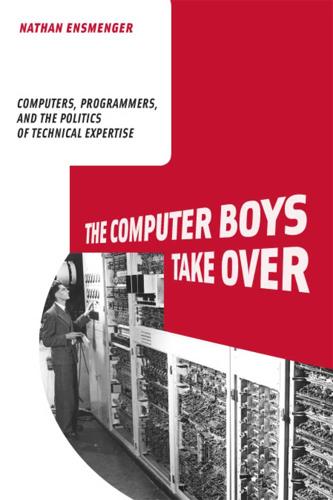
pages: 562 words: 153,825

Dark Mirror: Edward Snowden and the Surveillance State
by Barton Gellman
Published 20 May 2020

The compiler is itself a piece of software, susceptible to attack, but programmers have little choice but to trust it. If the compiler is somehow compromised, it can alter the software it builds in ways that are very hard to detect. STRAWHORSE took inspiration from that dilemma. Apple’s compiler is part of what the company calls the Xcode software development kit. Xcode is like a software factory. Car makers build their vehicles in an assembly plant. Apple developers build iPhone apps in Xcode. STRAWHORSE, the Sandia team reported, was a “whacked,” or maliciously modified, version of the Apple compiler. If the tool worked as advertised, the NSA would have the means to install surveillance implants in any iPhone app created on a STRAWHORSE-infected machine.

pages: 550 words: 160,356

Snow Crash
by Neal Stephenson
Published 15 Jul 2003

It's going to take a lot of work to change that—a full-on mental rebuilding of the whole Metaverse, carried out on a planetwide, corporate level. In the meantime, there may be a role for individuals who know their way around the place. A few hacks can make a lot of difference in this situation. A freelance hacker could get a lot of shit done, years before the giant software factories bestir themselves to deal with the problem. The virus that ate through Da5id's brain was a string of binary information, shone into his face in the form of a bitmap—a series of white and black pixels, where white represents zero and black represents one. They put the bitmap onto scrolls and gave the scrolls to avatars who went around the Metaverse looking for victims.

pages: 598 words: 183,531

Hackers: Heroes of the Computer Revolution - 25th Anniversary Edition
by Steven Levy
Published 18 May 2010

Electronic Arts knew better than to whip up the greed factor by promising hackers enough royalties to buy cherry-red Trans-Ams and Caribbean trysts with hot-blooded software groupies. It confided instead: “We believe that innovative authors are more likely to come from people who are independent and won’t work in a software ‘factory’ or ‘bureaucracy.’” It promised to develop fantastic and powerful tools and utilities that would be available to EA authors. It vowed to maintain the kind of personal values that hackers appreciate more than money. What this would result in was “a great software company.” The implication was that as far as creative, honest, forward-thinking programmers with hacker values were concerned, there was at present no such company.

pages: 923 words: 516,602

The C++ Programming Language
by Bjarne Stroustrup
Published 2 Jan 1986

All rights reserved. 700 Development and Design Chapter 23 organization with a life that spans several projects and of a size that makes worthwhile the necessary extra investment in tools (for design, programming, and project management) and education (of designers, programmers, and managers). It is a sketch of a kind of software factory. Curiously enough, it differs only in scale from the practices of the best individual programmers, who over the years build up a stock of techniques, designs, tools, and libraries to enhance their personal effectiveness. It seems, in fact, that most organizations have failed to take advantage of the best personal practices due to both a lack of vision and an inability to manage such practices on more than a very small scale.